
Where Do Expectations Diverge on Gangnam Building Sale Prices?
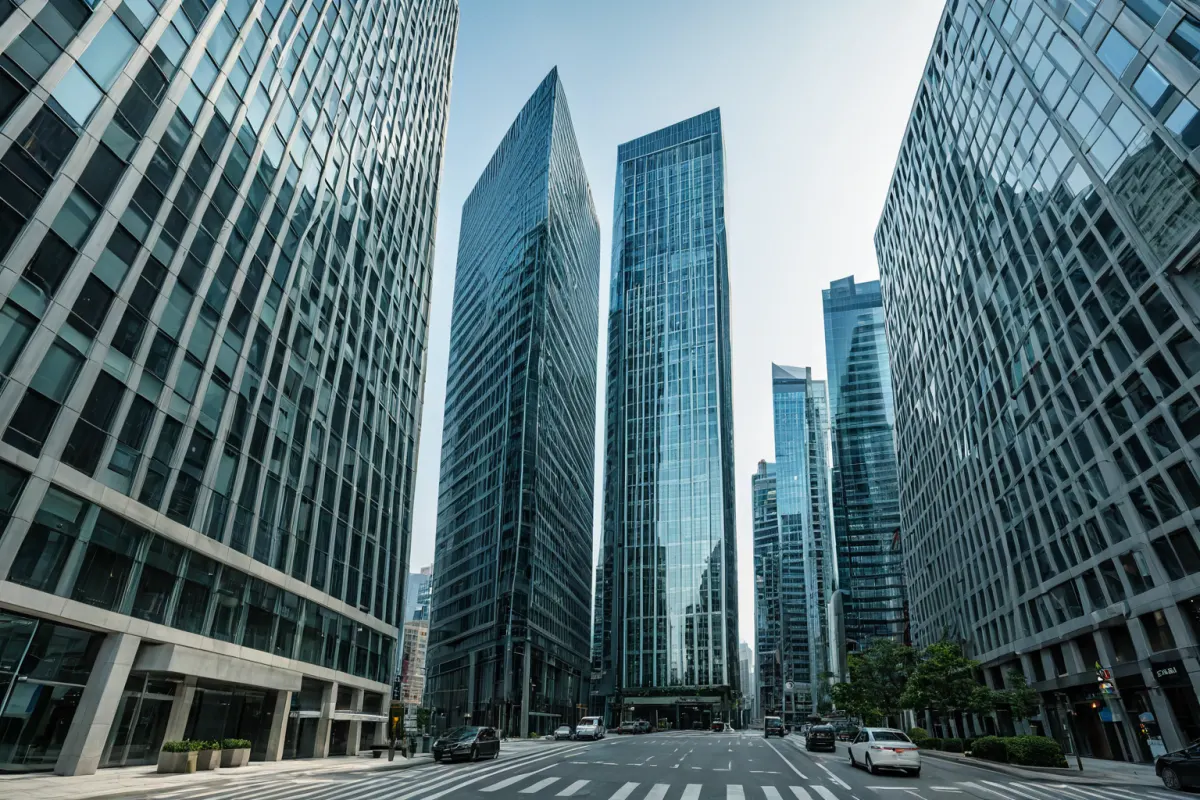
Selling Gangnam buildings isn't as straightforward as assuming prices will only rise or fall sharply. The key lies in how location, usage, tenant structure, vacancy rates, and loan conditions affect price expectations.
Especially in Gangnam, even within the same neighborhood, properties near subway stations, on main roads, newly built, or with remodeling potential see different buyer responses. So when planning a sale, it's essential to verify actual transaction-friendly ranges rather than just checking surrounding market prices.
Why Gangnam Building Sale Prices Diverge
The biggest reason for diverging prices is that investors view these properties both as income-generating assets and as holdings with long-term value. Buildings with stable rental income may retain demand despite interest rate pressures, but rising vacancies quickly lower expected prices.
Property age and usage also play a role. For example, even within Gangnam, older neighborhood service buildings often require costly renovations, leading to longer negotiations, while office-use buildings tend to attract broader buyer interest, allowing for stronger pricing.
You can find similar articles in one place.
View Related ArticlesWhere Negotiation Margins Matter More Than Transaction Prices
A common oversight in Gangnam building sales is the gap between asking prices and actual transaction prices. Sellers often base expectations on nearby top prices, but buyers factor in vacancy risks, acquisition taxes, and financial costs.
For example, a 10 billion won property might have 3-7% negotiation room if lease terms are short or maintenance issues exist. Conversely, newer buildings with long-term tenants may maintain stronger pricing within the same area.
The Top Checkpoints Buyers Look At
When assessing Gangnam building sale prices, buyers typically prioritize three factors: cash flow, futures development potential, and ease of resale.
To avoid mistakes, follow this order when reviewing:
- Check current rental income and vacancy rates
- Evaluate loan availability and interest rates
- Verify illegal expansions or usage violations
- Review nearby new constructions or redevelopment plans
- Compare actual transactions from the past 6-12 months
If any of these factors are unclear, buyers build in a larger safety margin, leading to significant price differences between seemingly similar properties.
High vs. Low Price Expectation Areas
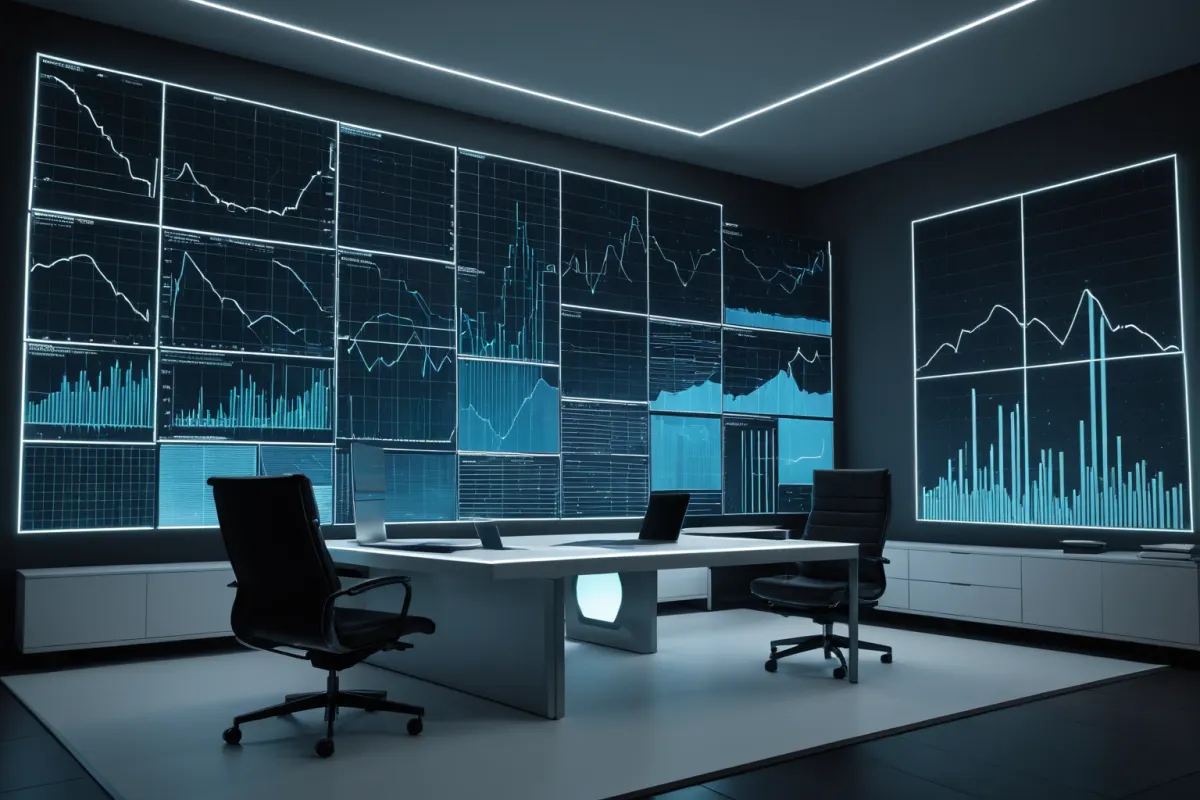
Properties with strong price expectations typically feature subway access, main road locations, corner plots, or remodeling demand. When combined with clear tenant demand from hospitals, schools, or branded stores, buyer inquiries remain steady.
Conversely, properties with weak price expectations often suffer from long vacancies, inconvenient parking, or ambiguous building structures. Especially if tenants change frequently and maintenance history is poor, even Gangnam’s reputation may not support high prices.
Real-World Selling Strategies
For example, a mid-sized building near Gangnam Station with stable rents and good street visibility sees buyers valuing future holding potential over immediate returns. In such cases, selling at a fair price is more effective than rushing to sell.
On the other hand, some older buildings in non-peak Gangnam areas like Yeonhui or Yongsan may look decent externally but face internal aging and vacancy issues, leading to prolonged negotiations. For these properties, setting realistic prices that reflect repair costs and vacancy risks increases success chances compared to starting with high expectations.
When preparing for sale, organize numbers before writing descriptions: total monthly rent, security deposits, maintenance fees, lease expiration dates, and recent renovation records should all be compiled on one page to speed up negotiations.
Taxes and Costs to Consider Before Selling
Selling a Gangnam building isn't just about the deposit. You must also account for capital gains tax, brokerage fees, and potentially existing loan repayments to calculate net proceeds.
Especially for properties held over several years, proving acquisition costs and expenses is crucial. Without proper documentation, post-tax profits may fall below expectations, so gather deeds, contracts, renovation records, and tax receipts before selling.
Determining Whether to Sell Now or Wait
The best time to sell a Gangnam building depends more on the property's condition than market trends. If tenants are stable, maintenance costs low, and buyer interest steady, there’s no need to rush.
Conversely, if vacancies grow and repair costs rise without strong buyer response, adjusting terms—like flexible payment schedules or minor renovations before sale—may be better than holding out for higher prices.
Preparing to Increase Sale Price
The most practical way to raise a price is not to redecorate but to reduce transaction uncertainty. Fix visible issues like leaks, lighting, exterior finishes, and parking flow first; these small improvements boost initial impressions significantly.
Also, proactively sharing relevant documents reduces buyer skepticism during negotiations. Even at the same price point, well-documented listings typically close faster than those with incomplete records.
- Organize lease status reports
- Document recent repairs and replacements
- Share vacancy photos and on-site condition in advance
- Verify tax and payment schedules
Frequently Asked Questions
Q1. What factors most influence Gangnam building sale prices?
Location, rental income, vacancy status, loan availability, and property condition are the main drivers. Even within the same area, these five elements can cause significant price differences.
Q2. Is it okay to set a high asking price?
It's possible, but setting prices too high reduces inquiries. Commercial buildings often have many comparable listings, so prices far above market rates tend to linger unsold for extended periods.
Q3. What should I do if I need to sell quickly?
Be transparent about the reasons for selling and clearly present conditions upfront. Revealing key negotiation points like vacancies, repairs, or payment schedules in advance can improve transaction success rates.
The core of Gangnam building sales isn't just "how much to ask" but understanding "why buyers are interested." Recent transactions vary with market conditions, so always review the latest actual transactions and tax details before selling.
Continue exploring similar topics.
View Category ArticlesFAQ
What factors most influence Gangnam building sale prices?
Location, rental income, vacancy status, loan availability, and property condition are the main drivers. Even within the same area, these five elements can cause significant price differences.
Is it okay to set a high asking price?
It's possible, but setting prices too high reduces inquiries. Commercial buildings often have many comparable listings, so prices far above market rates tend to linger unsold for extended periods.
What should I do if I need to sell quickly?
Be transparent about the reasons for selling and clearly present conditions upfront. Revealing key negotiation points like vacancies, repairs, or payment schedules in advance can improve transaction success rates.
Korean Source
This article is an English localization of a Korean-language report from BlogScore. Original: 강남건물매도 가격 기대가 엇갈리는 구간은 어디?