
When to Book International Flights Amid Rising Fuel Surcharges
Fuel Surcharges and Airfare Fluctuations
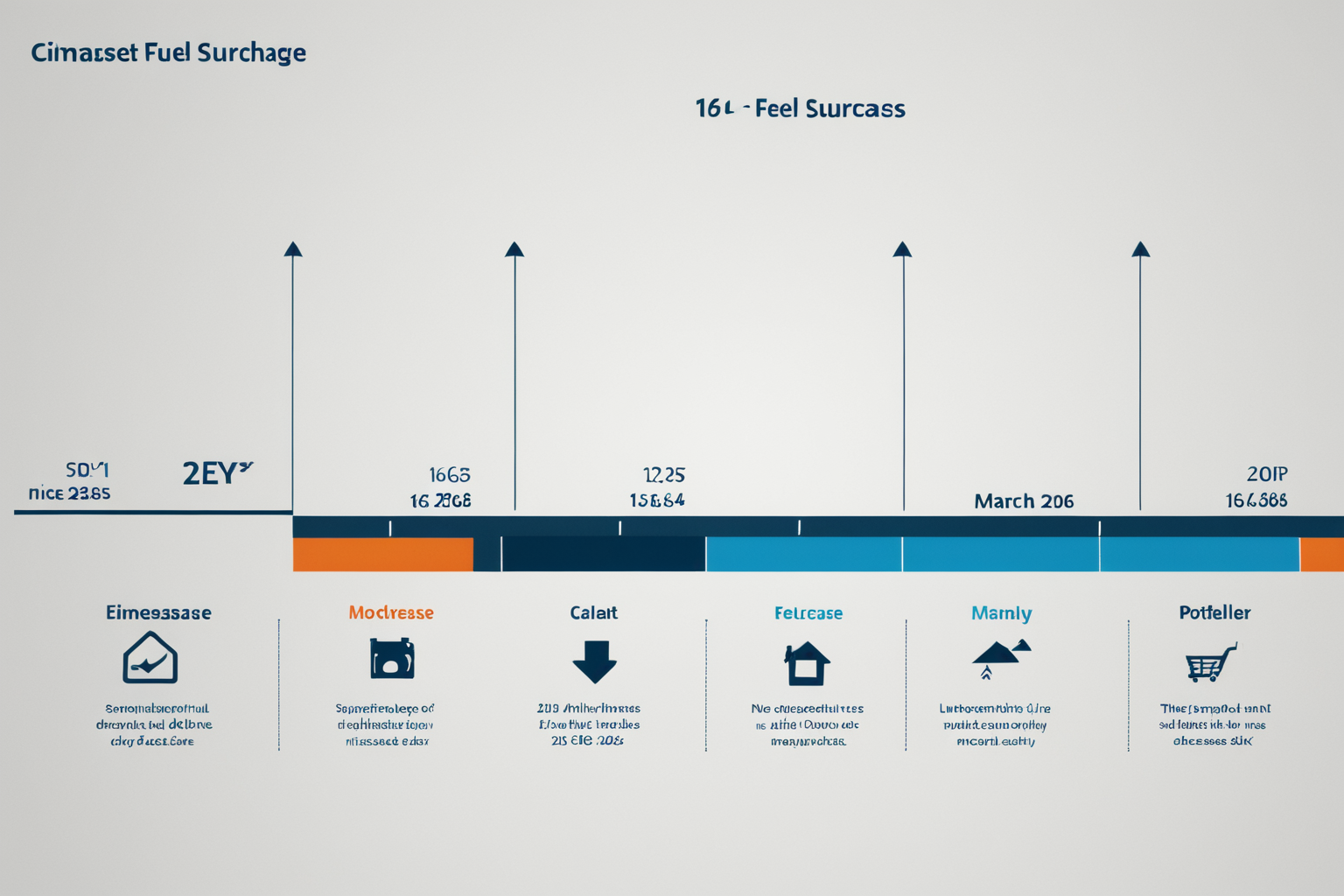
International flight fuel surcharges have recently surged, increasing travel costs significantly. From March to April, these surcharges rose by approximately three times, causing substantial airfare increases. Domestic flights, including those to Jeju Island, also saw a fourfold increase in fuel surcharges, complicating travel planning.
Tracking Fuel Surcharge Fluctuations
Fuel surcharge changes follow clear temporal patterns. Starting in early March, surcharges began rising, with a sharp increase in April leading to significant airfare hikes. From May onward, fuel surcharges have shown a downward trend, resulting in modest price decreases. June is expected to see further reductions, though a potential rebound in September remains possible.
As fuel surcharges significantly impact airfare pricing, considering the timing of your booking is crucial for cost efficiency. May and June appear favorable as surcharges are declining during these months.
Connection Between Middle East Tensions and Fuel Prices
A key factor driving fuel surcharge increases is rising jet fuel prices due to tensions in the Middle East. Political instability in the region has disrupted supply chains, leading to higher fuel costs that airlines pass on through surcharges. Both Korean Air and Asiana Airlines have raised their fuel surcharges by $100, contributing to further airfare hikes.
These tensions extend beyond regional concerns, affecting global aviation. Rising fuel prices prompt airlines to adjust surcharges, ultimately increasing travel expenses for passengers.
Specific Details of Fuel Surcharge Changes
The sharp rise in March and April resulted from spillover effects of the Middle East conflict on the aviation industry. According to a NewsPim report, domestic flight fuel surcharges increased by over four times, creating significant challenges for travelers planning trips to Jeju Island.
European airfares have also surged by more than 1 million won, impacting honeymoon travel plans for many couples. The Middle East conflict has driven jet fuel prices upward, leading to higher surcharges and consequently elevated international flight costs.
Since May, fuel surcharges have trended downward, with modest price decreases in airfares. June is expected to see further reductions, though September may bring another increase based on market conditions.
Strategies for Managing Fuel Surcharge Changes
Airlines are implementing various strategies to address rising fuel surcharges. Some have reduced domestic routes to increase pressure on international pricing, but declining surcharges have led to modest fare reductions.
The travel industry is working to stabilize prices, with a 'first-come-first-served' rush observed as surcharges tripled. Airfares can rise by over 200,000 won within a single day, necessitating careful timing of bookings.
Key Indicators for Monitoring Surcharge Changes
The most important indicators for tracking fuel surcharge fluctuations are airline announcements and jet fuel price trends. The March-April surge directly correlates with rising Middle East tensions, while the May downward trend appears linked to stabilized fuel prices.
September's potential rebound will depend on ongoing geopolitical developments in the Middle East. If tensions persist or worsen, surcharges may rise again. Therefore, travelers should monitor both fuel price movements and regional political conditions when planning trips.
Important Information to Consider
Fuel surcharge fluctuations directly impact airfare pricing, requiring careful attention during travel planning. Many missed optimal booking windows in March and April due to rapid surcharge increases, while May-June currently presents the most favorable period.
As jet fuel prices driven by Middle East conflicts may not stabilize quickly, travelers should consider both surcharge trends and geopolitical developments when making plans. With a potential September rebound, postponing bookings until before summer vacation season could be wise for cost savings.
Frequently Asked Questions
How long will fuel surcharge increases continue?
Fuel surcharges rose sharply from March to April, then began declining in May. June is expected to see further reductions, though a potential rebound in September remains possible.
How do rising fuel surcharges affect airfare prices?
Rising fuel surcharges cause sharp airfare increases, with daily price differences potentially exceeding 200,000 won. Careful timing of bookings is essential to avoid significant cost increases.
Is May-June a good time to book flights?
Yes. May-June represents the period when fuel surcharges are declining, offering more favorable pricing. However, travelers should remain aware of potential September price increases.
Frequently Asked Questions
Fuel surcharge fluctuations significantly impact airfare prices. After a sharp rise from March to April, surcharges began declining in May, with further reductions expected in June. However, continued Middle East tensions could lead to another increase by September.
When planning travel, it's important to monitor both fuel surcharge trends and geopolitical developments in the Middle East. May-June offers the most favorable pricing window, though travelers should be cautious about potential September increases, especially for summer vacation plans.
You can view similar articles in one place.
View Related ArticlesFAQ
How long will fuel surcharge increases continue?
Fuel surcharges rose sharply from March to April, then began declining in May. June is expected to see further reductions, though a potential rebound in September remains possible.
How do rising fuel surcharges affect airfare prices?
Rising fuel surcharges cause sharp airfare increases, with daily price differences potentially exceeding 200,000 won. Careful timing of bookings is essential to avoid significant cost increases.
Is May-June a good time to book flights?
Yes. May-June represents the period when fuel surcharges are declining, offering more favorable pricing. However, travelers should remain aware of potential September price increases.
Korean Source
This article is an English localization of a Korean-language report from BlogScore. Original: 유류할증료 상승으로 인한 국제선 항공권 가격 조정, 언제 예약하는 게 좋을까?