
When to Avoid Seoul-Busan Highway Traffic During Chuseok Holiday
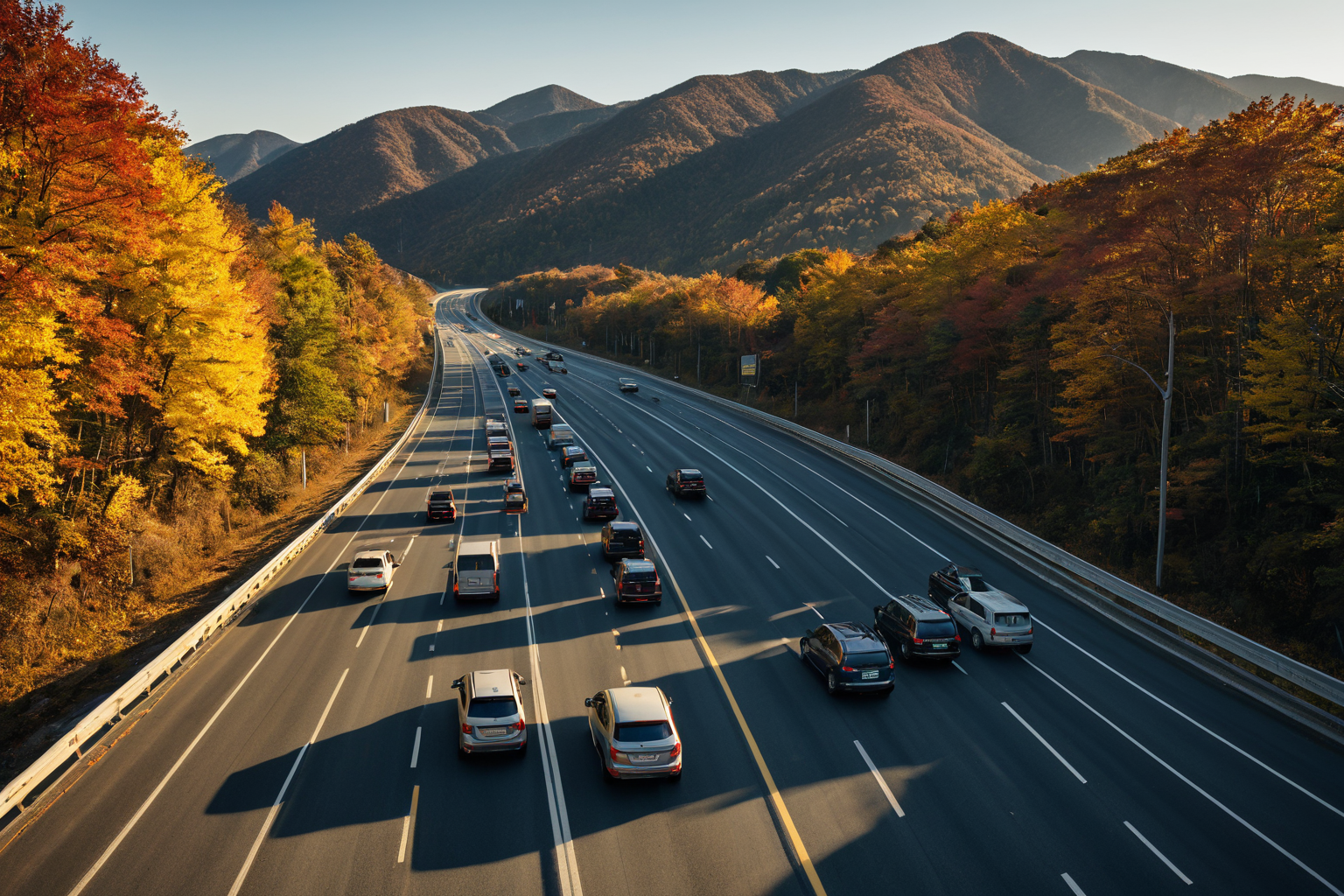
Expected Traffic Times During Chuseok Holiday
Severe highway congestion has been reported on the first day of the Chuseok holiday, with travel times from Seoul to Busan ranging from 6 hours 40 minutes to up to 10 hours 30 minutes. The Gangneung route is expected to take about 7 hours, while the Seoul-Ulsan section may require 8 hours and 30 minutes. Congestion peaks between 6-7 PM, with the West Coast highway consistently ranking as the most congested route for five consecutive years.
Seoul-Busan Travel Time
The travel time from Seoul to Busan is expected to range from 6 hours 40 minutes to a maximum of 10 hours 30 minutes. This data reflects the severe congestion experienced on the first day of the Chuseok holiday. Notably, the Seoul-Busan route has emerged as the most congested in the country.
Gangneung Commuter Route Travel Time
For the Gangneung commuter route, travel time is estimated at approximately 7 hours. This figure accounts for congestion on routes heading to Gangwon Province. The calculation considers both distance from Seoul and traffic volume, with potential additional delays during severe congestion.
Seoul-Ulsan Section Travel Time
The travel time from Seoul to Ulsan is estimated at 8 hours and 30 minutes. This data reflects congestion on routes heading southward. Particularly, the Seoul-Ulsan section tends to experience concentrated traffic volume, potentially increasing travel time during severe congestion.
Peak Congestion Time
Congestion on highways reaches its peak between 6-7 PM during the Chuseok holiday. This period sees overlapping commuter flows for both going home and returning, leading to maximum traffic density. The Seoul-Busan and Ulsan routes are particularly affected during these hours.
West Coast Highway as Top Congestion Zone
The West Coast highway has consistently ranked as the most congested route for five consecutive Chuseok holidays. This reflects both the road infrastructure and traffic flow patterns in the region. Notably, Daejeon, Sejong, and Chungnam areas reach peak congestion on the 25th, which is when the highest number of vehicles travel during the holiday period.
Peak Congestion in Daejeon-Sejong-Chungnam Area
The Daejeon-Sejong-Chungnam area experiences maximum road congestion on the 25th. This day sees the highest volume of vehicle movement during the Chuseok holiday, with severe congestion due to overlapping homecoming and return trips. While tolls are free during this period, traffic congestion has increased, leading to enhanced enforcement against drunk driving and reckless driving.
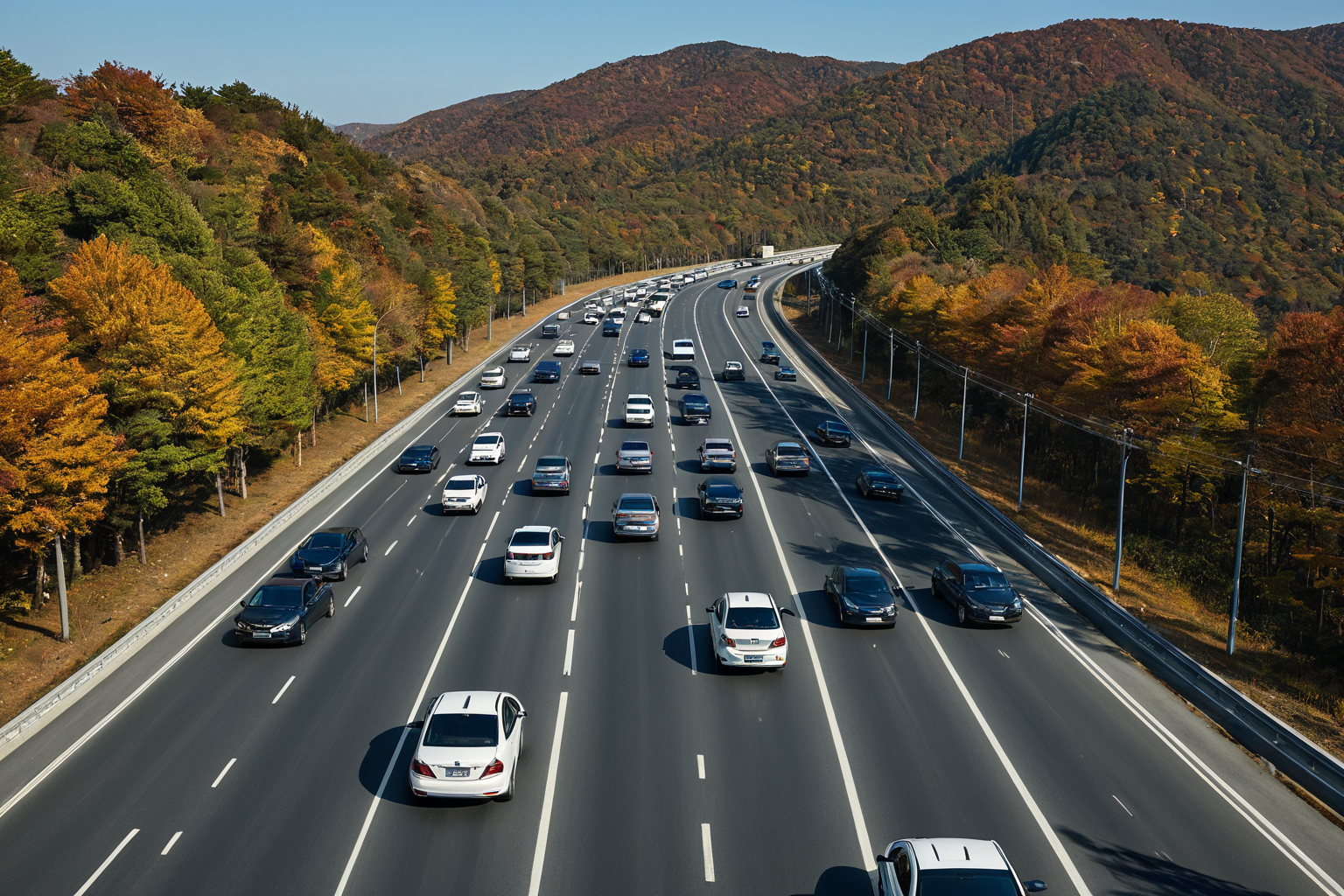
Predicted Congestion Zones
The Seoul-Busan route experiences severe congestion particularly between Iljik Junction and Geumcheon IC. Last year, this section saw 67 hours of congestion, while recent reports indicate 50 hours of congestion. This reflects a recurring bottleneck issue due to the road structure and concentrated traffic in the West Coast region.
Seoul-Busan Congestion
The Seoul-Busan route is experiencing extreme congestion, with travel times reaching up to 10 hours 30 minutes during peak periods. This pattern repeats on both the day before and the day of the holiday, as this route handles the highest volume of traffic nationwide during Chuseok.
Travel Time for Returning from Jeonnam-Gwangju
Travel times from Gwangju in Jeonnam are approximately two hours longer when returning compared to going home. This accounts for road structure and traffic flow patterns in the Jeolla region. Specifically, congestion is severe when traveling from Gwangju toward Seoul, leading to potential additional travel time.
Toll-Free Highway Policy During Chuseok
Highway tolls are free during the Chuseok holiday period as part of a government policy to support homecoming and return trips. This measure aims to reduce consumer burden due to increased traffic volume. However, while tolls are free, congestion remains an issue, leading to enhanced enforcement against drunk driving and reckless driving.
How to Avoid Congestion
The most effective way to avoid highway congestion during Chuseok is to travel earlier. It's recommended to avoid the 6-7 PM peak congestion period by traveling in the morning or evening. Separating homecoming and return trips can also help reduce overall traffic density.
Safety Driving Tips
To ensure safe driving during Chuseok holidays, drivers should not ignore warning lights or noise warnings. During congested periods, maintaining proper distance between vehicles is crucial, and drunk driving must be strictly avoided. For long-distance travel, taking breaks at rest areas is recommended for adequate rest.
Expected Congestion Times
Congestion begins on the first day of the Chuseok holiday, peaking between 6-7 PM. Avoiding this period can significantly reduce traffic density. The Seoul-Busan route particularly experiences severe congestion, making advance planning essential.
West Coast Highway Congestion Situation
The West Coast highway has ranked as the most congested route for five consecutive Chuseok holidays due to road structure and concentrated traffic flow. Daejeon, Sejong, and Chungnam areas reach peak congestion on the 25th, making it advisable to avoid traveling during this period if possible.
Important Information to Check
To check expected highway congestion times and strategies, using real-time traffic apps is recommended. Government-provided highway congestion information can also be referenced for planning travel routes.
Frequently Asked Questions
Are highway tolls free during Chuseok?
Yes, highway tolls are free during the Chuseok holiday period as part of a government initiative to support homecoming and return trips. This measure aims to reduce consumer burden due to increased traffic volume.
When is peak congestion on Seoul-Busan route?
Peak congestion on the Seoul-Busan route occurs between 6-7 PM. It's recommended to avoid traveling during this time period for smoother travel.
Why is the West Coast highway consistently congested?
The West Coast highway experiences recurring bottlenecks due to road structure and concentrated traffic flow, particularly in Daejeon, Sejong, and Chungnam areas. This has led to it ranking as the most congested route for five consecutive Chuseok holidays.
Frequently Asked Questions
Chuseok highway congestion typically results from overlapping homecoming and return trips, peaking between 6-7 PM. The Seoul-Busan route and West Coast areas experience severe congestion. To minimize issues, plan to travel before peak times or separate homecoming and return trips. While tolls are free, enhanced enforcement against drunk driving and reckless driving is in place, so safety should be prioritized.
You can view a collection of similar articles on this topic.
View Related ArticlesFAQ
Are highway tolls free during Chuseok?
Yes, highway tolls are free during the Chuseok holiday period as part of a government initiative to support homecoming and return trips. This measure aims to reduce consumer burden due to increased traffic volume.
When is peak congestion on Seoul-Busan route?
Peak congestion on the Seoul-Busan route occurs between 6-7 PM. It's recommended to avoid traveling during this time period for smoother travel.
Why is the West Coast highway consistently congested?
The West Coast highway experiences recurring bottlenecks due to road structure and concentrated traffic flow, particularly in Daejeon, Sejong, and Chungnam areas. This has led to it ranking as the most congested route for five consecutive Chuseok holidays.
Korean Source
This article is an English localization of a Korean-language report from BlogScore. Original: 추석 연휴 고속도로 정체 예상 시간대와 대처법