
When Oil Prices Hit $100 a Barrel: How Airlines and Transport Sectors Are Affected
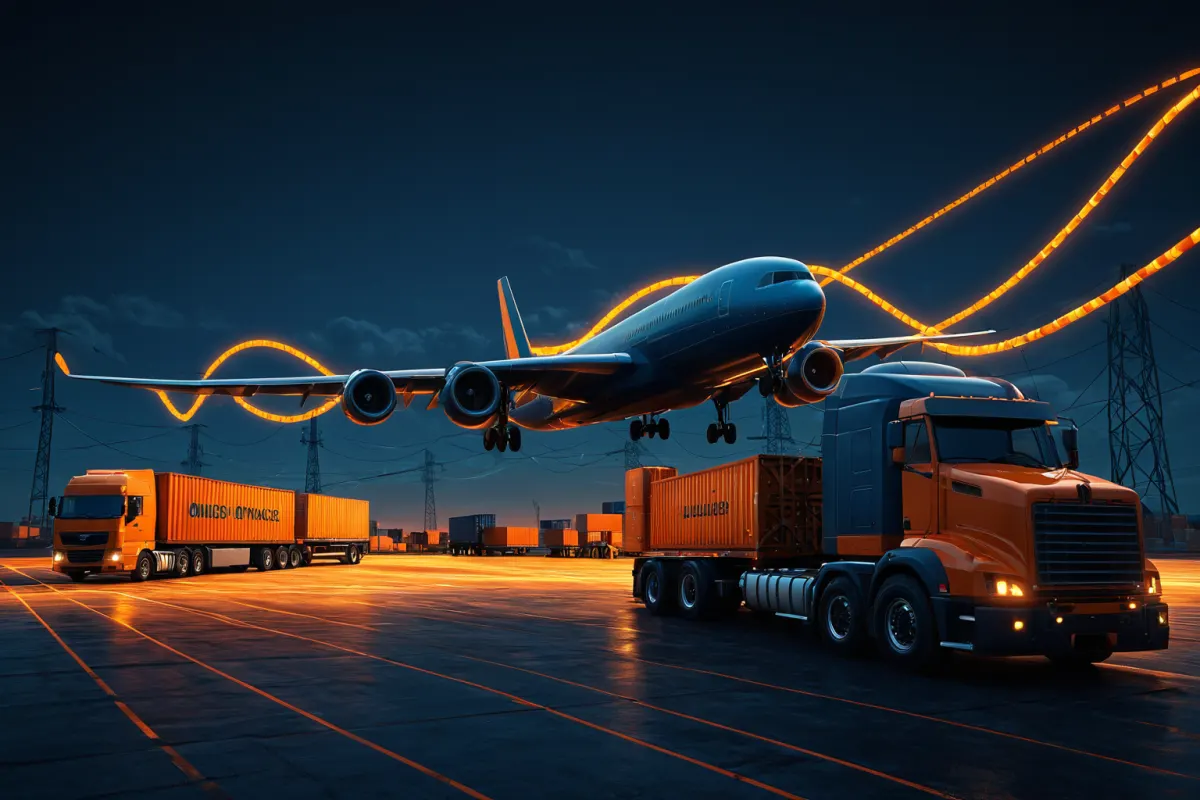
If international oil prices rise to $100 per barrel, costs for the aviation and transportation sectors will increase relatively quickly. However, the extent of impact varies by industry, and not all cost increases are immediately reflected in prices. Airlines face significant fuel costs as their largest expense, while cargo and land transport industries experience pressure from fuel surcharges and shipping rate adjustments.
The key factor is not just how high oil prices rise but how long they remain at that level. Short-term spikes can be managed, but prolonged periods above $100 per barrel strain cost structures and shrink profit margins. In reality, the true impact depends on currency exchange rates, demand recovery speed, and hedging strategies.
Airlines' Fuel Cost Burden
For airlines, fuel costs typically represent one of the largest expense categories. As international oil prices approach $100 per barrel, jet fuel prices tend to rise accordingly, placing greater strain on long-haul routes.
Consider an airline operating 20 flights daily. If average fuel costs per flight were 10 million won and increased by just 10-20%, daily expenses could rise by around 20 million won. Over a month, this translates to tens of millions in additional costs.
To manage these rising costs, airlines adjust ticket prices, expand ancillary services, and optimize route networks. Rather than simply raising fares—which risks reducing demand—they often reduce non-profitable routes and focus on more profitable ones.
Explore similar content in one place.
View Related ArticlesTransport Sector Fuel Cost Pressure
Logistics and land transport feel the impact of rising oil prices almost immediately. Trucks, delivery services, and long-haul freight vehicles depend heavily on fuel costs, making any increase directly affect shipping rates.
For example, a freight company using 3,000 liters monthly at an additional cost of 150 won per liter would see an extra 450,000 won monthly. With 10 vehicles, this becomes 4.5 million won; with 50 vehicles, it reaches 22.5 million won. Larger logistics firms face even greater absolute increases due to scale.
To cope, transport companies often include fuel-cost-linked pricing in contracts or adjust shipping routes and load efficiency. Higher empty truck rates lead to greater losses, so optimizing dispatch schedules is critical for cost control.
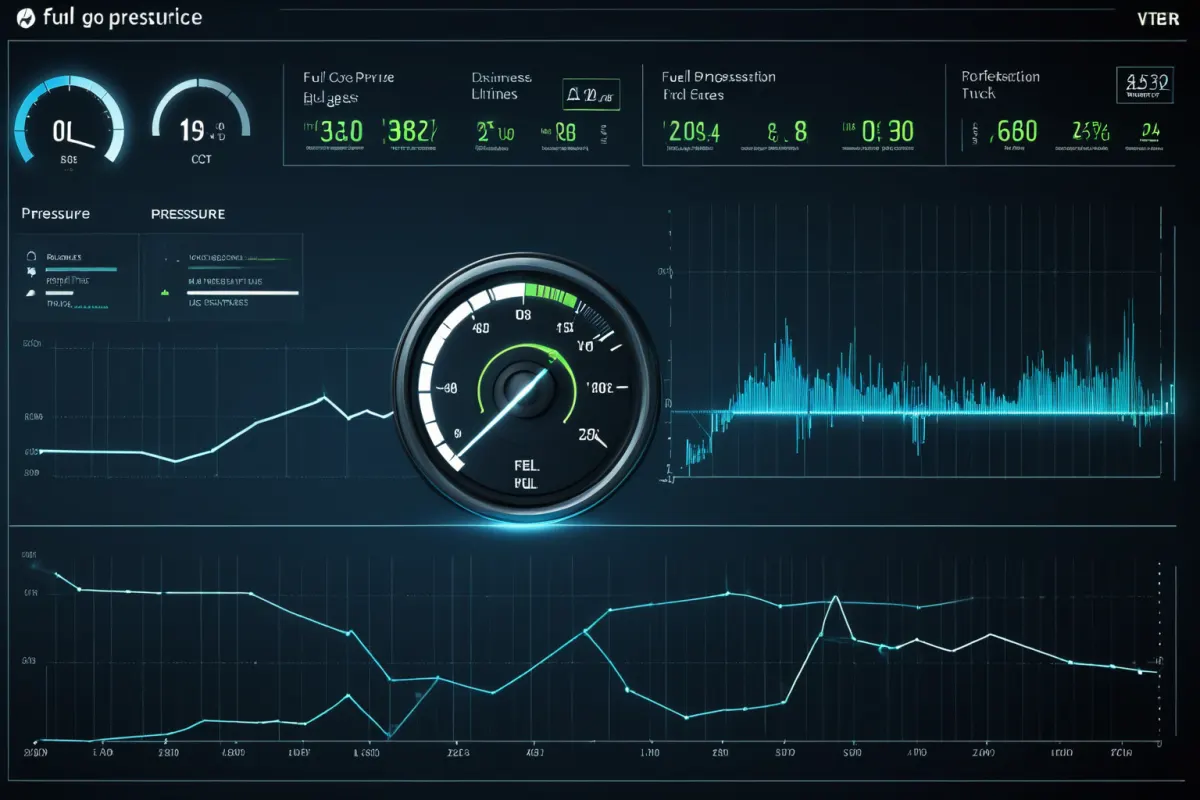
Why Cost Increases Aren't Immediately Visible
Rising oil prices don't always translate directly into immediate cost increases across all businesses. Several factors contribute to this delay. First, airlines often use futures contracts or hedging to mitigate price volatility upfront.
Additionally, many logistics firms adjust contract rates on a monthly or quarterly basis, so rising fuel costs may not be reflected immediately in pricing. While immediate financial impacts might be less visible, long-term profit pressures accumulate over time.
Currency exchange rates also play a significant role. When oil prices rise in dollars and the Korean won weakens against the dollar, domestic companies face even higher costs. A $100 barrel may cost significantly more if the won-dollar exchange rate rises.
Different Industry Perceptions
Airlines can partially pass on increased fuel costs to passengers if demand remains strong, but during economic slowdowns, this becomes harder. Short-haul routes are particularly sensitive to price changes, making it difficult to fully transfer cost increases.
Freight transport varies depending on contract structures. Long-term contracts help limit sudden losses, but new contracts require balancing fuel costs against competitors. Ultimately, profitability hinges on cargo volume and dispatch efficiency.
In practice, businesses often face questions like, "Why hasn't the shipping rate increased even though oil prices have risen?" The answer lies in timing differences between contract renewals and market competition—costs rise first, while price adjustments follow later.
How Companies Respond
The most common strategy is hedging. By locking in fuel prices through futures contracts, companies can protect against sudden spikes. However, this approach may be less advantageous if oil prices fall afterward.
A second method is optimizing routes and dispatches. Airlines prioritize fuel-efficient aircraft, while transport firms improve load efficiency to reduce empty runs. A third strategy involves adjusting fuel surcharges to share increased costs with customers.
For instance, a logistics company might include clauses in contracts such as "if oil prices rise by 10% above the benchmark, a 3% fuel surcharge will be applied." Such structures significantly impact profitability depending on their presence or absence.
Connection to Consumer Prices
Rising oil prices at $100 per barrel affect airline tickets, delivery fees, and daily goods. Higher shipping costs can reduce competition in online shopping pricing, while increased air freight rates may raise travel expenses for overseas trips.
Indirectly, this impacts food and consumer product prices as well. Increased material transportation costs lead to higher manufacturing logistics expenses, which may eventually be passed on through retail prices. Thus, oil prices are not just an energy issue but also a factor influencing everyday living costs.
Not all products rise at the same pace. Items with alternatives or ample inventory might delay price adjustments, and weaker demand could force companies to absorb some of these costs instead.
Real-World Examples
Consider a mid-sized airline experiencing a monthly fuel cost increase of 300 million won due to rising oil prices. If the company's operating profit was 4 billion won during the same period, it means a significant portion of that profit is eroded by oil costs alone.
Similarly, for freight companies, an additional 100 million won in fuel-related costs on a monthly revenue of 2 billion won could significantly affect net profit margins. Industries with thin margins feel even small cost increases more acutely—just a 1% rise can make a noticeable difference.
This is why businesses often prioritize tracking fuel cost trends over sales figures when reporting quarterly results. While revenues may appear stable, high oil prices directly impact actual profitability.
What Investors and Consumers Should Watch
Investors should monitor airlines and logistics firms' fuel cost ratios, hedging rates, and debt levels. As oil prices rise, the gap between companies with strong cost defenses and those without widens significantly.
Consumers should be aware that flight deals may become less frequent, and delivery or freight rates might gradually increase. However, not all price increases are immediate—considering contract renewal cycles and market competition is advisable when making purchasing decisions.
In conclusion, the $100 oil price benchmark isn't just about the number itself but how long it remains sustained at that level. Short-term spikes may cause limited disruption, but prolonged high prices significantly pressure cost structures in aviation and transportation sectors.
FAQ
Q. Will airline tickets rise immediately when oil hits $100?
A. Not necessarily. Airlines adjust fares based on pre-secured fuel contracts, hedging strategies, and route competition, which can create a time lag before price changes are reflected.
Q. Do transport companies pass all increased fuel costs to customers?
A. No. Depending on contract terms, they often reflect only part of the increase or absorb some costs initially.
Q. Which has more impact: oil prices or exchange rates?
A. Both are significant. If dollar-based oil prices rise while the Korean won weakens against the dollar, domestic companies face even greater financial pressure.
The performance of oil-related businesses varies based on reporting periods and hedging strategies, so reviewing the latest quarterly data is recommended for informed decisions.
Continue exploring similar topics.
View Category ArticlesFAQ
Will airline tickets rise immediately when oil hits $100?
Not necessarily. Airlines adjust fares based on pre-secured fuel contracts, hedging strategies, and route competition, which can create a time lag before price changes are reflected.
Do transport companies pass all increased fuel costs to customers?
No. Depending on contract terms, they often reflect only part of the increase or absorb some costs initially.
Which has more impact: oil prices or exchange rates?
Both are significant. If dollar-based oil prices rise while the Korean won weakens against the dollar, domestic companies face even greater financial pressure.
Korean Source
This article is an English localization of a Korean-language report from BlogScore. Original: 국제유가100달러, 항공·운송업계 비용은 얼마나 늘까