
When Does Agricultural and Fisheries Tax Benefit Continuation Take Effect? Duration Explained
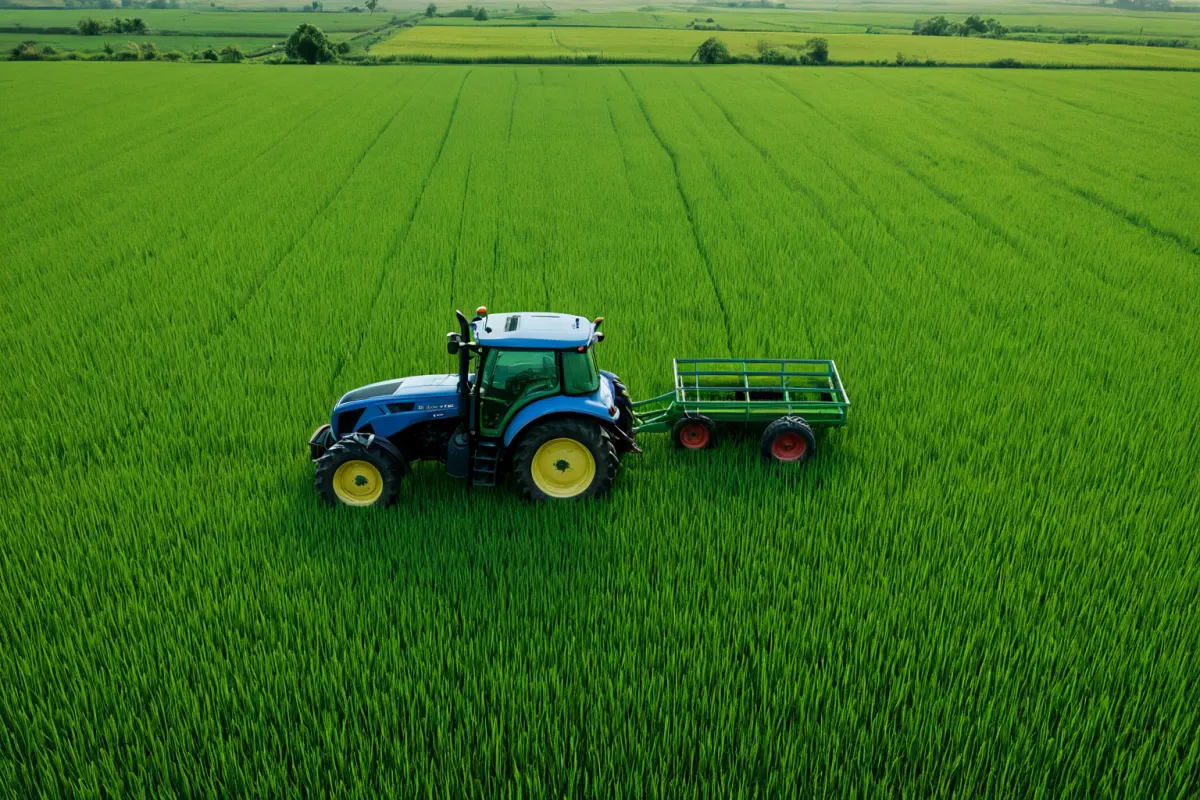
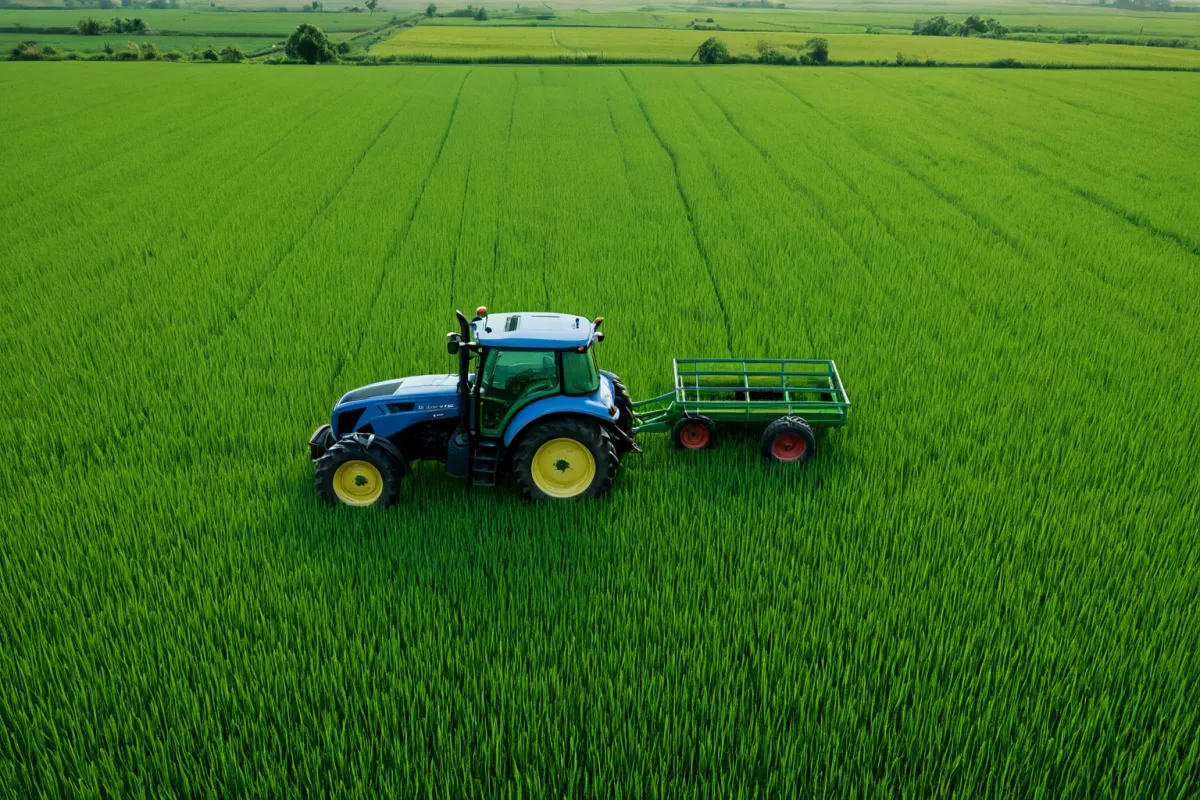
Agricultural and fisheries tax benefit continuation refers to making tax benefits for these sectors permanent rather than temporary, eliminating the need for annual renewal. However, the exact implementation date depends on both legislative revisions and specific enforcement dates, so it's incorrect to assume that "continuation" means immediate application.
Most people searching for this information want to know two key points: when benefits will apply, and which tax benefits will remain permanent. This article aims to clarify these aspects without confusion.
The Core Meaning of Agricultural and Fisheries Tax Benefit Continuation
Agricultural and fisheries tax benefit continuation moves away from the previous practice of annually renewing tax exemptions or reductions, aiming for stable policy implementation. In simpler terms, it reduces the need for farmers to constantly check if benefits will expire each year.
This type of reform often applies to high-visibility items like agricultural machinery, tax-exempt fuel for farming, and other sector-specific support measures. Therefore, whether a specific benefit continues permanently depends on whether that particular item is included in the continuation policy.
You can find similar articles about this topic all in one place.
View Related ArticlesWhy You Need to Check the Implementation Date
Even with continuation, benefits don't automatically apply from today. Typically, after a bill passes parliament, it's published and an enforcement date is specified. Some items take effect immediately upon publication, while others have a grace period before implementation.
For example, if a revision was finalized in July, but the effective date is October 1, benefits only apply from that date. Therefore, don't rely solely on headlines—check both publication date and enforcement date.
Difference in Duration and the Sunset Clause Structure
Agricultural tax benefits originally operated as temporary measures with fixed terms, renewed based on effectiveness. This structure is called a "sunset clause," which helps evaluate policy impact but causes anxiety among farmers who worry about annual renewal.
The push for continuation addresses this issue. Equipment replacement and farming plans often span years rather than months, so frequent changes in tax benefits can disrupt financial planning for agricultural businesses.
Common Misunderstandings in Implementation
Many mistakenly believe that "continuation" means all agricultural tax benefits are automatically exempt. In reality, eligibility depends on specific criteria: the item type, recipient qualifications, required documentation, and intended use must all align.
For example, even if a machine is used for farming, its business registration status, usage purpose, or purchase documentation can affect whether it qualifies for tax benefits. Local procedures may also vary slightly, so first-time applicants should prepare documents in advance.
To avoid confusion, check the following sequence:
- Confirm if the specific benefit is included in continuation
- Check if the enforcement date matches the publication date
- Verify your eligibility criteria
- Prepare required documentation and application procedures
Example: Farmers planning to purchase machinery shouldn't rely solely on news that benefits are now permanent. Instead, confirm whether their purchase date aligns with the enforcement date before finalizing contracts. Even if already paid, retroactive application may vary by policy.
Benefits Experienced in Agricultural and Fisheries Fields
The biggest advantage of continuation is predictability. Agriculture faces many variables—weather, harvest yields, fuel prices, and material costs—and frequent changes to tax policies add unnecessary stress. Permanent benefits help with long-term planning.
Another benefit is reduced administrative confusion. Farmers no longer need to constantly check if benefits are extended each year or whether they apply for the current month. While these differences may seem small, their impact on daily operations is significant.
Information to Check Alongside Similar Policies
Don't view agricultural and fisheries tax benefit continuation in isolation. Also review other related items like tax-exempt benefits for agriculture, reductions on acquisition taxes, and special tax treatment periods. While terms may sound similar, different application categories can lead to different outcomes.
A common oversight is post-application management. Changing the purpose of a benefit after approval or transferring it can create future tax issues, so clearly defining usage from the start is safer.
Key Points for Verifying Implementation Timing
To confirm when benefits take effect, check three details: first, the publication date of the legal revision; second, the specified enforcement date in the legislation; and third, any specific implementation dates outlined in regulations or rules.
For example, if a law was published in May but takes effect on July 1, transactions between May and June may still follow previous rules. Therefore, when planning machinery purchases, lease agreements, or tax filings, carefully consider the timing of dates.
FAQ
Q1. Do agricultural and fisheries tax benefits automatically apply once continuation is announced?
No. Most policies specify an enforcement date, so you must distinguish between publication date and enforcement date.
Q2. Will continuing benefits be exactly the same as previous temporary ones?
Not necessarily. The scope or requirements may be adjusted, so review details carefully.
Q3. What's the fastest way to confirm if I'm eligible for a benefit?
First check eligibility criteria: application category, intended use, and required documentation. Then align this with your contract date and enforcement date.
Agricultural and fisheries tax benefit continuation may sound simple from its name, but implementation timing and scope are critical. Especially in years like the current one with frequent policy changes, it's essential to verify details beyond headlines by checking legislation carefully.
Continue exploring similar topics.
View Category ArticlesFAQ
Do agricultural and fisheries tax benefits automatically apply once continuation is announced?
No. Most policies specify an enforcement date, so you must distinguish between publication date and enforcement date.
Will continuing benefits be exactly the same as previous temporary ones?
Not necessarily. The scope or requirements may be adjusted, so review details carefully.
What's the fastest way to confirm if I'm eligible for a benefit?
First check eligibility criteria: application category, intended use, and required documentation. Then align this with your contract date and enforcement date.
Korean Source
This article is an English localization of a Korean-language report from BlogScore. Original: 농어업세제혜택상시화 언제부터 시행되고 기간은?