
When and Where to Catch Horaegi: A Guide to the Best Season
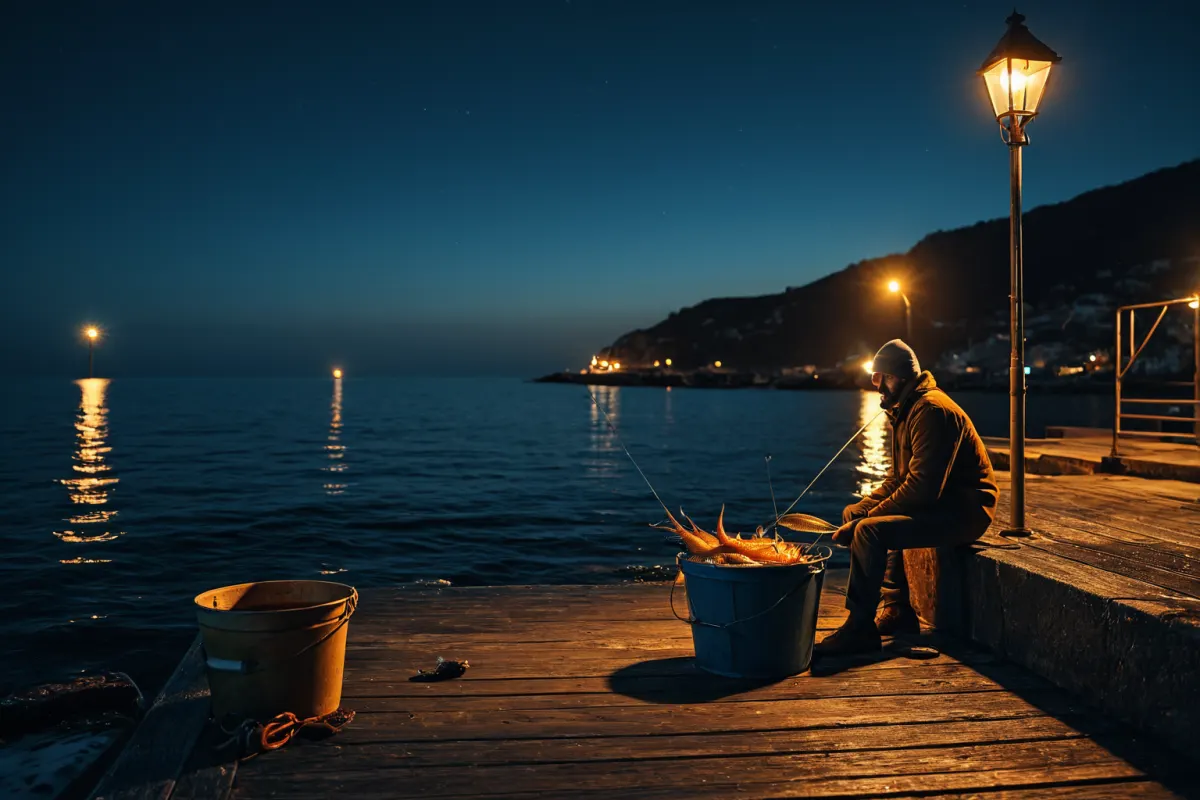
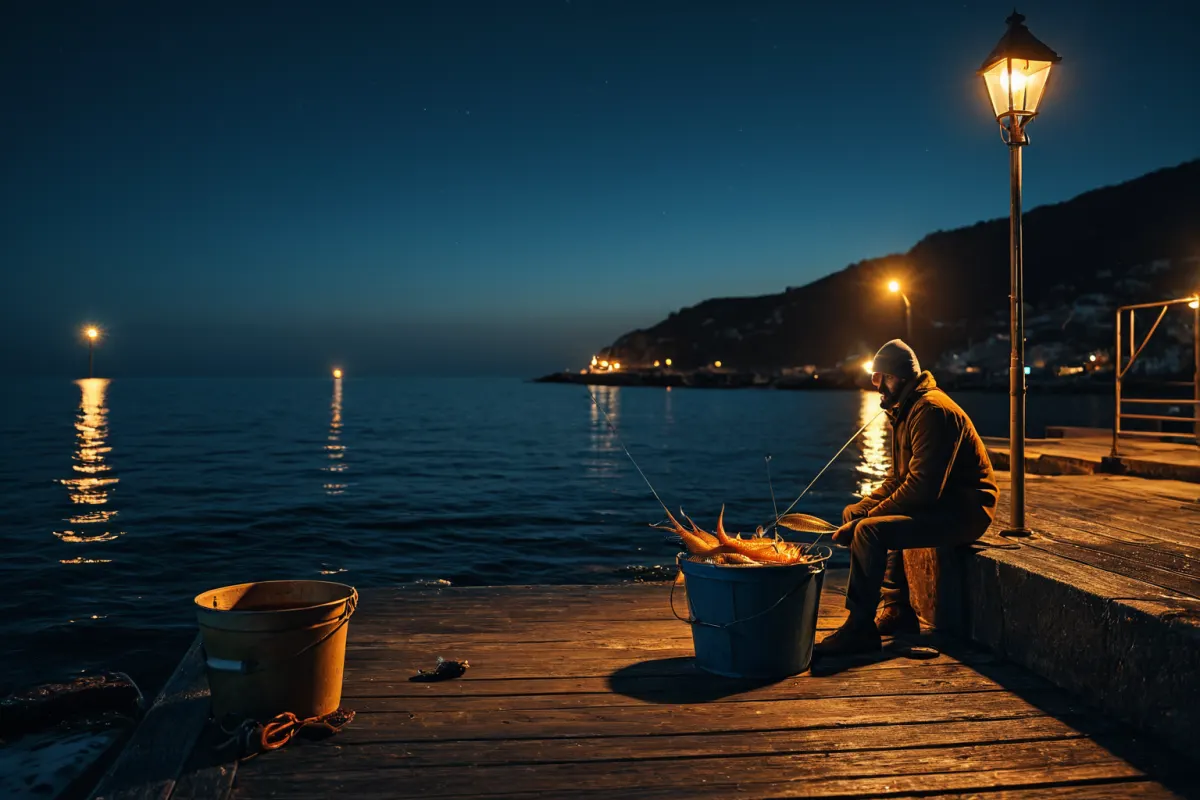
The peak season for horaegi is typically from autumn through early winter, especially between October and December. During this time, many fish migrate to coastal areas making them easier to catch, and they offer excellent texture when eaten raw.
However, the timing can vary by region and year; for instance, the southern coast may start earlier, while sudden cold snaps can drastically reduce activity. Therefore, it’s more important to monitor water temperature and tide schedules than just relying on a calendar.
Peak Season Timing
Horaegi isn’t completely absent at any time of year, but people generally consider the late autumn through early winter as the prime season. The number of fish tends to increase in late autumn, peaking during early winter.
Some areas show signs of migration as early as late September, while November and December often yield better catches from breakwaters or rocky shores at night. Conversely, as winter progresses, colder water temperatures usually lead to fewer bites.
Geographically, southern coastal regions like the South Sea Coast, Gyejeo, Tongyeong, Goheung, and Yeosu tend to be more favorable due to relatively stable sea temperatures. The same date may mean earlier starts and later ends in the south compared to northern areas.
You can find similar articles all in one place.
View Related ArticlesWater Temperature: The Key Factor
Horaegi is more influenced by water temperature than by specific dates. Both excessively warm and cold waters reduce their activity, making them less likely to bite.
In reality, the best fishing occurs during autumn as temperatures gradually cool down, with many fish gathering near shorelines at night. This explains why horaegi often become easier to catch after sunset when they were inactive during the day.
For example, on days when bites are absent in the daytime, you might see a sudden increase in catches after 8 PM around well-lit fishing spots. On such days, it’s better to shorten casting intervals rather than waiting for extended periods.
Horaegi vs. Ggotttugi: Understanding the Confusion
While horaegi and ggotttugi are often used interchangeably, they can cause confusion due to size or regional naming differences. In practice, 'horaegi' is commonly used to refer to small squid-like species.
When discussing fishing or eating, it’s simpler to think of them as ‘small squid species currently available.’ However, local names vary widely—sometimes the same fish might be called horaegi, ggotttugi, or even hanchi (a type of small fish).
The key is size and condition. For raw consumption, smaller specimens can be cumbersome to prepare, while larger ones may lack the delicate texture characteristic of horaegi.
Best Fishing Spots
Horaegi fishing tends to work well at quiet coastal areas such as breakwater ends or calm zones near gentle currents. Well-lit spots along outer harbors are especially popular, as they attract plankton and, consequently, the fish themselves.
Nighttime with moderate clarity (not too murky) is ideal for better results. First-time visitors should try 2-3 different spots briefly rather than focusing on one location for too long. If a spot shows no activity, adjust based on current direction and lighting conditions for better efficiency.
Selecting the Right Tackle
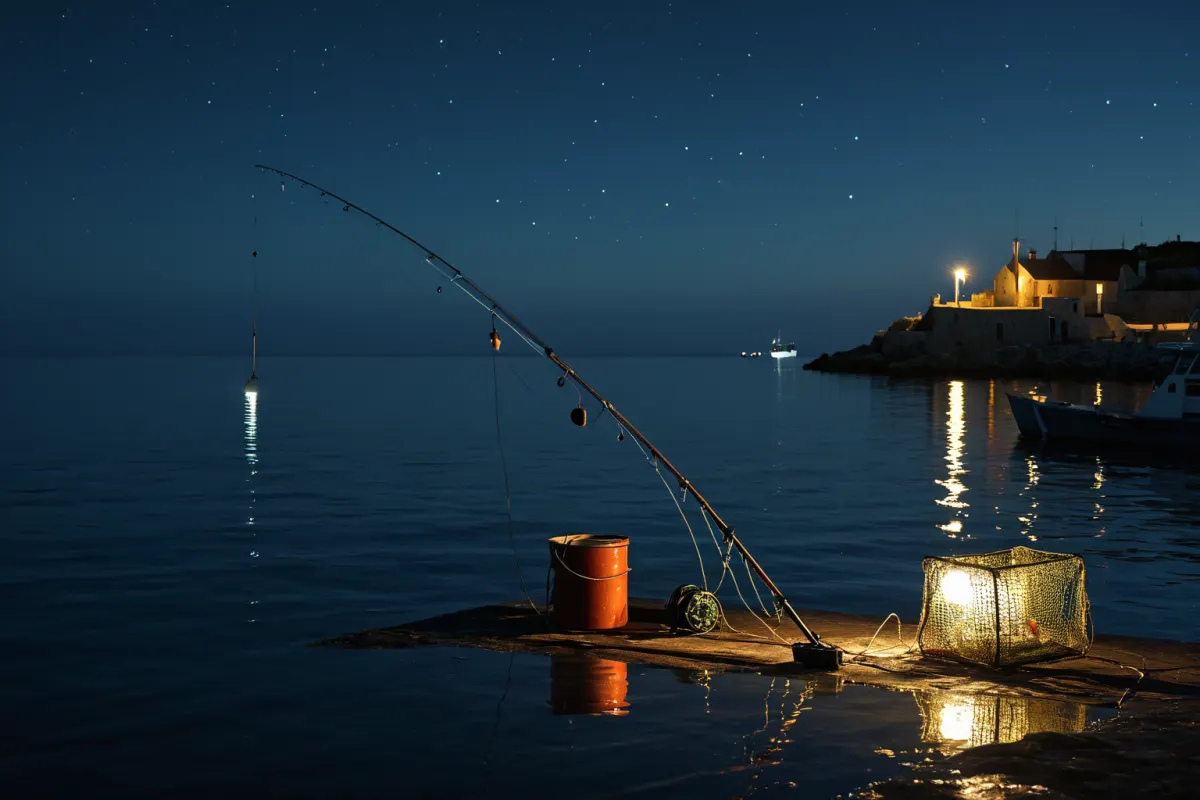
Horaegi fishing tackle doesn’t need to be complicated—use small hooks or specialized gear, keeping it light. Lighter tackle is preferable when bites are sensitive, while slightly heavier setups work better in windy conditions or strong currents.
Overly heavy tackle can make movements unnatural and reduce activity. Beginners should start with thin lines and one or two small hooks, casting slowly and allowing the bait to sink gently before short lifts. If no response occurs, try changing action or depth rather than focusing on color first.
Avoiding Parasites: Handling Tips
One common concern when eating raw horaegi is parasites. While it’s impossible to guarantee complete safety for all seafood, freshness and proper handling are crucial.
Many prefer to prepare fresh specimens immediately after catching them, but if the quality seems questionable, cooking is safer. Carefully check around the internal organs; discard any with unusual mucus or discoloration.
To clean horaegi, separate head from body, remove innards, peel off skin, and rinse thoroughly. Smaller fish can be slippery—use a kitchen towel to manage moisture for easier handling.
How to Enjoy Horaegi Sashimi
Horaegi sashimi is at its best during peak season, offering sweetness and chewiness. However, texture deteriorates quickly if left uncooked for long periods, so it’s best consumed the same day.
It pairs well with a simple mix of sesame oil and salt rather than strong sauces like gochujang (Korean chili paste). Adding finely sliced onions or perilla leaves can reduce any fishy aroma while enhancing texture.
Some prefer lightly steamed horaegi as an alternative to raw. After steaming, chill in cold water before dipping into a sauce—this method is more beginner-friendly for those uncomfortable with raw seafood.
Key Points to Catch Horaegi
To maximize your chances of catching horaegi, focus on three key factors: tide schedules, water temperature, and nighttime lighting. When these align, the likelihood of good catches increases significantly.
Strong winds make casting difficult, while heavy waves reduce coastal accessibility. Conversely, calm nights with active lighting often yield better results than expected.
For beginners, a simple approach is to target ‘autumn evenings, southern coast breakwaters, and well-lit spots.’ Since the season can be short-lived, visiting multiple times within a brief period is recommended for success.
FAQ
Q. What months are considered peak horaegi season?
The most commonly mentioned months are October to December. Depending on location, some regions may start as early as late September or extend into early January.
Q. Can you catch horaegi during the day?
It’s possible but less common; nighttime is generally more productive. Around well-lit fishing spots, activity often increases after sunset.
Q. Is it safe to eat horaegi raw?
If the fish is very fresh and properly cleaned, many people enjoy it raw. However, if there’s any doubt about quality, cooking is safer.
Check out more articles on similar topics.
View Category ArticlesFAQ
What months are considered peak horaegi season?
The most commonly mentioned months are October to December. Depending on location, some regions may start as early as late September or extend into early January.
Can you catch horaegi during the day?
It's possible but less common; nighttime is generally more productive. Around well-lit fishing spots, activity often increases after sunset.
Is it safe to eat horaegi raw?
If the fish is very fresh and properly cleaned, many people enjoy it raw. However, if there's any doubt about quality, cooking is safer.
Korean Source
This article is an English localization of a Korean-language report from BlogScore. Original: 호래기 제철 시기와 언제 잡히는지 정리