
Wheelchair Rugby Rules and Position Roles Simplified
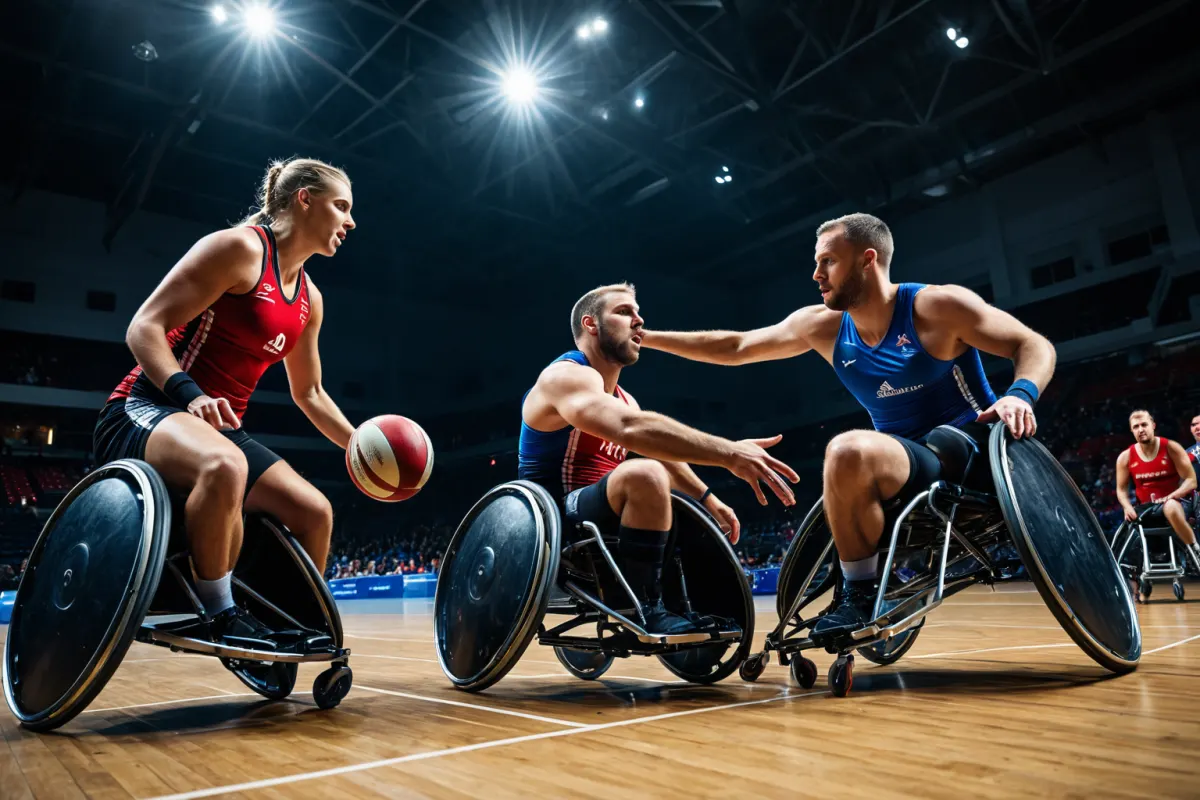
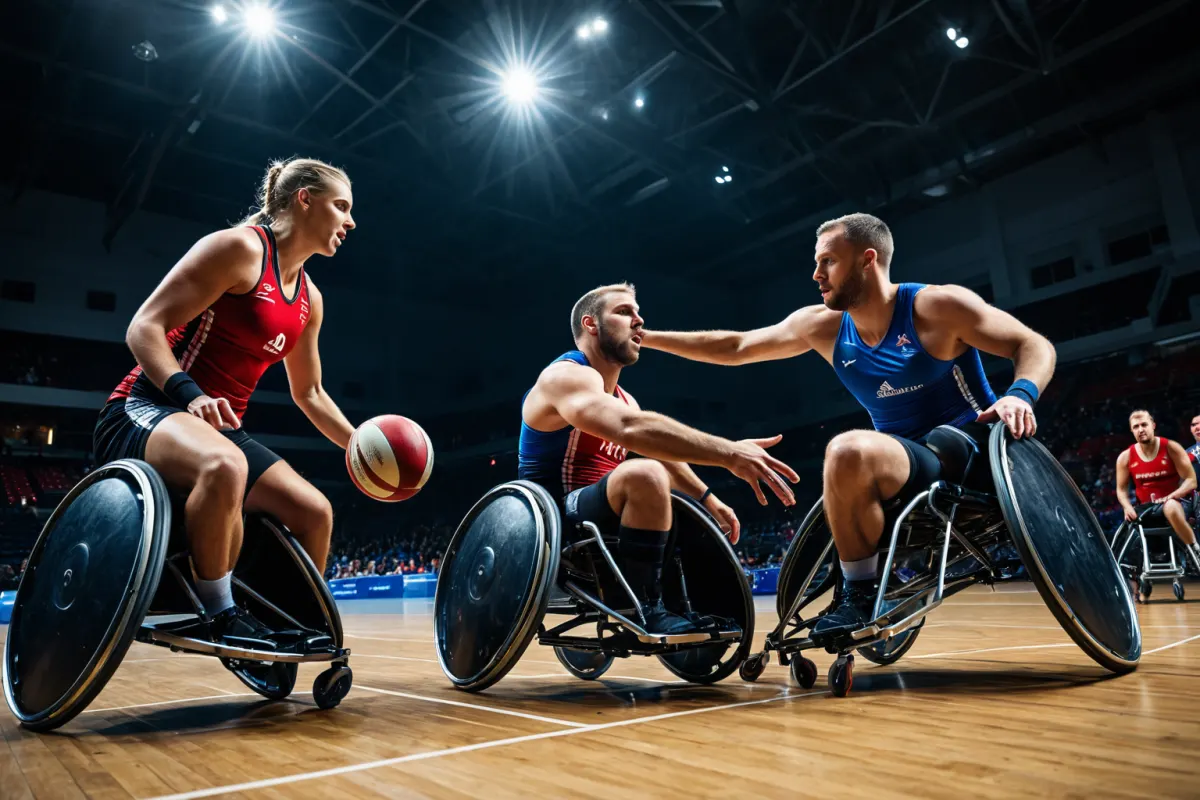
Wheelchair rugby is a fast-paced team sport where players use wheelchairs to push against each other while moving the ball across the goal line. At first glance, it may seem complex, but understanding scoring methods, basic fouls, and position roles makes the game much easier to follow.
This sport combines elements of wheelchair basketball and hockey, yet has its own distinct set of rules. When watching a match for the first time, you might be surprised by the speed, but once you know the rules, it becomes clear why players move the way they do.
Key Aspects of Wheelchair Rugby Gameplay
The game is typically played with four players per team on the court. The ball can only be handled with hands, and passes must follow specific patterns like bounce passes or roll passes.
The main objective is to cross the opponent's end zone while in possession of the ball. It’s not just about moving the ball—it requires careful calculation of both body and wheelchair movement, making spatial awareness crucial.
Scoring occurs only when a player with the ball fully crosses the end zone line. A common point of confusion is that simply getting the ball across doesn’t count; the player's wheelchair must also cross the line.
You can find more articles on similar topics here.
View Related ArticlesGame Time and Basic Flow
Wheelchair rugby is played in quarters, with the pace changing rapidly depending on game situations. The fast tempo means offensive plays don’t feel long because strong defensive pressure makes it hard to hold onto the ball for extended periods.
The attacking team quickly connects passes to break through defense, while the defending team narrows the space to prevent breakthroughs. Watching matches, it’s more helpful to follow both the ball and wheelchair positioning than just focusing on the ball itself.
For example, when one player attempts a central breakthrough, another might move laterally to open up passing lanes. It’s these coordinated movements that create real offensive opportunities.
Why Position Roles Matter
In wheelchair rugby, each position has clearly defined responsibilities. Typically, the team consists of players who lead attacks, hold down defense, and assist with ball distribution.
Players who stand firm in front help create space, while those skilled at passing control the pace of attack. Fast-breaking players become major threats when defensive lines break down.
In reality, many situations involve a player handling both offense and defense simultaneously. The synchronization between wheelchair stopping power, direction changes, and pass timing makes it more than just a physical contest.
Before watching a game, consider these general role categories:
- Breakaway Players: Focus on forward pressure and scoring finishes
- Playmakers: Handle ball connections and tempo control
- Anchor Players: Provide defensive resistance and space creation

Frequent Fouls and Penalties
Common fouls in wheelchair rugby involve holding onto the ball too long or unnecessarily blocking opponents. While collisions are common due to the nature of wheelchair sports, they must stay within legal boundaries.
Particularly noteworthy is intentionally obstructing an opponent’s progress or pushing a player with the ball unsafely. Referees react quickly in such moments, highlighting how important contact rules are.
New viewers might wonder if aggressive collisions are always allowed, but that’s not the case. Legal positioning differs significantly from dangerous interference.
For instance, when an attacker moves toward a corner, defensive pressure directly in front is part of normal play. However, damaging movement paths or repeatedly causing risky contact results in penalties.
Scoring Confusion for New Fans
A common question for first-time viewers is about scoring rules: does crossing the goal line with just the ball count, or must both player and wheelchair cross? The key is that both the player’s position and ball placement determine scoring.
This explains why players often push forward with their wheelchairs at the last moment. It’s not just about throwing the ball over; it involves moving the entire wheelchair across the line.
In real matches, timing is critical—often making or breaking a score by fractions of a second. If an attacker hesitates even briefly before the end zone, defenders quickly close in, emphasizing how vital precise timing is.
What to Watch For While Viewing
Wheelchair rugby becomes more engaging when you focus on spatial dynamics rather than just ball movement. Instead of tracking who has the ball, observe who’s creating passing lanes for future plays.
Another key point is wheelchair speed variation. Even the same player can move extremely fast during acceleration phases but lose balance during sharp turns. These differences directly impact defensive success and scoring opportunities.
At first, the rapid back-and-forth may feel overwhelming, but after watching just a few games, you’ll start noticing where attacks begin and when defenses shift tactically.
Quick Reference for Beginners
To grasp wheelchair rugby basics: it’s a game where players handle the ball with their hands while crossing the opponent’s end zone. Adding elements like wheelchair collisions, specific pass types, and contact restrictions creates its unique style of play.
Position roles are simpler than they seem. Breakaway players open paths, playmakers connect passes, and anchor players hold defense—working together to complete effective attacks.
When watching, focus less on who has the ball and more on who’s creating space. That shift in perspective makes wheelchair rugby much more three-dimensional to watch.
More Information About Wheelchair Rugby
International competition rules and domestic match operations may vary slightly depending on the event. Always check the latest regulations before attending or participating in a game, as details can differ by tournament.
FAQ
Q1. How many players are on each team?
Typically, four players per team play on the court at once, with substitutions managed according to game flow.
Q2. How is scoring determined?
A goal counts only when a player in possession of the ball fully crosses the opponent’s end zone line. Simply getting the ball over isn’t enough.
Q3. Are all wheelchair collisions allowed?
No. While physical contact during play is permitted, dangerous interference or unnecessary contact results in fouls.
Continue exploring similar topics here.
View Category ArticlesFAQ
How many players are on each team?
Typically, four players per team play on the court at once, with substitutions managed according to game flow.
How is scoring determined?
A goal counts only when a player in possession of the ball fully crosses the opponent’s end zone line. Simply getting the ball over isn’t enough.
Are all wheelchair collisions allowed?
No. While physical contact during play is permitted, dangerous interference or unnecessary contact results in fouls.
Korean Source
This article is an English localization of a Korean-language report from BlogScore. Original: 휠체어럭비 경기 규칙과 포지션 역할 쉽게 정리