
What to Know Before Bunion Surgery: Recovery Timeline and Preparation


When considering bunion surgery, most people have two main questions: how long you'll need to rest after the procedure, and what to prepare beforehand to minimize discomfort. While recovery time varies depending on surgical method and foot condition, returning to daily activities typically happens in stages.
Especially if you've had persistent big toe pain or experience increased bone protrusion and discomfort when wearing shoes, it's important to plan your recovery before deciding on surgery. Bunion surgery isn't just about correcting the bone—it also requires adjusting walking patterns and lifestyle habits for better satisfaction post-surgery.
Recovery Timeline After Bunion Surgery
The recovery period depends significantly on the surgical approach. Minor correction procedures with smaller incisions may allow earlier movement, while surgeries involving cutting and fixing bones often require more time before you can bear weight and walk normally.
Immediately after surgery, managing swelling and pain is crucial. Keeping your foot elevated above heart level for the first few days helps reduce swelling. Many people ask if they'll be completely unable to walk—typically, protective footwear or crutches allow limited movement during this initial phase.
For example, office workers may return to sitting at their desk relatively quickly, but those with jobs requiring prolonged standing or walking should plan for a more gradual return. Exercise and long walks should only begin once recovery is sufficiently advanced.
You can find similar articles in one place.
View Related ArticlesPre-Surgery Checkups and Foot Assessment
Before bunion surgery, it's essential to accurately assess the current degree of deformity. X-rays help evaluate the angle of the big toe, alignment of metatarsal bones, and joint condition, while also checking whether pain results solely from the deformity or if conditions like osteoarthritis are present.
Bunions aren't just about visible protrusions—imbalanced pressure distribution on the sole is common. If your shoes wear unevenly on one side or you frequently experience tingling or burning in the front of your foot, these patterns should be considered when deciding on surgery.
Choosing a hospital matters too. When looking for a bunion specialist or foot clinic, focus not just on surgical volume but whether they provide post-surgery rehabilitation and gait correction guidance. Similar symptoms might indicate conditions like plantar fasciitis rather than bunions, which would require different treatment approaches.
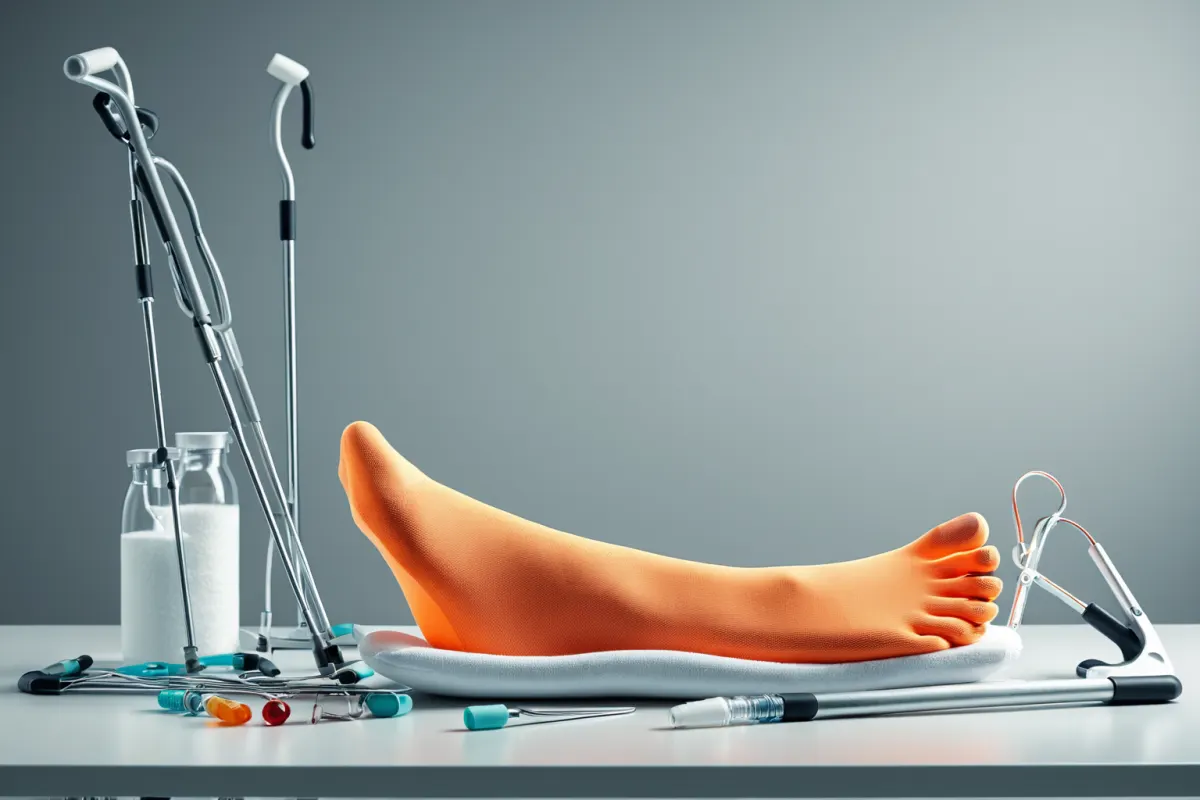
Essential Items to Prepare Before Surgery
You don't need anything extravagant for pre-surgery preparation. Simply replacing everyday items can make the early recovery phase much more comfortable. Consider slip-resistant slippers, foot elevation cushions, and waterproof covers for showers.
Your footwear matters too. After surgery, you'll need shoes with wider toe boxes and good cushioning rather than narrow dress shoes or stiff sneakers. Many people experience pain when trying to wear their old shoes post-surgery, leading to unnecessary follow-up visits—so include shoe replacement in your recovery plan.
Another often overlooked aspect is home layout. After surgery, climbing stairs may be difficult, so move frequently used items to waist height for easier access. Divide tasks that require a lot of foot movement like grocery shopping, pet walking, or childcare before the procedure.
Why Bunion Surgery Costs Vary
Bunion surgery costs vary based on surgical method, hospitalization needs, anesthesia type, and scope of examinations. Even for similar bunions, more severe deformities may require different treatments compared to early-stage cases, resulting in cost differences.
The key is not choosing the cheapest option but finding a plan that fits your specific foot condition. Deciding based solely on price might mean less attention to post-surgery care or rehabilitation guidance. When consulting with doctors, ask about follow-up visit frequency, duration of protective footwear use, and rehabilitation schedules for practical planning.
For example, if you have travel plans or important events coming up soon, it's often better to postpone surgery. Failing to account for the period when your foot will be swollen and uncomfortable can easily disrupt your schedule. When reviewing post-surgery experiences, consider not just pain levels but also daily activity return timelines and management approaches.
Healthy Habits That Support Faster Recovery
Recovery isn't complete with just medical treatment. After surgery, key habits include avoiding prolonged foot hanging, walking only within doctor-approved limits, and steering clear of activities that might cause swelling.
Nutrition-wise, consistent hydration and balanced meals matter more than special diets during recovery. It's common to feel tired easily during this period, so getting enough rest is important too. Avoid suddenly increasing walking distance just because pain decreases—this can lead to renewed swelling.
If you notice unusual heat or sudden sharp pain at the surgical site, contact your hospital immediately. Differentiating between normal post-surgery swelling and warning signs of complications helps reduce anxiety significantly.
Discomforts That May Occur if Surgery Is Delayed
Bunions often involve more than just cosmetic issues. Over time, the big toe may shift further inward, pressing against the second toe or spreading pain across the sole of the foot.
This is especially noticeable for people who stand for long periods or walk frequently—symptoms worsen despite changing shoes regularly. If pain persists after shoe changes, it's better to seek accurate diagnosis than delay bunion treatment. Once deformity progresses, recovery plans become longer and more complex.
Conversely, not all bunions require surgery. Early cases can sometimes be managed with wider footwear, orthotics, or lifestyle adjustments. However, if daily life is significantly affected by pain that occurs frequently, it may be time to seriously consider surgical options.
FAQ
Q1: Can I walk immediately after bunion surgery?
It depends on the surgical method, but in early stages, limited movement with protective footwear or crutches is common. Avoid putting too much weight until you follow doctor's instructions.
Q2: How long should I plan for recovery?
Light daily activities may be possible sooner, but swelling and discomfort can last longer. More demanding walking or exercise requires additional time to fully recover.
Q3: What's the first thing to prepare before surgery?
Foot elevation cushions, slip-resistant items, spacious shoes, and organizing your home layout should come first. Pre-arranging tasks that require foot movement also makes early recovery much easier.
Bunion surgery often requires more focus on recovery planning than just the surgical correction itself. By accurately assessing foot condition through pre-surgery tests and preparing for daily life, you can navigate recovery with less disruption than expected. Keep in mind that treatment standards and surgical methods may vary by hospital, so verify these details during your consultation.
Continue exploring similar topics.
View Category ArticlesFAQ
Can I walk immediately after bunion surgery?
It depends on the surgical method, but in early stages, limited movement with protective footwear or crutches is common. Avoid putting too much weight until you follow doctor's instructions.
How long should I plan for recovery?
Light daily activities may be possible sooner, but swelling and discomfort can last longer. More demanding walking or exercise requires additional time to fully recover.
What's the first thing to prepare before surgery?
Foot elevation cushions, slip-resistant items, spacious shoes, and organizing your home layout should come first. Pre-arranging tasks that require foot movement also makes early recovery much easier.
Korean Source
This article is an English localization of a Korean-language report from BlogScore. Original: 무지외반증수술 전 알아둘 것: 회복 기간과 준비