
What to Do When Seoul Issues a Major Heatwave Alert
Key Points Summary
Reasons Behind Seoul's First Major Heatwave Alert
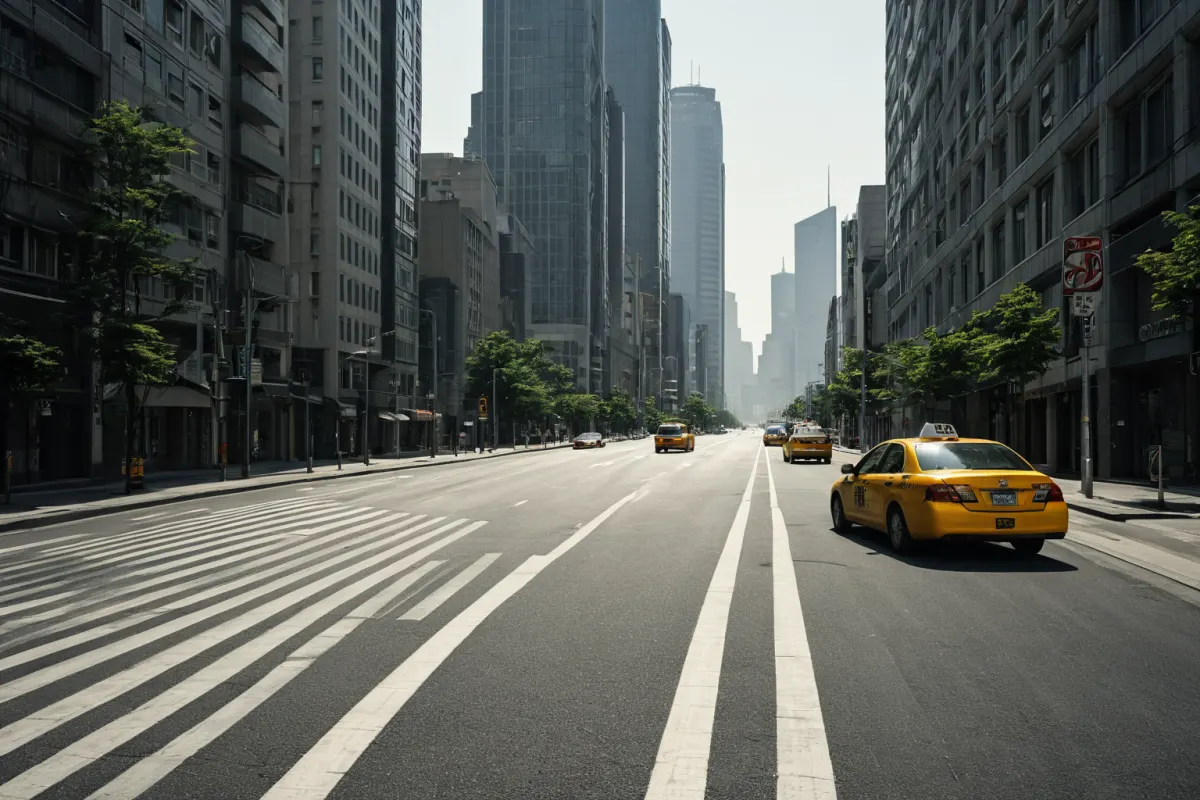
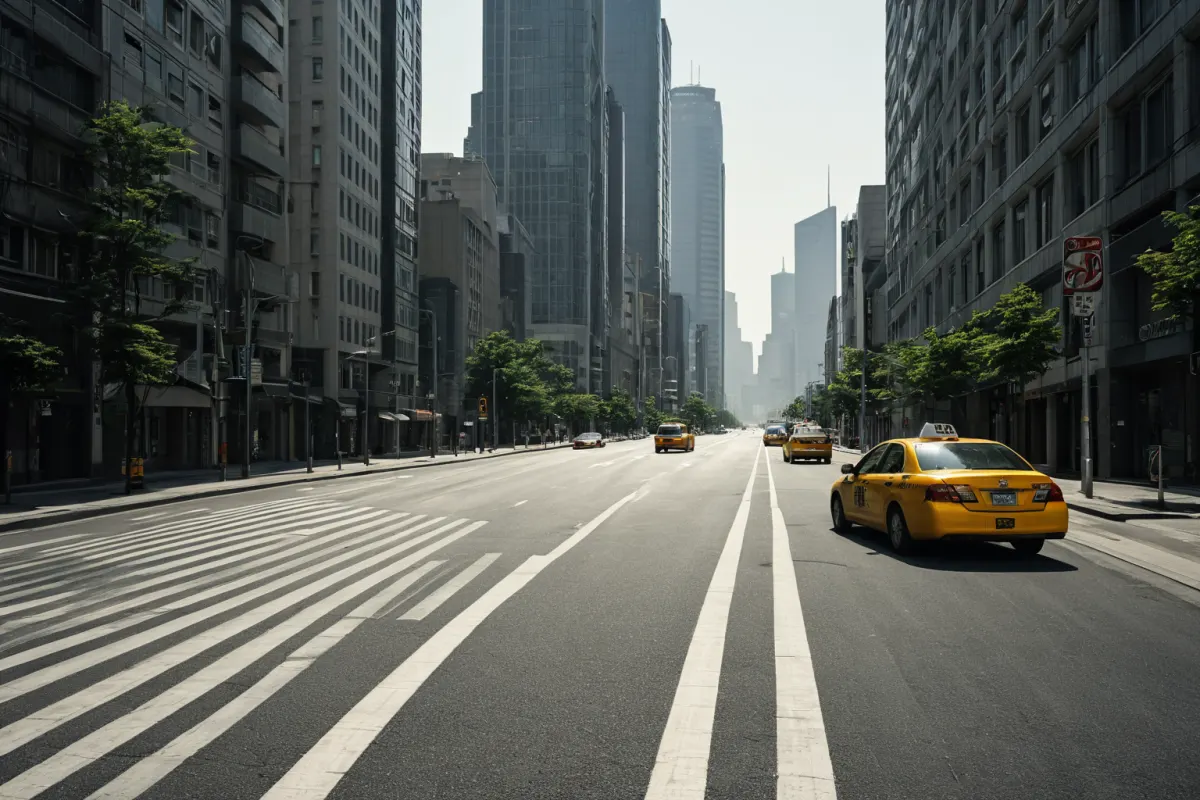
Seoul issued its first-ever major heatwave alert on August 4, 2026, due to extreme temperatures of 38-40°C forecasted by the Korea Meteorological Administration. The agency warned that this heatwave, intensified by tropical nights caused by Typhoon 'Dolphin,' would persist. The alert was initially scheduled to take effect from August 3, but was officially expanded on August 4. This marks the first time a major heatwave alert has been issued for the Seoul metropolitan area, resulting from a combination of nationwide heatwaves and tropical nights.
Health Risks During Heatwaves
Heatwaves are particularly dangerous for elderly individuals. According to Seoul City Health Center statistics, an average of 18 heat-related illnesses occur daily during heatwave periods, with over 70% affecting those aged 65 and older. The city has activated a tailored health monitoring system for the elderly due to a sharp increase in heatstroke deaths among this group. Additionally, vehicles can reach dangerously high internal temperatures even when parked without windows open or children left inside—a major hazard during heatwaves. Tropical nights, where nighttime temperatures remain above 25°C, make it difficult to regulate body temperature, requiring additional health precautions. The most pronounced tropical night effects were observed between August 5 and 7.
Seoul's Emergency Response Strategy
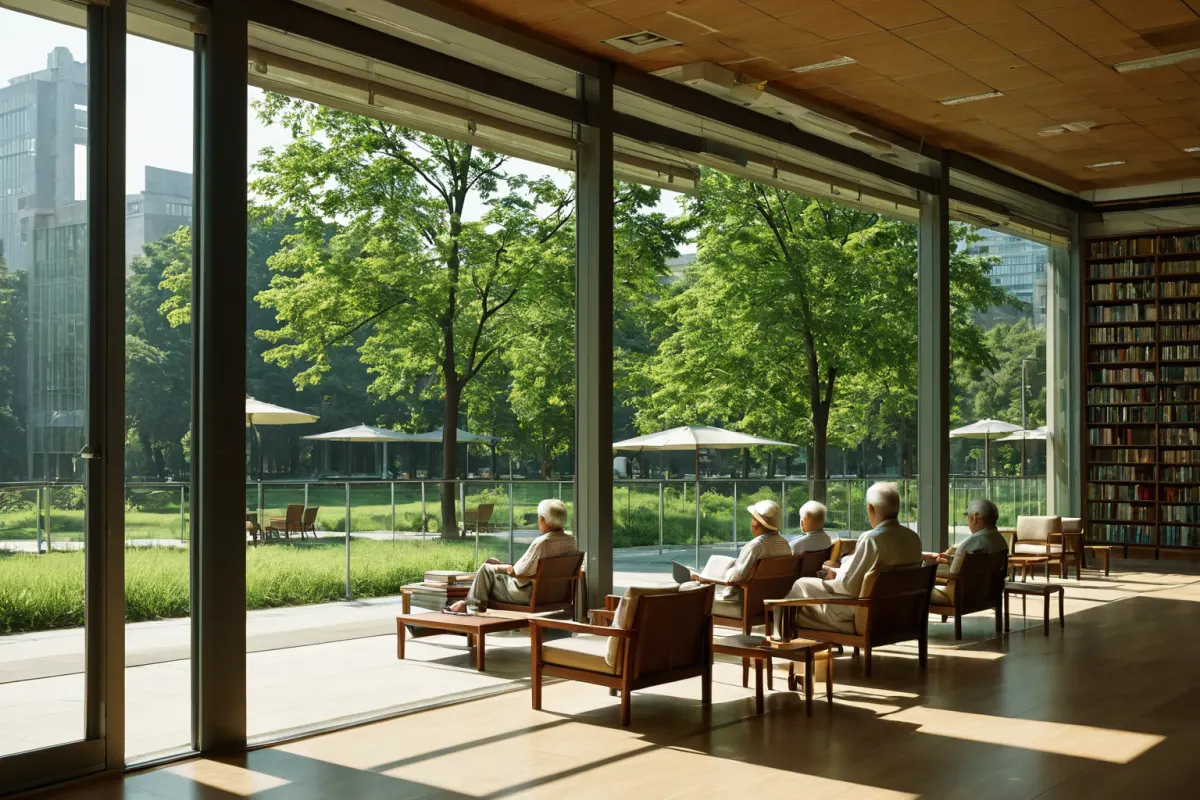
Seoul has adopted a 'Stop, Cool Down, Check' strategy to address the heatwave. This involves halting outdoor construction and cultural events while encouraging citizens to minimize unnecessary outings. Public facilities such as libraries, community centers, and department stores are being opened for residents to cool down. The city also reports increased use of delivery services during heatwaves, with a 25% rise in department store visitors compared to last year. In response, Seoul is expanding access to indoor spaces and running free water distribution campaigns at public venues.
Interaction Between Heatwaves and Typhoon
The Korea Meteorological Administration explained that this heatwave has been exacerbated by Typhoon 'Dolphin.' As the typhoon passed near the Korean Peninsula, it triggered tropical nights that prolonged the heatwave. Although Typhoon 'Dolphin' affected Seoul from August 3 to 5 with minimal rainfall but significant tropical nights, it caused continuous warm nighttime conditions—making temperature regulation more difficult for residents. The typhoon's influence accelerated temperature rises between August 4 and 6, directly contributing to the issuance of the major heatwave alert.
Practical Tips for Daily Life During Heatwaves
When going outdoors, always wear sun protection such as hats, sunglasses, and sunscreen. It's best to avoid direct sunlight between noon and 4 PM. Indoors, set air conditioning to a moderate temperature (26-28°C) rather than turning it off completely. Stay hydrated with fluids containing salt and electrolytes, and ensure regular check-ins with elderly family members or neighbors. During the tropical nights from August 5-7, maintaining indoor cooling and adequate hydration is especially critical.
Upcoming Schedule and Expected Temperatures
The Korea Meteorological Administration predicts that the major heatwave alert will continue until August 8, with temperatures potentially reaching up to 39°C. The highest temperatures are expected on August 6-7. Tropical nights will keep nighttime temperatures above 25°C, further extending the heatwave's impact. Seoul plans to announce additional response measures as the heatwave continues and will provide real-time updates through apps and text alerts. The weather agency will assess whether to issue further warnings between August 7-8, urging citizens to stay alert.
What You Need to Know
1. Seoul's major heatwave alert is in effect from August 4-8, so minimizing outdoor activities during this period is recommended.
2. To reduce the risk of heatstroke among elderly individuals, regular check-ins and temperature monitoring are essential.
3. Never leave children or pets inside parked vehicles as internal temperatures can rise rapidly.
4. During heatwaves, indoor cooling and adequate hydration are crucial; consider using department stores and other public facilities for relief.
5. Typhoon 'Dolphin' contributed to the prolonged tropical nights that intensified the heatwave.
FAQ
Q: Why should you avoid going out when a major heatwave alert is issued?
A: A major heatwave alert indicates temperatures are expected to exceed 38°C. Going outside significantly increases the risk of heatstroke, especially for elderly people and children.
Q: How high can vehicle interior temperatures rise?
A: Vehicle interiors can increase by over 10°C within 30 minutes when exposed to sunlight. Leaving children or pets in a parked car during such conditions can lead to severe heatstroke, so it's critical to avoid this practice.
Q: What measures is Seoul taking to respond to the heatwave?
A: Seoul has implemented a 'Stop, Cool Down, Check' strategy by halting outdoor construction and cultural events. Public facilities such as libraries, community centers, and department stores are open for residents to cool down, with expanded access due to increased demand during the heatwave.
You can find more articles on this topic in one place.
View Related ArticlesFAQ
Why should you avoid going out when a major heatwave alert is issued?
A major heatwave alert indicates temperatures are expected to exceed 38°C. Going outside significantly increases the risk of heatstroke, especially for elderly people and children.
How high can vehicle interior temperatures rise?
Vehicle interiors can increase by over 10°C within 30 minutes when exposed to sunlight. Leaving children or pets in a parked car during such conditions can lead to severe heatstroke, so it's critical to avoid this practice.
What measures is Seoul taking to respond to the heatwave?
Seoul has implemented a 'Stop, Cool Down, Check' strategy by halting outdoor construction and cultural events. Public facilities such as libraries, community centers, and department stores are open for residents to cool down, with expanded access due to increased demand during the heatwave.
Korean Source
This article is an English localization of a Korean-language report from BlogScore. Original: 서울 폭염중대경보 발령 시 외출 시 주의해야 할 점