
What to Do When a Drought Warning is Issued in Busan: A Real-Time Response Guide
How Residents Should Respond to a Drought Warning in Busan
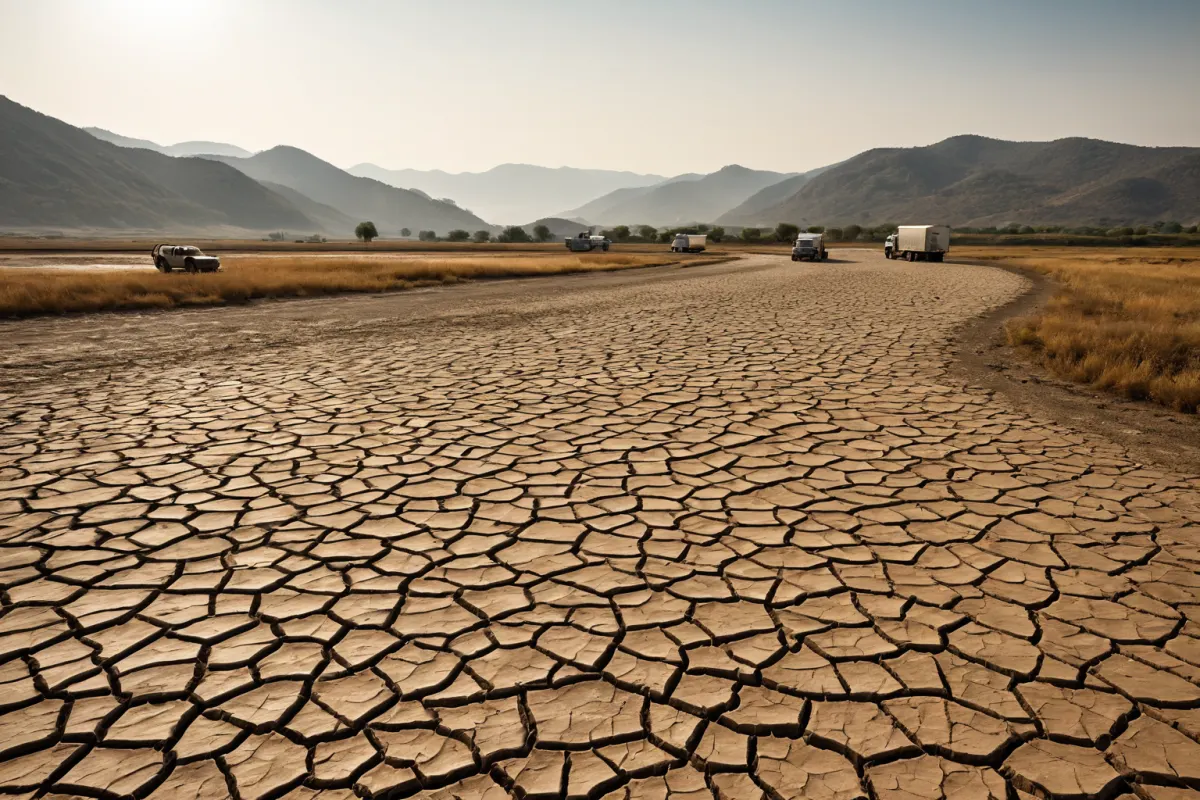
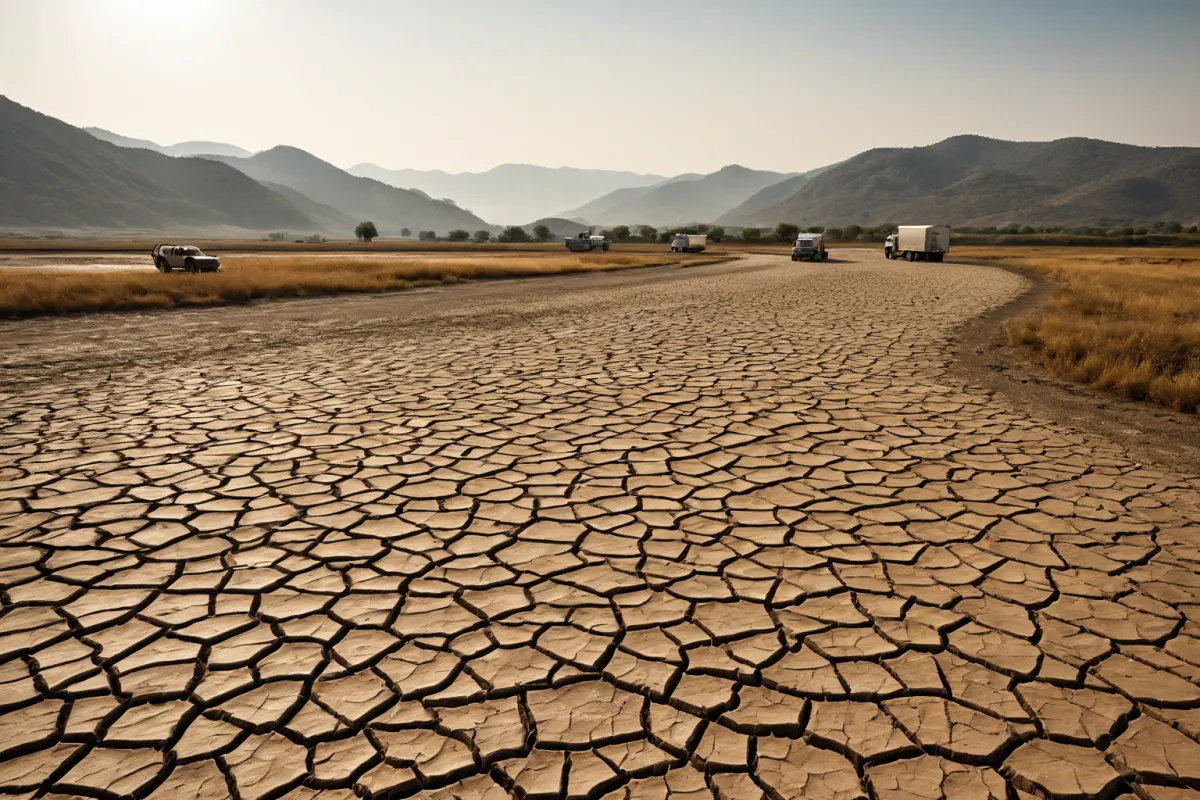
The Busan and Gyeongsang Province areas have experienced rainfall amounting to only 22.4% of the average over the past month, leading to severe drought conditions. While the government and Fire and Disaster Management Agency have activated national water tanker mobilization orders, deploying 200 water tankers nationwide, the Central Disaster and Safety Headquarters has been inactive for 14 years, resulting in insufficient guidance for residents' responses. The agricultural drought 'Warning' level has expanded to include Changwon Special Self-Governing City and 11 other districts including Gimhae, Jinju, and Haman, with low reservoir levels and deteriorating water quality at drinking water sources.
Current Drought Situation
Rainfall in Busan and Gyeongsang Province has decreased by 77.6% compared to the average over the past month, prompting a concentrated response effort for drought conditions in southern regions. On August 11, the Fire and Disaster Management Agency activated the national water tanker mobilization order, deploying 200 water tankers from across the country to Gyeongsang Province. Simultaneously, the agricultural drought 'Warning' level has been expanded to include Changwon Special Self-Governing City and districts including Gimhae, Jinju, and Haman.
Reservoir levels in Busan, Ulsan, and Gimhae are low, with deteriorating water quality at drinking water sources due to reduced rainfall. Algal blooms have rapidly increased at Busan's drinking water sources, worsening water quality—a direct consequence of the drought. The government predicts continued dry weather through August and September.
Government and Fire Agency Response Measures
The Fire and Disaster Management Agency has activated a national water tanker mobilization order to respond to drought conditions in Gyeongsang Province, deploying 200 water tankers nationwide. Specifically, Changwon Special Self-Governing City has expanded the 'Warning' level for agricultural drought and activated the national water tanker mobilization order to support agricultural water supply. However, the Central Disaster and Safety Headquarters has remained inactive for 14 years, resulting in a lack of specific guidelines for resident responses.
Drought warnings have also been issued across eight districts in Daegu and North Gyeongsang Province as major dam reservoir levels plummet. Drought conditions are now affecting a total of 25 areas across southern regions, leading to concentrated media coverage on agricultural price fluctuations and drinking water emergencies.
Specific Impacts of the Agricultural Drought 'Warning' Level
The agricultural drought 'Warning' level has expanded to include Changwon Special Self-Governing City and 11 other districts including Gimhae, Jinju, and Haman, indicating a crisis in agricultural water supply. In Busan, low reservoir levels have led to deteriorating drinking water quality. Specifically, Busan's drinking water sources have seen rainfall halved and algal blooms rapidly increase, worsening water quality.
The government predicts continued dry weather through August and September, suggesting the drought situation may worsen. Agricultural price fluctuations are already occurring, directly linked to the drought conditions.
Essential Information for Residents' Response
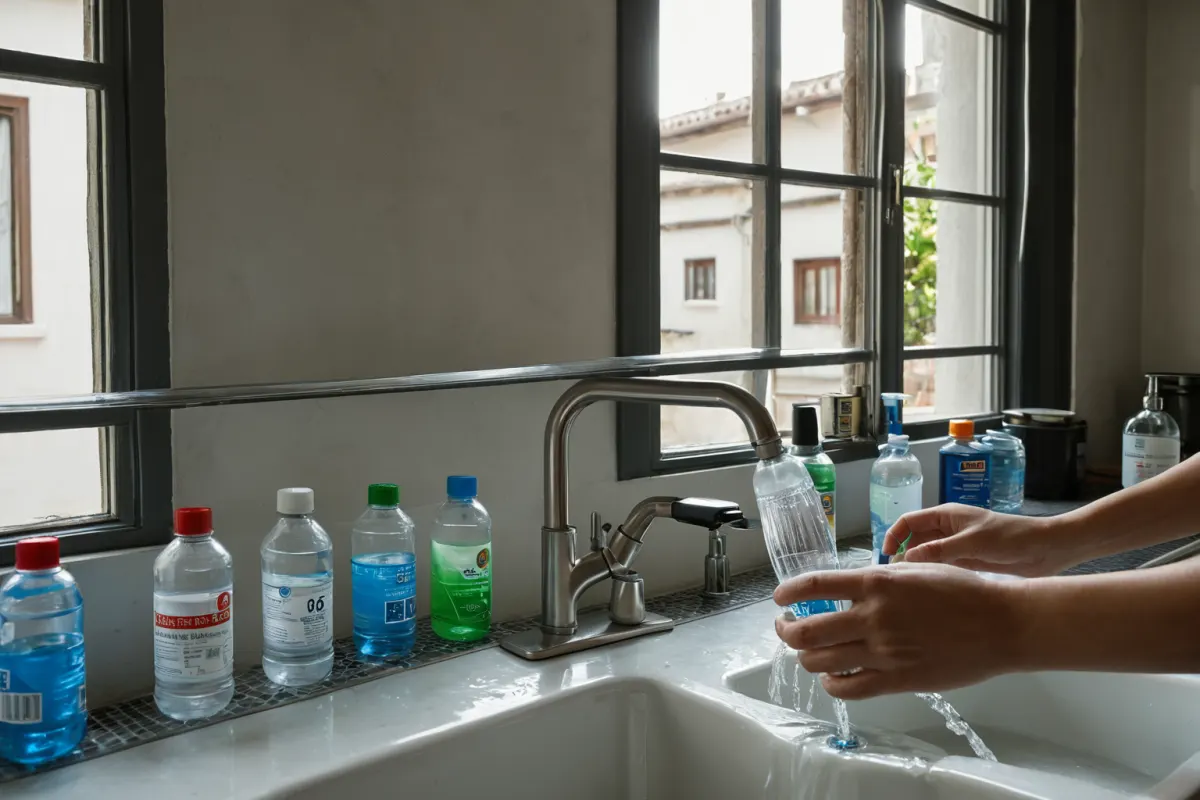
When a drought warning is issued, residents should: First, minimize water usage and avoid unnecessary consumption. Second, since drinking water supply may be disrupted due to deteriorating water quality, it's advisable to stock up on sufficient water in advance. Third, consistently monitor government-provided drought-related information and comply with response measures.
During the agricultural drought 'Warning' level, agricultural water support is prioritized, making it crucial for residents to conserve daily water use. Additionally, to prevent health issues from deteriorating drinking water quality, residents should check government-provided water quality information and prepare emergency drinking water plans if necessary.
Important Considerations During Drought Warnings
Residents in residential areas should be cautious of increased fire risks due to drought conditions. Dry weather heightens the likelihood of fires, so minimizing activities involving flames and exercising caution when using open flames is essential. Additionally, preparing emergency drinking water measures in advance is important given potential shortages.
Drought warnings may lead to agricultural price fluctuations, so residents should plan purchases in advance and avoid unnecessary shopping. If eligible for government-supported agricultural water, check the application procedures and actively participate.
Causes and Trends of the Drought Situation
The drought in Busan and Gyeongsang Province is directly caused by a 77.6% decrease in rainfall compared to average levels over the past month—a key factor driving concentrated response efforts for southern drought conditions. While the government and Fire Agency have deployed 200 water tankers, the Central Disaster and Safety Headquarters has remained inactive for 14 years, resulting in inadequate responses.
Drought conditions are affecting a total of 25 areas across southern regions, primarily spreading from Gyeongsang Province. Particularly, low reservoir levels in Busan, Ulsan, and Gimhae have led to deteriorating drinking water quality, causing agricultural price fluctuations and potential drinking water emergencies.
Information Residents Should Check During Drought Warnings
When a drought warning is issued, residents should: First, consistently monitor government announcements related to drought and follow response measures. Second, check regional reservoir levels and water quality conditions to prepare emergency drinking water plans. Third, if eligible for agricultural water support, verify the application procedures and actively participate.
Residents should regularly check information provided by the government and Fire Agency regarding drought conditions. Specifically, they should monitor reservoir levels and deteriorating water quality at Busan, Ulsan, and Gimhae drinking water sources, preparing emergency drinking water plans as needed.
Frequently Asked Questions
How can residents conserve water during a drought warning?
Avoid unnecessary water use, minimize water during washing, and prioritize essential water needs for drinking supply.
Can agricultural price fluctuations occur during a drought warning?
Yes, reduced agricultural production due to drought may lead to price fluctuations. Residents should plan purchases in advance and avoid unnecessary shopping.
What measures should be taken against deteriorating water quality at drinking sources during a drought warning?
Check government-provided water quality information and prepare emergency drinking water plans. If supply disruptions occur, it's advisable to stock up on sufficient water in advance.
Frequently Asked Questions
The drought situation in Busan and Gyeongsang Province is severe, requiring immediate resident action. While the government and Fire Agency have deployed 200 water tankers under a national mobilization order, the Central Disaster and Safety Headquarters has been inactive for 14 years, leading to inadequate responses. Residents should minimize unnecessary water use during drought warnings, prioritize essential drinking water needs, and regularly check government information to prepare emergency plans. If the drought continues, agricultural price fluctuations and drinking water emergencies may worsen, so residents should prepare in advance and stay informed through official announcements.
You can view similar articles on this topic all at once.
View Related ArticlesFAQ
How can residents conserve water during a drought warning?
Avoid unnecessary water use, minimize water during washing, and prioritize essential water needs for drinking supply.
Can agricultural price fluctuations occur during a drought warning?
Yes, reduced agricultural production due to drought may lead to price fluctuations. Residents should plan purchases in advance and avoid unnecessary shopping.
What measures should be taken against deteriorating water quality at drinking sources during a drought warning?
Check government-provided water quality information and prepare emergency drinking water plans. If supply disruptions occur, it's advisable to stock up on sufficient water in advance.
Korean Source
This article is an English localization of a Korean-language report from BlogScore. Original: 부산 가뭄 경계 발령 시 주민이 해야 할 일, 실시간 대응 가이드