
What to Do Immediately After a Silk Snake Bite
What to Do Immediately After a Silk Snake Bite
If bitten by a silk snake, never tightly bind or suck out the venom—it’s critical to seek medical care immediately. Elevate the bite area toward the heart to slow venom spread, keep it still, and clean the wound gently. Silk snakes are common venomous snakes in South Korea, with increased activity during autumn leading to higher risk of bites.
Emergency Care: What NOT to Do After a Snake Bite
Never tightly bind or suck out venom after a silk snake bite—it can accelerate venom spread and disrupt blood flow, increasing risks like tissue death or infection. Experts warn such methods may raise fatality rates. Due to the nature of snake venom, pressure or sucking can cause vascular damage, worsening outcomes.
Seek medical care immediately—snake bites are more common from July to September (autumn), so be cautious during outdoor activities. Snakes aren’t typically aggressive but may bite defensively; move carefully in areas where snakes might be present.
Managing the Bite: Proper Wound Care
Elevate the bite area toward the heart to prevent venom from spreading through blood flow. Keep the area still and prepare for medical transport in a comfortable position. For limb bites, raise above the wound; for body or neck areas, tilt slightly toward the heart.
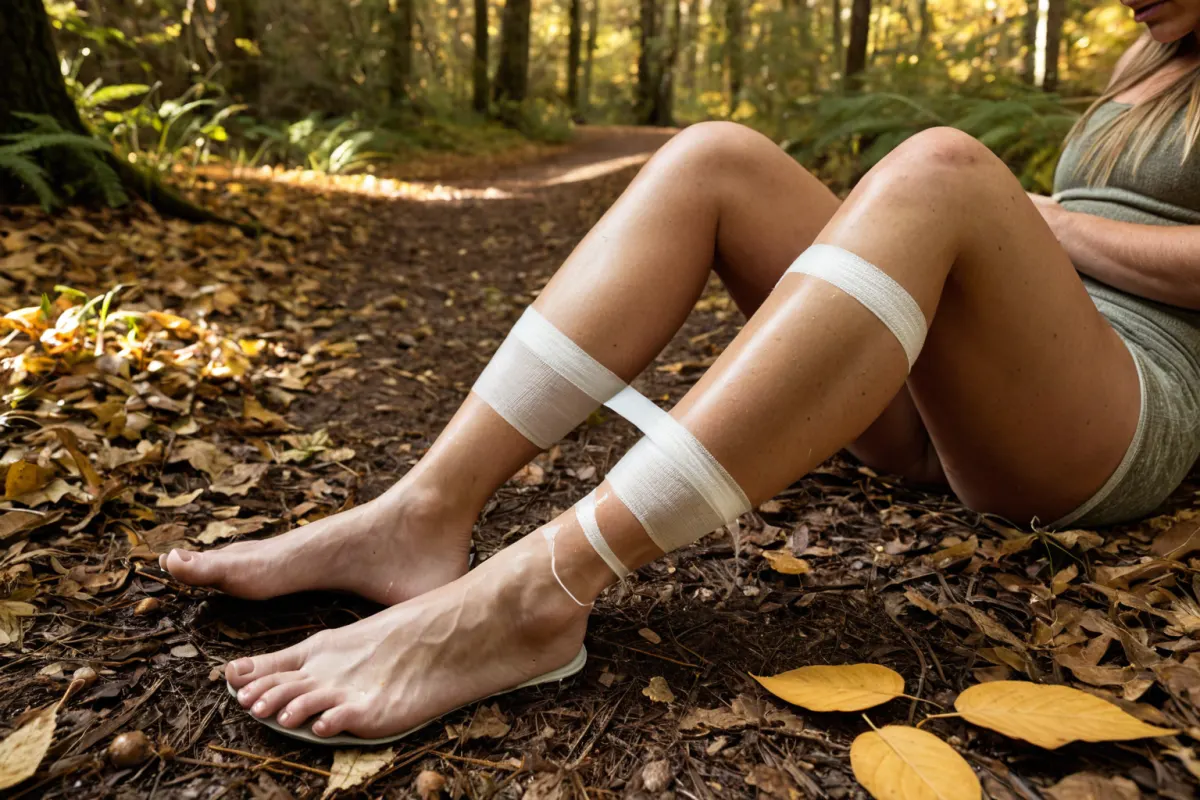
Clean the wound with clean water and apply pressure bandages carefully—avoid tight binding to prevent tissue damage. Ensure fingers or toes maintain normal color to confirm blood flow isn’t blocked.
Peak Season for Snake Bites & Prevention Tips
Bite incidents peak from July to September (autumn). When hiking or outdoors, wear light-colored long-sleeve clothing to deter snakes and minimize skin exposure. Always check surroundings carefully when walking trails or in grassy areas—snakes are more active in warm conditions, making daytime hikes riskier.
Do NOT take photos: Avoid photographing the snake to confirm species—it wastes critical time during emergencies. Experts stress immediate hospital transport is priority; photo-taking causes unnecessary delays.
Responding to Severe Symptoms
If symptoms like vomiting, confusion, or breathing difficulties appear, seek emergency care immediately—these indicate severe venom poisoning and delay can be life-threatening. Other serious signs include headaches, blurred vision, and low blood pressure.
Avoid running; sit calmly during transport to prevent speeding venom spread. Ask for help or call an ambulance if possible.
Prevention Strategies & Safety Tips
To avoid autumn snake bites, wear light-colored long sleeves—this makes snakes more visible and reduces skin exposure. Check surroundings thoroughly near grassy areas or rocks, where snakes often hide.
Before hiking, check the area for known snake habitats and avoid them if possible. When resting on trails, sit away from grass or rocks and stay alert to your surroundings. Snakes rarely attack but may bite defensively—stay cautious in snake-prone zones.
Debunking Myths: Snake Bite Misconceptions
Many mistakenly believe sucking venom out or tightly binding the area helps—but experts confirm this worsens outcomes by accelerating venom spread. Snake venom spreads rapidly through blood, and additional pressure can be fatal.
Bite incidents increase in autumn; stay alert during outdoor activities. Snakes aren’t aggressive but may bite defensively—always watch your surroundings while hiking.
FAQ: How to Respond to a Silk Snake Bite
What should I do first after a silk snake bite? Seek medical care immediately—never bind or suck venom.
Does elevating the bite toward the heart slow venom spread? Yes, elevating the area toward the heart controls blood flow and slows venom movement.
What’s a simple tip to prevent autumn snake bites? Wear light-colored long sleeves and carefully check your surroundings near trails or grassy areas.
Frequently Asked Questions
Immediately seek medical care after a silk snake bite—never use incorrect first aid like binding or sucking, as this can worsen venom spread. During autumn hikes, wear light-colored long sleeves and stay alert to avoid bites; if bitten, sit calmly during transport and visit a hospital for severe symptoms.
You can view similar articles on this topic all at once.
View Related ArticlesFAQ
What should I do first after a silk snake bite?
Seek medical care immediately—never bind or suck venom.
Does elevating the bite toward the heart slow venom spread?
Yes, elevating the area toward the heart controls blood flow and slows venom movement.
What’s a simple tip to prevent autumn snake bites?
Wear light-colored long sleeves and carefully check your surroundings near trails or grassy areas.
Korean Source
This article is an English localization of a Korean-language report from BlogScore. Original: 비단뱀 사람에 물렸을 때 즉시 해야 할 일