
What to Do if Cardiac Arrest Occurs During Sedated Endoscopy?
Emergency Response for Cardiac Arrest During Sedated Endoscopy
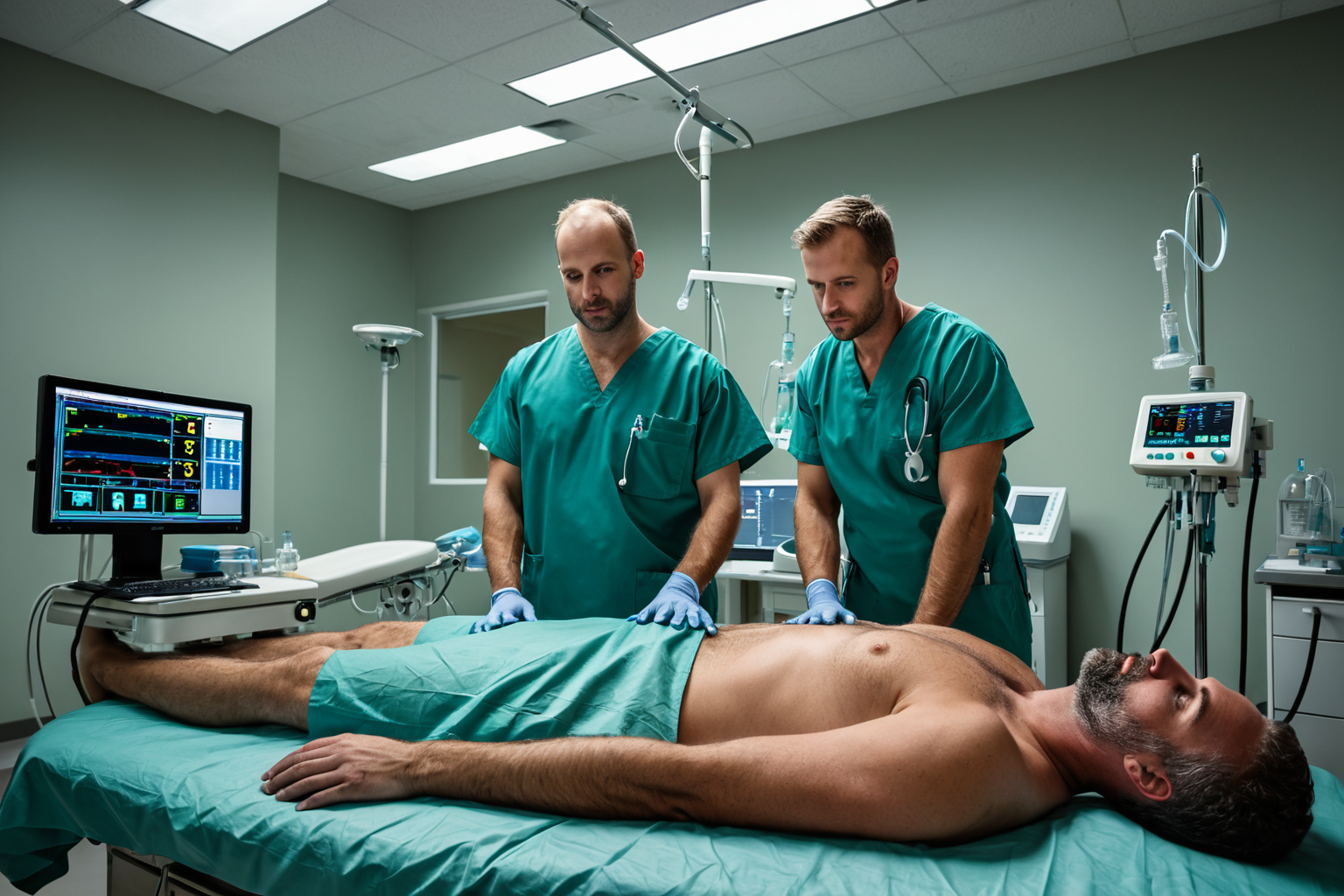
If cardiac arrest occurs during a sedated endoscopy, medical staff immediately begin emergency procedures. Anesthesiologists and gastroenterologists work together to assess the patient's breathing and pulse, providing oxygen and performing chest compressions as needed. If the cause is excessive sedative use—such as propofol—or respiratory distress leading to low oxygen levels, immediate oxygen administration and airway management are critical. Medical staff must accurately evaluate the patient's breathing before starting chest compressions, and may provide rescue breathing to maintain oxygen supply.
Administering proper emergency care within one minute of cardiac arrest can significantly reduce the risk of brain damage. Recent studies show that survival rates more than double when oxygen and chest compressions begin within three minutes of cardiac arrest. Therefore, medical staff must conduct thorough real-time monitoring during procedures to enable early detection.
Cases of Cardiac Arrest and Legal Issues
In April 2026, a legal dispute began regarding a 40-year-old patient who remained in a coma for 100 days after a sedated endoscopy. The case centered on excessive anesthetic use and the appropriateness of emergency response, with some cases involving investigations into negligence resulting in death. Specifically, medical staff were criticized for failing to monitor the patient's breathing or properly adjust propofol dosage.
A 60-year-old patient died from cardiac arrest during a sedated endoscopy in Hwaseong on September 18, 2026. The cause is believed to be low oxygen levels due to excessive anesthetic use or respiratory distress leading to brain damage. Family members raised concerns about automatic text messages sent after the examination, but this was not directly linked to the cause of death. Legal disputes focused on whether medical staff detected changes in the patient's breathing status.
On July 6, 2026, an investigation into negligence resulting in death was initiated following cardiac arrest during a sedated endoscopy. In this case, the patient showed respiratory distress but did not receive timely intervention, leading to cardiac arrest and delayed emergency response. Conversely, in one colonoscopy-related brain injury lawsuit, the court ruled that medical staff were not at fault, likely due to proper anesthetic management and appropriate emergency measures.
Causes of Cardiac Arrest and Prevention Through Monitoring
Cardiac arrest during sedated endoscopy typically results from excessive anesthesia or respiratory distress causing low oxygen levels. This can lead to brain damage or death, making pre-procedure anesthetic assessment and real-time monitoring of breathing status essential. Propofol dosage control is particularly critical; overuse can have severe consequences.
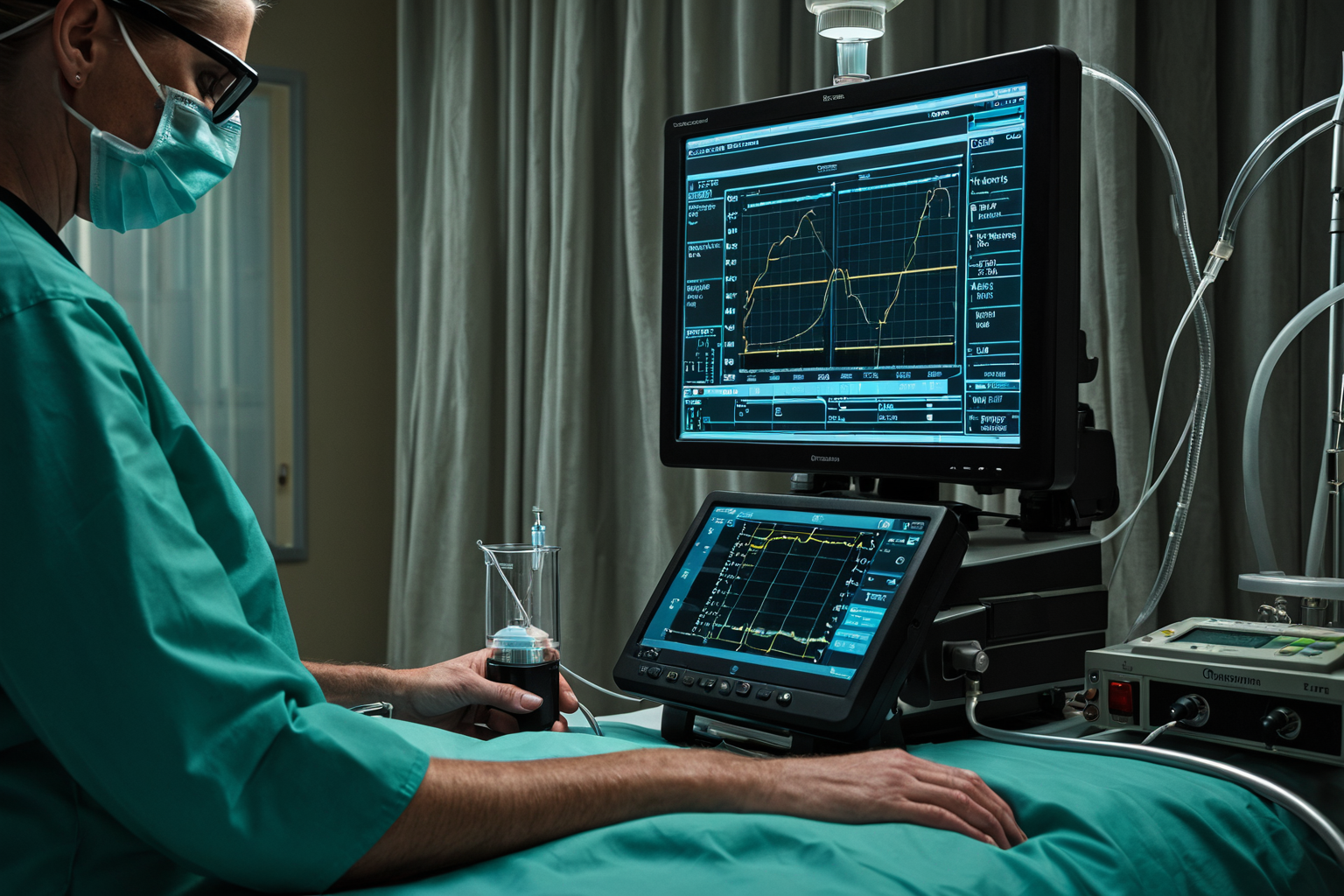
Medical staff continuously monitor the patient's breathing patterns and oxygen saturation, administering oxygen or airway management when necessary. During procedures, specialized monitoring equipment should track heart rate and oxygen saturation in real time, with anesthetic doses adjusted based on the patient's response. It is also important to identify pre-existing respiratory conditions or allergies before the procedure.
The importance of real-time monitoring has been emphasized by recent medical advancements. For example, wireless sensor-based breathing monitoring systems now allow for quicker detection of changes in patient status. These technological improvements help prevent cardiac arrest and enable prompt response when it occurs.
Preparation for Safe Examination
Before a sedated endoscopy, patients must have an anesthetic management plan in place. Discuss with medical staff any pre-existing conditions, allergies, or medications to ensure proper preparation. Patients with hypertension or heart disease may require additional tests and evaluations.
During the procedure, breathing status and heart rate should be monitored in real time, with immediate action taken if oxygen saturation drops. Anesthetic dosage must be adjusted according to the patient's weight and response. For example, for a 70kg patient receiving propofol, the typical starting dose is 1-2mg/kg, adjusted based on the patient's reaction.
It is also important to confirm that patients have not eaten before the procedure to prevent aspiration of stomach contents into the airway. Medical staff should closely observe physical responses during the exam to detect any abnormal signs and respond immediately if necessary.
Response by Case and Legal Considerations
The July 6, 2026 case involved an investigation into negligence resulting in death following cardiac arrest during a sedated endoscopy. The issue centered on excessive anesthetic use and delayed emergency response, with medical staff criticized for failing to detect breathing changes or respond appropriately.
Conversely, in one colonoscopy-related brain injury lawsuit, the court ruled that medical staff were not at fault, likely due to proper anesthetic management and timely emergency measures. Specifically, continuous monitoring of breathing status and immediate oxygen administration when saturation levels dropped received positive evaluation.
In legal disputes, medical expertise and prompt response are crucial. Recent technological advancements have improved the accuracy and speed of emergency responses during cardiac arrest, which can positively impact legal outcomes as well.
Key Information to Check and Precautions
If cardiac arrest occurs during a sedated endoscopy, immediate medical response is critical. Medical staff should assess breathing and pulse, begin oxygen administration, and perform chest compressions if necessary. Most importantly, appropriate intervention within one minute of cardiac arrest can minimize the risk of brain damage.
Pre-procedure anesthetic assessment and real-time monitoring during the procedure are essential preventive measures. Propofol and other sedatives require precise dosage control to avoid serious consequences from overuse. Patients with pre-existing respiratory conditions should be identified beforehand for proper preparation.
Readers should ensure they discuss their health status thoroughly with medical staff before a sedated endoscopy. During the procedure, patients should immediately report any breathing difficulties or other symptoms.
Frequently Asked Questions
If cardiac arrest occurs during sedated endoscopy, emergency procedures begin immediately. Medical staff assess breathing and pulse, provide oxygen, and perform chest compressions as needed.
Cardiac arrest caused by excessive anesthetic use can be prevented through pre-procedure assessment and real-time monitoring during the procedure.
In legal disputes over cardiac arrest, key issues include proper dosage adjustment of medications and appropriateness of emergency response. Proper anesthetic management and timely action determine whether negligence is determined.
You can view similar articles in one place.
View Related ArticlesFAQ
What happens if cardiac arrest occurs during a sedated endoscopy?
Medical staff immediately begin emergency procedures, assessing breathing and pulse while providing oxygen and chest compressions as needed.
Can cardiac arrest from excessive sedative use be prevented?
Yes, through pre-procedure assessment and real-time monitoring of the patient's condition during the procedure.
What legal issues arise in cases of cardiac arrest during endoscopy?
Legal disputes often focus on proper medication dosage adjustment and appropriate emergency response timing.
Korean Source
This article is an English localization of a Korean-language report from BlogScore. Original: 수면내시경 중 심정지가 발생하면 어떻게 해야 하나요?