
What to Compare Before Buying Used RoboStar Automation Equipment
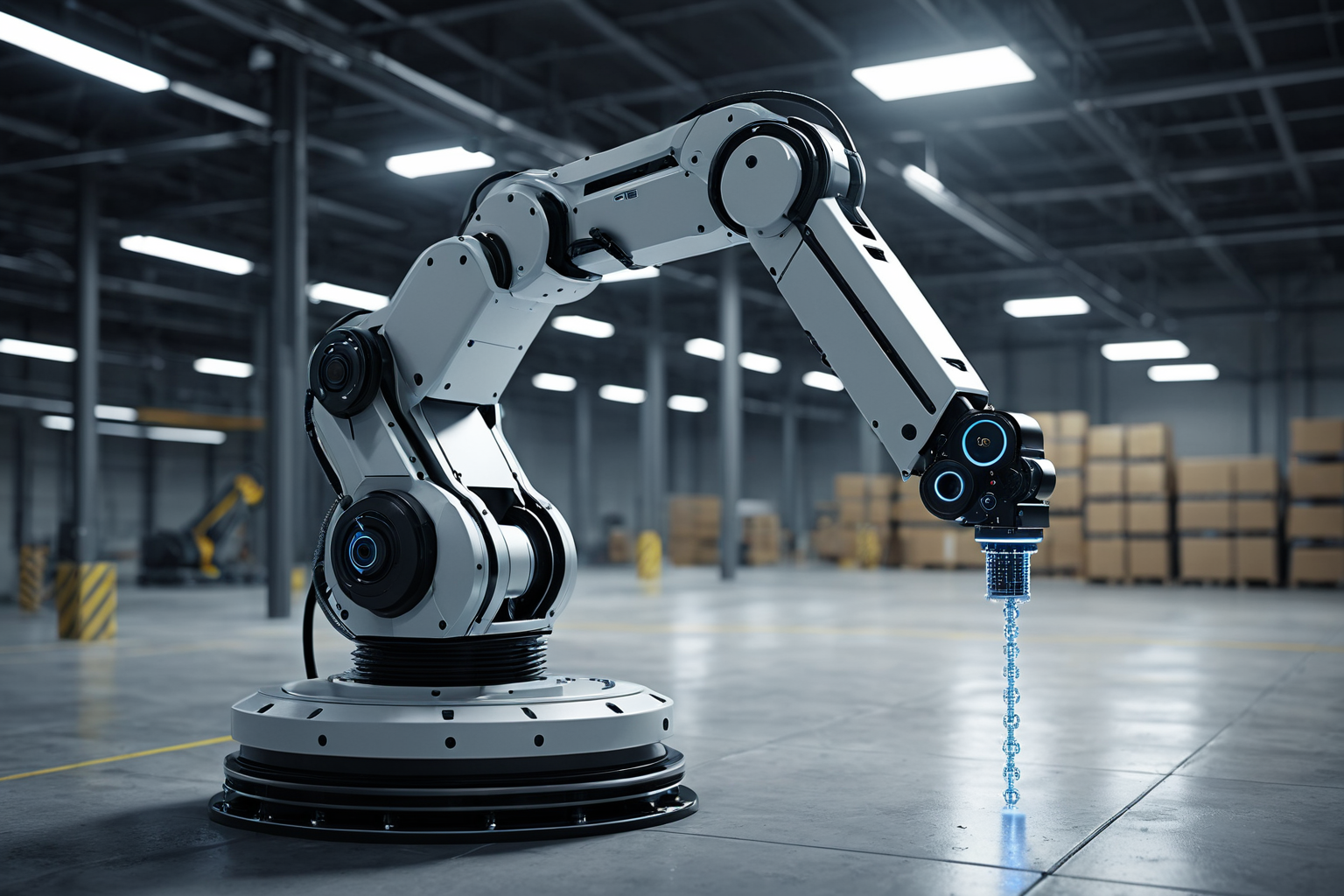
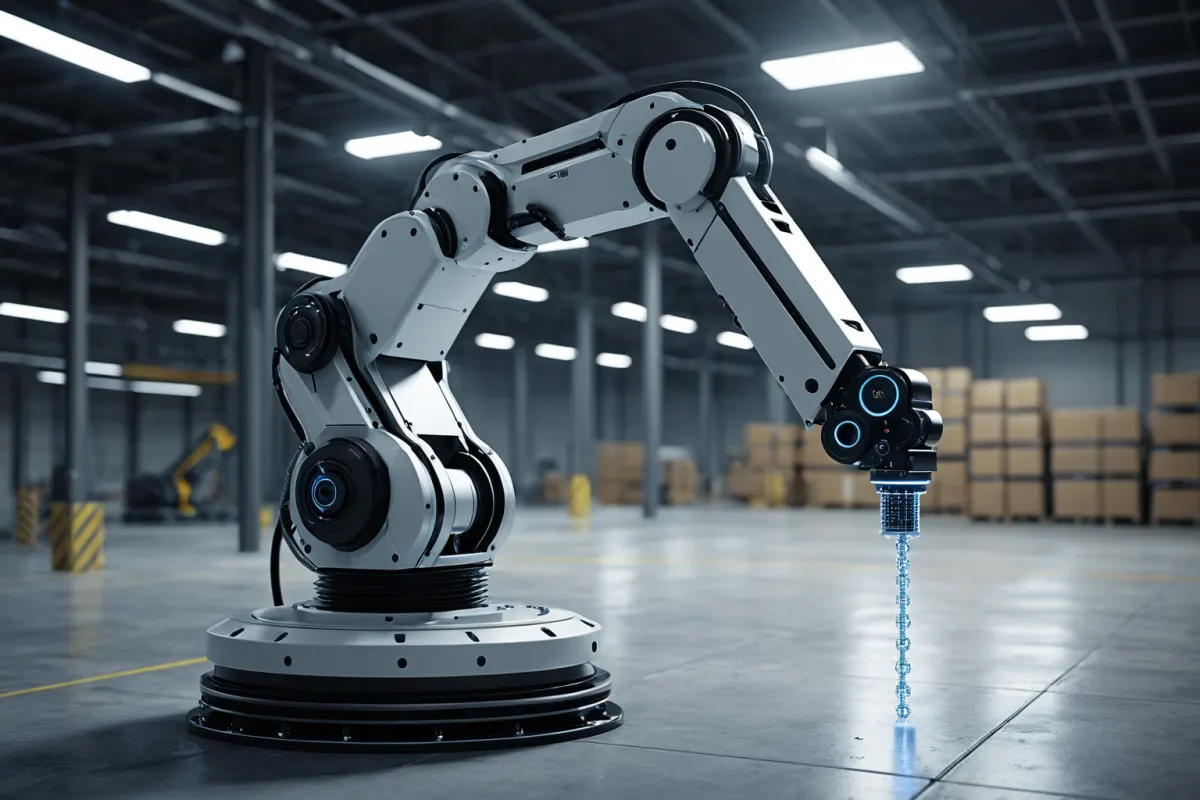
Before buying used RoboStar automation equipment, the first thing to check isn't price—it's whether it will integrate directly with your current setup. Even if models look similar, differences in communication methods, controller compatibility, power specifications, and component conditions can cause installation issues. Therefore, before purchasing, prioritize checking operational history, repairability, and availability of spare parts over appearance.
Used automation equipment may appear to be in good condition but often has issues with consumable components like servo motors, cylinders, PLCs, cables, and teaching pendants. RoboStar equipment is no exception, so relying solely on single-unit pricing can lead to unexpected additional costs. Especially if you plan to integrate the equipment directly into your production line, ensure all components are included and that maintenance records exist.
Key Items to Verify Before Buying Used RoboStar Automation
The first thing to verify is the exact model name and serial number. RoboStar has many similar-looking units, so judging based on appearance alone can lead to costly mistakes. Even within the same series, differences in controller versions or options can affect compatible peripheral devices.
Next, check the drive component condition. It's not enough for the robot body to move; you should also assess repeatability accuracy, unusual noise, vibration, and homing errors. A common on-site method is to power up the equipment and slowly move each axis while checking for binding at specific points.
For example, when inspecting a used multi-joint robot, check if the end effector moves smoothly, if brakes engage properly, and if alarms don't repeat. If servo motors are included in the package, verify encoder status and heat levels. What seems fine initially may overheat after 10 minutes of operation, leading to immediate replacement costs.
You can find similar articles all in one place.
View Related ArticlesWhy Component Condition Changes Price
Used automation equipment is often priced based on peripheral components, not just the main unit. When items like used PLCs, cylinders, servo motors, power supplies, and sensors are included, installation complexity decreases. Conversely, missing even one or two parts can lead to additional purchase costs. Especially for RoboStar equipment, clean maintenance of the control system is crucial for smooth restarts.
Used cylinders should move smoothly without air leaks at stroke endpoints, and used PLCs must support program backups. Without backup files, transferring existing processes becomes difficult, increasing external engineering costs. This aspect relates more to practical usability than simple fault status.
In reality, even the same RoboStar used automation may have a higher price but lower total cost if all components are functional. Conversely, a cheaper main unit might lead to higher overall costs due to cable replacement, servo tuning, and controller checks. So, don't just compare prices—calculate recovery costs as well.
How to Verify Seller Reliability and History
Information transparency varies by seller for used equipment. Instead of judging based on a few photos, it's better to request actual operational videos and maintenance records. Videos should show more than just power-on; they should demonstrate repeated operations, axis movement, and alarm status.
Another important factor is the pre-removal usage environment. Equipment used in dusty environments, high-humidity areas, or 24/7 continuous operation lines may have faster internal wear than appearance suggests. This applies to other brands like NACHI as well—management conditions ultimately determine lifespan.
For example, companies specializing in used equipment like DKE Exhibition should provide detailed equipment descriptions, allow separate part sales, and offer post-installation support. If communication is poor after purchase, even minor errors can delay operations.
Checking Installation Compatibility and On-Site Applicability
For used RoboStar automation, installation compatibility often matters more than the purchase price itself. Power specifications, communication ports, control methods, and safety circuits must align with your current processes for actual use. Equipment may be available, but if it doesn't integrate with surrounding systems, additional modifications will be needed.
Especially when integrating into existing lines, verify installation space and operational range. Robots don't just rotate—they must fit around fixtures, conveyors, and sensor positions. Even a slight difference in arm length can cause interference, requiring repositioning.
A small example: When importing RoboStar equipment for box handling, the gripper height may not match current conveyor heights, necessitating new bracket fabrication. While the equipment itself is fine, additional construction costs arise, so it's essential to measure on-site dimensions before purchasing.
Example Pre-Purchase Checklist
Here are practical items to check for immediate use:
- Verify exact model name, serial number, and production year
- Check power specifications and controller compatibility
- Confirm inclusion of servo motors, cylinders, and PLCs
- Request operational videos and alarm records
- Inquire about repairable components and replacement costs
- Evaluate installation space, interference, and safety device integration
This checklist may seem complex, but sequence matters. First check compatibility, then condition, and finally price. Prioritizing price first often leads to missing parts or additional construction costs.
Common Mistakes in Used Purchases
The most common mistake is trusting the statement that "it works" without verification. Short movements differ significantly from stable long-term operation. If possible, run multiple test cycles before purchasing.
Another frequent error is ignoring consumable replacement timing. Components like belts, batteries, sensors, and cables often cause issues without visible signs. Even if appearance seems clean, hardened internal wiring can lead to failures after installation.
In practice, people say "the main unit is fine, just replace parts," but replacement parts may be discontinued. In such cases, securing additional used automation components upfront is safer, especially for industries where production halts cause significant losses.
Practical Metrics Beyond Price
When choosing RoboStar used automation, focus on time to operational readiness rather than total cost. Buying cheaply but needing days of setup means lost productivity. Conversely, paying slightly more for equipment ready to integrate can save time and money in the long run.
Therefore, your comparison criteria are simple: First, does it connect directly with current equipment? Second, are spare parts available if issues arise? Third, is operational stability confirmed after installation? If all three points align, used equipment can be an excellent choice.
Instead of rushing to buy, request photos, videos, component lists, and maintenance records during the quotation phase. Especially for automation equipment that will last years, a little extra care in initial selection can significantly reduce future maintenance costs.
Frequently Asked Questions
Q: When is it advantageous to buy used RoboStar automation?
A: It's advantageous when compatibility with existing processes is good, spare parts are available, and quick installation is needed. This allows reducing initial costs compared to new equipment while enabling immediate integration.
Q: Are equipment packages including used servo motors or PLCs more reliable?
A: Reliability depends on condition, not inclusion alone. Verify backup capabilities, alarm history, heat levels, and operational repeatability together.
Q: What should you request first when purchasing?
A: Model name, serial number, operational video, and component list are most important. These four items enable basic comparison.
Used automation equipment can become difficult to judge with even minor information gaps. Therefore, the safest approach is to complete condition checks and compatibility verification before reviewing price. Current market prices and part availability may vary by season.
Continue exploring similar topics.
View Category ArticlesFAQ
When is it advantageous to buy used RoboStar automation?
It's advantageous when compatibility with existing processes is good, spare parts are available, and quick installation is needed. This allows reducing initial costs compared to new equipment while enabling immediate integration.
Are equipment packages including used servo motors or PLCs more reliable?
Reliability depends on condition, not inclusion alone. Verify backup capabilities, alarm history, heat levels, and operational repeatability together.
What should you request first when purchasing?
Model name, serial number, operational video, and component list are most important. These four items enable basic comparison.
Korean Source
This article is an English localization of a Korean-language report from BlogScore. Original: 로보스타 중고자동화 구매 전에 비교해야 할 것