
What Is the Strait of Hormuz Control? Understanding the Strategic Importance and Context
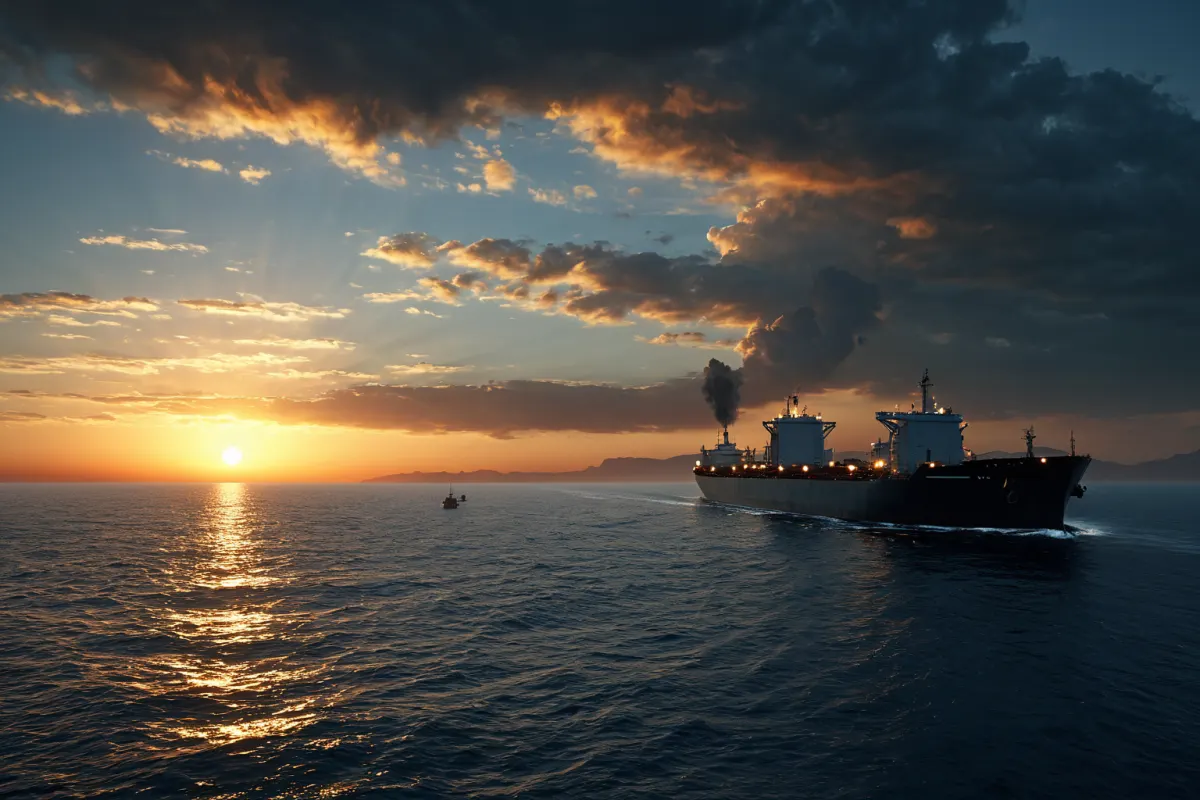
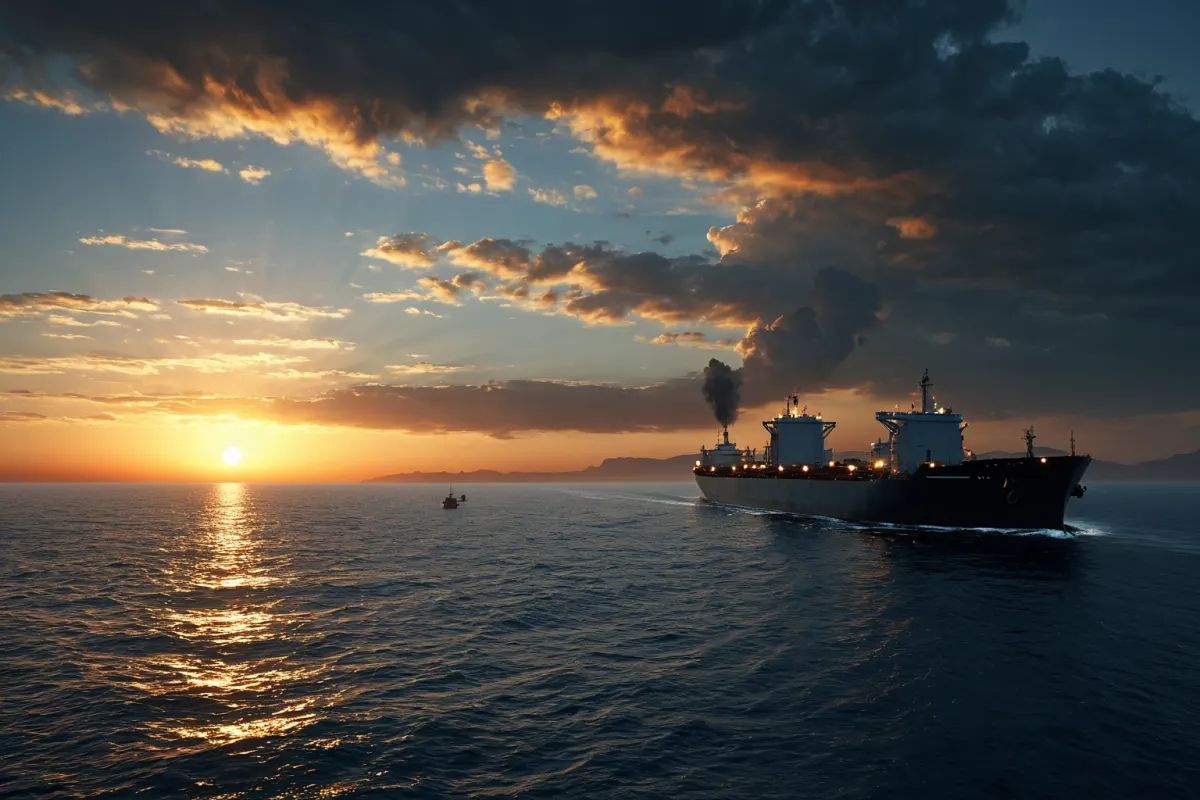
Hormuz control refers to restricting or pressuring maritime traffic through the Strait of Hormuz, a vital sea route in the Middle East that transports oil and gas. However, no single country can unilaterally 'block' the strait entirely due to complex military, diplomatic, and international legal factors. The term 'control rights' should be used cautiously as it is not strictly a legal ownership but rather reflects strategic influence.
Many people wonder why Hormuz control is such a big deal and whether it’s even possible. The answer is simple: the strait handles a significant portion of global oil and LNG shipments, so any attempt to restrict passage—even if not fully implemented—can cause major fluctuations in oil prices, shipping costs, and insurance premiums.
Why the Strait of Hormuz Is a Global Energy Bottleneck
The Strait of Hormuz connects the Persian Gulf with the Gulf of Oman. It serves as the main exit point for oil and gas from oil-producing nations. For countries importing Middle Eastern oil to Asia, it functions almost like a lifeline.
Despite appearing wide on maps, the actual shipping lanes are narrow, and terrain along both sides combined with military tensions make navigation sensitive. Even minor incidents or threats can trigger immediate market reactions.
For example, if news breaks that an oil tanker was attacked—even without disrupting physical supply—the futures market may add a risk premium. This is why Hormuz control isn’t just a regional issue but directly impacts global prices and inflation.
You can find more articles on similar topics here.
View Related ArticlesWhy the Term 'Control Rights' Is Often Used
The phrase 'Hormuz control rights' typically comes up because of Iran’s military influence around the strait. Located on the southern side, Iran has been assessed as having the capability to pressure maritime traffic through its strategic geography.
However, 'control rights' does not mean legal ownership. International straits are governed by principles of free navigation that may conflict with claims by individual nations. Therefore, it’s unlikely any country could unilaterally decide who enters or exits.
When news reports mention 'Hormuz control rights,' they usually refer more to military influence, coercive power, and threat capabilities rather than legal authority. The language might sound strong, but the reality is complex.
Real-World Context of 'Hormuz Control Law'
The term 'Hormuz control law' isn’t a formal legal name but often refers to political contexts within Iran that could enable measures to pressure or restrict traffic through the strait. It’s less about specific legal clauses and more about whether a nation can use the strait as leverage.
Nations are more likely to employ tactics like increased military drills, threats of seizure, mine-laying possibilities, or safety warnings than outright blocking. While these actions may seem low-level compared to full blockade, they still cause significant market impacts.
For instance, if a country announces naval exercises near the strait, shipping companies will assess alternative routes, and insurers will reassess risk levels. Even just declaring control can create economic effects.

Why Full Blockade Is Difficult in Reality
Completely blocking the Strait of Hormuz is more challenging than it seems. As a critical node in global shipping networks, any military pressure would likely prompt immediate intervention not just from involved countries but also neighboring nations, the U.S., Europe, and Asia.
Additionally, prolonged blockade would harm the country attempting to block itself. Trade flows through the strait, marine insurance, diplomatic relations, and sanctions risks all become unstable simultaneously.
In practice, it’s less about whether a nation can 'block' the strait entirely and more about creating short-term instability. International observers closely monitor both the likelihood of action and the tone of statements when tensions rise around Hormuz.
Why Markets React So Sensitively
When news about Hormuz control emerges, oil prices are often the first to move. Any perceived risk of supply disruption can push futures prices higher, affecting refining stocks, shipping companies, and airlines.
Nations heavily reliant on energy imports feel this impact more acutely. Rising transport costs directly increase import price burdens, which eventually pressure consumer inflation over time.
For example, if news reports mention heightened tension at the Strait of Hormuz, gas prices might not jump immediately at pumps—but markets react to anticipated future cost increases. This forward-looking behavior makes such news consistently sensitive and widely covered.
Key Points to Watch When Following Hormuz Control News
When reading related articles, it’s helpful to assess the level of expression used. Whether a statement is just a warning, involves military deployment, or actually disrupts shipping changes the meaning entirely.
Three specific points should be checked: 1. Has there been any military conflict near the strait? 2. Have major ships actually suffered damage? 3. Are exports from key oil-producing nations being reported as disrupted? When all three occur together, the impact is amplified.
- Statements only: Market sentiment is the main driver
- Military action involved: Direct impact on shipping and insurance costs
- Actual disruption to passage: Direct effect on oil supply and prices
This approach helps avoid overinterpreting sensational headlines. Focusing first on whether actual changes in shipping have occurred is more important than catchy phrases.
Real-Life Examples of Hormuz Control Impact
In the past, whenever tensions around Hormuz rose, global oil and shipping markets reacted quickly. Ships considering alternative routes increase travel time, fuel costs, and transport expenses.
The first to feel this burden are countries and companies heavily dependent on Middle Eastern oil. Rising energy prices increase manufacturing costs and disrupt logistics schedules.
For instance, South Korea, which imports significant amounts of oil and LNG, sees Hormuz tensions directly translate into energy security concerns. News about the strait isn’t just foreign news—it becomes part of domestic economic coverage as well.
How to Read Hormuz Control News Effectively
This topic isn’t simply a matter of 'can they block it or not.' In reality, military strength around the strait, international sanctions, ship safety, insurance rates, and oil prices all move together.
When searching for information, you’ll find variations like 'Hormuz control,' 'Strait of Hormuz control,' and 'Hormuz control rights.' Each has slightly different nuances: 'control rights' refers to influence, 'control' refers to actions taken, and 'control law' relates to the political tools supporting such measures.
When reading news, prioritize checking whether actual measures have been taken, how the international community is responding, and whether oil transport patterns have changed over sensational headlines.
FAQ
Q. Is Hormuz control actually possible?
Full blockade is realistically difficult, but creating military pressure or instability in traffic is feasible. Markets react sensitively to the mere possibility of such actions.
Q. Who holds 'Hormuz control rights'?
No single nation legally monopolizes this concept. However, Iran’s geographical position and military strength often make its influence a focal point in discussions about the strait.
Q. What should I look for when Hormuz control news breaks?
First check whether it's just statements or actual actions—then verify if ships have been affected and if oil exports from key producers are disrupted. These three points are most critical.
FAQ
Is Hormuz control actually possible?
Full blockade is realistically difficult, but creating military pressure or instability in traffic is feasible. Markets react sensitively to the mere possibility of such actions.
Who holds 'Hormuz control rights'?
No single nation legally monopolizes this concept. However, Iran’s geographical position and military strength often make its influence a focal point in discussions about the strait.
What should I look for when Hormuz control news breaks?
First check whether it's just statements or actual actions—then verify if ships have been affected and if oil exports from key producers are disrupted. These three points are most critical.
Korean Source
This article is an English localization of a Korean-language report from BlogScore. Original: 호르무즈 통제란 무엇인가, 통제권과 배경