
What Is Semiconductor Memory? Understanding the Difference Between Memory and Non-Memory
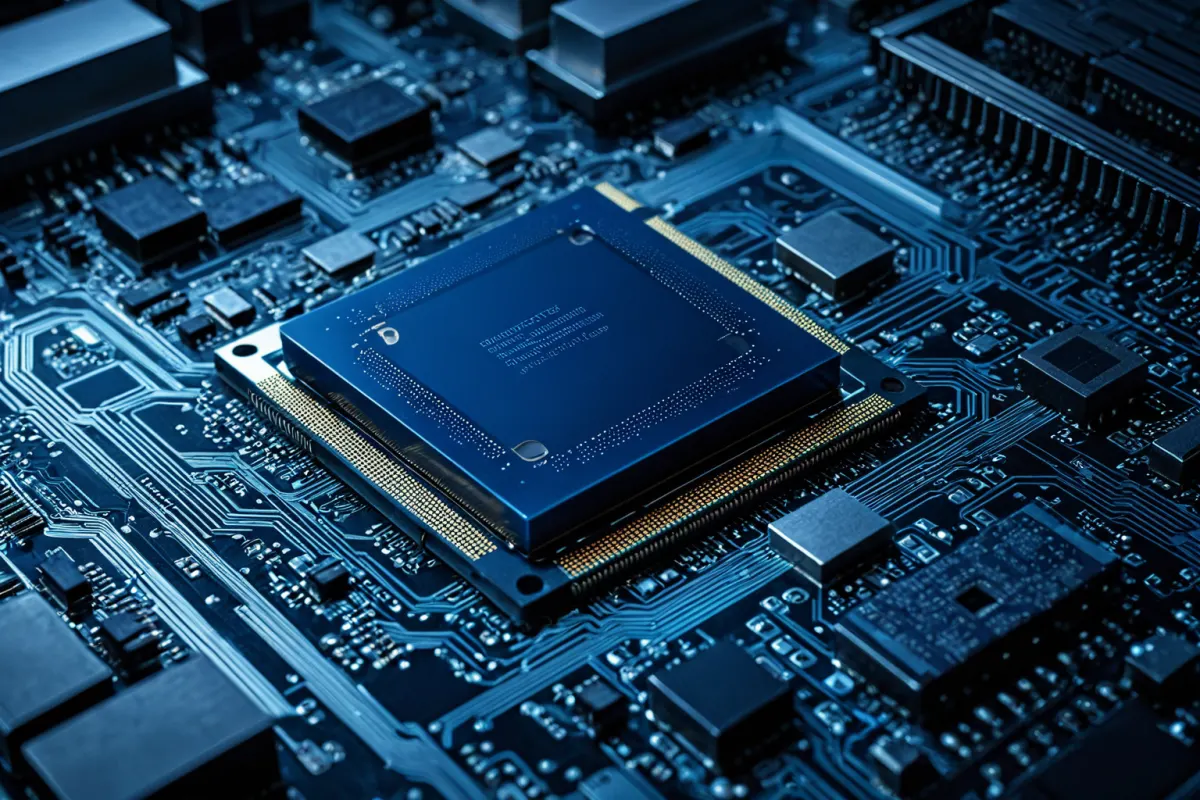
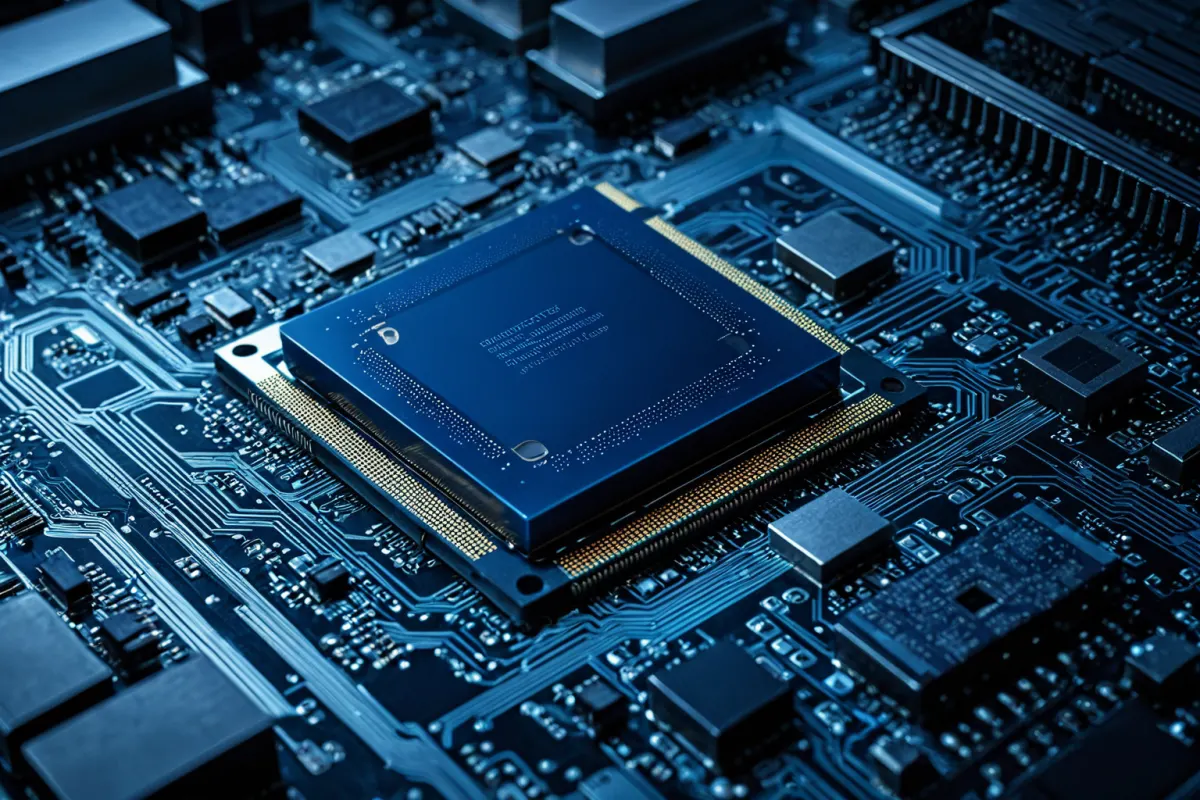
Semiconductor memory refers to chips that store information based on whether they retain data when power is turned off and how quickly they can read or write data. Found in places where "memory" is needed—like smartphone photos, PC files, and server data—semiconductor memory handles storage, while non-memory semiconductors focus on processing and controlling data.
A common point of confusion is this distinction: memory stores data, while non-memory chips handle computation and control. However, in real-world products, both work together, so understanding their roles and structures makes it easier to grasp how they function.
What Is Semiconductor Memory?
Semiconductor memory is a device that temporarily or permanently stores data. Common examples include DRAM and NAND flash. DRAM offers fast access but loses its contents when power is cut, while NAND retains data even without power.
For instance, when working on a document in a laptop, DRAM handles the quick processing speed, while SSDs based on NAND storage manage saving photos or files. In short, memory focuses on "remembering" information.
You can explore more articles on this topic in one place.
View Related ArticlesThe Key Difference: Memory vs. Non-Memory Semiconductors
Non-memory semiconductors focus on computation and control rather than data storage. Components like CPUs, GPUs, application processors (APs), power management chips, and sensors fall under this category. If memory is a bookshelf, non-memory chips are more like the brain that reads and interprets content.
For example, in a smartphone, the space for saving photos falls under memory’s role, while running apps or moving screens involves computation handled by non-memory semiconductors. In reality, they’re not competitors but complementary parts working together.
Difference Between DRAM and NAND Flash
When looking at semiconductor memory types, DRAM and NAND are the most common. DRAM acts as working memory, prioritizing speed—it influences the performance of servers, PCs, and smartphones. In contrast, NAND is used for storage, where capacity and cost efficiency matter more.
To simplify: DRAM is like a notebook on your desk you use immediately, while NAND resembles a file cabinet in a drawer for long-term storage. The reason modern SSDs are fast is due to advancements in NAND technology.
Why Semiconductor Memory Prices Fluctuate
Memory prices are heavily influenced by supply and demand. When demand from PCs, smartphones, or servers decreases, excess inventory builds up, driving prices down. Conversely, increased data center investments or AI server expansion can push prices back up.
Manufacturers’ production adjustments also play a role. Since memory chips are produced in large quantities at once, supply surges can lead to rapid price drops. This is why investors analyzing semiconductor memory stocks should consider both financial performance and market cycles.

What Makes Semiconductor Memory Companies Stand Out
For semiconductor memory companies, technological expertise and production capacity are key. Even within the same type of memory—like DRAM or NAND—competitiveness varies based on factors like process refinement, power efficiency, stacking technology, and yield rates. High-performance server memory and AI-specific products demand higher standards than standard offerings.
From an investment perspective, memory companies’ revenues are highly sensitive to market conditions. During booms, profits improve quickly, but during downturns, price drops can significantly reduce earnings. This volatility makes the sector a frequent focus for investors.
Real-World Examples: Memory vs. Non-Memory
Real-world examples make this clearer. When you press the camera button on your phone to take a photo, image processing, storage, and app execution happen simultaneously. The chip handling camera performance is non-memory, temporary data management uses DRAM, and final storage relies on NAND.
Cars follow similar logic: autonomous driving features depend on computational chips, while short-term data storage or system speed requires memory. Ultimately, both types are essential—missing one can degrade overall performance.
What to Look for When Analyzing Memory-Related Stocks
When evaluating semiconductor memory stocks, it’s not enough to just say "memory market is good." Investors should assess whether a company focuses more on DRAM or NAND, the proportion of server-related business, and current inventory levels.
For example, two memory companies might have different strengths: one may specialize in DRAM while another has higher NAND exposure. During periods like AI expansion driving increased server demand, firms with high bandwidth memory or strong server product portfolios often gain more attention.
A Simple Way to Tell Them Apart
For beginners, a simple rule is: "If it stores data, it’s memory; if it computes, it’s non-memory." Add one more detail: if the data remains after power-off, it’s likely NAND-based storage. If it disappears when powered off but is fast, it’s probably DRAM.
For instance, smartphone photo albums use NAND, active app workspaces rely on DRAM, and screen processing or AI features are handled by non-memory chips. Breaking down roles makes these terms much easier to understand.
FAQ
Q1. What is semiconductor memory in one sentence?
Data storage or temporary data holding via semiconductors. DRAM and NAND flash are the most common examples.
Q2. What’s the difference between semiconductor memory and non-memory?
Memory focuses on storage, while non-memory handles computation and control—two distinct functions.
Q3. Why do memory prices change often?
Because demand, supply, inventory levels, and server investments all shift together.
Given how quickly semiconductor memory trends evolve, it’s wise to check the latest market movements when making investment or purchasing decisions.
Continue reading articles on similar topics.
View Category ArticlesFAQ
What is semiconductor memory in one sentence?
Data storage or temporary data holding via semiconductors. DRAM and NAND flash are the most common examples.
What's the difference between semiconductor memory and non-memory?
Memory focuses on storage, while non-memory handles computation and control—two distinct functions.
Why do memory prices change often?
Because demand, supply, inventory levels, and server investments all shift together.
Korean Source
This article is an English localization of a Korean-language report from BlogScore. Original: 반도체 메모리란? 비메모리와 차이부터 정리