
What Is Physical AI Port? A Clear Explanation of the Concept
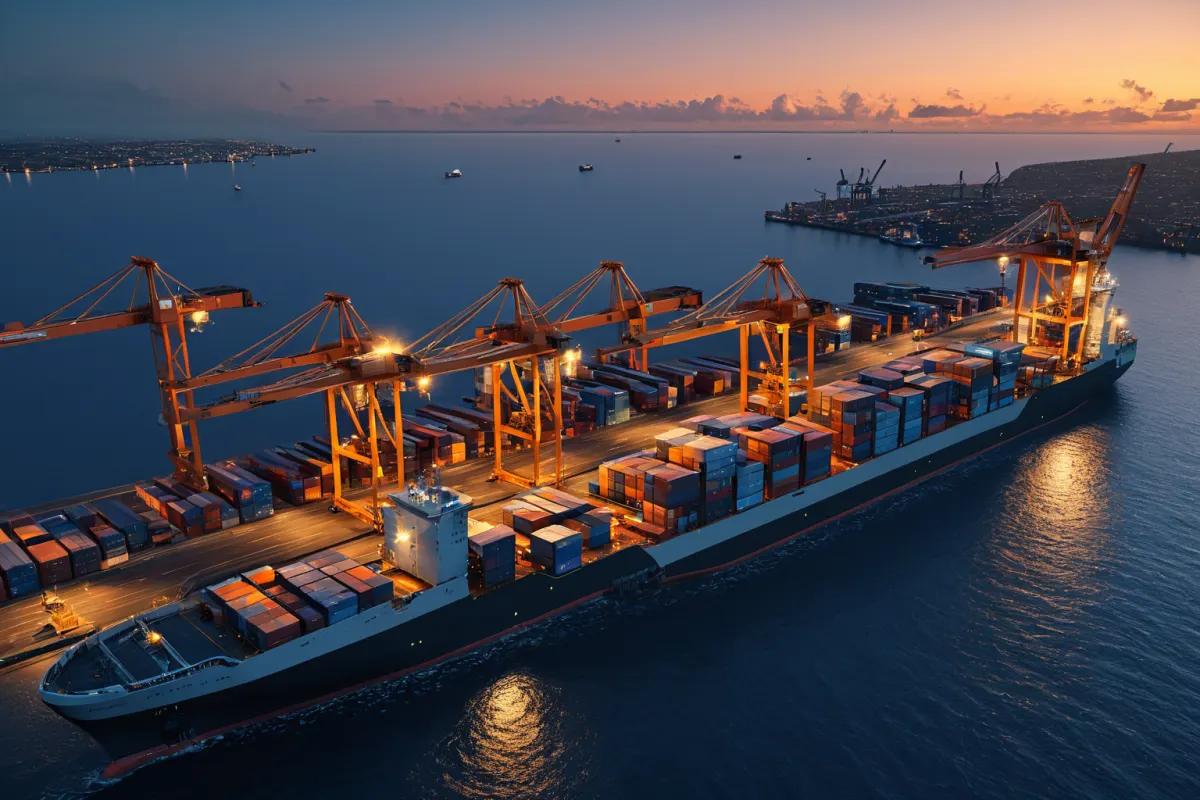
A Physical AI Port refers to a port that combines artificial intelligence, robotics, sensors, and autonomous control technology directly at the port site to automate logistics and operations. In simpler terms, it moves away from manual processes where humans handled tasks like moving containers, docking ships, or inspecting equipment, and instead has systems observe, assess, and act on-site.
Many people searching for this term often wonder how it differs from a Smart Port. The key difference lies in real-world execution: A Physical AI Port goes beyond simply displaying data on screens—it’s designed so that physical equipment like cranes, AGVs (Automated Guided Vehicles), and yard machinery move based on AI decisions.
Core Concept of Physical AI Ports
A Physical AI Port operates with AI not just as an analytical tool but as the central operator of on-site activities. By gathering data from cameras, IoT sensors, location information, and equipment status across the port, AI assesses situations and directly controls equipment movements.
For example, during peak ship arrival times, AI can automatically adjust work sequences or calculate real-time container positions in the yard to suggest optimal movement paths. This approach not only speeds up operations but also enhances safety.
You can explore more articles on similar topics here.
View Related ArticlesDifference from Smart Ports
While smart ports also use data-driven operations, Physical AI Ports take it a step further by tightly connecting AI with physical movements. Instead of focusing mainly on information collection and monitoring, AI directly assists or controls equipment actions.
To put it metaphorically, while a smart port might be like a well-displayed dashboard, a Physical AI Port is more like a port that observes the situation and moves independently. That’s why technologies such as autonomous vehicles, automated cranes, and digital twins are often discussed alongside this concept.
How Workflows Change at the Port
The most noticeable change with Physical AI Ports is in task allocation and movement routes. Previously handled by human judgment based on experience, these decisions are now calculated in real time using data to make workflows faster and smoother.
For instance, when container stacking areas become complex, AI can suggest reorganization, and equipment moves accordingly. During variable conditions like bad weather or night shifts, the system can detect hazardous zones first and adjust work schedules or reroute operations for improved safety.
Why Implementation Is Needed
Ports face many variables—ship arrival times, cargo volumes, weather conditions, equipment failures—that make it difficult for humans to manage everything quickly. Physical AI Ports reduce complexity and minimize operational bottlenecks.
As cargo volumes increase, simply adding more labor becomes inefficient. With AI adjusting task priorities, equipment utilization rates, and wait times, overall throughput can be consistently improved.
Real-World Implementation Examples
When first learning about Physical AI Ports, it’s easy to think the entire port changes at once—but in reality, implementation usually starts with specific zones. For example, automation might begin with container location recognition and optimal path planning in automated yards before expanding to crane control and vehicle management.
Common examples include:
- Automatically recognizing container positions using cameras and sensors
- AI analyzing congested areas and adjusting movement sequences
- Detecting equipment anomalies early to reduce failure risks
- Autonomous guided vehicles moving cargo along predefined routes
This isn’t just about “unmanning” the port. It’s more like a system where humans oversee final decisions while AI handles repetitive tasks and complex calculations.
Common Concerns When Implementing
A common concern is safety and cost. Since AI controls physical equipment, there’s worry about malfunctions. Therefore, real-world implementation often includes phased validation and dual safety systems.
Another challenge is compatibility with existing infrastructure. Ports often have a mix of old and new equipment, so integrating AI requires standardizing data formats and connecting devices—a process that can take significant time.
Key Points to Consider
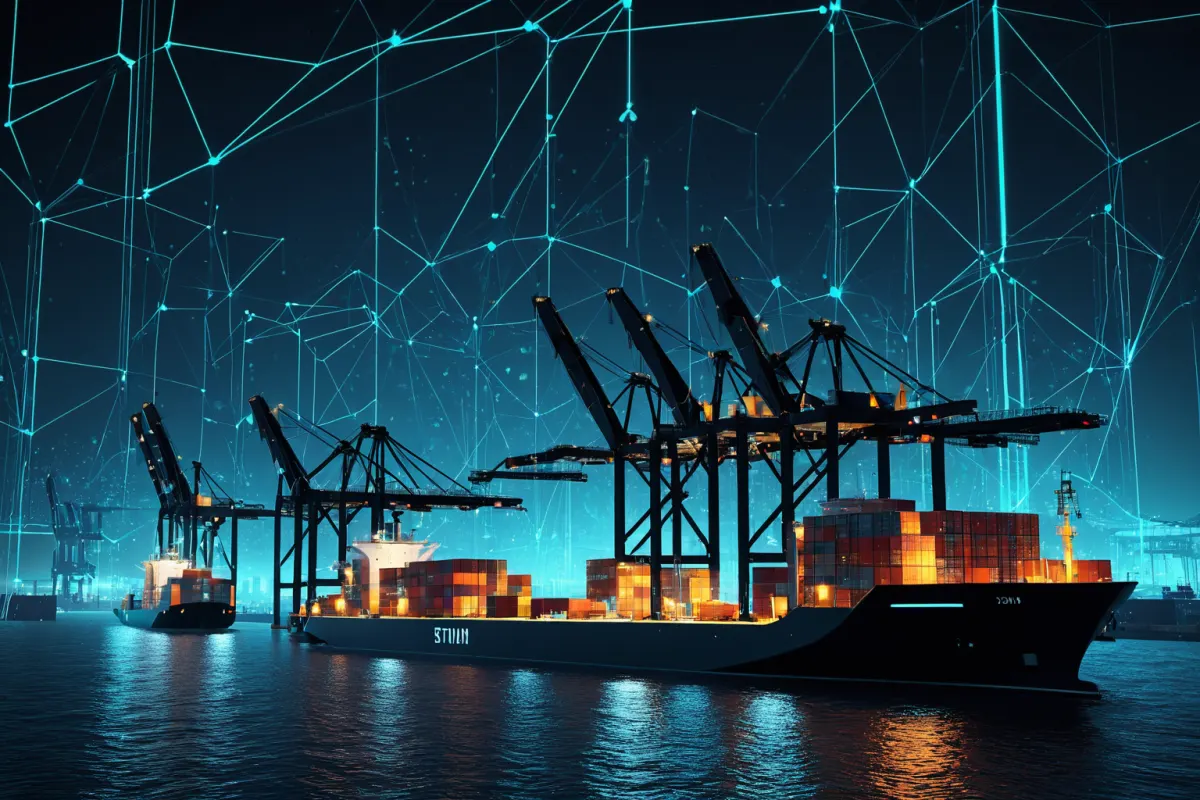
To better understand Physical AI Ports, it’s helpful to view them not as standalone technology but alongside concepts like digital twins, autonomous navigation, logistics optimization, and industrial robotics. The core idea is a system that digitally reads the physical reality of the port and reflects those insights back into physical actions.
Looking ahead, similar approaches are likely to expand beyond ports to airports, logistics warehouses, and manufacturing plants—especially in industries with high workloads and safety risks.
Key Takeaways
This concept may sound impressive, but it requires alignment across equipment, network infrastructure, data quality, and staff expertise. It’s not about simply adding AI—it’s a shift in operational approach where port management moves from intuition-based decisions to data- and AI-driven actions that directly affect physical movements.
FAQ
Q: Is a Physical AI Port the same as an unmanned port?
No, it’s not exactly the same. An unmanned port focuses on reducing human involvement, while a Physical AI Port emphasizes deeper integration of AI with physical equipment to improve operational efficiency.
Q: Can existing ports be transformed into Physical AI Ports?
Yes, but it’s more practical to implement gradually—starting with specific zones rather than overhauling the entire port at once.
Q: What is the biggest advantage of a Physical AI Port?
The main benefits are improved work efficiency, safety, and equipment utilization. It particularly excels at reducing bottlenecks in complex port operations.
As this concept evolves rapidly, actual implementation examples and technical capabilities may vary depending on timing. For the latest trends, it’s recommended to consult industry reports alongside this article.
Explore more articles on similar topics.
View Category ArticlesFAQ
Is a Physical AI Port the same as an unmanned port?
No, it's not exactly the same. An unmanned port focuses on reducing human involvement, while a Physical AI Port emphasizes deeper integration of AI with physical equipment to improve operational efficiency.
Can existing ports be transformed into Physical AI Ports?
Yes, but it's more practical to implement gradually—starting with specific zones rather than overhauling the entire port at once.
What is the biggest advantage of a Physical AI Port?
The main benefits are improved work efficiency, safety, and equipment utilization. It particularly excels at reducing bottlenecks in complex port operations.
Korean Source
This article is an English localization of a Korean-language report from BlogScore. Original: 피지컬 AI 항만이 뭐길래? 피지컬AI항만 핵심 정리