
What Is Manual Therapy? A Complete Guide to Its Effectiveness for Back Pain
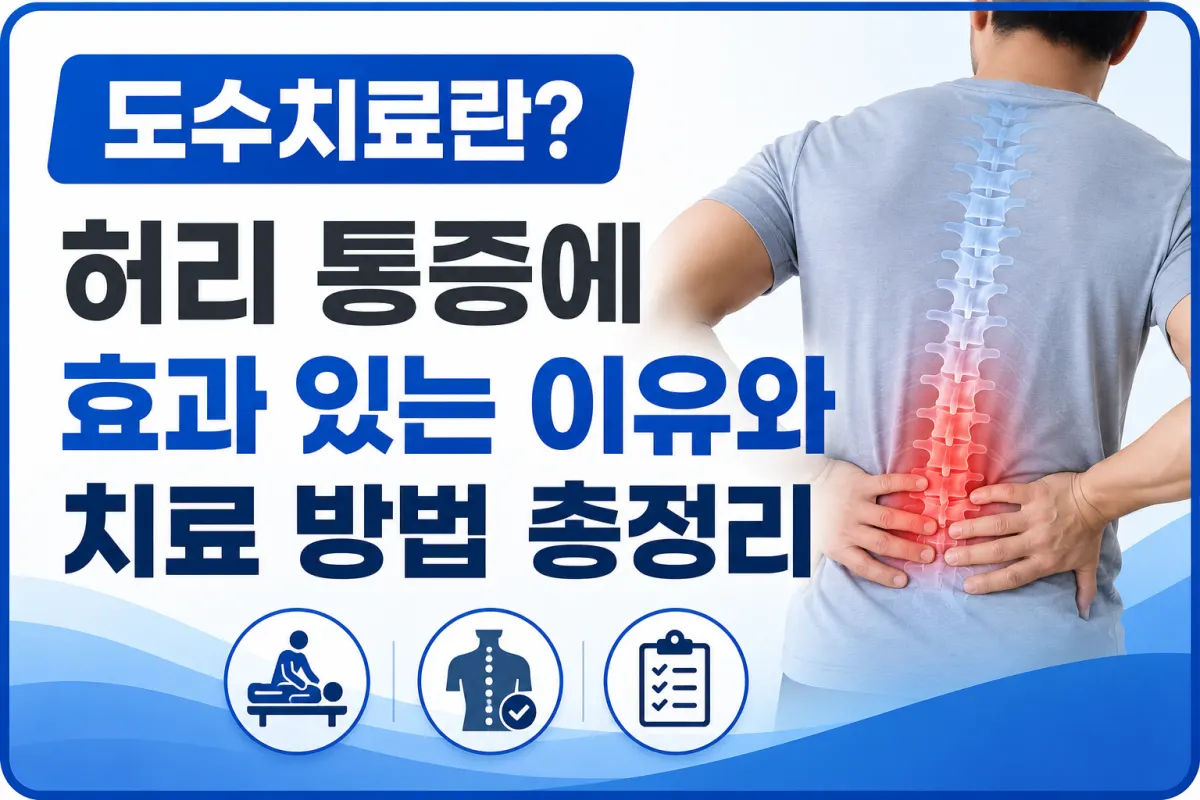
Back pain often worsens with prolonged sitting and can linger as a heavy ache when waking up in the morning. Many people wonder: What exactly is manual therapy, and does it really help with back pain? Manual therapy is a physical treatment approach where therapists use their hands to assess muscle and joint movement, helping reduce pain and improve function.
However, manual therapy isn't a one-size-fits-all solution. Back pain can stem from various causes like poor posture, muscle tension, disc issues, or lack of exercise, so it's important to tailor the approach to your specific condition. This article breaks down what manual therapy is, how it works in practice, and common beginner mistakes—all explained simply.
Understanding What Manual Therapy Really Is
Manual therapy refers to a treatment method where therapists directly assess and treat the body using their hands. It's more than just massage—it involves evaluating joint movement, muscle tension, pain trigger points, and posture balance before applying targeted techniques. That’s why it’s often used for issues like back pain, which are closely tied to movement and posture.
For example, people who sit for long hours may experience stiff muscles around the lower back and limited pelvic mobility. Manual therapy can help loosen tight areas or improve joint flexibility, easing discomfort. But results vary depending on individual conditions and causes, so accurate diagnosis is key.
Why Manual Therapy Helps with Back Pain
Back pain isn't always just about the affected area—it often involves connected tension in the hips, pelvis, thighs, or upper back. Simply massaging the lower back might provide temporary relief but not lasting results. Manual therapy addresses these interconnected movement patterns to reduce overall strain.
It also helps retrain how your body moves. For instance, if bending forward causes sharp pain, you may unconsciously overuse your lower back. Through therapy, therapists can help balance hip and spine movements, reducing the burden on your back. However, for acute strains or nerve-related symptoms, professional medical evaluation should come first.
How Manual Therapy Treatment Typically Proceeds
Treatment usually begins with an assessment: where and when pain occurs, differences between sitting and standing, whether tingling in the legs accompanies it. Therapists then examine posture, joint range of motion, and muscle tension to determine the best approach.
Next, hands-on techniques may be used to relax muscles or gently guide joint movement. For example, if lower back muscles are overly tense, the therapist might focus on releasing that area first. If pelvic mobility is restricted, they’ll assess related joints. After treatment, therapists often provide simple stretches or posture tips for home practice.
Newcomers might assume one session equals a cure, but real results require managing multiple factors over time. Therapy can be a starting point to reduce pain, followed by consistent stretching, light exercise, and lifestyle adjustments to sustain benefits.
Practical Examples for Beginners to Try
Consider an office worker who sits 8+ hours daily with lower back stiffness. Instead of focusing only on the lower back, a therapist might assess hip movement, tension in the back of the thighs, and sitting posture. Treatment could aim at reducing lower back strain while improving hip mobility.
At home, try standing up for 1–2 minutes every 50 minutes to stretch your legs. Practice moving from the hips rather than bending the waist when shifting positions. Also, check if your lower back is overly curved when standing against a wall—this helps maintain proper alignment. These habits support long-term relief after therapy.
Common Beginner Mistakes to Avoid
A common mistake is thinking that once you get manual therapy, you don't need to change lifestyle habits. Since back pain often relates to posture and movement patterns, skipping habit changes can lead to a return of discomfort. Pair therapy with mindful sitting positions, sleep posture, and exercise routines.
Another error is pushing too hard too soon after noticing less pain—like lifting heavy objects or overexercising right away. This can worsen symptoms. If you experience tingling, weakness, or numbness in the legs, don’t dismiss it as simple muscle soreness; consult a professional immediately.
Important Things to Check Before Getting Manual Therapy
Before starting, confirm what’s causing your pain—muscle tension, disc issues, inflammation, or other conditions. The approach will differ based on the root cause. Also, check current guidelines and insurance coverage through official sources, as these can change.
The right intensity matters too. Some people benefit from gentle relaxation, while others need precise techniques for specific movements. If pain increases significantly during treatment or discomfort lingers, inform your therapist immediately.
Who Benefits Most from Manual Therapy
Manual therapy assesses and adjusts body movement to reduce pain and improve function. It’s especially helpful for back pain because it addresses interconnected issues in the pelvis, hips, and surrounding muscles—not just the lower back itself. Those who sit for long hours, have posture imbalances, or experience recurring stiffness will often find it useful.
But remember: The real key isn’t just the therapy—it’s identifying the root cause and adjusting lifestyle habits alongside treatment. Manual therapy is a starting point; consistent stretching, light exercise, and proper posture are necessary for lasting results. If pain is severe or nerve symptoms appear, seek medical evaluation before self-diagnosing.
Final FAQs
Q1: Is manual therapy the same as massage?
No. While massage focuses mainly on muscle relaxation, manual therapy evaluates joint mobility, posture, and movement patterns too.
Q2: Who benefits most from back-focused manual therapy?
It’s suitable for people with stiff lower backs due to prolonged sitting, posture imbalances, or recurring pain during movement. However, a professional evaluation is needed for accurate assessment.
Q3: How many sessions are typically needed?
This varies by individual. Some see results in one or two sessions; others need multiple visits alongside lifestyle changes. Consult with your therapist to create a personalized plan.
Disclaimer: This article provides general health information only and does not replace professional diagnosis or treatment. Seek medical advice if you have severe back pain, leg numbness, tingling, or weakness. Always verify current guidelines through official channels or healthcare providers.
FAQ
Is manual therapy the same as massage?
No. While massage focuses mainly on muscle relaxation, manual therapy evaluates joint mobility, posture, and movement patterns too.
Who benefits most from back-focused manual therapy?
It’s suitable for people with stiff lower backs due to prolonged sitting, posture imbalances, or recurring pain during movement. However, a professional evaluation is needed for accurate assessment.
How many sessions are typically needed?
This varies by individual. Some see results in one or two sessions; others need multiple visits alongside lifestyle changes. Consult with your therapist to create a personalized plan.
Korean Source
This article is an English localization of a Korean-language report from BlogScore. Original: 도수치료란? 허리 통증에 효과 있는 이유와 치료 방법 총정리