
What Is KOTRA Supply Chain Check? Accurate Procedures and Response Methods


KOTRA's Middle East Tension Supply Chain Check
KOTRA (Korea Trade Investment Promotion Agency) is strengthening supply chain and export logistics emergency inspections in response to renewed tensions in the Middle East. As of August 3, KOTRA has convened a task force to monitor real-time logistics trends and develop response strategies, aiming to prevent disruptions caused by potential re-blockade of the Strait of Hormuz and rising naphtha prices.
This inspection is part of a systematic approach addressing multiple global risks including renewed Middle East tensions, U.S. tariff pressures, and Chinese export controls. KOTRA is particularly enhancing coordination with major overseas buyers like Walmart to support SMEs' stable exports. The government is also building a multi-faceted cooperation system, with the Ministry of Trade, Industry and Energy urgently convening global representatives via video conference to secure alternative oil import sources.
Middle East Tensions and Supply Chain Instability
According to KOTRA's press release on August 3, 2026, the agency initiated supply chain inspections following renewed tensions in the Middle East and concerns about a potential re-blockade of the Strait of Hormuz. This is corroborated by news reports from Yonhap and Nate on August 3, 2026. The Strait of Hormuz, which handles approximately 20% of global oil transportation, could cause sharp international oil price increases if blocked again.
KOTRA's supply chain inspections go beyond simple logistics monitoring, using real-time data collection and analysis to prevent issues like shipping delays, rising freight costs, and inventory shortages. The agency also provides strategies for responding to U.S. tariffs and Chinese export controls, supporting SMEs' global market entry.
Chinese Export Controls and Alternative Oil Imports
The Ministry of Trade, Industry and Energy requested global representatives to secure alternative oil import sources in an emergency video conference on April 1, 2026. This follows China's strengthened export controls on aerospace and gas turbine sectors, which could disrupt domestic companies' raw material procurement. The ministry specifically ordered the expansion of alternative supply channels for critical resources like rare earths and tungsten imported from China.
According to a report dated February 5, 2025, the Ministry has been closely managing items subject to Chinese export controls, including tungsten. On April 7, 2025, it established a close monitoring system in response to China's rare earth exports and government supply shortages. This strategic move aims to minimize the impact on domestic industries should Chinese export regulations continue long-term.
Expansion of SME Support Policies
KOTRA's Export Voucher Program has become a key tool supporting SMEs and mid-sized companies in diversifying overseas markets. As of August 2026, KOTRA is strengthening cooperation with global retailers like Walmart to help SMEs enter international markets through the Export Voucher Program. This supports businesses in maintaining competitiveness amid heightened U.S. and Chinese trade regulations.
Deloitte Korea Group is supporting mid-sized and SMEs' global expansion using KOTRA's Export Voucher, expanding pharmaceutical supply chains via Singapore to create export opportunities for Korean biotech products (K-Bio). This strategy aligns with efforts to counter Chinese rare earth export controls and is expected to enhance SMEs' global competitiveness.
Supply Chain Risk Response Strategies
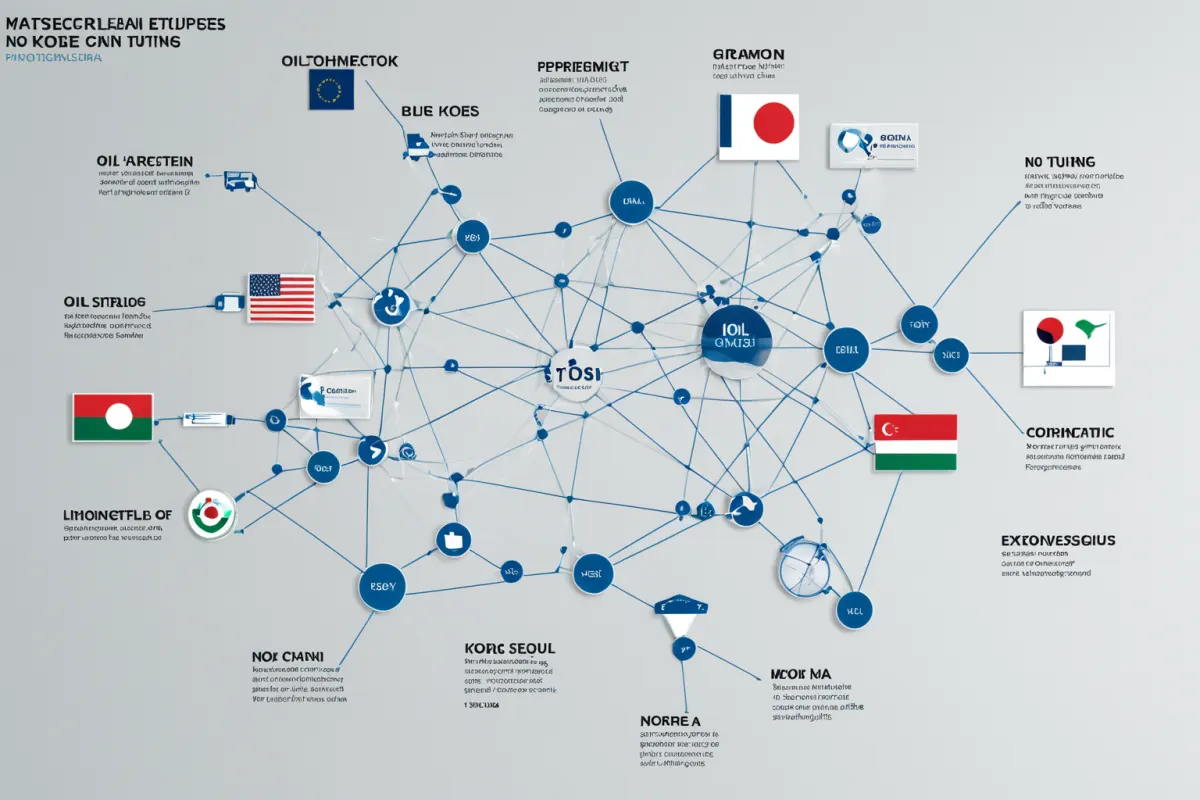
Since initiating supply chain inspections on August 3, 2026, in response to renewed Middle East tensions, KOTRA has been comprehensively analyzing various global risks including U.S. tariff pressures, Chinese export controls, and European environmental regulations to develop response strategies. This approach aims not only at short-term crisis management but also long-term supply chain diversification and stability.
The Ministry's request for alternative oil import sources and responses to Chinese rare earth and tungsten export controls demonstrate a government-level cooperation system, realized through close communication between KOTRA and businesses. Emergency Export Voucher support for SMEs is currently ongoing as of August 2026, with particular focus on SMEs and mid-sized companies exporting to the Middle East.
Verified Information
KOTRA's supply chain inspections are a response to potential re-blockade risks at the Strait of Hormuz due to renewed Middle East tensions, confirmed in reports from August 3, 2026. Simultaneously, the Ministry is closely managing Chinese export controls on rare earths and tungsten, having established a monitoring system for supply shortages as reported on April 7, 2025.
On SME support, KOTRA's Export Voucher Program and Singapore-based pharmaceutical supply chain expansion are ongoing initiatives in 2026. Walmart-linked export support is also being strengthened, aiming to help businesses maintain global market entry amid U.S. and Chinese trade regulation increases.
Frequently Asked Questions
Is KOTRA conducting supply chain inspections in response to renewed Middle East tensions?
Yes, KOTRA (Korea Trade Investment Promotion Agency) has convened a task force since August 3, 2026, to conduct emergency inspections of supply chains and export logistics in response to renewed Middle East tensions and potential supply chain disruptions.
What is the plan for responding to China's rare earth export controls?
The Ministry established a close monitoring system on April 7, 2025, to address Chinese rare earth export controls and government supply shortages. It has also ordered securing alternative supply channels for similar controlled items like tungsten.
What policies support SMEs' overseas expansion?
KOTRA's Export Voucher Program, Singapore-based pharmaceutical supply chain expansion, and strengthened Walmart-linked export support are ongoing initiatives. These strategic approaches help SMEs maintain global market entry amid heightened U.S. and Chinese trade regulations.
Frequently Asked Questions
KOTRA and government supply chain inspections and support policies demonstrate a systematic approach to addressing multiple global risks including renewed Middle East tensions, U.S. tariff pressures, and Chinese export controls. KOTRA's Export Voucher Program and Singapore-based pharmaceutical supply chain expansion are successful examples of government-business collaboration, expected to help maintain competitiveness in global markets. However, if Middle East tensions persist long-term, additional measures may be needed, and ongoing monitoring is required for China's export control responses.
Government-business cooperation systems are effectively stabilizing supply chains, with SME support policies playing a crucial role in maintaining business competitiveness amid changing global trade environments.
You can view similar articles at once.
View Related ArticlesFAQ
Is KOTRA conducting supply chain inspections in response to renewed Middle East tensions?
Yes, KOTRA (Korea Trade Investment Promotion Agency) has convened a task force since August 3, 2026, to conduct emergency inspections of supply chains and export logistics in response to renewed Middle East tensions and potential supply chain disruptions.
What is the plan for responding to China's rare earth export controls?
The Ministry established a close monitoring system on April 7, 2025, to address Chinese rare earth export controls and government supply shortages. It has also ordered securing alternative supply channels for similar controlled items like tungsten.
What policies support SMEs' overseas expansion?
KOTRA's Export Voucher Program, Singapore-based pharmaceutical supply chain expansion, and strengthened Walmart-linked export support are ongoing initiatives. These strategic approaches help SMEs maintain global market entry amid heightened U.S. and Chinese trade regulations.
Korean Source
This article is an English localization of a Korean-language report from BlogScore. Original: 코트라 공급망 점검이란? 정확한 절차와 대응 방법