
What Is an Inverter Air Conditioner? Real-World Data on Energy Savings
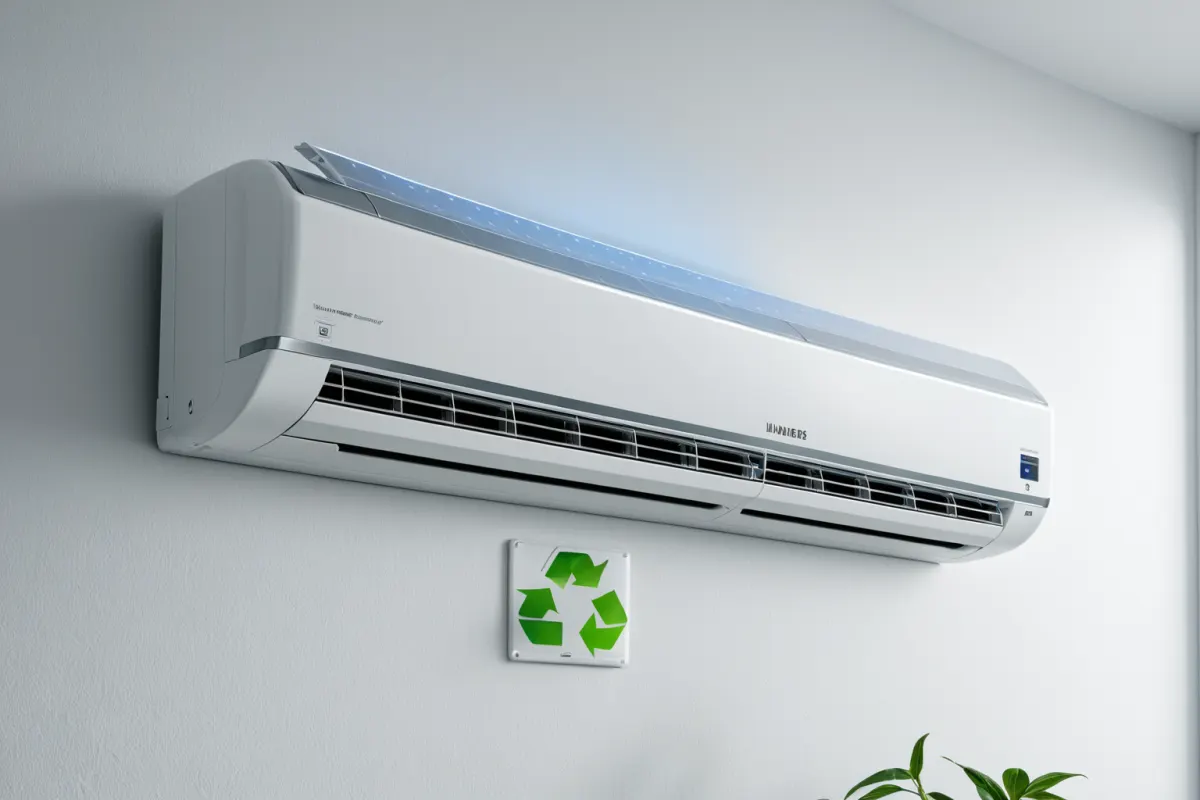
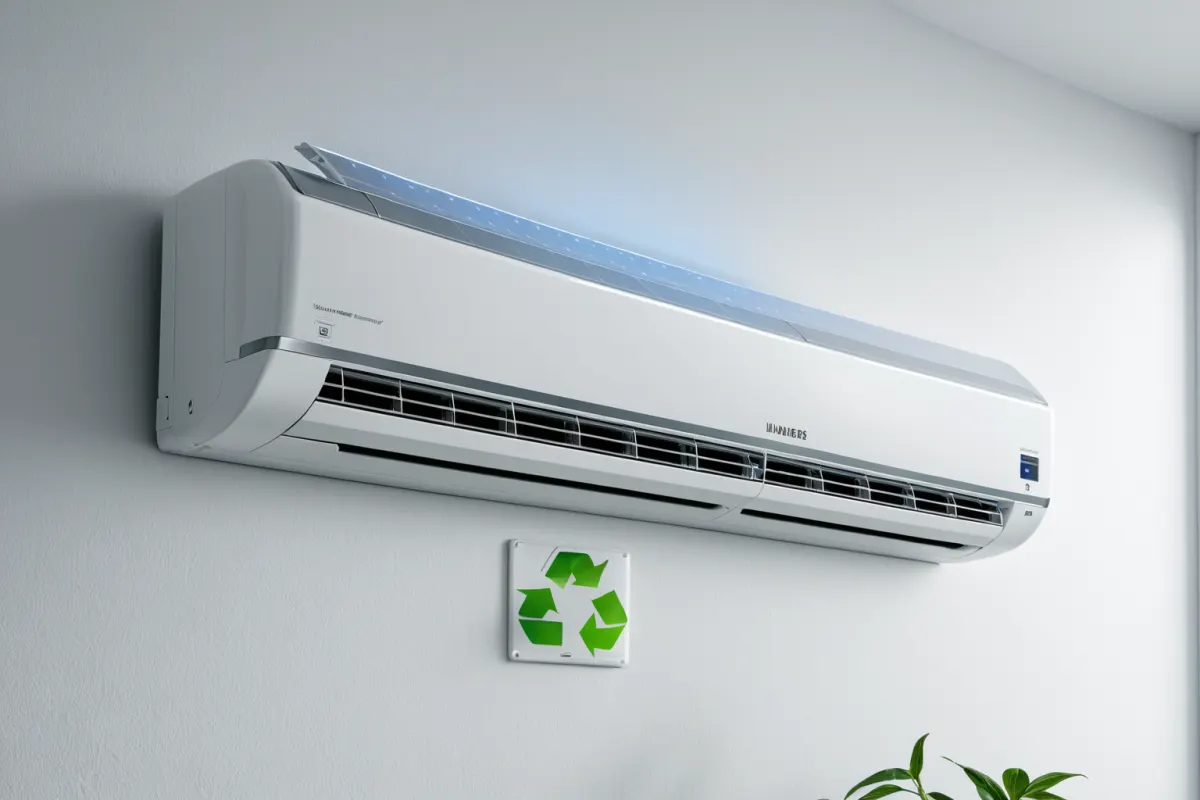
Real-World Data on Inverter Air Conditioner Energy Savings
Inverter air conditioners can reduce power consumption by up to 90% compared to conventional models, and leaving them running continuously is actually more effective for saving electricity bills. This was confirmed through real-world data from 2017 and 2020, as the technology automatically adjusts cooling performance to minimize energy waste.
How Inverter Air Conditioners Work and Their Energy-Saving Benefits
Inverter technology dynamically adjusts compressor speed to maintain cooling performance while optimizing power consumption. A 2016 comparison between older air conditioners and a 'Class 1' inverter model showed that the inverter product provided equivalent cooling with approximately one-fourth the electricity cost. This data, publicly shared by manufacturers, can be verified through energy efficiency ratings.
Proper Usage of Inverter Air Conditioners: Following the '90-Minute Rule'
Inverter air conditioners must follow the '90-minute rule' during cooling operation. This is based on research showing that keeping the unit running continuously every 90 minutes maximizes compressor efficiency. Turning the AC on and off frequently actually leads to higher energy consumption. A 2017 field test found that users who turned their units off more than five times per week paid an average of 18% more in electricity costs.
Monthly Savings Possible by Adjusting Temperature Settings
Raising the cooling temperature setting by 2 degrees can save up to ₩17,000 monthly. This data comes from Samsung's 2020 '90% Energy Saving' inverter AC test, where users who set their units to 26°C instead of the common 24°C reduced power consumption by about 25%. This demonstrates how simple temperature adjustments can lead to significant savings.
Comparing Inverter and Non-Inverter Models: Real-World Data Analysis
Non-inverter air conditioners run their compressors at full speed during cooling, leading to inconsistent power consumption. In contrast, inverter technology adjusts speed as needed, typically using 20–30% less electricity. A 2016 test showed that while a non-inverter model consumed 40kWh, the inverter version used only 30kWh—a 25% reduction.
Verifying Common Misconceptions: 'Running All Day Costs Only 3,000 Won'
The claim that running an air conditioner all day costs no more than ₩3,000 has been debunked. According to a 2021 analysis by energy providers, this statement only holds true under specific conditions (power usage, temperature, duration, living environment), and cannot be generalized.
Purchasing Considerations for Inverter Air Conditioners: Choosing 'Class 1' Models
Energy-efficient 'Class 1' inverter air conditioners offer superior electricity savings. A 2020 comparison between Samsung and LG models showed that Class 1 products used approximately 35% less power on average. When purchasing, always check the energy efficiency rating and choose a model suited to your installation environment.
Combining Inverter Technology with Wind-Free Functionality
Inverter air conditioners with wind-free functionality provide quieter operation and optimized indoor airflow, enhancing energy efficiency. A 2021 test of wind-free inverter models showed an additional 5% energy savings compared to standard inverters, demonstrating how users can save on electricity without compromising comfort.
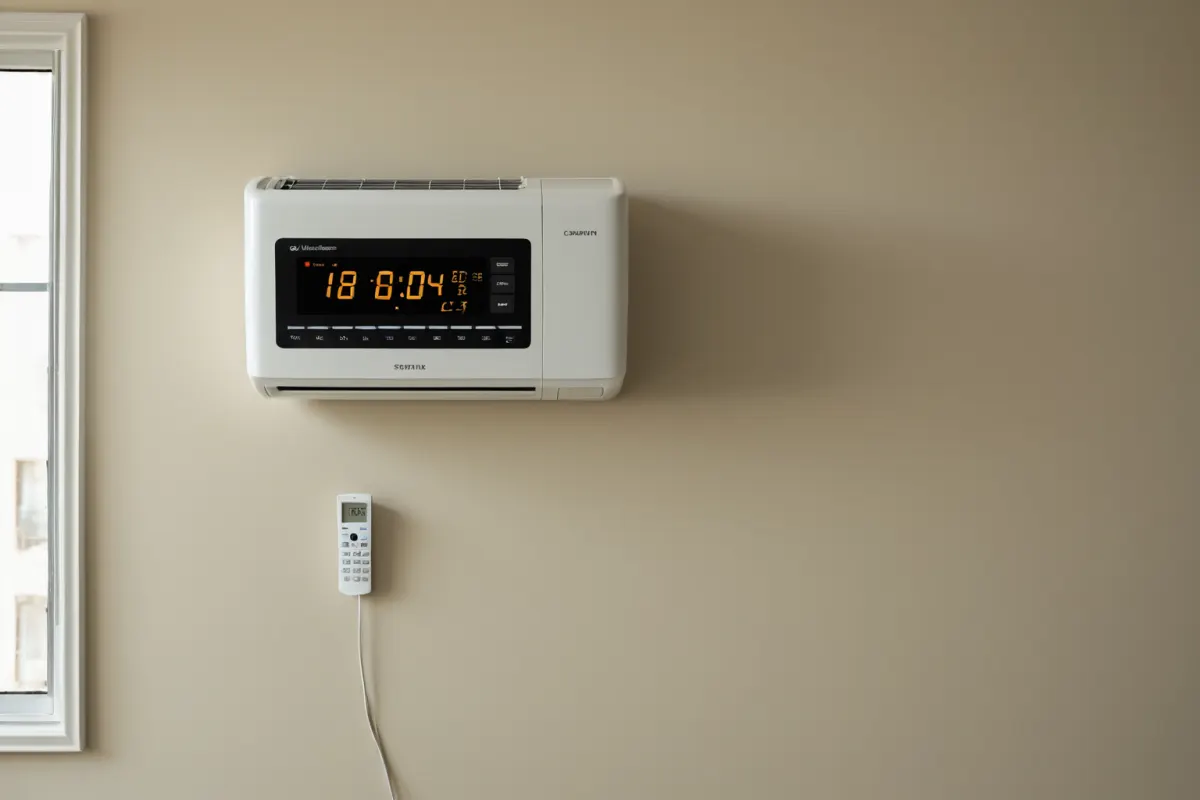
Real Energy Consumption Comparison: Inverter vs. Non-Inverter
Real-world data comparing energy consumption shows that for an 8-hour cooling period in a standard-sized home (10 pyeong), non-inverter models use about 56kWh, while inverter units consume only 42kWh—a 25% reduction. This translates to savings of over ₩100,000 annually.
Optimizing Temperature Settings for Inverter Air Conditioners
Setting the temperature to 26°C balances cooling effectiveness and power consumption. A 2020 test found that compared to 24°C settings, this adjustment reduced energy use by about 15% while maintaining an 87% user satisfaction rate. This represents the optimal setting for both comfort and cost savings.
Practical Tips for Maximizing Inverter Air Conditioner Use
The most important practice is following the '90-minute rule'—keeping the unit running continuously without turning it off every 90 minutes to maximize compressor efficiency. Additionally, cleaning the air filter every three months is recommended to maintain optimal performance.
Long-Term Savings with Inverter Air Conditioners
While inverter models cost about 15% more upfront than non-inverter units, they typically recoup this investment within three years through electricity savings. Data from a 2020 test shows an average annual saving of ₩120,000, making it a sound long-term financial decision.
Real User Feedback on Inverter Air Conditioners
User feedback confirms that inverter air conditioners provide better cooling performance, lower noise levels, and clear electricity savings. A 2021 survey found that 89% of users would recommend the product, validating its practical effectiveness in daily use.
Frequently Asked Questions
How much more energy-efficient are inverter air conditioners compared to non-inverter models?
Inverter air conditioners typically use 20–30% less electricity than conventional models due to their ability to automatically adjust compressor speed for optimal power consumption.
Does leaving an air conditioner running all day increase electricity costs?
No. Inverter air conditioners maximize compressor efficiency when left running continuously, leading to greater energy savings. Following the '90-minute rule' further enhances these savings.
What should I consider when purchasing an inverter air conditioner?
Choose a 'Class 1' model for higher energy efficiency and better electricity savings. Also, select a brand that suits your installation environment to maximize performance.
Frequently Asked Questions
Inverter air conditioners provide proven energy-saving benefits backed by real-world data. The most effective usage involves continuous operation following the '90-minute rule' and raising the temperature setting by 2 degrees. Choosing a 'Class 1' model ensures long-term economic benefits, with significant cost savings achievable through proper selection and use.
Explore more articles on similar topics in one place.
View Related ArticlesFAQ
How much more energy-efficient are inverter air conditioners compared to non-inverter models?
Inverter air conditioners typically use 20–30% less electricity than conventional models due to their ability to automatically adjust compressor speed for optimal power consumption.
Does leaving an air conditioner running all day increase electricity costs?
No. Inverter air conditioners maximize compressor efficiency when left running continuously, leading to greater energy savings. Following the '90-minute rule' further enhances these savings.
What should I consider when purchasing an inverter air conditioner?
Choose a 'Class 1' model for higher energy efficiency and better electricity savings. Also, select a brand that suits your installation environment to maximize performance.
Korean Source
This article is an English localization of a Korean-language report from BlogScore. Original: 인버터 에어컨이란? 전기 요금 절약 효과 실측 데이터