
What Is a 'Elephant Air Conditioner'? Understanding the Difference from Portable ACs
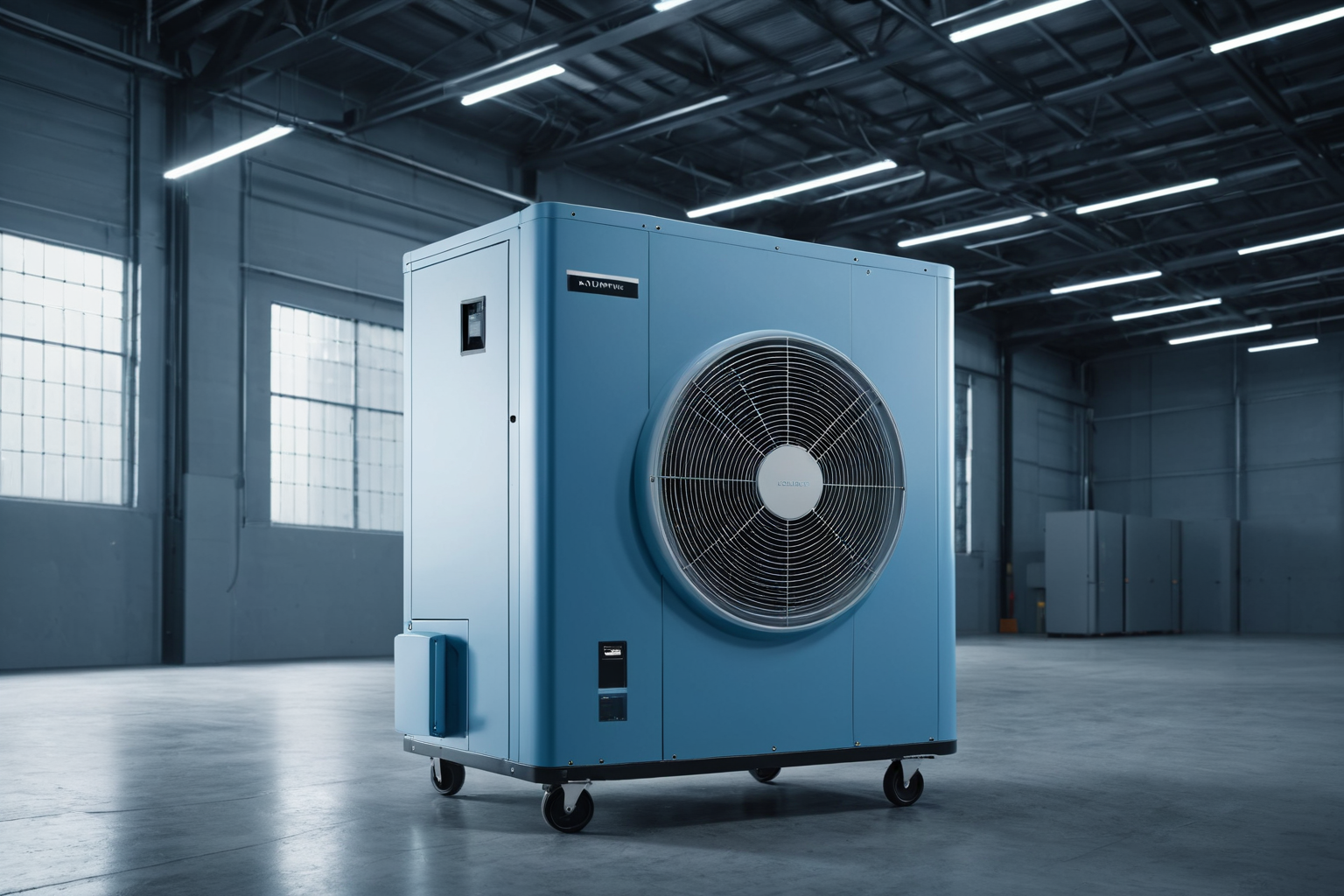
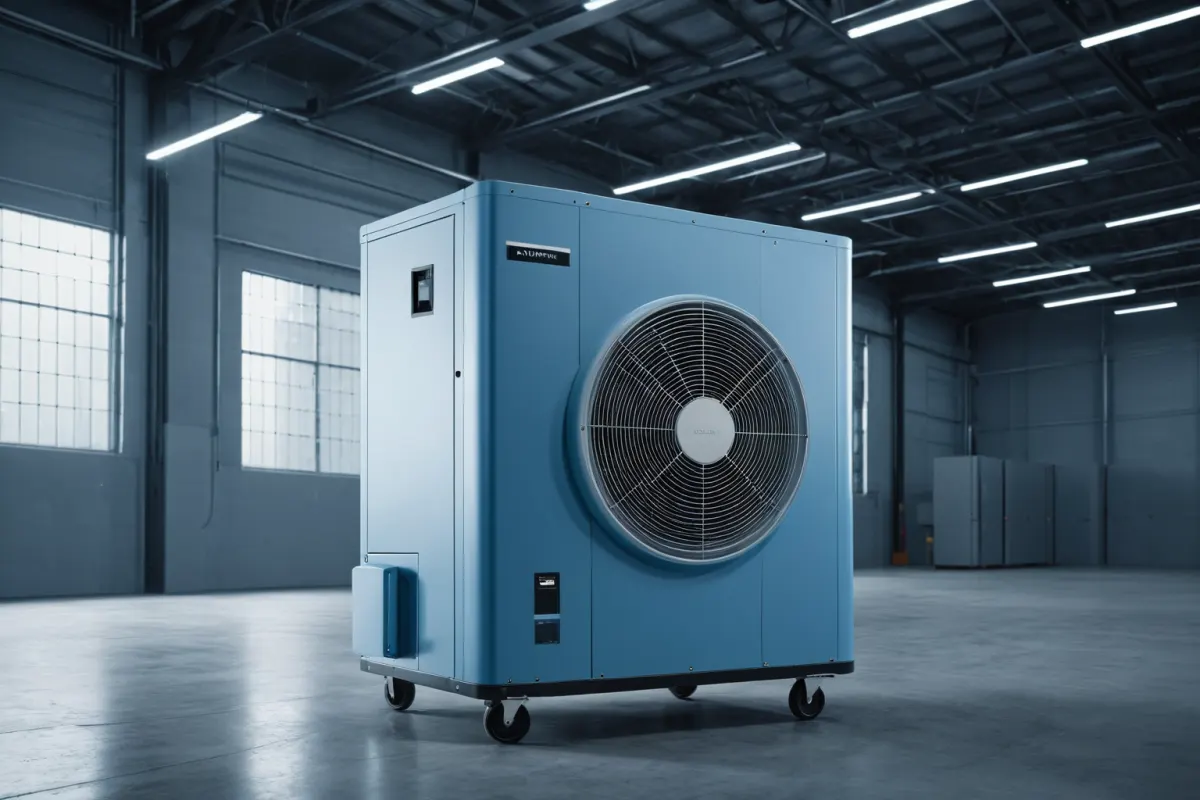
The term 'elephant air conditioner' is commonly associated with large, portable cooling equipment designed to cool expansive areas quickly. Unlike typical home-use portable ACs, these units have higher output and are better suited for environments like factories, warehouses, or temporary workspaces where heat generation is significant.
However, it's important to note that 'elephant air conditioner' is more of a colloquial nickname than a specific product line. When considering purchase or rental, always evaluate factors such as cooling coverage area, power requirements, exhaust system, and noise levels. Choosing based solely on the name might lead to disappointment in performance.
Why the Name 'Elephant'?
The nickname likely stems from the unit's large size and powerful cooling capacity. These devices typically move more air than standard indoor units and can handle higher heat environments.
For example, in welding areas or warehouses with frequent door openings where cool air escapes easily, a larger unit like this is often more practical than a smaller portable AC. Conversely, for small offices or studio apartments, such a large device could be unnecessarily powerful.
Explore similar topics in one place.
View Related ArticlesThe Key Difference Between Elephant ACs and Standard Portable ACs
Standard portable ACs are ideal for localized cooling within a single space or temporary use. They're relatively easy to install and move, making them popular in homes and small retail spaces.
Elephant ACs, on the other hand, are designed specifically for cooling large areas. Their purpose is less about providing a breeze nearby and more about lowering the overall temperature of the space.
To summarize:
- Portable AC: Easy to install, suitable for small spaces
- Elephant AC: High cooling power and airflow, ideal for large areas or high-heat workspaces
- Portable Heating & Cooling Units: Considered when both heating and cooling are needed
- Industrial Air Coolers: Often use water and air flow rather than refrigerants
Key Factors to Check Before Buying
First, consider the cooling coverage area. If the product's specified square footage or square meters is too low compared to your actual space, you may not experience effective cooling. This is especially true for spaces with high ceilings or frequent door openings—opt for a more generous size than advertised.
Next, check exhaust requirements. Portable ACs need to expel hot air outside to maintain performance, so ensure your space allows for exhaust hose installation. The type of exhaust (window-mounted, ceiling vent, or external connection) greatly affects usability.
Finally, evaluate power consumption and noise levels. Industrial or commercial portable ACs often require more power than standard outlets can provide, and they tend to be louder. If people will spend extended time in the space, consider actual usage scenarios beyond just the numbers.
Why Performance Varies by Location
The same unit can perform very differently depending on placement. For instance, placing it too close to a wall can block airflow, and positioning it near heat-generating equipment can reduce cooling efficiency. Therefore, for large portable ACs, aligning airflow direction and exhaust flow is crucial.
For example, if work concentrates on one side of a factory, placing the unit to target that area will be more efficient. Conversely, trying to cool an entire warehouse at once might result in higher electricity bills without significant comfort gains.
When Rental Makes Sense
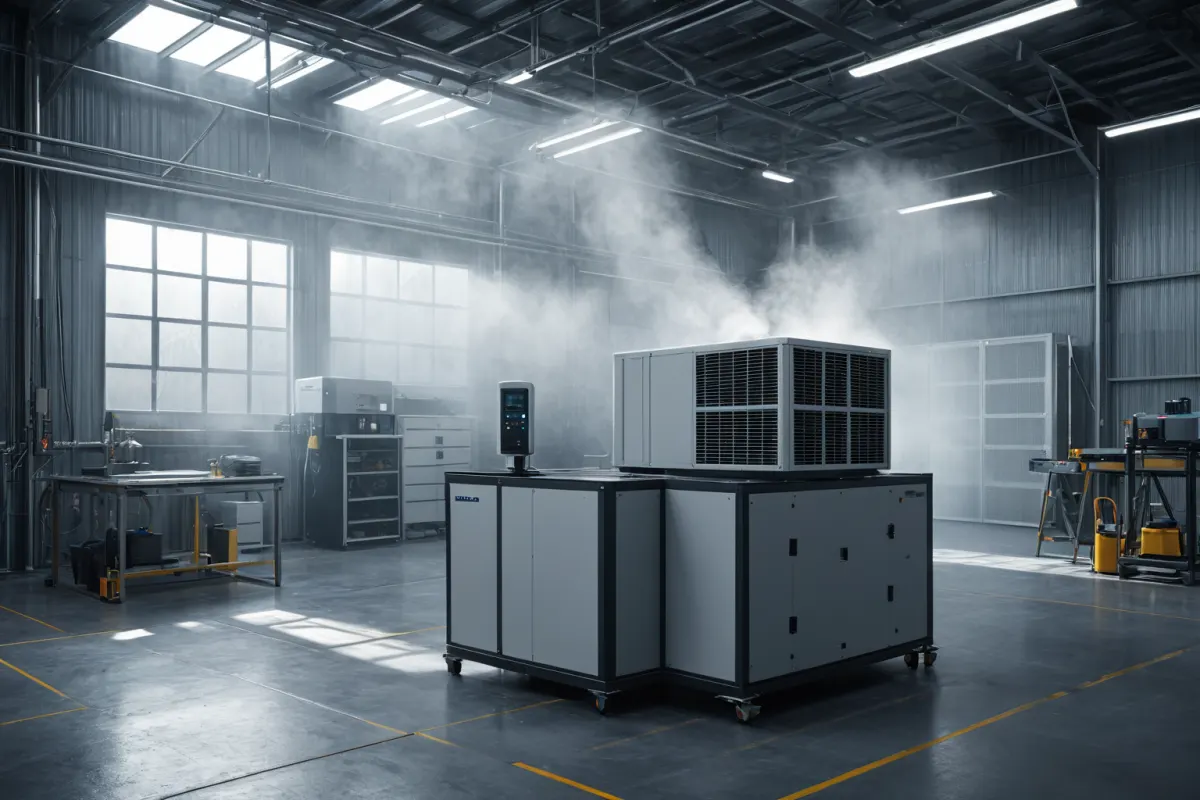
Elephant ACs are frequently rented due to their common use for temporary needs. Many businesses rent them for specific periods during summer or seasonal work, and rental services often include installation and removal, which is a major advantage.
If considering portable AC rentals, also assess installation feasibility, maintenance support, usage duration, and return conditions. In complex environments like factories, post-installation support matters more than just delivery.
Rental is convenient for short-term use but may be less cost-effective if the same cooling solution is needed annually. Consider usage frequency and site conditions before deciding between rental or purchase.
Real-World Examples of Selection
For instance, a small office around 20 square meters might be better served by a standard portable AC or wall-mounted unit. In contrast, a large workshop (around 100 square meters) with frequent door openings and high internal heat generation would benefit more from an elephant-style cooling system.
Another example: temporary event spaces or storage areas used only during summer may suit smaller portable units. However, in environments where poor cooling directly impacts productivity—such as manufacturing floors—it's advisable to prioritize industrial-grade ACs or commercial portable options.
Misunderstood Terms
'Elephant air conditioner,' 'portable AC,' and 'industrial air coolers' sound similar but operate differently. Air coolers often rely on water, making them sensitive to humidity and surrounding conditions, while portable ACs depend heavily on exhaust setup. Industrial equipment offers strong output but requires careful attention to power needs, noise levels, and placement.
Thus, rather than relying on names alone, clarify the space you need to cool, how frequently, and for how long. This will make product specifications much easier to interpret.
FAQ
Q. Is an 'elephant air conditioner' the same as a standard portable AC?
A. Not exactly. It's typically used to describe larger, more powerful units designed for extensive cooling needs rather than regular home use.
Q. Can I use an elephant AC in my home?
A. Technically yes, but it may be overpowered for typical residential spaces. Smaller portable ACs or alternative cooling methods are usually a better fit for homes.
Q. When is rental more cost-effective than purchase?
A. Renting makes sense for temporary needs like seasonal work periods, when site conditions change frequently, or when installation and removal would be inconvenient.
While 'elephant air conditioner' might sound like a simple large AC unit, its effectiveness varies greatly depending on the environment. For industrial portable ACs or commercial cooling systems, carefully review specifications and exhaust requirements before making a decision. However, product details and rental terms may change over time, so always double-check current information before finalizing your choice.
Continue exploring similar topics.
View Category ArticlesFAQ
Is an 'elephant air conditioner' the same as a standard portable AC?
Not exactly. It's typically used to describe larger, more powerful units designed for extensive cooling needs rather than regular home use.
Can I use an elephant AC in my home?
Technically yes, but it may be overpowered for typical residential spaces. Smaller portable ACs or alternative cooling methods are usually a better fit for homes.
When is rental more cost-effective than purchase?
Renting makes sense for temporary needs like seasonal work periods, when site conditions change frequently, or when installation and removal would be inconvenient.
Korean Source
This article is an English localization of a Korean-language report from BlogScore. Original: 코끼리에어컨이란? 이동식에어컨과 차이점 정리