
What Do Female Firefighters Actually Do on the Front Lines?
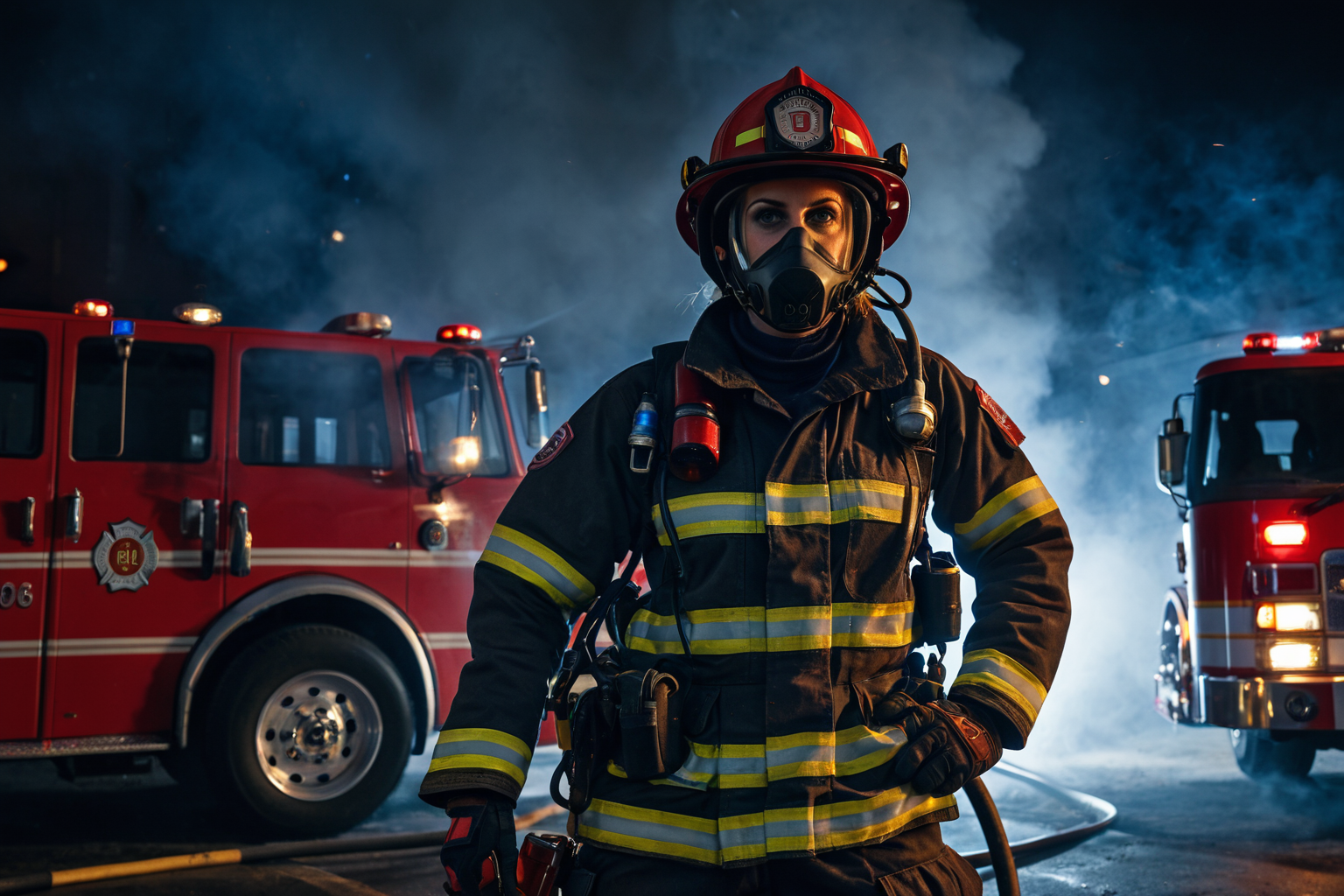
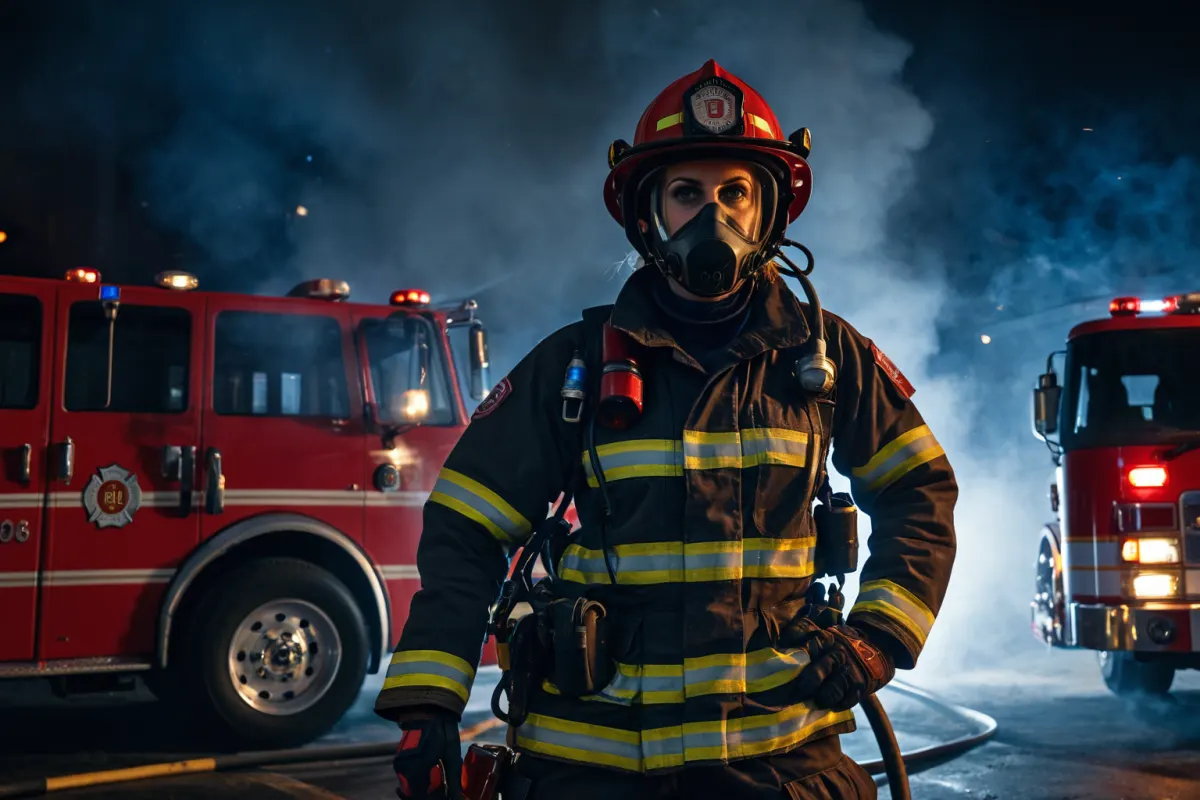
The deployment of female firefighters to the front lines isn't simply about whether they perform the same tasks as male counterparts. In reality, they handle fire suppression, rescue operations, emergency medical services, vehicle operation, and on-site safety management—roles that vary depending on department assignments and types of responses. Once deployed, qualifications, physical fitness, and team roles matter more than gender.
Many people wonder whether female firefighters are less involved in fieldwork, what specific tasks they handle, or if there are differences in physical demands or equipment use. The key point is this: female firefighters do engage in front-line work, but their responsibilities are specialized based on individual expertise and departmental assignments.
Front-Line Work Scope
Female firefighters aren't segregated from field duties. When a fire alarm is triggered, they respond to the scene and take on roles such as assisting with suppression, supporting rescue efforts, providing first aid, managing pipes, operating equipment, or controlling the site. As situations grow larger or more complex, tasks are distributed across teams rather than concentrated on one person, making teamwork essential.
For example, at an apartment fire scene, one team might prepare for interior entry while another assists with search-and-rescue and smoke removal. Emergency medical units focus on patient triage and transport readiness. Female firefighters can be assigned to any of these roles based on their specialty and the team's needs.
Explore similar topics in one place.
View Related ArticlesPhysical Requirements and Hiring Criteria
Whether someone can be deployed to the front lines depends more on meeting hiring standards and passing training than gender. Firefighting requires lifting heavy equipment, moving through tight spaces, and making quick decisions under pressure—so a certain level of physical fitness and repeated training is necessary. Female applicants must meet the same civil service recruitment criteria.
However, in practice, tasks aren't divided solely based on physical strength. For instance, pulling hoses into high-rise fires might be needed at one moment, while another scenario may prioritize medical assessment or situational judgment. Thus, individual strengths and team dynamics are both considered.
Common Roles for Female Firefighters
When people think of female firefighters on the front lines, they often picture fire suppression only. In reality, their roles are much broader. During rescue operations, they assist with accessing victims and assessing conditions; in medical units, they handle patient care and transport preparation. Reporting to command centers, documenting incidents, and equipment checks are also critical tasks.
Notably, female firefighters often excel in emergency medical services. Their presence can help calm patients before hospital transfer or provide more comfortable care for female patients during emergencies. Of course, this isn't a fixed role—depending on the situation, anyone may be assigned to whatever task is needed most urgently.
Driving and Equipment Operation
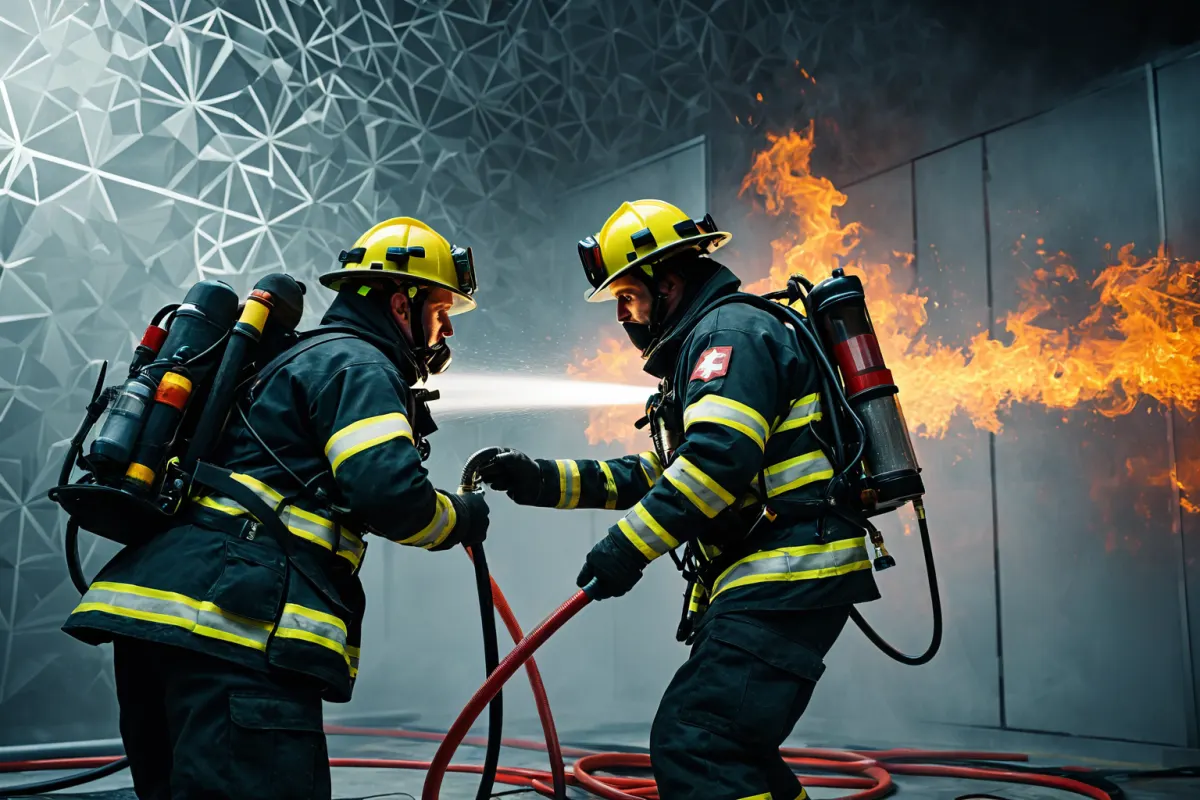
Female firefighters can also drive vehicles or operate equipment. Fire trucks, ambulances, and pumpers are crucial for rapid arrival at the scene, so driving skills matter. At the scene, it's not about who is assigned to drive but who can move safely and efficiently.
Equipment operation follows the same principle. Tasks like deploying hoses, checking pressure, inspecting air respirators, or assisting with cutting tools are learned through repeated training. Newcomers often start with equipment checks or support roles before taking on larger responsibilities.
Misunderstandings About Gender Bias
Discussions about gender bias arise because firefighting is widely seen as physically demanding and risky. Some assume that women may be limited in field deployment, but in reality, department assignments, work experience, qualifications, and training matter more. In more traditional organizations, perceived bias might still occur, leading to ongoing discussions.
For example, even among the same response team, some members focus on rescue operations while others handle medical support or administrative tasks. If these assignments seem gender-based, misunderstandings can arise. Clear communication about roles helps reduce unnecessary debates.
Female Firefighter Representation and Reality
The proportion of female firefighters has increased compared to the past, but it's still not high enough for many to notice them regularly in daily life. This gap between public perception and actual numbers leads some people to search online for communities like "female firefighter Daejeon" or similar topics—though real field operations are far more practical and structured than what’s shown in posts.
Experience matters more than gender on the job. Veteran firefighters quickly assess situations, know equipment locations, and navigate scenes efficiently. Newcomers stand out based on their skills rather than gender, making it difficult to assume roles strictly based on being female.
Real-Life Scenarios
For instance, imagine a house fire in the early morning: upon arrival, one team might contain smoke spread while another checks for people inside. Medical teams assess breathing and burn conditions of evacuated residents. Female firefighters could be involved in assisting with entry, patient care, hose support, or scene cleanup.
Another example involves traffic accidents requiring simultaneous tasks like opening car doors, protecting injured individuals, managing road closures, and providing first aid. Here, calmness and accurate judgment matter as much as physical strength. Front-line work isn't just about who's strongest—it requires precise sequencing and teamwork.
Common Misconceptions
A widespread misconception is that female firefighters don't go to the front lines often. In reality, they respond when needed—just like others—and their department or specialty determines involvement. Another myth is that women can't handle heavy equipment; however, proficiency comes with training and skill level.
Conversely, assuming all genders perform identical tasks overlooks how teamwork functions. Even within the same response, roles vary based on physical ability, experience, special skills, and daily assignments. So while two firefighters might respond to the same call, their specific duties could differ slightly.
How to View Female Firefighters
The most important perspective is to avoid preconceptions. Firefighting involves high risk and responsibility, so expertise—not gender—should determine who takes on a role. What matters at the scene is timely response and accurate collaboration, not judgments about gender.
In reality, fire departments don't just focus on fire suppression; they also handle medical care, rescue operations, prevention, education, vehicle maintenance, and documentation. Female firefighters play an essential part in this ecosystem. The answer to whether female firefighters can deploy is simply "yes," but the more meaningful question is how they contribute through their specific roles.
Frequently Asked Questions
Q1: Do female firefighters participate in fire suppression?
Yes, depending on the situation and assignment, they assist with suppression support, search-and-rescue, equipment operation, and more.
Q2: Are female firefighters assigned to drive vehicles?
They can be. Vehicle operation is based on role and training—not gender.
Q3: Does a low proportion of female firefighters mean less field work?
No, the ratio doesn't affect workload. Response teams operate collectively regardless of numbers, with roles assigned based on ability and placement.
The question isn't whether female firefighters can deploy—it's about what specific role they play in different scenarios. Firefighting relies on teamwork and expertise, so adaptability and training matter more than gender. For the latest staffing or policy changes, check official announcements from relevant agencies.
Continue reading similar topics.
View Category ArticlesFAQ
Do female firefighters participate in fire suppression?
Yes, depending on the situation and assignment, they assist with suppression support, search-and-rescue, equipment operation, and more.
Are female firefighters assigned to drive vehicles?
They can be. Vehicle operation is based on role and training—not gender.
Does a low proportion of female firefighters mean less field work?
No, the ratio doesn't affect workload. Response teams operate collectively regardless of numbers, with roles assigned based on ability and placement.
Korean Source
This article is an English localization of a Korean-language report from BlogScore. Original: 여성 소방관 현장 투입, 실제로 어떤 일을 할까