
What Are Hydrogen Facilities and Where Are They Installed?
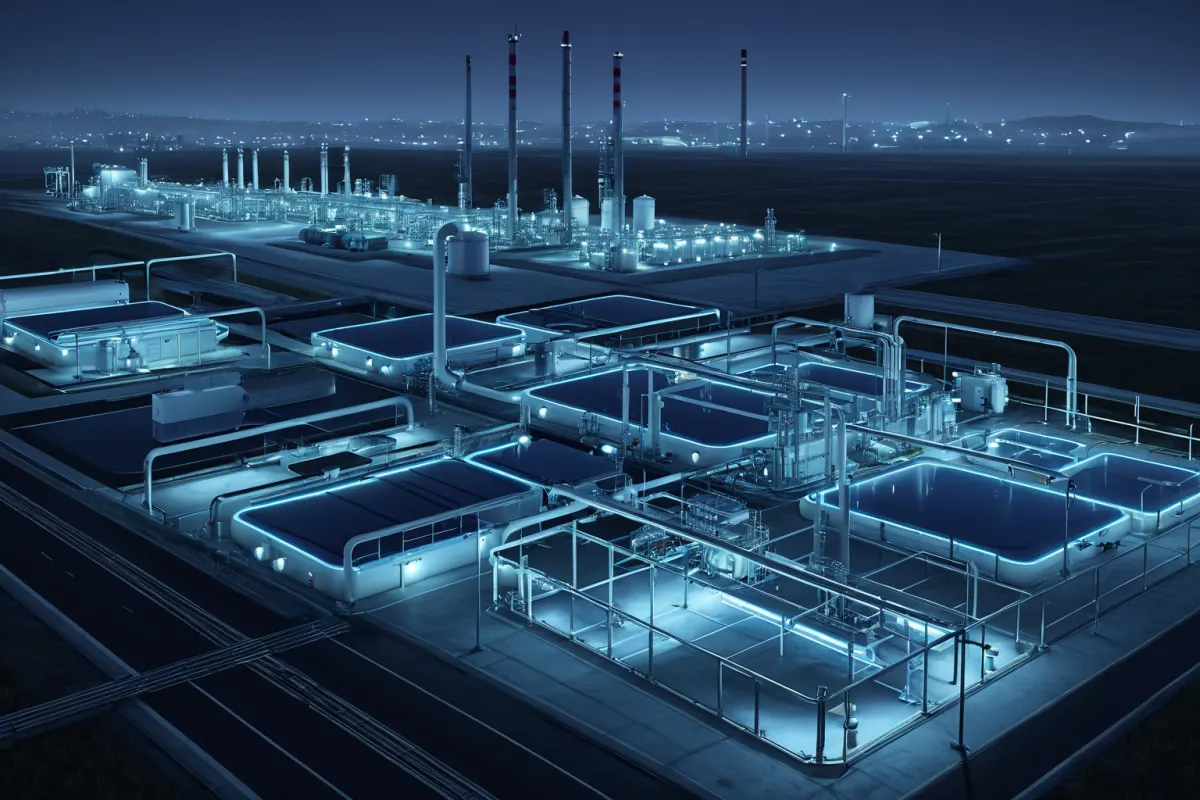
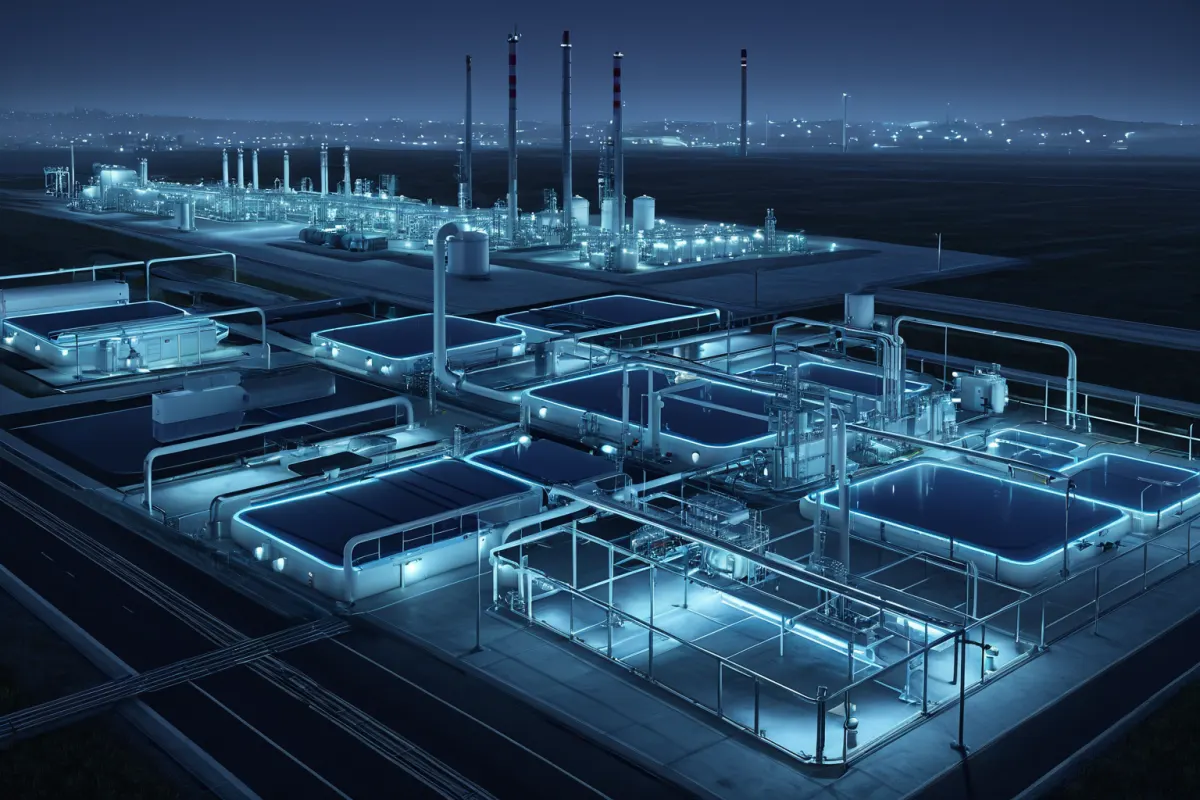
Hydrogen facilities refer to the equipment needed to store, transport, and use hydrogen safely. Think of them as hydrogen refueling stations, storage tanks, pipelines, compressors, and safety devices. The location depends on how hydrogen is used, but they are typically placed in areas with easy road access like gas stations, industrial zones, near power plants, or close to factories that consume large amounts of hydrogen.
Basic Concept of Hydrogen Facilities
Hydrogen facilities are not just storage locations. They represent the entire system for receiving, regulating pressure, and supplying hydrogen as needed. Once installed, they go beyond simple storage—they include safety inspections, leak detection, and pressure management.
The most familiar example in daily life is a hydrogen refueling station. Since it supplies fuel to hydrogen vehicles, it needs to be close to roads with easy vehicle access and turning space. In contrast, industrial or power-generation facilities prioritize large-scale storage and pipeline connections, so they require much larger plots of land.
You can view similar articles on this topic all at once.
View Related ArticlesWhere Hydrogen Facilities Are Installed
Hydrogen facilities cannot be placed anywhere. The first consideration is safety distance and surrounding environment—ensuring they are not too close to residential areas, avoiding conflicts with high-traffic facilities, and having structures that minimize fire or explosion risks.
Common locations include:
- Near gas stations with easy road access
- Vacant land within industrial zones
- Areas frequented by large vehicles like logistics centers
- Surrounding power plants or factories that use hydrogen
For example, if an area has many hydrogen-powered taxis or buses, a location near urban outskirts or major highways may be suitable. Industrial storage facilities, however, prioritize pipeline connections and process efficiency over vehicle accessibility.
Key Factors in Choosing Installation Sites
When determining where to install hydrogen facilities, safety and legal standards take priority over convenience. Key factors include land size, fire truck access, ventilation conditions, terrain, and distance from surrounding facilities. Hydrogen is light and spreads quickly, so the structure must allow for easy response if a leak occurs.
Common check points at sites are:
- Maintaining adequate distance from nearby buildings
- Ensuring vehicle entry and exit routes
- Installing gas leak detectors and cutoff devices
- Designing structures that allow easy evacuation in emergencies
- Providing accessible maintenance spaces for regular inspections
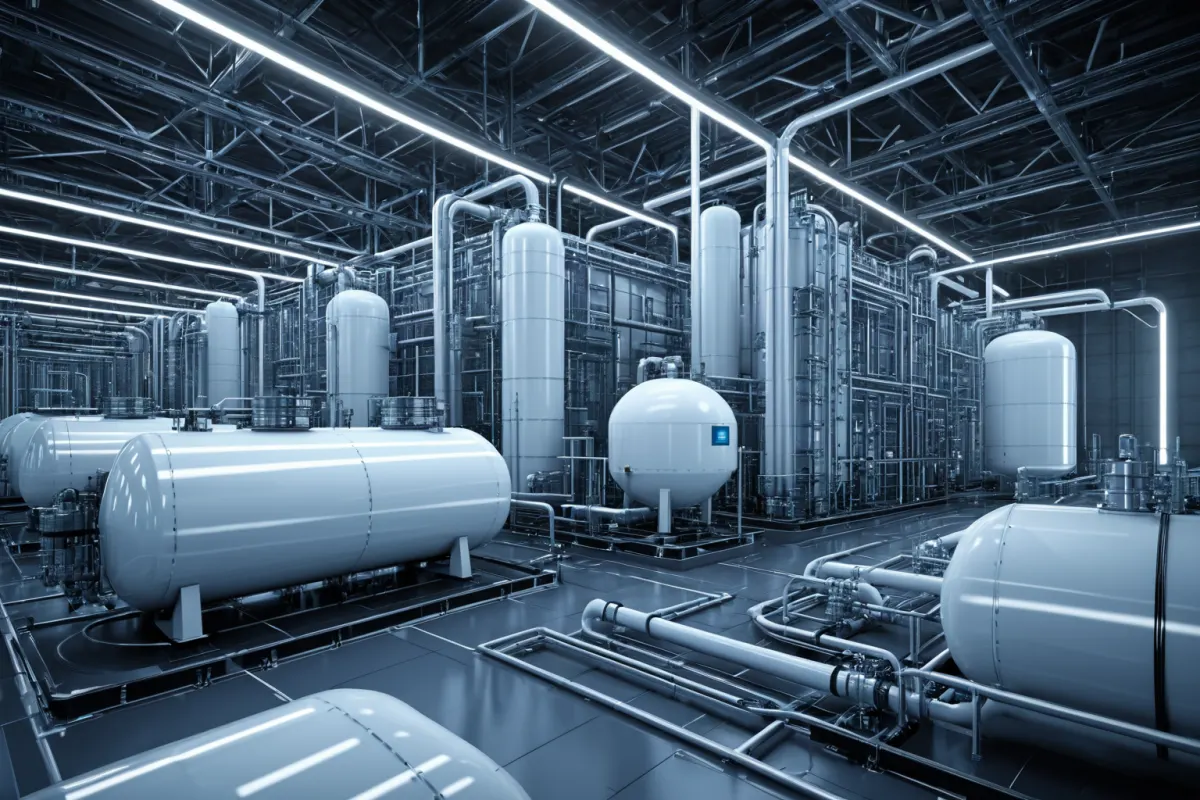
While hydrogen refueling stations may look simple from the outside, they contain complex internal systems like compressors, storage tanks, pipelines, and control devices.
Why Installation Near Residential Areas Requires Caution
When hydrogen facilities are proposed near residential areas, residents often worry about noise, safety, and traffic. These concerns are natural. Although hydrogen is known as an eco-friendly fuel, the facilities handle high-pressure gas, making management standards critical.
Not all hydrogen facilities pose risks. Facilities that meet legal requirements and have proper safety equipment operate under strict procedures. In reality, acceptable distances vary depending on surrounding environment and facility type—so it’s not a matter of ‘never allowed,’ but rather understanding the specific setup and installation method.
Misunderstandings About Hydrogen Facilities
Many people confuse hydrogen facilities with hydrogen refueling stations. While they overlap, they are not identical—the former is a broader concept, while the latter is just one type of facility within it.
Another common confusion relates to storage methods: whether hydrogen is stored as gas under high pressure or in liquid form affects required equipment and site conditions. Liquid hydrogen facilities require more cooling systems, while gaseous hydrogen facilities focus on pressure management and safety valves.
For example, a refueling station for large logistics vehicles needs wider turning radius and waiting space compared to stations designed for passenger cars. These differences mean that even within the same category of hydrogen facility, structures can look quite different depending on location and purpose.
What to Look For in Daily Life
If a hydrogen facility is planned nearby, it’s important to look beyond just the location—consider how it will be operated. Key factors include who manages it, whether there’s an emergency response system, and how regular inspections are conducted. Often, operational standards matter more than appearance.
When you hear about facilities being installed nearby, checking blueprints or explanatory materials for storage capacity, access roads, safety distances, and noise control measures can help clarify concerns and reduce anxiety.
When to Check Latest Information on Hydrogen Facilities
Hydrogen facility regulations, safety standards, and installation criteria may change. For new installations or permits, it’s best to consult the latest official information, as specific requirements can vary by region.
FAQ
Q1: Do hydrogen facilities only go on the outskirts?
A: Not necessarily. If safety and accessibility standards are met, they can be installed near urban areas too. However, suitable locations depend on facility type.
Q2: Are hydrogen refueling stations and hydrogen facilities the same thing?
A: No. Hydrogen refueling stations are one type of hydrogen facility. Hydrogen facilities encompass all equipment for storing, transporting, and supplying hydrogen.
Q3: If a hydrogen facility is being built nearby, what should I check first?
A: First, look at the facility type, safety distance, access routes, and emergency response systems. Operational safety standards matter more than just location.
Continue exploring similar topics.
View Category ArticlesFAQ
Do hydrogen facilities only go on the outskirts?
Not necessarily. If safety and accessibility standards are met, they can be installed near urban areas too. However, suitable locations depend on facility type.
Are hydrogen refueling stations and hydrogen facilities the same thing?
No. Hydrogen refueling stations are one type of hydrogen facility. Hydrogen facilities encompass all equipment for storing, transporting, and supplying hydrogen.
If a hydrogen facility is being built nearby, what should I check first?
First, look at the facility type, safety distance, access routes, and emergency response systems. Operational safety standards matter more than just location.
Korean Source
This article is an English localization of a Korean-language report from BlogScore. Original: 수소시설이란 무엇이고 어디에 설치될까