
Web Designer AI Response Strategy: How Your Workflow Will Change
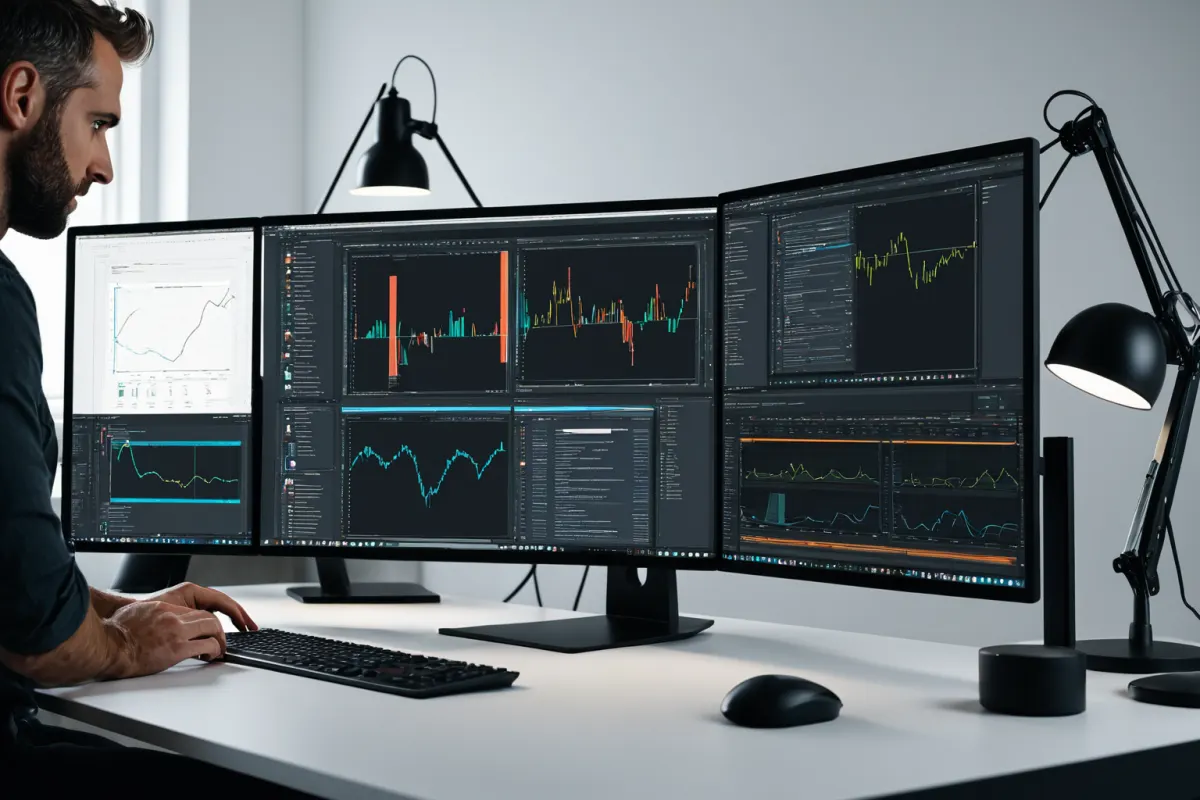
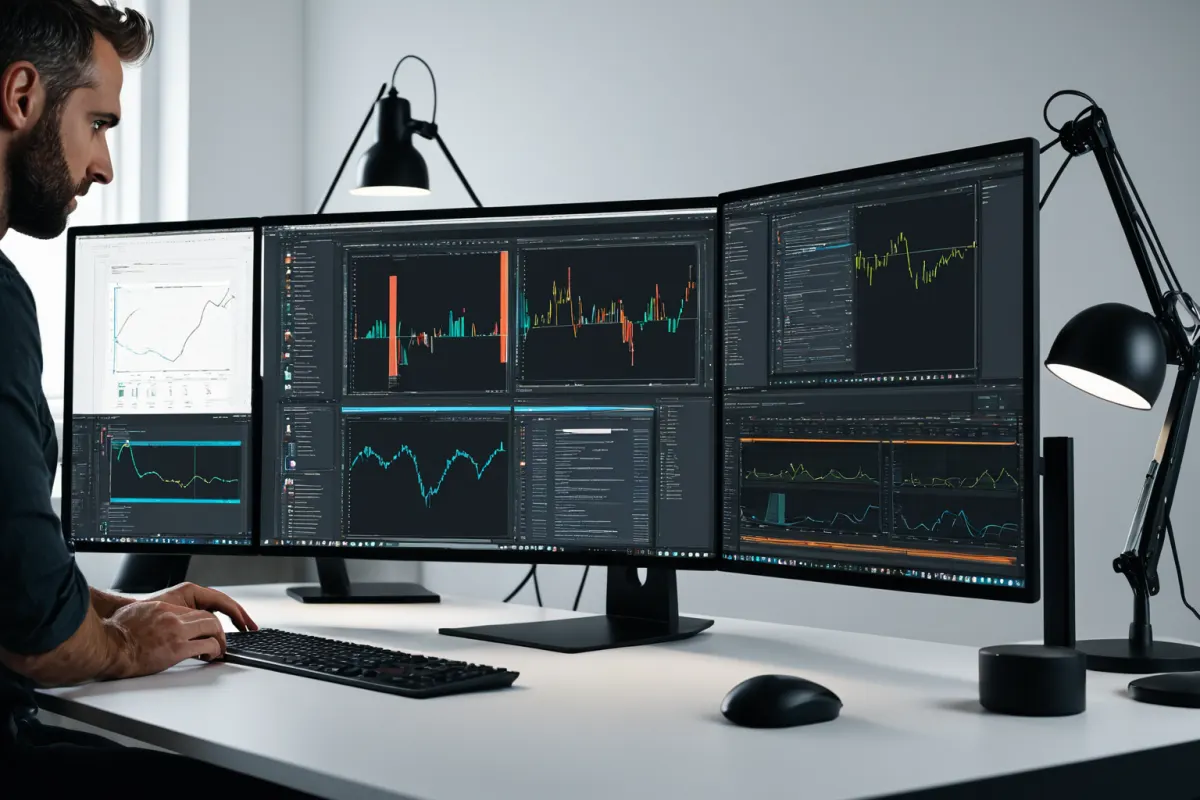
Will web designers disappear in the age of AI? The short answer is no. However, the role and workflow of web designers are rapidly evolving. AI is not replacing web designers but rather evolving into a tool, meaning that those who learn to use it effectively will thrive.
The reality is more interesting: as AI image generators, automated layout systems, and design automation platforms emerge, repetitive tasks are decreasing. At the same time, client demands have become more complex, making human-centric areas like personalized experience design, understanding user psychology, and creative problem-solving even more critical.
How AI Is Changing Web Design Work
The most noticeable change is increased productivity. Today's web designers use AI image generation tools to create work-ready images in minutes and automated design template builders to draft initial concepts before refining them. Tools like Figma's AI features, Adobe Firefly, and Midjourney have become everyday essentials.
Coding tasks are also changing. In the past, designers had to hand off designs to developers. Now, AI code generation tools can convert designs directly into HTML/CSS. This means web designers can take on slightly more development-oriented work.

New Skills Web Designers Need
Proficiency with AI tools has become a baseline requirement. Prompt engineering—the ability to clearly instruct AI on what to create—has become an essential skill. The quality of the prompt directly affects the outcome.
The importance of user experience (UX) design skills has actually increased. While layout creation is handled by tools, determining why certain elements should be placed where they are, understanding what users want, and aligning with business goals remain human responsibilities.
Creative problem-solving abilities have also become more important. To create distinctive designs that stand out from AI templates, designers must develop their own visual perspective rather than relying solely on AI-generated frameworks. Designers who follow trends while adding their unique viewpoint will maintain competitive advantage.
Realistic Changes in Work Practices
You can find similar articles on this topic all in one place.
View Related ArticlesThe process of web design projects is changing. Where the past involved planning → wireframes → design → coding, today's workflow leverages AI tools for faster prototyping and iterative refinement.
Collaboration methods have also shifted. The line between designer and developer roles has blurred. More designers are using AI code generation tools to build basic structures, with developers then enhancing them further.
Additionally, the ability to evaluate and refine AI-generated results has become critical. While AI works quickly, it's not perfect. Designers now often serve as the 'critic' of AI outputs.
Strategies for Web Designers to Thrive
First, learn AI tools quickly. Don't fear them—adopt and integrate them into your workflow early. Within three months, these tools will become standard practice.
Second, strengthen what AI can't do: brand storytelling, design based on user research, and creative idea generation. Designers who create value in these areas will remain relevant through any era.
Third, consider becoming a full-stack designer. Demand is growing for designers who combine UI/UX skills with basic development abilities, rather than focusing solely on visual design.
Fourth, develop specialization. Becoming an expert in web design within specific industries (such as SaaS, e-commerce, or healthcare) creates value that AI cannot easily replicate.
Frequently Asked Questions
Can AI completely automate web design?
Currently, this is not possible. While AI can quickly create template-based standardized designs, complex requirements, a brand's unique identity, and user-specific needs still require human expertise. For the foreseeable future, AI will remain a tool rather than a replacement.
What skills should web designers prioritize learning?
The immediate priority is mastering AI tools and basic prompt engineering. Next, deepen your understanding of UX/UI fundamentals, and if possible, learn basic HTML/CSS. This allows you to give more precise instructions to AI and better evaluate the results.
What does the job outlook for web designers look like in 2026?
The profession itself is expected to remain stable. However, required skills will evolve. Demand will grow for designers who can work effectively with AI while maintaining creative, strategic thinking—rather than those who only create basic designs. Now is an optimal time to upskill.
This article is based on general industry trends in AI and web design. As technology evolves rapidly, we recommend consulting official documentation from AI tool providers and industry experts for the latest information.
Continue exploring similar topics.
View Category ArticlesFAQ
Can AI completely automate web design?
Currently, this is not possible. While AI can quickly create template-based standardized designs, complex requirements, a brand's unique identity, and user-specific needs still require human expertise. For the foreseeable future, AI will remain a tool rather than a replacement.
What skills should web designers prioritize learning?
The immediate priority is mastering AI tools and basic prompt engineering. Next, deepen your understanding of UX/UI fundamentals, and if possible, learn basic HTML/CSS. This allows you to give more precise instructions to AI and better evaluate the results.
What does the job outlook for web designers look like in 2026?
The profession itself is expected to remain stable. However, required skills will evolve. Demand will grow for designers who can work effectively with AI while maintaining creative, strategic thinking—rather than those who only create basic designs. Now is an optimal time to upskill.
Korean Source
This article is an English localization of a Korean-language report from BlogScore. Original: 웹디자이너 AI 대응 전략: 작업 방식이 어떻게 달라질까