
5 Key Points to Consider When Applying for Water Treatment Plant Hygiene Safety Certification
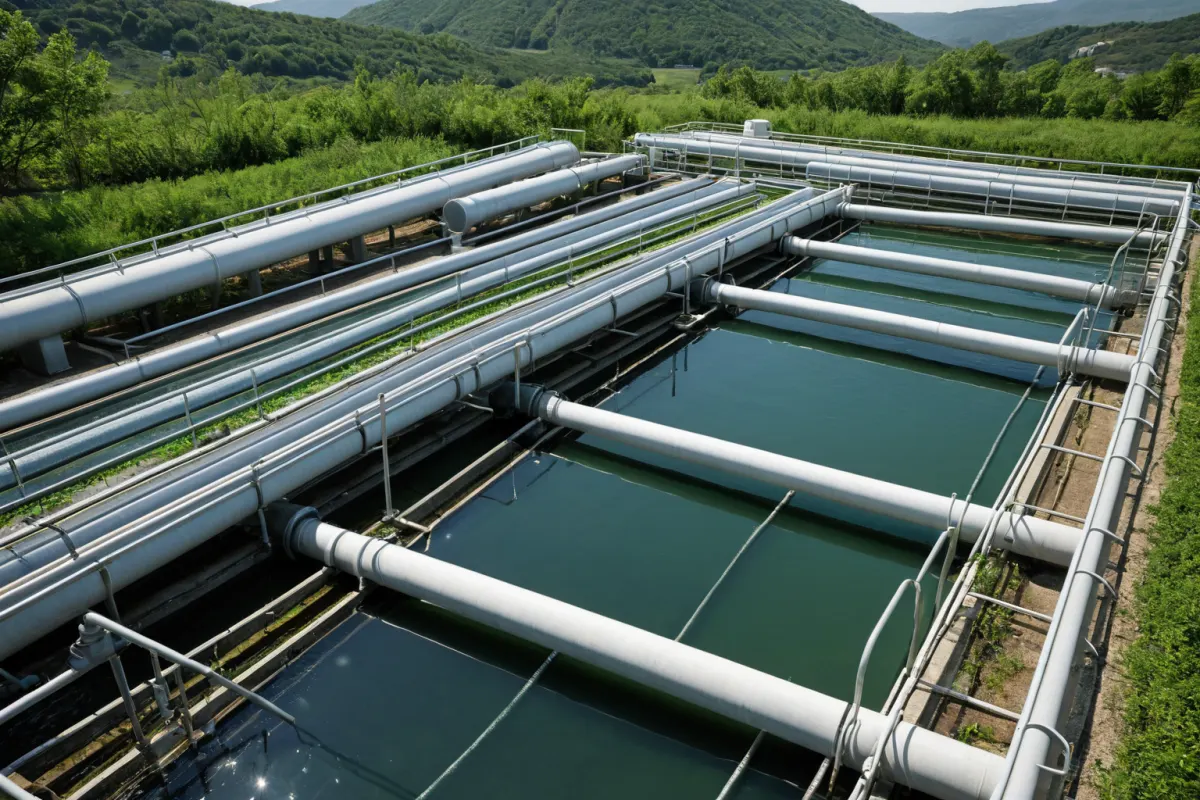
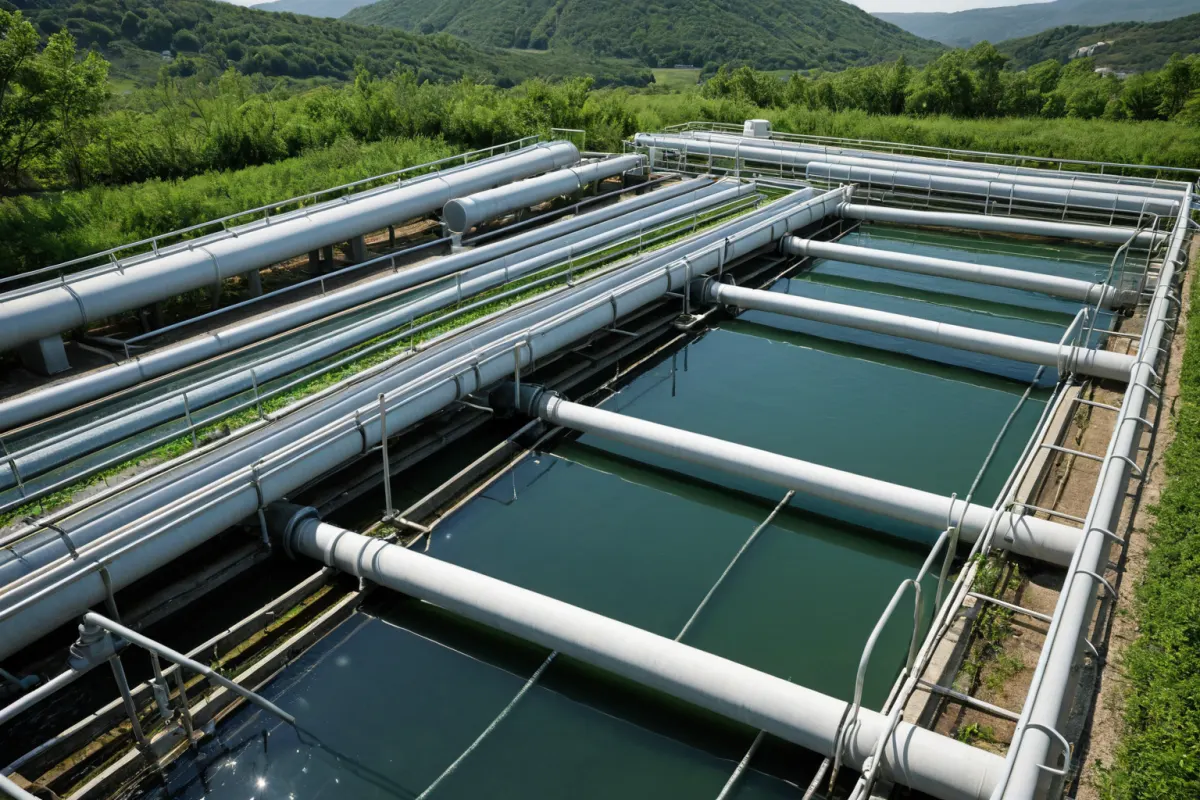
Application Process for Water Treatment Plant Hygiene Safety Certification
The Water Treatment Plant Hygiene Safety Certification is a system introduced by the Ministry of Environment, starting implementation in 2025. Seoul Gangbuk Ari Su Water Treatment Center became the first facility nationwide to obtain this certification after undergoing a rigorous 365-day verification process. The certification aims to systematically strengthen water quality management, particularly addressing recent public concerns about tap water safety and building trust among citizens.
This certification process goes beyond simple paperwork submission; it comprehensively evaluates the entire hygiene management system of water treatment plant operations. As seen in the case of Seoul Gangbuk Ari Su Water Treatment Center, obtaining certification requires multi-faceted assessments including water quality testing, facility inspections, and review of management processes.
You can find similar articles in one place.
View Related ArticlesPurpose of the Certification System
The primary goal of the Water Treatment Plant Hygiene Safety Certification is to improve water safety and support citizens in drinking tap water with confidence. The Ministry of Environment plans to comprehensively strengthen tap water management systems through this certification, focusing on reducing public anxiety amid steadily increasing complaints about tap water over the past five years.
The certification serves not only to meet technical standards but also to enhance transparency and accountability in plant operations. This allows citizens to directly verify water safety and obtain reliable information. Additionally, certified facilities can actively engage with communities through open communication channels regarding water quality management, building trust through transparent disclosure.
Essential Pre-Application Checks
Before applying for the Water Treatment Plant Hygiene Safety Certification, you must verify these five key points. First, the certification system began in 2025, with Seoul Gangbuk Ari Su Water Treatment Center being the first to obtain it.
Second, the certifying body is the Ministry of Environment (now Climate Ministry), which evaluates and issues certifications for water treatment plant hygiene safety levels. During the assessment process, the Korea Water Technology Certification Institute, an agency under the Ministry, collaborates on verification work.
Third, you must confirm all required documents and inspection items before applying. The certification requires various materials including water quality test reports, management process documentation, and facility inspection records, some of which need regular updates.
Fourth, the application process involves a 365-day verification period during which water quality testing and hygiene management status must be continuously monitored. Verification criteria may vary based on plant size, operational environment, and regional characteristics.
Fifth, as the certification expands nationwide, it's important to check region-specific implementation details. As seen with Seoul Gangbuk Ari Su Water Treatment Center, local governments may operate their own verification programs, so gathering this information in advance is recommended.
Case Study and Achievements of Obtaining Certification
Seoul Gangbuk Ari Su Water Treatment Center obtained the nation's first Water Treatment Plant Hygiene Safety Certification on July 26, 2026. This achievement followed the Ministry of Environment's comprehensive tap water hygiene management plan and development strategy for certification systems in the water sector.
The Seoul government verified the plant's water safety through a continuous 365-day process, contributing to citizens' confidence in drinking tap water. Notably, Gangbuk Ari Su Water Treatment Center publicly shared monthly water quality test results and actively engaged with residents to address concerns, which were key factors in obtaining certification.
The Climate Ministry plans to fully expand this certification system nationwide. The Seoul Gangbuk Ari Su case is becoming a model for other treatment plants across the country, expected to positively influence operations at facilities nationwide.
Key Points to Note When Applying
First, confirm the exact application period. Since implementation began in 2025, application periods may change annually. The deadline can vary depending on plant size and regional characteristics, so it's essential to check the latest information on the Ministry of Environment's official website.
Second, verify the most current information through the Ministry of Environment (Climate Ministry) official website. Certification regulations and required documents are continuously updated. For example, the required documentation in 2025 may differ from that in 2026, so checking annual updates is crucial.
Third, familiarize yourself with water quality testing and hygiene management standards before applying. To obtain certification, these standards must be met; failure to meet them could lead to additional inspections. Recent revisions by the Ministry of Environment have changed some inspection items, so it's advisable to gather this information in advance.
Fourth, ensure application documents are free from errors or omissions. Missing information or inaccurate details can delay or result in rejection of certification applications. The accuracy and validity period of water quality test reports directly impact application success, requiring particular attention.
Fifth, regular inspections remain important after certification is obtained. Certification isn't a one-time process but requires ongoing management and verification. For example, annual additional inspections may be required, and failure to meet these requirements could lead to certification cancellation.
Expansion Plan for the Certification System
The Ministry of Environment plans to expand the Water Treatment Plant Hygiene Safety Certification nationwide. The Climate Ministry intends to fully promote this system, with more treatment plants expected to obtain certification in the coming years.
As seen with Seoul Gangbuk Ari Su Water Treatment Center, verification processes may vary by region. Therefore, tailored approaches considering local characteristics and requirements are necessary. For example, water treatment facilities in metropolitan areas like Seoul, due to high population density, might face stricter standards, while regional plants could have different verification procedures based on environmental conditions.
Within the next three years, approximately 70% of major water treatment plants nationwide are expected to obtain certification. This will be achieved through enhanced cooperation between the Ministry of Environment and local governments, with accelerated expansion anticipated as public interest in water quality management continues to grow.
How to Verify Key Information About Certification
Accurate information about the Water Treatment Plant Hygiene Safety Certification can be found on the official website of the Ministry of Environment. For reference, Seoul has successfully achieved certification through a continuous 365-day verification process.
Since regulations are updated annually, it's essential to verify the latest details before applying. The certification system focuses on strengthening tap water hygiene management, so understanding related regulations and standards is crucial.
The application procedure and required document list are available for download on the Ministry of Environment website. For additional inquiries, direct contact with the relevant department is recommended. Specifically, facility managers should prepare in advance to apply for certification by late December each year for the following year.
Frequently Asked Questions
When did the Water Treatment Plant Hygiene Safety Certification system begin?
The Water Treatment Plant Hygiene Safety Certification system began implementation in 2025. Seoul Gangbuk Ari Su Water Treatment Center became the first nationwide to obtain certification on July 26, 2026.
Which agency issues the certification?
The Ministry of Environment (now Climate Ministry) is the official certifying body for water treatment plant hygiene safety. This ministry evaluates tap water safety and hygiene management standards.
What documents are required to apply for certification?
The exact list of required documents can be found on the Ministry of Environment website. Typically, it includes water quality test reports, hygiene management plans, and other supporting documentation.
Continue exploring articles with similar topics.
View Category ArticlesFAQ
When did the Water Treatment Plant Hygiene Safety Certification system begin?
The Water Treatment Plant Hygiene Safety Certification system began implementation in 2025. Seoul Gangbuk Ari Su Water Treatment Center became the first nationwide to obtain certification on July 26, 2026.
Which agency issues the certification?
The Ministry of Environment (now Climate Ministry) is the official certifying body for water treatment plant hygiene safety. This ministry evaluates tap water safety and hygiene management standards.
What documents are required to apply for certification?
The exact list of required documents can be found on the Ministry of Environment website. Typically, it includes water quality test reports, hygiene management plans, and other supporting documentation.
Korean Source
This article is an English localization of a Korean-language report from BlogScore. Original: 정수장 위생안전 인증 신청 시 주의할 점 5가지