
Warren Buffett Steps Down as Berkshire Hathaway Chairman: Market Reactions and Outlook

Buffett's Departure and Changes at Berkshire Hathaway
At 96 years old, Warren Buffett announced his departure from the chairman position at Berkshire Hathaway, marking the end of a 56-year leadership that shaped its investment philosophy. His son Howard will succeed him as chairman, while Buffett transitions to an honorary role. Berkshire's cash reserves have reached a record high of 546 trillion won.
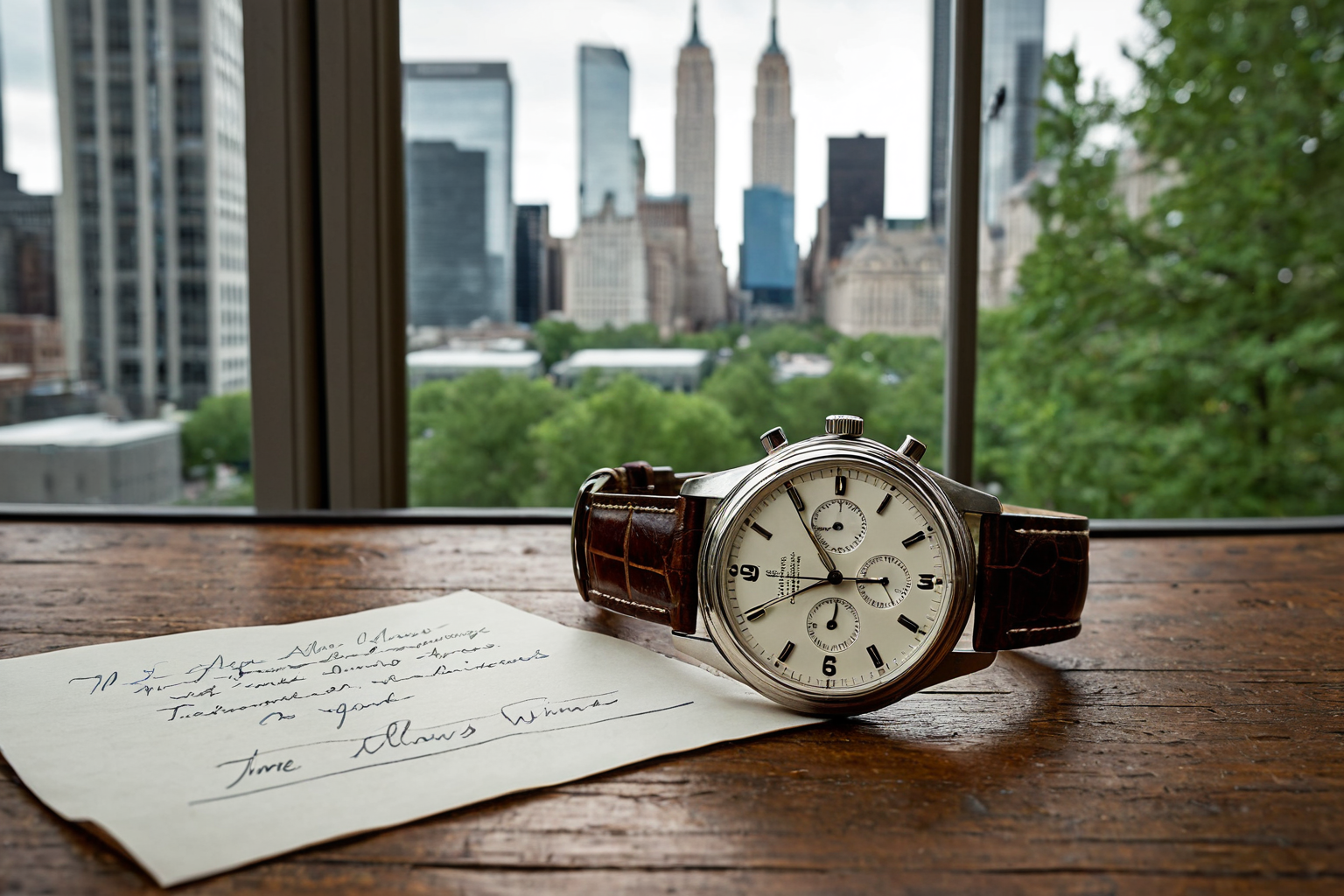
Key Facts: Departure and Succession
Warren Buffett, at age 96, stepped down as chairman of Berkshire Hathaway, with his son Howard taking over. This marks the first time in Berkshire's history that leadership has transitioned within the family. Buffett will remain on the board but will serve as honorary chairman.
Buffett's announcement was made on September 18, 2026, and was widely reported by major media outlets including Yonhap News Agency. The reports emphasized his message: 'Time always wins.'
Event Background: Market Reactions and Stock Movements
Following Buffett's announcement, Berkshire Hathaway shares dropped 1.4%, reflecting market uncertainty. Analysts attribute this to concerns over the potential loss of the so-called 'Buffett Premium,' which refers to investor confidence and preference for companies led by Buffett. His departure raises questions about whether this premium will weaken.
Berkshire's cash holdings of 546 trillion won represent a record high, but this may signal that the stock market is overvalued. Buffett has long favored investing in undervalued assets, and his strategy often involves holding significant cash reserves as a buffer against market volatility.
Investigation: Reasons Behind the Departure
Buffett, now 96, decided to step back from day-to-day operations due to age. His son Howard, 72, is seen as well-suited to lead Berkshire. Buffett left behind his message: 'Time always wins,' which reflects his long-term investment philosophy.
The record cash holdings of 546 trillion won are tied to Buffett's long-term strategy. He has preferred holding cash in an overvalued market, positioning the company to act when opportunities arise. Berkshire has also maintained a diversified portfolio across various industries rather than focusing on any single sector like semiconductors.
Response and Safety Information: Wall Street Reactions and Outlook
Wall Street expressed concerns about the potential loss of the 'Buffett Premium,' with some analysts predicting Berkshire shares could drop 10% in the short term. This was compounded by strong semiconductor stock performance, which added to market volatility.
While U.S. markets showed mixed trends amid broader economic conditions, South Korea's KOSPI surged despite U.S. and Japanese interest rate hikes, with semiconductor stocks leading gains—a trend analysts say is unrelated to Buffett's departure.
Verified Information: Further Research Needed
Buffett's 56-year tenure has been confirmed, but specific details about his exit timeline and the exact succession process remain undisclosed. Additionally, the breakdown of Berkshire's 546 trillion won in cash reserves is not publicly available, requiring further market analysis.
Discussions about Buffett potentially investing in Bitcoin have surfaced, though this remains unconfirmed and requires more reporting. More data will be needed to analyze how Berkshire's stock movements and strategic shifts may evolve over time.
Frequently Asked Questions
How might Berkshire Hathaway's strategy change after Buffett's departure?
Howard, as the new chairman, is expected to continue Buffett's long-term investment philosophy. However, market volatility due to the potential loss of the 'Buffett Premium' should be considered.
Why is Berkshire Hathaway's cash reserve of 546 trillion won significant?
This figure reflects an overvalued stock market and provides a foundation for Buffett's long-term strategy. Holding cash allows Berkshire to prepare for market fluctuations, which aligns with its historical approach.
What impact could the loss of the 'Buffett Premium' have on the stock price?
Analysts suggest shares might drop up to 10% in the short term due to the loss of the premium. However, Berkshire's diversified portfolio may help mitigate volatility over the long run.
Buffett's departure marks a pivotal moment in Berkshire Hathaway's history. His 56-year leadership and long-term investment approach will continue to influence markets. The record cash reserves of 546 trillion won reflect Buffett's strategy amid market overvaluation, requiring further analysis for future investment strategies.
Berkshire's stock fluctuations following the announcement reflect both the news itself and concerns about the 'Buffett Premium' fading—a key indicator of market trust and strategic shifts. Howard's succession represents new leadership responsible for Berkshire's future, which is expected to maintain its long-term investment philosophy while influencing markets.
Amid these changes, Berkshire's 546 trillion won in cash reserves reflect an overvalued stock market and serve as a strategic buffer against volatility. Wall Street also anticipates that Buffett's message—'Time always wins'—will continue guiding investment strategies moving forward.
Media coverage of Buffett's departure has prompted deeper analysis, particularly regarding the significance of cash holdings and stock movements. Collecting more data on these factors will be important as Berkshire navigates this transition. As Howard leads the company, investors will also watch how his strategic decisions impact market dynamics.
These changes go beyond a single leadership shift—they call for reevaluating long-term investment philosophies and market structures. Buffett's message 'Time always wins' will likely continue inspiring investors to adhere to long-term strategies, serving as an important benchmark in the years ahead.
Explore more articles on this topic.
View Related ArticlesFAQ
How might Berkshire Hathaway's strategy change after Buffett's departure?
Howard, as the new chairman, is expected to continue Buffett's long-term investment philosophy. However, market volatility due to the potential loss of the 'Buffett Premium' should be considered.
Why is Berkshire Hathaway's cash reserve of 546 trillion won significant?
This figure reflects an overvalued stock market and provides a foundation for Buffett's long-term strategy. Holding cash allows Berkshire to prepare for market fluctuations, which aligns with its historical approach.
What impact could the loss of the 'Buffett Premium' have on the stock price?
Analysts suggest shares might drop up to 10% in the short term due to the loss of the premium. However, Berkshire's diversified portfolio may help mitigate volatility over the long run.
Korean Source
This article is an English localization of a Korean-language report from BlogScore. Original: 버핏 회장 퇴진, 월가의 반응과 시장 전망