
15 Warm and Thoughtful Chuseok Greetings for Family and Relatives
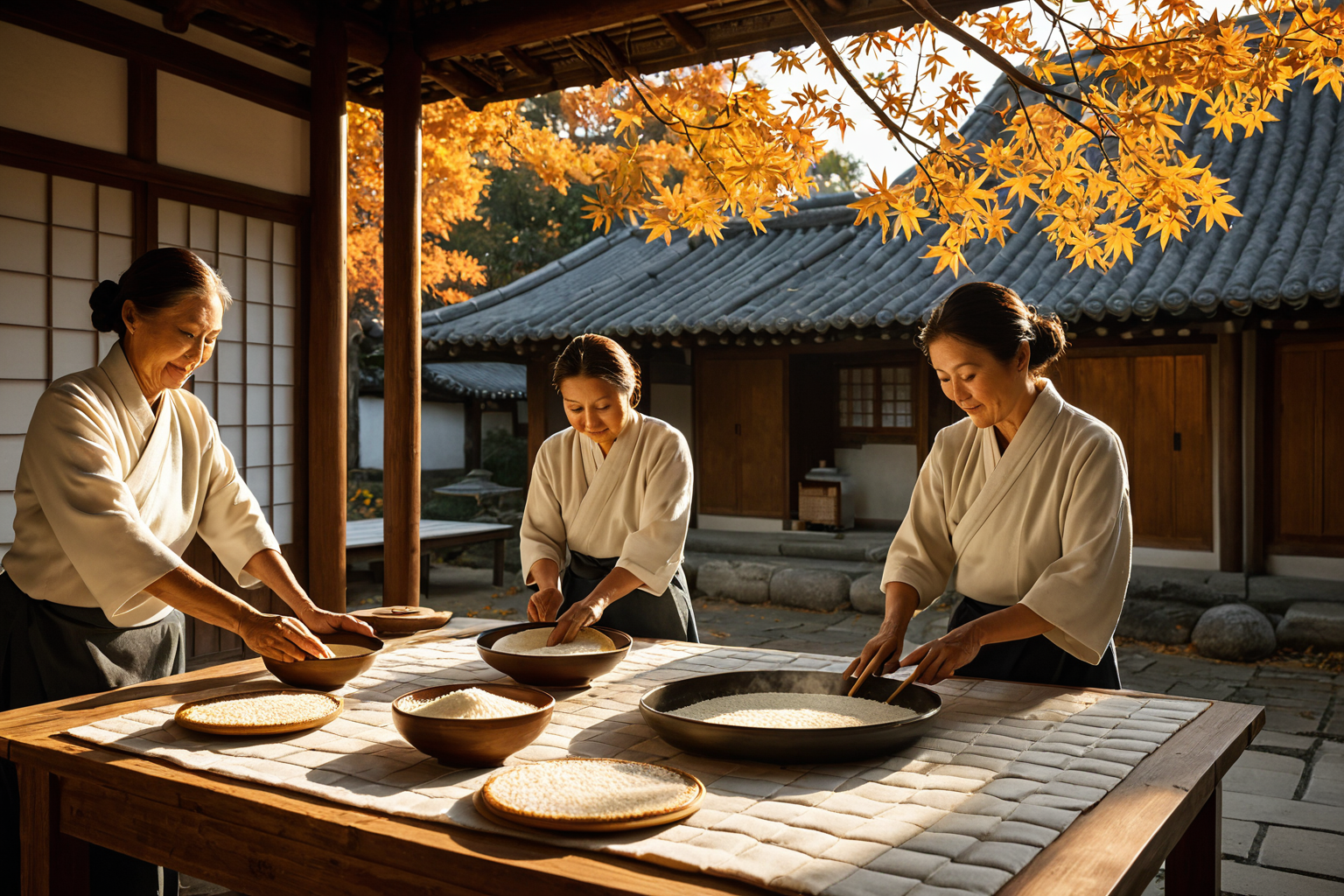
Chuseok greetings for family and relatives should go beyond simple 'I hope you're healthy' with warm tones that convey genuine care. Instead of repetitive phrases, choose thoughtful expressions that fit the situation to deepen your connection.
The Key Principles of Writing Chuseok Greetings
Modern Chuseok greetings avoid gendered terms like 'young master' or 'young lady,' opting instead for using names directly. Discussions around this topic have been active in various media from 2023 to 2026.
Namdo Ilbo (2024) emphasized that repetitive greetings should be avoided, and genuine expressions chosen instead. etoday.co.kr (2024) also noted that thoughtful greetings help understand the recipient's feelings, providing specific examples.
Recommended Greetings for Family Members
For grandmothers and grandfathers: Try saying 'Thinking of how we used to gather around the table like in old times, I hope you have a bountiful Chuseok.' Mentioning shared memories makes it more heartfelt.
To siblings: 'This Chuseok, I'd love to share stories while eating together. Wishing you health and happiness.'
To elderly relatives: 'I remember your hands making rice cakes long ago. I hope you stay healthy and enjoy a joyful Chuseok with your family.'
To younger generations: 'I hope we grow together through new stories each Chuseok. May your holiday be filled with laughter.'
To parents: 'Every year, I'm grateful for your greetings, but this year I'd love to talk longer. Wishing you health and a happy Chuseok.'
Customizing Greetings by Situation
Selecting greetings based on the recipient's age and relationship is key. NewsPost (2026) advised distinguishing between family and colleagues.
For elders: 'As Chuseok approaches, I'm reminded of old memories. Stay healthy and enjoy time with your family.'
To younger friends: 'Planning a trip this Chuseok holiday? Wishing you a bountiful celebration!'
For colleagues: Keep it brief like 'Good luck until year-end, enjoy your Chuseok!' but use more thoughtful language for family and relatives.
Improving Gender-Neutral Greetings
Terms like 'young master' or 'young lady' were commonly used until 2026, but now using names is becoming standard. Korean Teacher News (2026) highlighted the importance of updating gender-based terms in holiday greetings.
For example, call a grandmother 'Grandma' and a teacher 'Ms. Lee' naturally. This change helps everyone communicate comfortably.
Avoiding Repetitive Greetings
Phrases like 'I hope you're healthy' or 'Happy Chuseok' become boring when repeated yearly. Brunch (2023) featured an article titled 'How to Be the Smartest with Your Chuseok Greeting,' offering creative alternatives.
Instead of generic phrases, try: 'Take time today making rice cakes and sharing old stories. Wishing you a happy and healthy Chuseok.'
Namdo Ilbo (2024) reiterated that avoiding repetitive greetings helps convey feelings more effectively to family and relatives.
Important Considerations When Writing Greetings
Greetings should reflect the situation. For elders, mention past memories like 'I remember your hands making rice cakes,' while asking younger people about new travel plans: 'Are you planning a trip this Chuseok?'
Geumgang Ilbo (2025) advised that Chuseok greetings should be tailored to the situation, helping everyone feel warmer emotions.
Keep messages concise. WikiTree (2026) introduced '70 Recommended Phrases by Audience,' emphasizing simple yet heartfelt expressions.
The Meaning and Authenticity of Chuseok Greetings
Chuseok is a time when family and relatives gather to share gratitude, so greetings should reflect genuine care beyond mere formality.
Korean Teacher News (2026) stressed the importance of 'a bountiful Chuseok where we share gratitude and affection,' emphasizing that greetings should be authentic communication rather than just etiquette.
For example: 'Take time today making rice cakes with family while sharing old stories. May your Chuseok be filled with joy.'
Frequently Asked Questions
What phrases work best when greeting family and relatives?
Consider the recipient's age and relationship, using phrases like 'Let's share stories while making rice cakes' or 'Wishing you health and a happy Chuseok.'
What should I use instead of 'young master' or 'young lady'?
Use names or family-appropriate terms. For example, call a grandmother 'Grandma' and a teacher 'Ms. Lee,' which feels natural.
Should I avoid repetitive greetings?
Yes, avoid repeating the same phrases. Instead, use situation-specific expressions like 'Take time today making rice cakes and sharing old stories for a warmer greeting.'
Explore more articles on this topic in one place.
View Related ArticlesFAQ
What phrases work best when greeting family and relatives?
Consider the recipient's age and relationship, using phrases like 'Let's share stories while making rice cakes' or 'Wishing you health and a happy Chuseok.'
What should I use instead of 'young master' or 'young lady'?
Use names or family-appropriate terms. For example, call a grandmother 'Grandma' and a teacher 'Ms. Lee,' which feels natural.
Should I avoid repetitive greetings?
Yes, avoid repeating the same phrases. Instead, use situation-specific expressions like 'Take time today making rice cakes and sharing old stories for a warmer greeting.'
Korean Source
This article is an English localization of a Korean-language report from BlogScore. Original: 가족과 친지에게 전하는 추석 인사말 15가지, 따뜻한 말투로