
Wang Yi's Visit to South Korea: Implications for the Korean Peninsula Situation
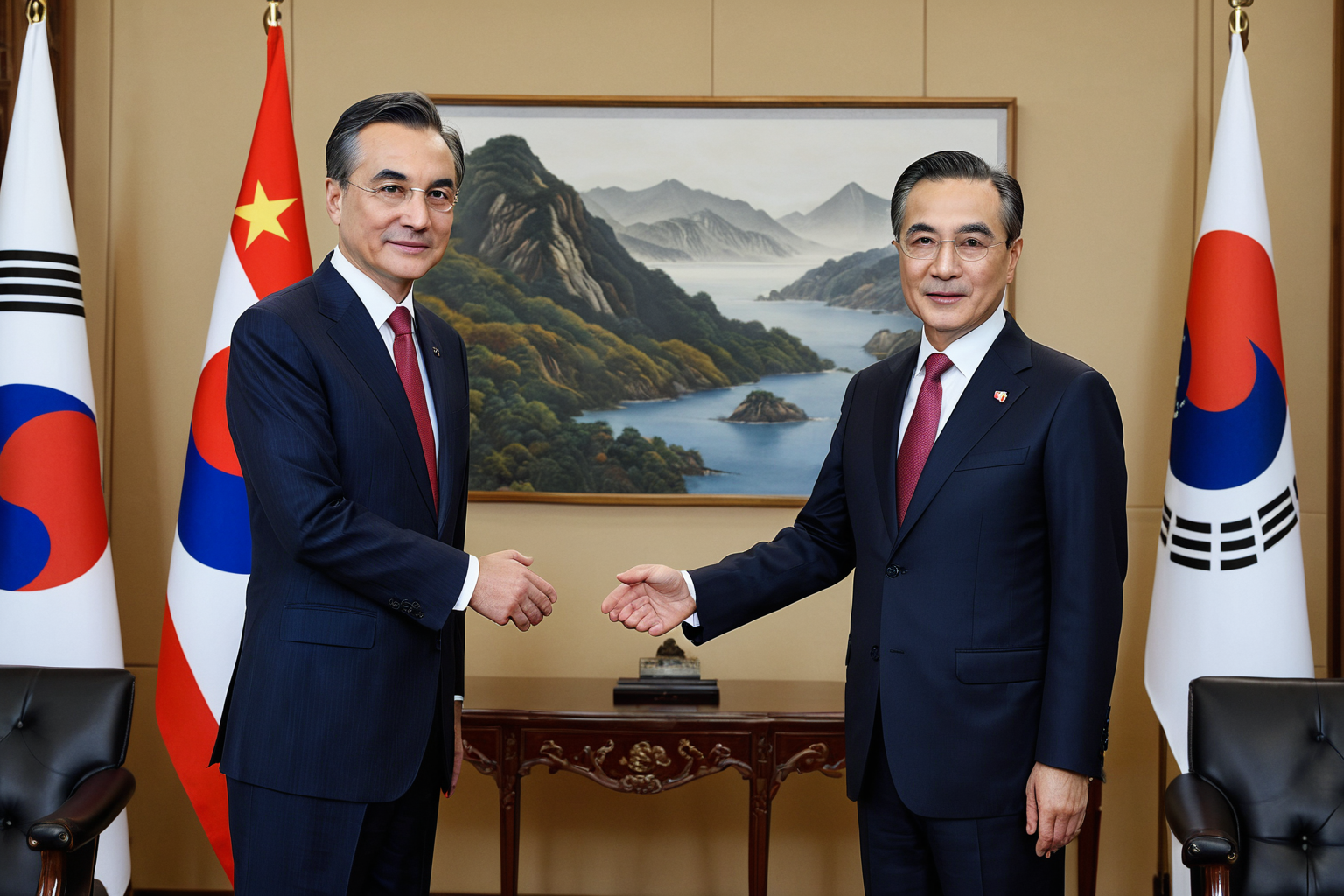
Wang Yi’s Visit: The Start of Comprehensive China-South Korea Relations Restoration
Chinese Foreign Minister Wang Yi officially visited South Korea from August 19 to 20, 2026, meeting with President Lee Jae-myung. This marked the resumption of high-level diplomatic talks between the two countries after an 11-month communication hiatus, aiming for comprehensive restoration of bilateral relations. Notably, China emphasized 'multilateral armistice discussions' instead of 'denuclearization,' signaling a new approach to addressing North Korea's nuclear issue.
During his visit, North Korea conducted ballistic missile launches, heightening tensions. This occurred amid Wang Yi’s trip and underscored growing international interest in how China-South Korea cooperation might impact the establishment of a peace regime on the Korean Peninsula.
Wang Yi’s visit is the first by a high-ranking Chinese official to South Korea since 2017, marking a pivotal moment for bilateral relations. The discussions centered around 'multilateral armistice talks,' offering a fresh approach to resolving North Korea's nuclear issue and improving inter-Korean relations.
Background of the Resumption of China-South Korea Foreign Ministerial Talks
The meeting took place after 11 months of severed communication between the two nations. Despite not announcing his visit, China maintained its relationship with South Korea until this formal meeting with President Lee Jae-myung, which officially marked the comprehensive restoration of bilateral ties.
Wang Yi’s schedule was set for August 19–20, 2026, with a key meeting on August 20. During this session, China introduced 'multilateral armistice discussions' as a new approach to resolving North Korea's nuclear issue.
Relations between the two countries began deteriorating after September 2025, leading to a halt in ministerial talks. This visit is viewed as the first step toward restoring relations.
Schedule and Key Discussion Points
Wang Yi’s visit spanned August 19–20, 2026, including meetings with South Korean officials. On August 19, a formal welcoming event was held, followed by a key meeting on August 20 with President Lee Jae-myung.
The main focus of the discussions centered around multilateral armistice talks and approaches to resolving North Korea’s nuclear issue. China avoided using the term 'denuclearization,' instead emphasizing 'multilateral armistice negotiations'—a signal that it aims for direct dialogue with North Korea to resolve the issue.
There was also some diplomatic tension over China's use of the phrase 'North and South Korea,' which South Korea strongly objected to but China did not revise. This could become a point of contention in future talks.
North Korea’s ballistic missile launch during Wang Yi’s visit heightened tensions regarding the restoration of bilateral relations, drawing international attention to the complexity of the Korean Peninsula situation.
Multilateral Armistice Talks: A New Approach to North Korea's Nuclear Issue
'Multilateral armistice talks' was proposed as a new approach to resolving North Korea’s nuclear issue. This replaces the traditional term 'denuclearization,' focusing instead on direct dialogue with North Korea to reach an armistice agreement.
South Korea hopes this initiative will open new opportunities for improving inter-Korean relations and addressing the nuclear issue, connecting it with restored China-South Korea ties and emphasizing the need for international cooperation.
The concept was first raised after the 2018 Pyongyang summit but has gained renewed attention. However, specific implementation plans are still under discussion, and outcomes may depend on North Korea’s attitude changes.
North Korea's Ballistic Missile Launch: Occurred During Wang Yi’s Visit
On August 20, 2026, during Wang Yi’s visit, North Korea launched a ballistic missile. The timing of this event—coinciding with high-level diplomatic talks—heightened tensions regarding the restoration of China-South Korea relations.
The missile launch is seen as part of North Korea's strategy to counter international isolation, similar to past actions. However, its occurrence during Wang Yi’s visit suggests a need for new approaches in China and South Korea’s policies toward North Korea.
This incident could also impact efforts by North Korea and the United States to improve relations, as China has expressed willingness to cooperate with the U.S. on resolving the nuclear issue. Nevertheless, North Korea’s missile activity presents a challenge to these efforts.
Restoring China-South Korea Relations: An Opportunity for Korean Peninsula Peace
Wang Yi’s visit opened new opportunities for establishing a peace regime on the Korean Peninsula through comprehensive restoration of China-South Korea relations. China emphasized 'multilateral armistice talks,' aiming to resolve issues through direct dialogue with North Korea.
The discussions not only target restoring bilateral ties but also aim to improve inter-Korean relations and address the nuclear issue. China’s shift from 'denuclearization' to 'multilateral armistice negotiations' reflects its preference for dialogue with North Korea as a solution path.
South Korea expects that by restoring China-South Korea relations, it can strengthen international cooperation and contribute to resolving the nuclear issue. However, North Korea’s missile launches pose challenges, necessitating diplomatic responses.
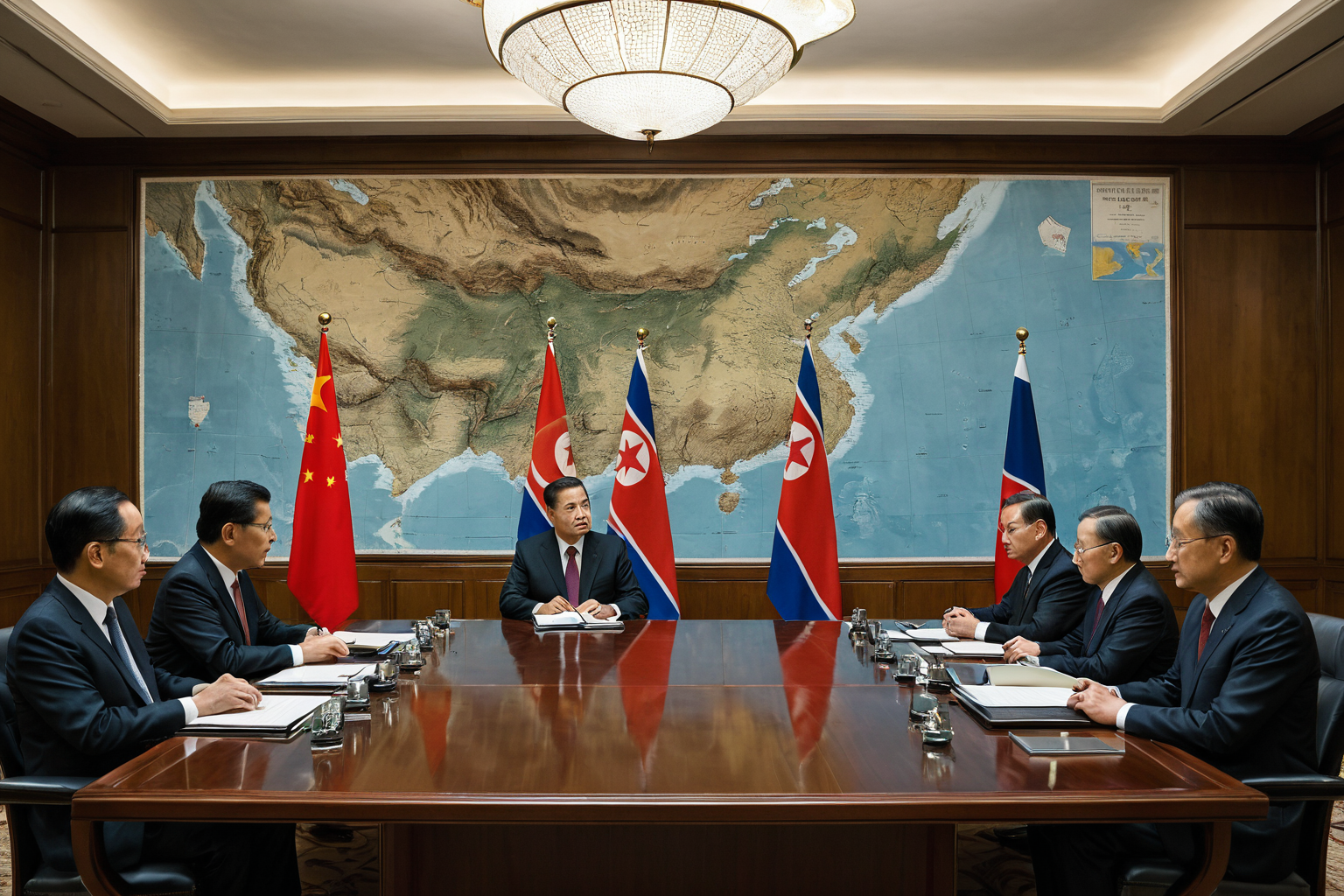
Challenges and Outlook for Restored China-South Korea Relations
While Wang Yi’s visit restored relations, South Korea's strong objection to China’s use of 'North and South Korea' remains unresolved. China did not revise this phrasing, which could become a significant point of contention in future negotiations.
Additionally, North Korea’s missile launch has heightened tensions during the restoration process, emphasizing the need for international cooperation. Although China expressed willingness to work with the U.S. on resolving nuclear issues, North Korea's attitude will be decisive.
To advance relations, concrete plans for implementing 'multilateral armistice talks' must be developed. This requires direct dialogue between North Korea and other parties, along with international support.
Korean Peninsula Situation and International Relations
Wang Yi’s visit has marked a turning point in China-South Korea relations but also complicated the Korean Peninsula situation due to North Korea's missile launch. This underscores the need for greater international cooperation and new approaches to improving inter-Korean relations and resolving nuclear issues.
South Korea hopes that by restoring ties with China, it can strengthen international collaboration and contribute to nuclear resolution. However, North Korea’s missile launches challenge this effort, requiring diplomatic responses.
Key Information to Verify
The ballistic missile launch by North Korea during Wang Yi’s visit was not directly linked to the restoration of China-South Korea relations but drew international attention to its impact on the Korean Peninsula situation.
Specific implementation plans for 'multilateral armistice talks' remain under discussion, with North Korea's attitude being a key factor. Both China and South Korea must consider this in their future cooperation efforts.
South Korea strongly objected to China’s use of 'North and South Korea,' but China did not revise the phrase. This could become an important point of discussion in future diplomatic talks.
Frequently Asked Questions
When did Wang Yi visit South Korea, and what meetings were held?
Chinese Foreign Minister Wang Yi visited South Korea from August 19–20, 2026, meeting with President Lee Jae-myung. This was the first resumption of high-level diplomatic talks between China and South Korea in 11 months, focusing on multilateral armistice discussions and approaches to resolving North Korea's nuclear issue.
Why did China emphasize 'multilateral armistice negotiations' instead of 'denuclearization'?
China used the term 'multilateral armistice negotiations' to signal a focus on direct dialogue with North Korea toward reaching an armistice agreement. This replaces the traditional term 'denuclearization,' reflecting China’s preference for resolving issues through talks with North Korea.
What impact did North Korea's ballistic missile launch have during Wang Yi's visit?
The missile launch by North Korea, which occurred during Wang Yi’s visit, heightened tensions regarding the restoration of China-South Korea relations. It highlighted the complexity of the Korean Peninsula situation and suggested a need for new approaches to resolving nuclear issues.
Frequently Asked Questions
Wang Yi's August 2026 visit marked a significant step in restoring China-South Korea relations after an 11-month hiatus. China emphasized 'multilateral armistice negotiations' as a new approach to resolving North Korea’s nuclear issue, shifting from the traditional term 'denuclearization.'
However, North Korea’s ballistic missile launch during the visit complicated the situation, emphasizing the need for international cooperation and changes in North Korea's attitude. Future success will depend on concrete implementation plans for multilateral talks and North Korea’s response.
The restoration of China-South Korea relations presents a key opportunity for improving the Korean Peninsula situation but requires sustained diplomatic efforts to overcome challenges such as missile launches and unresolved diplomatic points like the 'North and South Korea' terminology.
You can explore more articles on similar topics here.
View Related ArticlesFAQ
When did Wang Yi visit South Korea, and what meetings were held?
Chinese Foreign Minister Wang Yi visited South Korea from August 19–20, 2026, meeting with President Lee Jae-myung. This was the first resumption of high-level diplomatic talks between China and South Korea in 11 months, focusing on multilateral armistice discussions and approaches to resolving North Korea's nuclear issue.
Why did China emphasize 'multilateral armistice negotiations' instead of 'denuclearization'?
China used the term 'multilateral armistice negotiations' to signal a focus on direct dialogue with North Korea toward reaching an armistice agreement. This replaces the traditional term 'denuclearization,' reflecting China’s preference for resolving issues through talks with North Korea.
What impact did North Korea's ballistic missile launch have during Wang Yi's visit?
The missile launch by North Korea, which occurred during Wang Yi’s visit, heightened tensions regarding the restoration of China-South Korea relations. It highlighted the complexity of the Korean Peninsula situation and suggested a need for new approaches to resolving nuclear issues.
Korean Source
This article is an English localization of a Korean-language report from BlogScore. Original: 왕이 방한, 한반도 정세에 미칠 영향은?