
Verdict on False Online Posts About Sewol Ferry Disaster: Court's Reasoning Explained
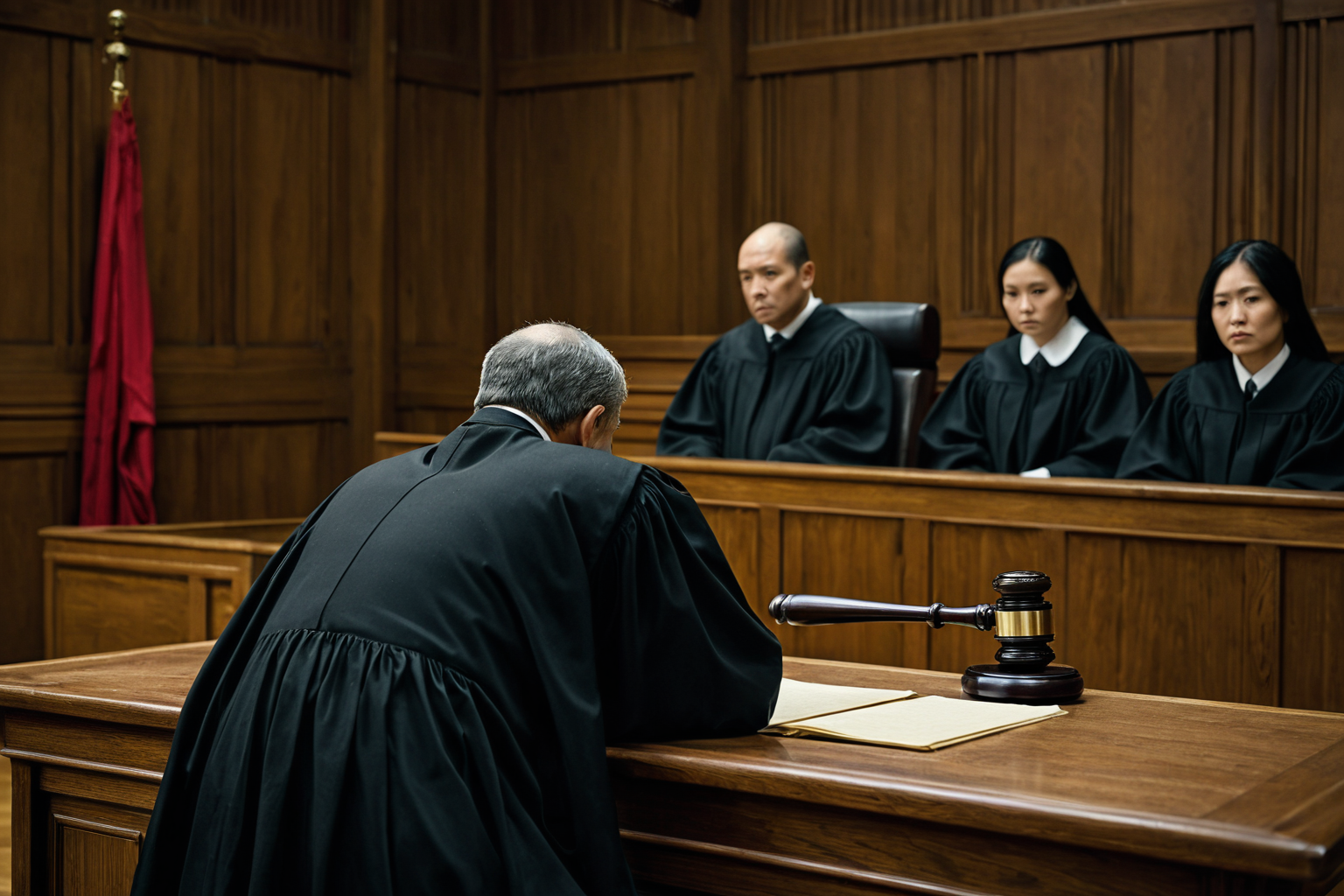
False Posts About Sewol Disaster Victims: Court's Reasoning
Two individuals in their 50s and 60s have been imprisoned or received prison sentences for posting false and hateful content targeting families of Sewol ferry disaster victims. In one case, a 50-year-old man was sentenced to one year in prison for falsely claiming that Sewol victims' families were the same as those from the Itaewon disaster, which the court deemed to have deepened victims' emotional wounds.
False Posts About Sewol and Itaewon Disasters
On July 13, 2026, prosecutors requested a one-year prison sentence for a 50-year-old man who posted defamatory content falsely claiming that Sewol and Itaewon disaster victims were the same people. This was part of years-long dissemination of false information about both disasters, including mocking posts targeting families.
On August 24, 2026, the court sentenced the man to one year in prison. The ruling cited that the posts caused additional pain to victims' families already struggling with trauma, emphasizing social responsibility.
60-Year-Old Man's Detention Case
On September 23, 2026, a 60-year-old man was detained for posting over 120 false and defamatory posts about the Sewol disaster, Itaewon incident, and an airplane crash over several years. His posts included claims that the Sewol disaster was fabricated, along with violent rhetoric toward victims' families.
Prosecutors argued the man's posts caused social unrest and deepened emotional wounds for families. The court agreed, stating a strict punishment was necessary to protect both societal stability and victims' families.
Court's Reasoning: Deepening Victims' Emotional Wounds
The court prioritized the emotional harm caused to families by false posts. In its ruling, it stated that families were already suffering severe psychological trauma from the disaster and that spreading additional false information made recovery more difficult.
Specifically, the court viewed the act as more than simple defamation and imposed stricter penalties due to the deepening of victims' emotional wounds. This was interpreted as a societal warning against spreading misinformation.
Case Timeline and Media Coverage
On May 31, 2026, media reported that a 50-year-old man had been detained for posting over 3,000 hate posts claiming both the Sewol and Itaewon disasters were fake. This case involved consistent dissemination of false information about both tragedies, deepening families' emotional pain.
On August 12, 2026, prosecutors requested a one-year sentence for the man, noting that his posts mocked Sewol victims' families. The court classified such misinformation as harmful to societal stability.
Social Impact of Spreading False Information
Posting false and hateful content targeting Sewol disaster victims' families is viewed not just as defamation but as an act causing social unrest. The court noted that such actions hinder families' emotional recovery and damage social harmony.
Spreading misinformation about disasters is seen as a lack of respect for victims, with legal penalties serving as a societal warning against such behavior. This case highlights how misinformation has evolved from personal issues to broader societal concerns.
Response and Safety Information
Posting false information or hate posts targeting families of Sewol disaster victims can lead to legal consequences. Specifically, sharing false claims about the Sewol and Itaewon disasters is considered defamation and a threat to social stability, making it subject to criminal penalties.
Socially, respecting victims' families is seen as an ethical duty, and spreading misinformation is viewed as neglecting societal responsibility beyond personal freedom. Education and awareness efforts are needed to prevent such behavior.
Key Information
Multiple cases involving legal penalties for false posts targeting Sewol disaster victims' families were reported in 2026. A notable case involved a 50-year-old man sentenced to one year in prison for falsely claiming that Sewol victims' families were the same as those from the Itaewon disaster.
The court's reasoning focused on deepening emotional wounds of families, interpreted as strict legal application aimed at protecting societal stability and victims. This serves as a warning against spreading misinformation.
Frequently Asked Questions
What penalties apply for false posts mocking Sewol disaster victims' families?
Posting false content that mocks Sewol victims' families can result in prison sentences due to defamation and threats to social stability. Courts impose strict penalties considering the deepened emotional harm to families.
How can false information about Sewol-related incidents be reported?
False information can be reported to police or prosecutors for criminal action. Posts containing offensive content toward victims' families are classified as harmful to social stability and handled promptly.
Why does the court strictly penalize false posts?
The court imposes strict penalties because such actions hinder emotional recovery of families and cause social unrest, serving as a societal warning against spreading misinformation.
Frequently Asked Questions
False posts targeting Sewol disaster victims' families have been classified not just as defamation but as acts harming social stability. The court imposed strict penalties considering the deepened emotional wounds of families, which serves as a societal warning against spreading misinformation.
Social awareness and education are needed to prevent such behavior, with this case likely remaining central to legal responses and public discussions about misinformation in South Korea.
You can view more articles on similar topics at once.
View Related ArticlesFAQ
What penalties apply for false posts mocking Sewol disaster victims' families?
Posting false content that mocks Sewol victims' families can result in prison sentences due to defamation and threats to social stability. Courts impose strict penalties considering the deepened emotional harm to families.
How can false information about Sewol-related incidents be reported?
False information can be reported to police or prosecutors for criminal action. Posts containing offensive content toward victims' families are classified as harmful to social stability and handled promptly.
Why does the court strictly penalize false posts?
The court imposes strict penalties because such actions hinder emotional recovery of families and cause social unrest, serving as a societal warning against spreading misinformation.
Korean Source
This article is an English localization of a Korean-language report from BlogScore. Original: 세월호 허위글 구속 사건 판결 내용: 법원의 판단 근거