
US Treasury Yield Surge and Its Impact on Real Estate Market Dynamics
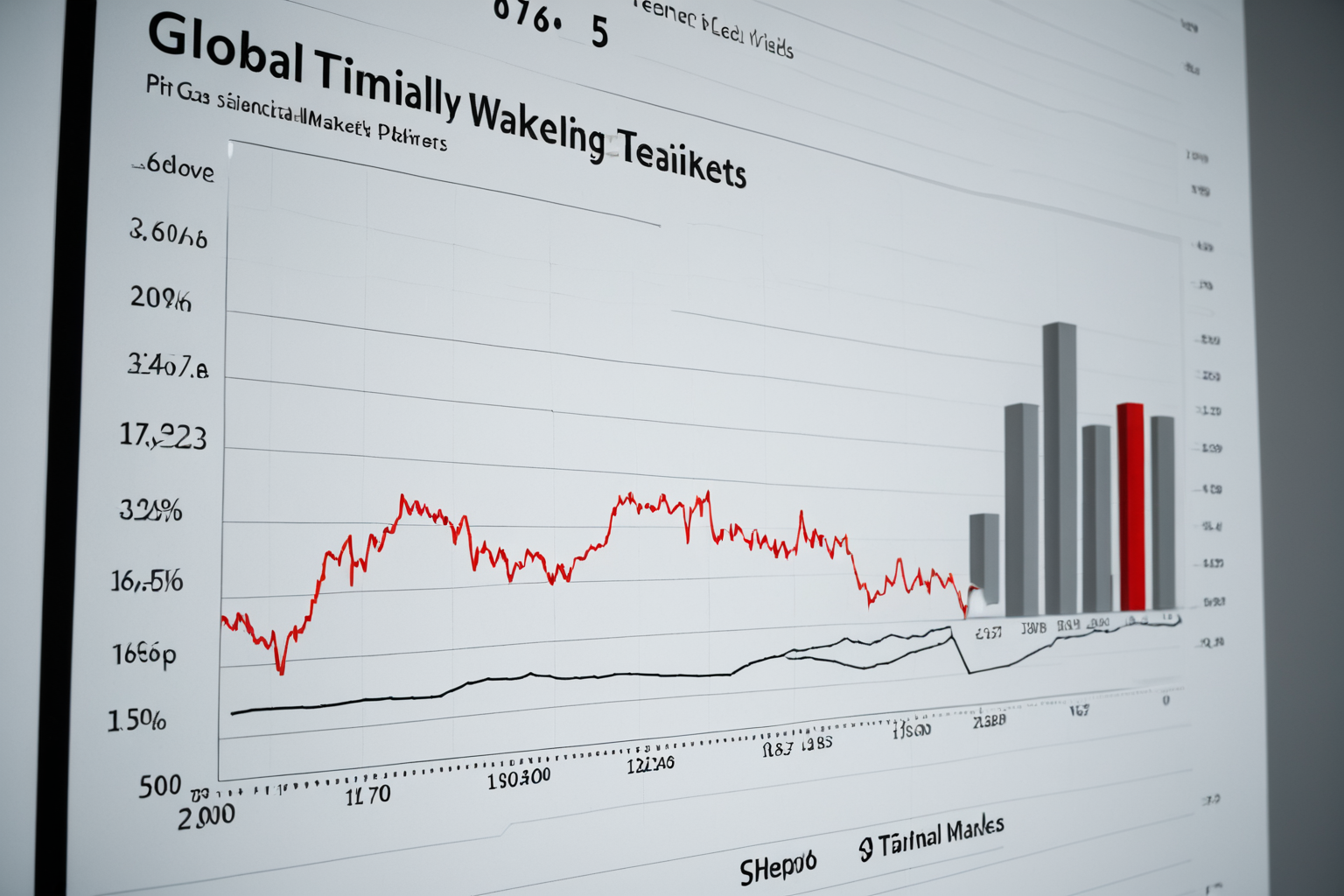
US Treasury Yield Rise and Global Market Volatility
The US 30-year treasury yield has reached a 19-year high of 5.31%, causing tremors across global asset markets. This spike is directly driving up mortgage rates and destabilizing the real estate market.
The US 30-year treasury recently hit 5.31%, marking the highest level in 19 years, as reported on August 18, 2026. This rate increase has directly impacted the housing mortgage market, with rates potentially reaching 7% annually, turning it into a nightmare for '영끌족' (those who have exhausted all their resources to buy property).
Direct Link Between Real Estate Market and Rising Interest Rates
As US treasury yields surged, real estate, stock, and gold markets all experienced significant volatility. Concerns about mortgage rates entering an 8% era have heightened tensions for businesses and households, potentially triggering restructuring in the real estate and industrial sectors.
After the US 30-year treasury yield surpassed 5% on May 14, 2026, a 'war shock' occurred on Wall Street, accelerating instability in the mortgage market. Mortgage investors attempted to manage risk through hedging sales, but this only further destabilized the bond market.
As reported on May 21, 2026, the reality of a 7% annual mortgage rate has turned into a nightmare for '영끌족' due to the combination of high interest rates, loan regulations, and tax burdens—a trio known as the '3-in-one tax bomb.'
Global Economic Response Strategies
The US Treasury is considering using a $1 trillion emergency fund to purchase bonds to counteract bond market volatility. This plan was announced on August 25, 2026, aiming to ease market instability caused by rising rates.
The Korean government is also reducing national debt issuance by 12.5 trillion won through its Future Response Fund to stabilize long-term interest rates. This strategy, established on September 1, 2026, aims to enhance stability in the real estate market and financial system.
The Trump administration is pursuing a strategy to manage US treasury yields through yen stabilization and managing investments into the US, announced on August 4, 2026. This effort seeks to reduce global market volatility.
Despite expectations of interest rate freezes, long-term US treasury rates continue to rise, signaling ongoing risk in investment markets. As reported on September 10, 2026, private investors' demand for higher yields has increased in the US Treasury market following central bank withdrawal.
Domestic Market Shifts and Responses
National treasury yields have risen across the board, with 30-year and 50-year bonds hitting record highs. This was confirmed on August 18, 2026, showing how global market shifts directly impact domestic markets.
New York Stock Exchange has seen four consecutive days of declines due to soaring oil prices and rapid US treasury yield increases, as reported on September 10, 2026. This indicates the ripple effects of global market volatility on stock markets.
The surge in US treasury yields has caused significant fluctuations in real estate, stocks, and gold markets, heightening tensions for businesses and households while potentially triggering restructuring in the real estate and industrial sectors. While this may lead to short-term instability, long-term market adjustments are expected.
As reported on August 18, 2026, a strong warning signal was sounded in the bond market, with recommendations for portfolio diversification included to help investors manage markets by spreading risk.

Key Events Timeline
On May 14, 2026, US 30-year treasury yields surpassed 5%, triggering a 'war shock' on Wall Street. This heightened anxiety in the mortgage market and later led to the reality of a 7% annual mortgage rate, becoming a nightmare for '영끌족.'
As reported on May 21, 2026, high interest rates, loan regulations, and tax burdens (the '3-in-one tax bomb') have negatively impacted the real estate market, burdening both individuals and businesses.
On August 4, 2026, the Trump administration announced a strategy to manage US treasury yields through yen stabilization and managing investments into the US. This effort aligns with the US Treasury's consideration of purchasing bonds using a $1 trillion emergency fund.
On August 18, 2026, US 30-year treasury yields reached 5.31%, marking a 19-year high, linked to global bond shocks. On the same day, domestic national treasury yields rose sharply, with 30- and 50-year bonds hitting record highs.
On August 25, 2026, the US Treasury announced its consideration of purchasing bonds using a $1 trillion emergency fund to counter bond market volatility. This strategy aims to ease instability caused by rising rates.
On September 1, 2026, South Korea established a plan to reduce national debt issuance by 12.5 trillion won through the Future Response Fund to stabilize long-term interest rates and enhance real estate market stability.
Causes of US Treasury Yield Surge
The rise in US treasury yields is primarily due to policy changes by the US Treasury Department and shifts in the global economic environment. The spike in long-term bond yields reflects reduced central bank intervention and increased private investor demand for higher rates.
As reported on September 10, 2026, private investors' demand for higher yields has risen in the US Treasury market following central bank withdrawal. This is attributed to policy changes by the US Treasury Department and global economic shifts.
Despite expectations of interest rate freezes, long-term US treasury rates continue to rise, signaling ongoing risk in investment markets. As reported on September 10, 2026, private investors' demand for higher yields has increased following central bank withdrawal.
The US Treasury is considering using a $1 trillion emergency fund to purchase bonds as part of a strategy to stabilize the market long-term and mitigate negative effects from rising rates.
Response Strategies and Safety Tips
The US Treasury's consideration of purchasing bonds with a $1 trillion emergency fund will help alleviate market instability. This is expected to have positive impacts on the global economy.
Korea's reduction in debt issuance through its Future Response Fund will contribute to stabilizing long-term interest rates, playing an important role in enhancing real estate market and financial system stability.
The Trump administration's strategy of yen stabilization and managing investments into the US aims to reduce global market volatility, which is expected to aid in managing US treasury yields.
Investors should pay attention to strong warning signals in the bond market. As reported on August 18, 2026, portfolio diversification was recommended to help investors manage markets by spreading risk.
Key Information to Verify
The US 30-year treasury yield reaching 5.31%, a 19-year high, was confirmed on August 18, 2026.
The nightmare for '영끌족' due to a 7% annual mortgage rate was reported on May 21, 2026.
The US Treasury's consideration of purchasing bonds with a $1 trillion emergency fund was announced on August 25, 2026.
Korea's plan to reduce debt issuance by 12.5 trillion won through the Future Response Fund was established on September 1, 2026.
Frequently Asked Questions
Why have US treasury yields risen? The rise is primarily due to reduced central bank intervention and increased private investor demand for higher rates.
What impact does a 7% mortgage rate have? A 7% annual mortgage rate creates a nightmare for '영끌족' and negatively affects the real estate market through high interest rates, loan regulations, and tax burdens—the '3-in-one tax bomb.'
What is the US Treasury's response strategy? The US Treasury is considering purchasing bonds using a $1 trillion emergency fund to mitigate market instability caused by rising rates.
Frequently Asked Questions
The surge in US treasury yields has brought significant changes to global asset markets, directly impacting mortgage and real estate markets. Investors should closely monitor the response strategies of the US Treasury and Korean government to predict future market trends.
The 5.31% yield on the US 30-year treasury, a 19-year high, signifies a global bond shock that has triggered volatility in real estate, stock, and gold markets.
US Treasury and Korean government response strategies are expected to help mitigate market instability caused by rising rates, with positive long-term effects on the global economy.
Investors should heed strong warning signals in the bond market and manage risk through portfolio diversification to effectively respond to market volatility.
You can view similar articles on this topic all at once.
View Related ArticlesFAQ
Why have US treasury yields risen?
The rise is primarily due to reduced central bank intervention and increased private investor demand for higher rates.
What impact does a 7% mortgage rate have?
A 7% annual mortgage rate creates a nightmare for '영끌족' and negatively affects the real estate market through high interest rates, loan regulations, and tax burdens—the '3-in-one tax bomb.'
What is the US Treasury's response strategy?
The US Treasury is considering purchasing bonds using a $1 trillion emergency fund to mitigate market instability caused by rising rates.
Korean Source
This article is an English localization of a Korean-language report from BlogScore. Original: 미 국채금리 급등으로 인한 부동산 시장 변동 분석