
U.S.-South Korea 'Ulchi Freedom Shield' Exercise: Analyzing North Korea's Security Strategy
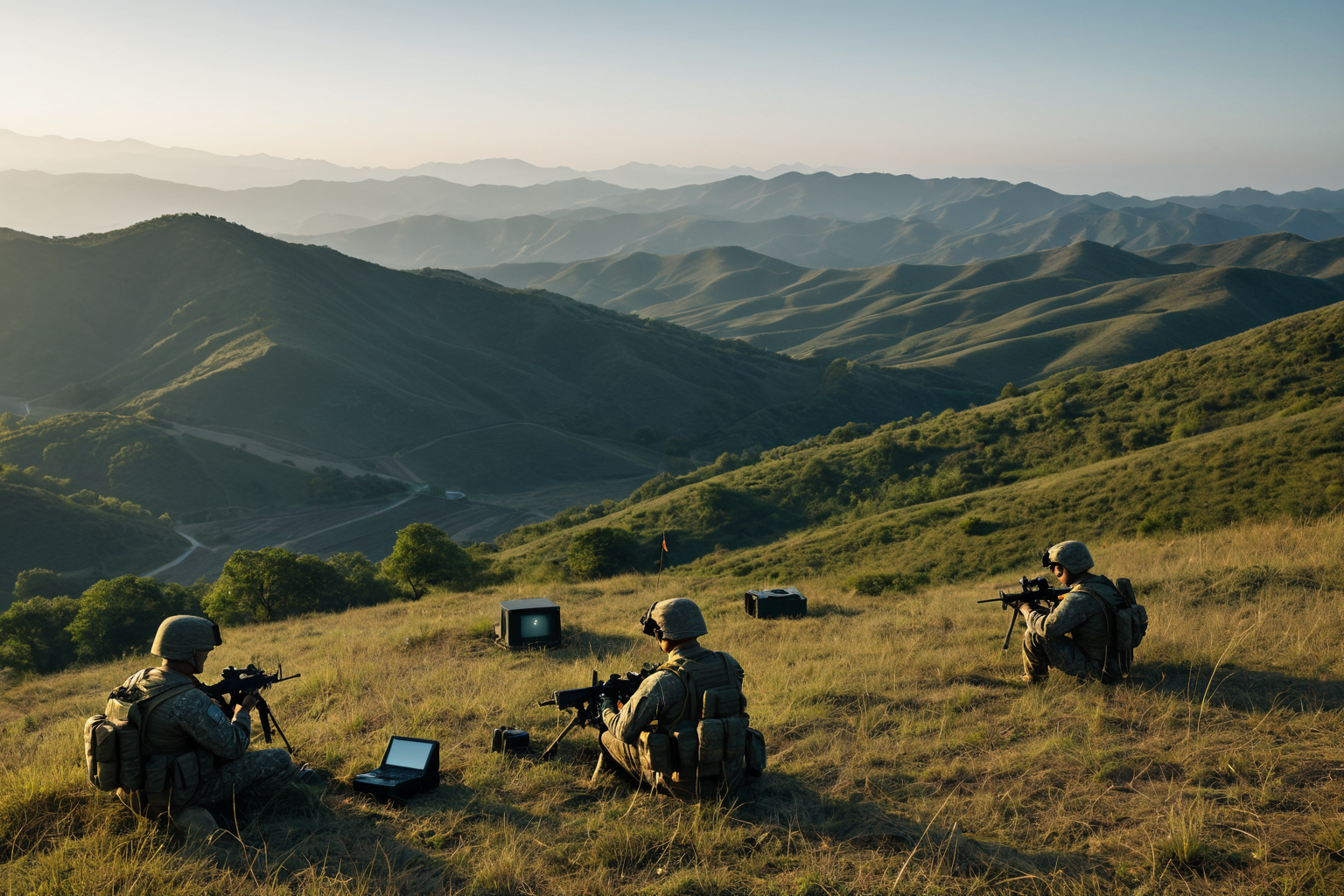
The Ulchi Freedom Shield (UFS) exercise is an annual joint military drill conducted by U.S.-South Korean forces to counter North Korea's nuclear and missile threats, scheduled for August 17-27, 2026. In response to the upcoming training, North Korea has already conducted missile launches on August 12 and 21, firing around ten missiles each time. Both nations have stated that the exercise aims to protect civilian lives, including preparations against drone attacks, GPS jamming, and cyber threats.
UFS Exercise Schedule and North Korean Reactions
The UFS exercise will run from August 17 to 27, 2026, as part of annual efforts by U.S. and South Korean forces to address North Korea's nuclear and missile threats. This year has drawn particular attention due to North Korea's missile launches. On August 12 and 21, North Korea reportedly launched approximately ten missiles each time.
North Korea has criticized the exercise as 'clear opposition,' using missile launches ahead of the drill. Similar tensions occurred last year, showing a pattern of North Korean resistance. After its first missile launch on August 12, North Korea conducted another on August 21, signaling a hardline stance toward the training.
U.S.-South Korean forces explained that the UFS exercise aims to protect citizens' lives and safety, incorporating modern threats such as drone attacks, GPS jamming, and cyber security measures. The drill will include 14 outdoor maneuvers, with potential adjustments made due to possible North Korean reactions.
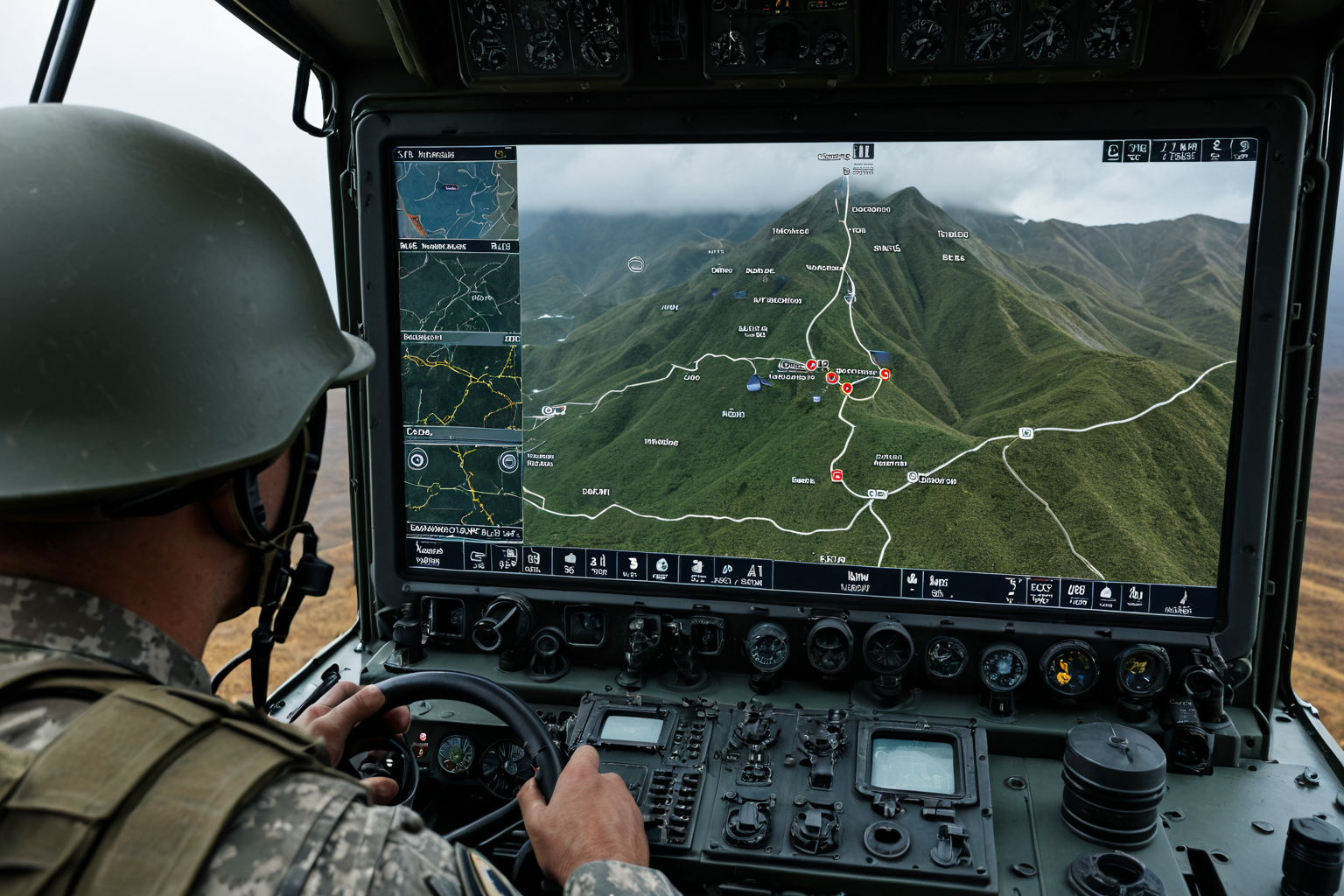
Trump Administration's Exercise Reduction Order and International Response
The Trump administration ordered a reduction in U.S.-South Korea military exercises, drawing criticism from European allies and domestic political circles as 'an affront to the alliance' and 'a gift to Kim Jong-un.' This decision sparked debate over its potential impact on international relations.
International media and South Korean news outlets warned that reducing training could send a negative signal to North Korea, potentially encouraging further provocations. The move has also raised questions about the need for Japan-U.S. alliance coordination.
U.S.-South Korea forces emphasized that military deterrence can be strengthened without cutting exercises. This stance addresses concerns over potential disruptions in the transfer of wartime operational control (OPCON), a key process in U.S.-South Korean defense cooperation.
Exercise Purpose and Analysis of North Korea's Security Strategy
The Ulchi Freedom Shield exercise is designed to counter North Korea's nuclear and missile threats, including modern challenges such as drones, GPS interference, and cyber attacks. U.S. and South Korean forces have stressed that the training is essential for protecting civilian lives.
North Korea has protested the exercise as a violation of its 'right to self-defense,' threatening further missile launches. This reaction reflects North Korea's hardline stance and strategic approach toward the drills, with missile launches on August 12 and 21 serving as clear demonstrations of opposition.
Before the UFS exercise, U.S.-South Korean forces held a '12-star meeting' to prepare for the training. The drill will include 14 outdoor maneuvers, with potential adjustments made due to possible North Korean reactions.
Relationship Between OPCON Transfer and Exercise Reduction
The Trump administration's order to reduce military exercises has raised concerns about potential disruptions in the transfer of wartime operational control (OPCON), a process involving shared responsibility between U.S. and South Korean forces. The scale and content of training could influence this transition.
South Korea's political circles criticized the government for giving the U.S. an opening, citing increased public anxiety over national security. This reflects concerns that reducing joint exercises might weaken South Korea's defense capabilities.
U.S.-South Korean forces emphasized that deterrence can be maintained without cutting training, suggesting that adjusting the purpose and content of drills could maximize effectiveness.
Future Exercise Plans and International Response
The 2026 UFS exercise is scheduled for August 17-27, following similar drills held in August 2024. This consistent schedule demonstrates ongoing efforts to counter North Korean threats.
The joint U.S.-South Korea-Japan exercise 'Freedom Edge' is set to take place next month on Jeju Island, aiming to strengthen military cooperation among the three nations and contribute to regional security dynamics in Northeast Asia alongside UFS training.
With the potential for a November U.S.-North Korea summit to materialize, concerns about a 'softening toward North Korea' have gained attention. This could signal shifts in Northeast Asian security structures if relations between Washington and Pyongyang improve.
Information to Verify
The exact scale of the 2026 UFS exercise, including participating troop numbers, and the official schedule for the U.S. government's decision on reducing joint exercises remain unconfirmed. Further reporting will provide more details.
North Korea has also warned of further missile launches, a key factor in predicting its response to the training.
Frequently Asked Questions
1. When is the Ulchi Freedom Shield exercise scheduled?
The Ulchi Freedom Shield (UFS) exercise will take place from August 17 to 27, 2026.
2. Why did North Korea conduct missile launches?
North Korea criticized the UFS exercise as a violation of its 'right to self-defense' and warned of further missile launches. It has already launched around ten missiles on August 12 and 21 in response.
3. What impact could the Trump administration's order to reduce exercises have?
The Trump administration's decision to reduce joint exercises may disrupt the OPCON transfer process, but U.S.-South Korean forces emphasize that deterrence can be strengthened without cutting training.
Frequently Asked Questions
The Ulchi Freedom Shield (UFS) exercise is an annual joint military drill by U.S. and South Korean forces to counter North Korea's nuclear and missile threats, scheduled for August 17-27, 2026. North Korea has already conducted missile launches ahead of the training, following a pattern seen last year. U.S.-South Korean forces state that the exercise aims to protect civilian lives while addressing modern threats like drones, GPS jamming, and cyber attacks.
The Trump administration's order to reduce joint exercises sparked international debate over its potential impact on alliances and North Korea's behavior. While concerns exist about disruptions in the OPCON transfer process, U.S.-South Korean forces maintain that deterrence can be maintained without reducing training scale.
Further updates on the exercise's exact scale, troop numbers, and North Korea's responses will provide valuable insights into Northeast Asian security dynamics.
Explore more articles on similar topics in one place.
View Related ArticlesFAQ
When is the Ulchi Freedom Shield exercise scheduled?
The Ulchi Freedom Shield (UFS) exercise will take place from August 17 to 27, 2026.
Why did North Korea conduct missile launches?
North Korea criticized the UFS exercise as a violation of its 'right to self-defense' and warned of further missile launches. It has already launched around ten missiles on August 12 and 21 in response.
What impact could the Trump administration's order to reduce exercises have?
The Trump administration's decision to reduce joint exercises may disrupt the OPCON transfer process, but U.S.-South Korean forces emphasize that deterrence can be strengthened without cutting training.
Korean Source
This article is an English localization of a Korean-language report from BlogScore. Original: 을지 자유의 방패 훈련, 북한 안보 전략 분석