
U.S.-South Korea 'Ulchi Freedom Shield' Exercise Cuts: Goals and North Korean Signals
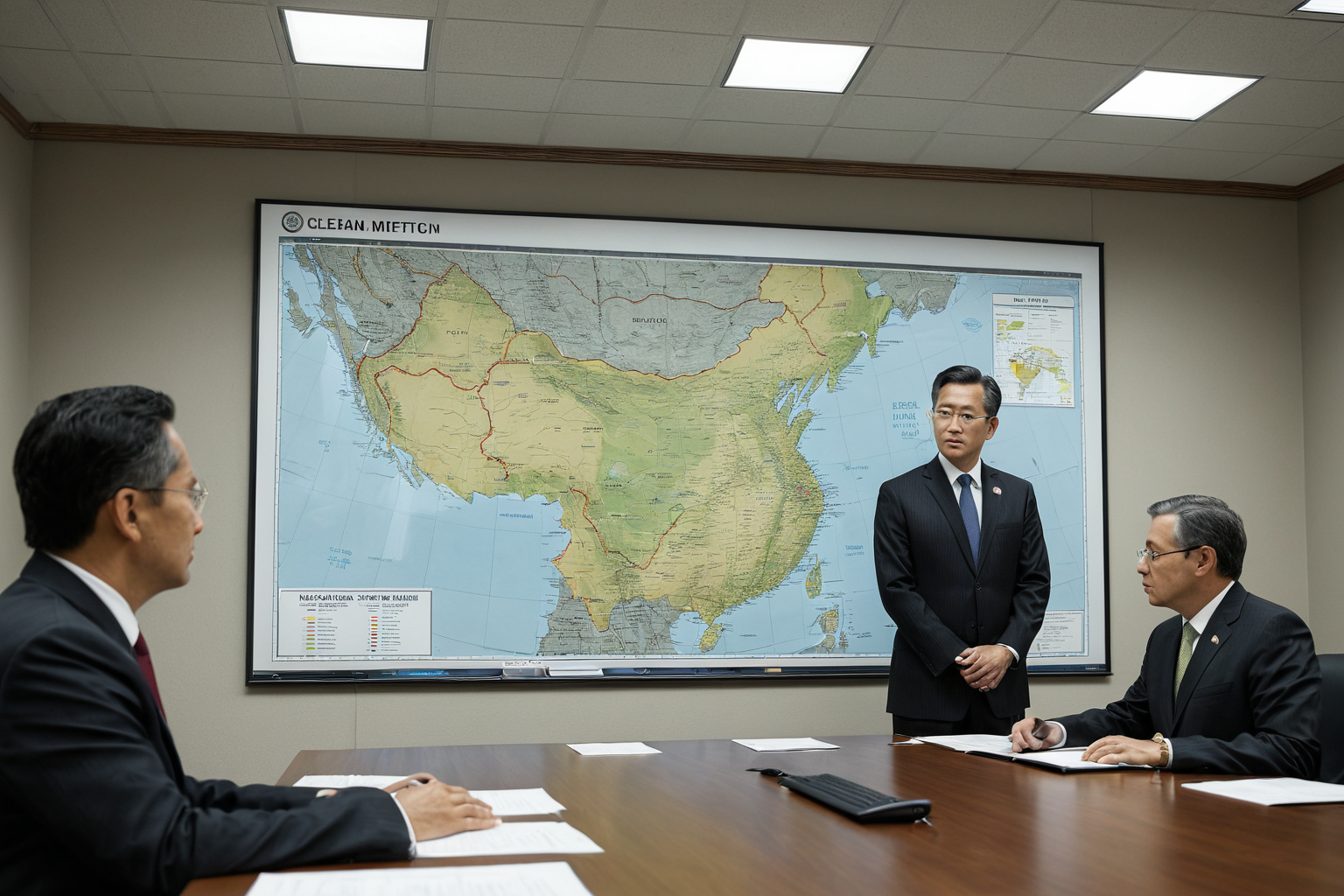
Major Reduction in Ulchi Freedom Shield Exercise
The U.S. Department of Defense announced a significant reduction in the planned 2026 August 17 joint U.S.-South Korea military exercise 'Ulchi Freedom Shield' (UFS), with the schedule shortened to end on August 21. The move, described as part of an assessment for the transfer of wartime command authority, emphasized that the training objectives and combat readiness would not be compromised.
The decision follows President Trump's directive, which led to the replacement of some outdoor maneuvers with simulations and a one-week schedule acceleration. The U.S. Department of Defense stated that reducing the exercise would not affect essential preparedness measures.
This adjustment is analyzed as a strategic move toward improving U.S.-North Korea relations, with ongoing discussions about North Korea's response and cooperation with Russia. The training schedule was shifted from the originally planned August 17-27 to end on August 21.

Trump's Directive and Signals for U.S.-North Korea Talks
President Trump stated that his relationship with Kim Jong Un is good, alongside the directive to scale back the U.S.-South Korea joint exercise. This is interpreted as a direct signal to North Korea indicating willingness to engage in dialogue, potentially raising prospects for renewed U.S.-North Korea talks.
Some analysts suggest President Trump made this decision considering midterm elections, though the Department of Defense emphasized maintaining combat readiness and achieving training objectives while significantly reducing the exercise scope.
The directive is seen as a shift from the 'war game' logic eight years ago, when the U.S. applied pressure on North Korea. Now, the U.S. is taking the initiative to propose dialogue instead.
North Korea's Silence and Russia Cooperation
North Korea has maintained silence following a ballistic missile launch, with no official response to the reduction in joint exercises. This appears to reflect confidence gained through cooperation with Russia.
Former Deputy Assistant Secretary of State Lavery analyzed that North Korea is not revealing its true stance due to strengthened ties with Russia, suggesting a strategic prioritization of relations with Russia over potential improvements in U.S.-North Korea relations.
While North Korea recently demonstrated military capabilities through a ballistic missile launch, it has not shown any reaction to the scaled-back joint exercise. This silence is being watched as an indicator of potential shifts in North Korea's foreign policy approach.
Assessment of Transfer of Wartime Command Authority and Early Exercise Termination
The Ulchi Freedom Shield exercise, a U.S.-South Korea joint training event originally scheduled for August 17-27, 2026, has been significantly reduced and will end on August 21. This is part of an assessment for the transfer of wartime command authority, with the Department emphasizing no disruption to training objectives or combat readiness.
The schedule change was decided through consultation between both sides, with some outdoor maneuvers scaled back and replaced by simulations. While the exercise goals remain unchanged, the actual scale has been reduced.
The U.S. Department of Defense stated that 'a significant portion of UFS will be reduced...without compromising training objectives.' However, concerns have been raised about potential additional measures needed for the transfer of wartime command authority assessment.
U.S. Defense Department Announcement and Media Coverage
The U.S. Department of Defense officially announced the significant reduction in 'Ulchi Freedom Shield' on August 19, 2026, as reported by major media outlets including Busan Ilbo and Seoul Economic Daily.
Reports from Busan Ilbo and Seoul Economic Daily highlighted that the Department emphasized 'significant reduction of U.S.-South Korea joint exercise...while maintaining essential preparedness.' This was explained as a measure to achieve training objectives while replacing some outdoor maneuvers with simulations.
The announcement followed President Trump's directive, moving up the scheduled August 17 start date to conclude on August 21. The Department stressed both 'significant reduction' and 'maintenance of essential preparedness.'
Strategic Move for Improved U.S.-North Korea Relations
The decision by President Trump to scale back joint exercises is analyzed as a strategic move toward improving U.S.-North Korea relations, marking a shift from the 'war game' logic eight years ago. The U.S. is now taking initiative to propose dialogue instead of applying pressure.
President Trump's statement about his good relationship with Kim Jong Un serves as a direct message to North Korea. However, North Korea has yet to issue an official response.
Some experts suggest President Trump made the decision considering midterm elections, potentially aiming to shift public focus toward improving U.S.-North Korea relations as a political strategy.
Russia Cooperation and North Korea's Strategy
North Korea appears to be gaining confidence through cooperation with Russia. Former Deputy Assistant Secretary of State Lavery analyzed that North Korea is bolstering its confidence due to strengthened ties with Russia.
Russia and North Korea have recently enhanced military cooperation, interpreted as prioritizing relations with Russia over potential U.S.-North Korea improvements. While North Korea demonstrated military capabilities through a ballistic missile launch, it has not reacted to the scaled-back joint exercise.
North Korea's silence is analyzed as stemming from increased confidence due to strengthened Russian cooperation, reflecting a strategic choice to prioritize relations with Russia over U.S.-North Korea engagement.
Verified Information
President Trump directed the reduction of the U.S.-South Korea joint exercise on August 17, coinciding with the originally scheduled start date. However, the official announcement by the U.S. Department of Defense was made on August 19, including details about the early termination of the schedule.
North Korea has maintained silence following a ballistic missile launch, estimated around August 20, 2026. There is no official response from North Korea, and its true stance remains unclear.
The U.S. Department of Defense announced 'a significant portion of UFS will be reduced' with 'no compromise to training objectives,' though it remains unconfirmed whether additional measures are needed for the transfer of wartime command authority assessment.
Frequently Asked Questions
Why did President Trump direct a major reduction in the U.S.-South Korea joint exercise?
President Trump directed the reduction to improve U.S.-North Korea relations, stating that his relationship with Kim Jong Un is good. This is interpreted as a direct signal to North Korea indicating willingness to engage in dialogue.
How has North Korea responded to the reduction in joint exercises?
North Korea has maintained silence following a ballistic missile launch, with no official response to the exercise reduction. This is seen as reflecting confidence gained through cooperation with Russia.
What is the transfer of wartime command authority assessment?
The assessment involves evaluating South Korean military capabilities through joint exercises, with the early termination of the schedule viewed as part of this process. However, specific details remain unconfirmed.
Frequently Asked Questions
The significant reduction in the 'Ulchi Freedom Shield' exercise is a strategic move toward improving U.S.-North Korea relations, with President Trump signaling his intention to strengthen ties with Kim Jong Un. However, North Korea remains silent, likely due to increased confidence from cooperation with Russia.
The U.S. Department of Defense emphasized maintaining training objectives and combat readiness while reducing the exercise scope. However, specific details about the transfer of wartime command authority assessment and North Korea's next steps remain unconfirmed. Whether U.S.-North Korea relations will improve or Russian cooperation continues depends on future developments.
President Trump's directive marks a shift from the 'war game' logic eight years ago, signaling a new phase in U.S.-North Korea relations that is being closely watched. Additional updates related to the early schedule termination may be forthcoming, so staying informed with real-time coverage is recommended.
You can explore more articles on this topic in one place.
View Related ArticlesFAQ
Why did President Trump direct a major reduction in the U.S.-South Korea joint exercise?
President Trump directed the reduction to improve U.S.-North Korea relations, stating that his relationship with Kim Jong Un is good. This is interpreted as a direct signal to North Korea indicating willingness to engage in dialogue.
How has North Korea responded to the reduction in joint exercises?
North Korea has maintained silence following a ballistic missile launch, with no official response to the exercise reduction. This is seen as reflecting confidence gained through cooperation with Russia.
What is the transfer of wartime command authority assessment?
The assessment involves evaluating South Korean military capabilities through joint exercises, with the early termination of the schedule viewed as part of this process. However, specific details remain unconfirmed.
Korean Source
This article is an English localization of a Korean-language report from BlogScore. Original: 을지자유의방패 훈련의 주요 목표와 북한 신호 해석