
U.S.-South Korea Ulchi Freedom Shield Exercise: Key Details on Participants and Scale for 2026
Overview of the U.S.-South Korea Ulchi Freedom Shield (UFS) Exercise
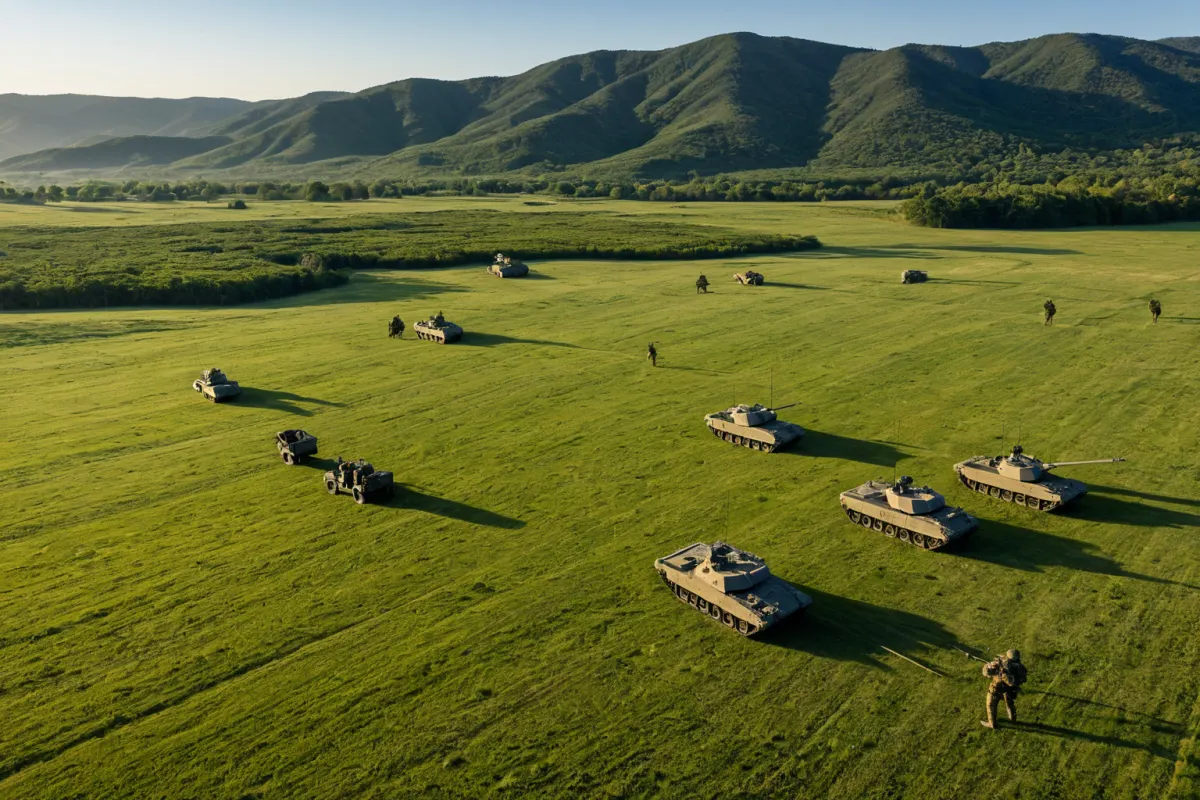
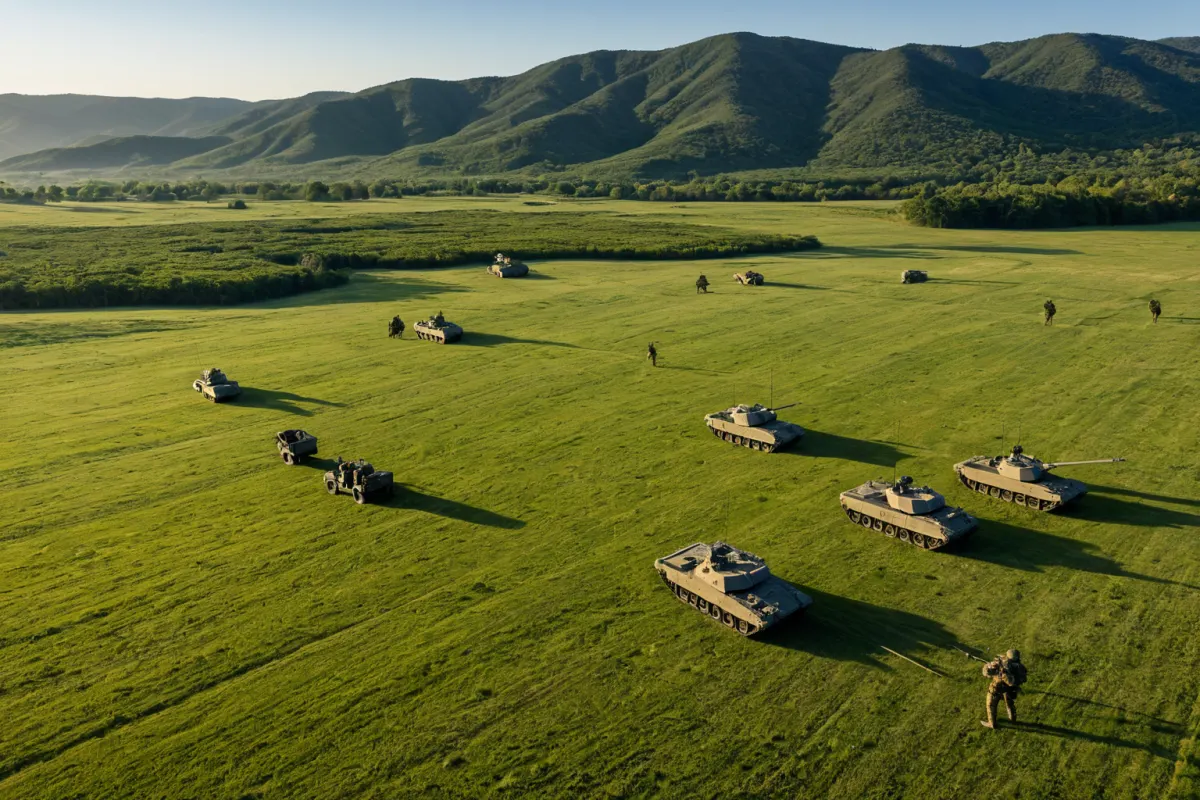
The U.S. and South Korea will conduct the 'Ulchi Freedom Shield' (UFS) joint exercise from August 17 to 27, 2026. The training aims to assess pre-handover readiness and evaluate joint defense capabilities, with a notable reduction in field maneuver exercises.
Pre-Handover Readiness and Exercise Objectives
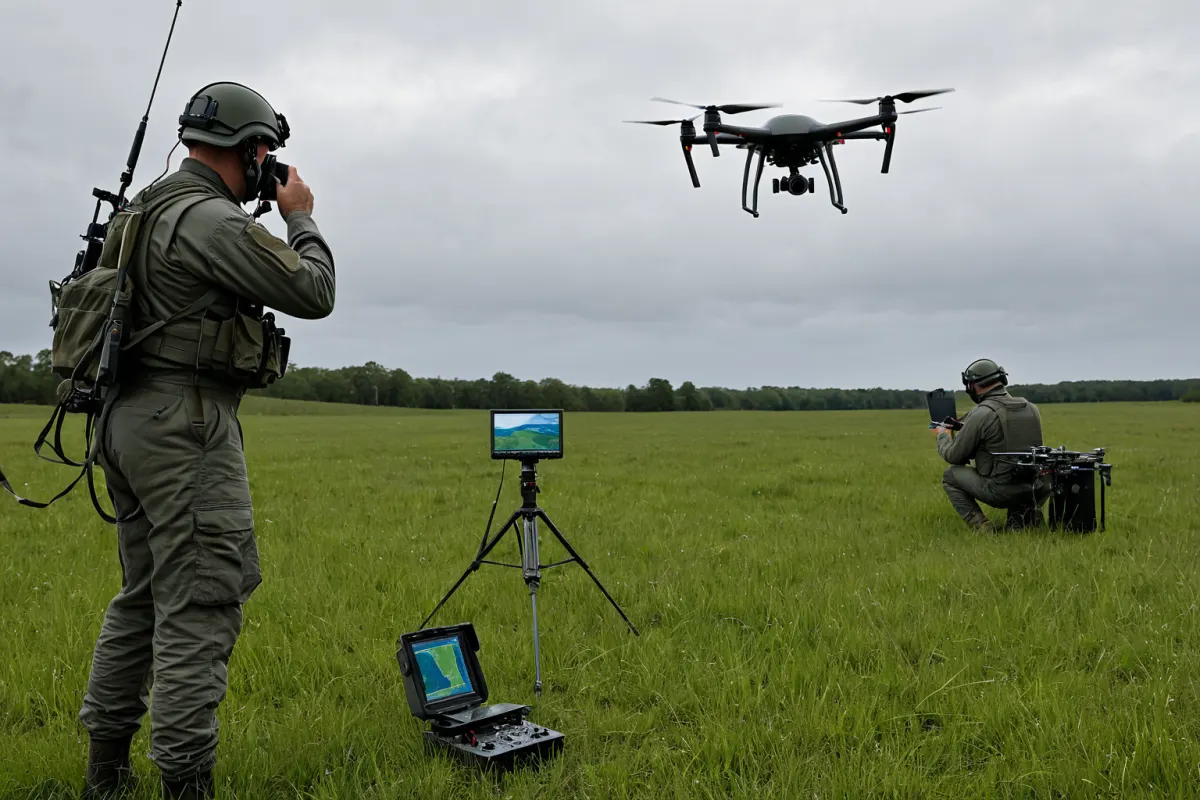
The 2026 UFS exercise will focus on assessing the process of transferring operational control (OPCON) from the U.S. to South Korea. In 2023, space, cyber, and electronic warfare components were expanded, and similar approaches are expected in 2026. Some reports indicate that drone, GPS jamming, and cyber threat response exercises may be included.
During the exercise period, both nations will strengthen surveillance systems to counter potential provocations from North Korea while also reinforcing international cooperation. On August 11, 2026, veterans of the Korean War met with UN Command troops deployed for joint exercises, and on August 14, a drone terrorism simulation drill was conducted in Yangsan.
Historical Trends and Changes in Exercises
Ulchi Freedom Shield (UFS) is an annual U.S.-South Korea military exercise that has been held continuously from 2022 to 2026. The 2022 exercise began with a pre-crisis management drill on August 15, followed by the main joint training starting on August 21. Subsequent exercises were conducted in August 2023 (August 21), 2024 (August 20), and 2025 (August 18–28).
A notable feature of the 2025 and 2026 exercises is the reduced scale of field maneuver drills. In 2025, there were 44 such maneuvers, but this dropped to 14 in 2026. This reduction is seen as a measure to improve training methods and assess more efficient joint defense readiness.
Exercise Content and Participants
The 2026 UFS exercise will strengthen military preparedness by evaluating OPCON transition, among other initiatives. While FTX (strategic exercises) have been scaled back, reports suggest drone, GPS jamming, and cyber threat response drills may be included.
The main participants in the joint exercise are South Korean and U.S. forces, with UN Command troops also participating. On August 11, 2026, Korean War veterans met with UN Command soldiers deployed for the exercises, and on August 14, a drone terrorism simulation drill was conducted in Yangsan involving over 20 organizations and 1,000 participants.
Strengthening International Cooperation and Exercise Purpose
The Ulchi Freedom Shield (UFS) focuses on enhancing surveillance systems to counter North Korean provocations and building international cooperation. In 2023, the UFS exercise expanded space, cyber, and electronic warfare components, reflecting adjustments in strategy to align with modern warfare characteristics.
While protests against nuclear war exercises occurred in 2024, the 2025 and 2026 exercises have proceeded smoothly. On August 10, 2025, discussions on strategic flexibility were reinvigorated, seen as an effort to enhance the sustainability of U.S.-South Korea military cooperation.
Exercise Scale and Schedule
The 2026 UFS exercise will run from August 17 to 27, with a reduced scale for field maneuver exercises. This reflects the decrease from 44 maneuvers in 2025 to just 14 in 2026.
The 2025 exercise ran from August 18 to 28, and the 2026 schedule appears slightly advanced, possibly to align with pre-handover preparation timelines.
Future Plans and Key Points to Watch
The U.S. and South Korea plan to verify the reliability of the OPCON transition process through the 2026 UFS exercise while further strengthening joint defense capabilities. This is considered an important step in responding to changes in the Korean Peninsula security environment.
Notably, drone, GPS jamming, and cyber threat response exercises are expected to be included in the 2026 training, reflecting strategic adjustments aligned with modern warfare characteristics. The meeting between UN Command soldiers and Korean War veterans also carries historical significance.
Verified Information
As of now, the 2026 UFS exercise is scheduled for August 17–27, conducted with a reduced scale of field maneuvers. Some reports mention drone, GPS jamming, and cyber threat response exercises, though specific details remain undisclosed.
The reduction in field maneuver drills from 44 in 2025 to 14 in 2026 is seen as part of efforts to assess pre-handover readiness and joint defense capabilities more efficiently. However, specific plans or detailed schedules have not been released.
Frequently Asked Questions
Q: Why is the Ulchi Freedom Shield (UFS) exercise conducted annually?
The Ulchi Freedom Shield (UFS) exercise is held annually to assess the operational control (OPCON) transfer process between South Korea and the U.S. and strengthen surveillance systems against North Korean provocations.
Q: Why was the scale of field maneuvers reduced in the 2026 UFS exercise?
In 2026, field maneuver drills decreased from 44 to 14 compared to 2025, seen as a measure to improve training methods and assess more efficient joint defense readiness.
Q: Why are drone, GPS jamming, and cyber threat response exercises included?
These drills reflect strategic adjustments to modern warfare characteristics, with increasing importance placed on cyber and drone technologies.
Frequently Asked Questions
The 2026 U.S.-South Korea Ulchi Freedom Shield (UFS) exercise will run from August 17 to 27, focusing on pre-handover readiness and joint defense assessments with a reduced scale of field maneuvers. Drone, GPS jamming, and cyber threat response exercises are expected to be included, reflecting strategic adjustments aligned with modern warfare characteristics.
The reduction in field maneuver drills from 44 in 2025 to 14 in 2026 is seen as part of efforts to verify the reliability of the OPCON transition process and strengthen military preparedness. However, specific plans or detailed schedules have not been disclosed.
Going forward, both nations aim to further solidify joint defense capabilities through this exercise while enhancing surveillance systems against North Korean provocations. The inclusion of drone, GPS jamming, and cyber threat response exercises is particularly noteworthy as a strategic adjustment for modern warfare challenges.
This information helps understand the evolving nature of annual UFS exercises and serves as an important factor in sustaining U.S.-South Korea military cooperation.
You can explore similar articles on this topic all at once.
View Related ArticlesFAQ
Why is the Ulchi Freedom Shield (UFS) exercise conducted annually?
The Ulchi Freedom Shield (UFS) exercise is held annually to assess the operational control (OPCON) transfer process between South Korea and the U.S. and strengthen surveillance systems against North Korean provocations.
Why was the scale of field maneuvers reduced in the 2026 UFS exercise?
In 2026, field maneuver drills decreased from 44 to 14 compared to 2025, seen as a measure to improve training methods and assess more efficient joint defense readiness.
Why are drone, GPS jamming, and cyber threat response exercises included?
These drills reflect strategic adjustments to modern warfare characteristics, with increasing importance placed on cyber and drone technologies.
Korean Source
This article is an English localization of a Korean-language report from BlogScore. Original: 한미 을지 자유의 방패 훈련, 참가국 및 규모 정리