
US-South Korea Military Drills Cut Drastically: Why the Sudden Change?

US-South Korea Drills Reduced: Key Facts
President Trump directed a major reduction in US-South Korean joint military exercises as part of efforts to restart talks with North Korea, following Pyongyang's response to an invitation for dialogue. This mirrors the 2019 move, when U.S. lawmakers expressed concerns about weakened alliance trust and reduced nuclear deterrence.
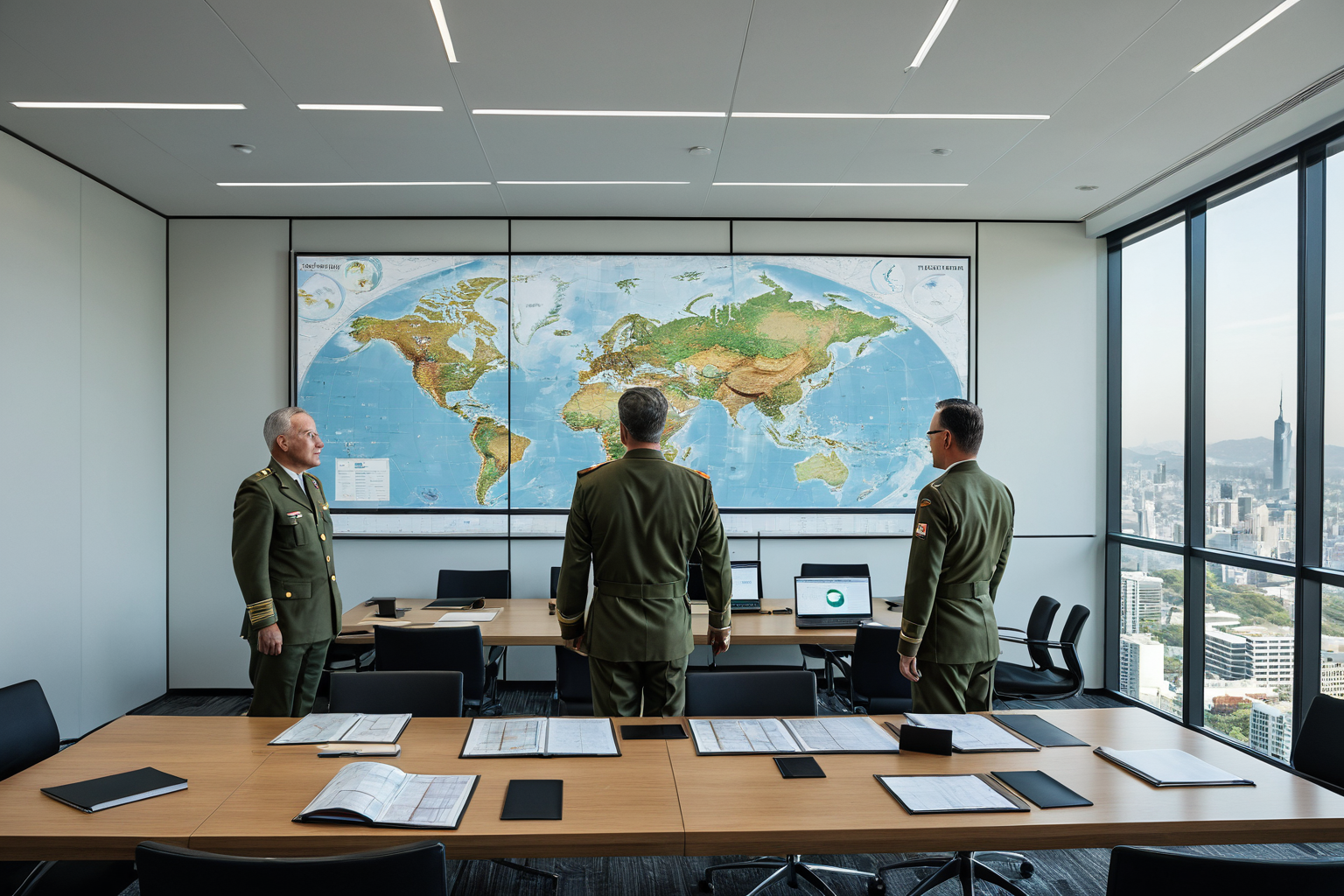
Scale and Context of Drill Cuts
On August 17, 2026, President Trump announced a significant reduction in US-South Korean joint exercises. The move appears to be a response to North Korea's invitation for dialogue, particularly after Kim Jong-un agreed to restart talks. The UFS exercise has been cut by half, similar to the 2019 adjustment.
Following Trump's announcement, the U.S. Forces Korea commander visited South Korea's Ministry of Defense to assess the situation. U.S. senators urged a reversal, warning of weakened alliance trust and reduced nuclear deterrence. Some Chinese state media analyzed the move as a political strategy ahead of midterm elections.
US-South Korea-Japan exercises will continue, signaling a reconfiguration of alliance strategy. South Korea's ruling party leader has called for ending America dependency, sparking active discussions about the future of US-South Korea relations.
Background Behind Trump Administration's Decision
The Trump administration's decision to cut joint military exercises aims to improve relations with North Korea after Kim Jong-un responded positively to an invitation for dialogue. This follows a similar strategy in 2019, when reduced drills preceded renewed US-North Korea talks.
Trump's move appears designed to foster better North Korean relations. The timing suggests it was influenced by Pyongyang's willingness to engage in dialogue.
The August 17, 2026 announcement includes cutting the UFS exercise in half, representing a major reduction in military cooperation between Washington and Seoul. This has prompted a reconfiguration of alliance strategy, with US-South Korea-Japan exercises continuing as planned.
Senators' Concerns and International Reactions
U.S. senators expressed concern over weakened alliance trust and reduced nuclear deterrence, calling for the drill cuts to be reversed. They warned this could undermine the strategic value of the US-South Korea alliance.
Chinese state media analyzed Trump's move as a political strategy ahead of midterm elections, though this is a single-source analysis. Other outlets view it as a strategic decision to restart US-North Korea talks.
South Korea's ruling party leader has argued that the era of relying solely on America is over, prompting active discussions about the future of the alliance. This signals a call for redefining the relationship between Seoul and Washington.
Reconfiguring Alliance Strategy
US-South Korea-Japan exercises will continue as planned, indicating a shift in alliance strategy. This appears to be part of adjusting the direction of the US-South Korea alliance.
The Trump administration's decision to reduce drills mirrors the 2019 approach, when reduced exercises preceded North Korean dialogue efforts. This current move suggests a broader reconfiguration of alliance strategy beyond simple scale adjustments.
Discussions about potential reductions or withdrawals of US troops in South Korea have intensified as part of this strategic shift.
Improving US-North Relations and Changing Security Environment
The Trump administration's decision to cut drills aims to restart dialogue with North Korea, following Kim Jong-un's positive response to an invitation. This follows a similar pattern from 2019 when reduced drills preceded renewed talks.
This move reflects changing security dynamics on the Korean Peninsula. As US-North Korea dialogue progresses, ensuring South Korea isn't sidelined has become increasingly important.
South Korea's ruling party emphasizes ending America dependency as part of addressing shifting regional security conditions. Reports about Trump potentially acknowledging North Korea's nuclear status or suggesting troop withdrawal remain unconfirmed.
South Korean Ruling Party Response and Future Outlook
The South Korean ruling party leader has stated that the era of relying solely on America is over, stressing the need to redefine the US-South Korea alliance. This represents an effort to find a new balance in the relationship.
The ruling party argues for reducing dependence on the U.S. and strengthening South Korea's own security capabilities. This reflects efforts to explore a new paradigm for the alliance.
Some voices within South Korea suggest troop withdrawal rather than reduction, though this remains unconfirmed. No specific plans have been publicly disclosed at this time.
Key Information to Verify
The Trump administration's decision to cut military drills aims to restart dialogue with North Korea after Kim Jong-un responded positively to an invitation. This mirrors the 2019 approach, with U.S. senators expressing concerns about weakened alliance trust and reduced nuclear deterrence.
Chinese state media analyzed the move as a political strategy ahead of midterm elections, though this is a single-source analysis. US-South Korea-Japan exercises will continue as planned, signaling a reconfiguration of alliance strategy.
The South Korean ruling party leader has called for ending America dependency, prompting active discussions about the future of the alliance, which reflects an adjustment to changing security conditions on the peninsula.
Frequently Asked Questions
When will the reduced US-South Korea drills take effect? The cuts follow Trump's announcement on August 17, 2026, with UFS exercises now halved in scale.
Why did Trump reduce joint military exercises? As part of efforts to restart dialogue with North Korea after Kim Jong-un responded positively to an invitation for talks.
How have US senators reacted? They expressed concern about weakened alliance trust and reduced nuclear deterrence, urging a reversal of the drill reductions.
Frequently Asked Questions
The significant reduction in US-South Korea joint military exercises represents a strategic move by the Trump administration to restart dialogue with North Korea following Pyongyang's positive response. This follows similar actions in 2019, with ongoing US-South Korea-Japan exercises signaling an alliance strategy reconfiguration. South Korea's ruling party emphasizes ending America dependency as part of active discussions about the future of the alliance.
This move reflects changing security dynamics on the Korean Peninsula and represents a strategic decision aimed at improving North Korean relations. However, concerns about weakened alliance trust and reduced nuclear deterrence persist, requiring ongoing monitoring of developments.
You can find similar articles on this topic in one place.
View Related ArticlesFAQ
When will the reduced US-South Korea drills take effect?
The cuts follow Trump's announcement on August 17, 2026, with UFS exercises now halved in scale.
Why did Trump reduce joint military exercises?
As part of efforts to restart dialogue with North Korea after Kim Jong-un responded positively to an invitation for talks.
How have US senators reacted?
They expressed concern about weakened alliance trust and reduced nuclear deterrence, urging a reversal of the drill reductions.
Korean Source
This article is an English localization of a Korean-language report from BlogScore. Original: 한미훈련 대폭 축소, 왜 이렇게 됐을까?