
US-South Korea Joint Exercises Adjusted: Military Strategy and International Relations Analysis
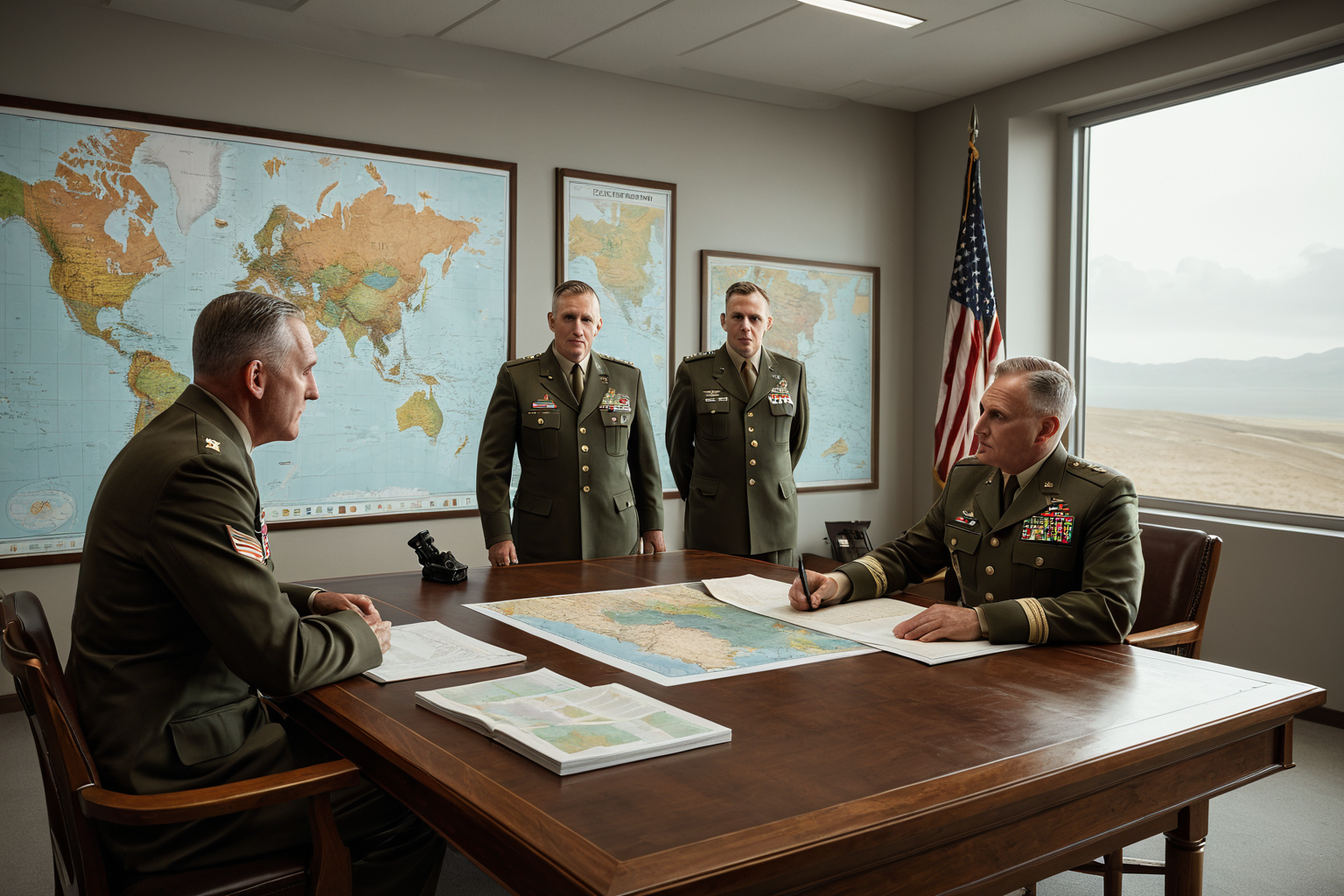
Military Strategy and International Relations Shifts in US-South Korea Joint Exercise Adjustments
The adjustment of US-South Korean joint exercises represents a strategic approach linked to renewed US-North Korea dialogue, with the government emphasizing the steadfastness of the US-South Korea alliance as the foundation for exercise coordination. The establishment of a dedicated 'nuclear-conventional integration' unit within U.S. Forces Korea (USFK), operating as an independent American department rather than under Combined Forces Command (CFC), signals a shift in military cooperation structure.
The government has been closely coordinating with the US on joint exercises, stating it will continue to share specific details moving forward. This comes amid expectations of US-North Korea summit talks, with emphasis placed on maintaining a strong US-South Korea alliance as the basis for exercise coordination and collaboration.
A new 'nuclear-conventional integration' unit has been established within USFK, operating independently from CFC as an American-only department. Some media outlets have raised questions about North Korea-US dialogue possibilities and South Korea's need for negotiation coordination in this context.
Following reports on March 27, 2026, regarding the establishment of USFK's 'nuclear-conventional integration' unit, the government has been closely coordinating joint exercises with the US. On August 17, 2026, the government reiterated its commitment to continued coordination and collaboration on exercise details amid expectations of US-North Korea summit talks.
New USFK Organization and Diverging Views Between US and South Korea
The USFK Commander stated that South Korea is viewed by China as a 'non-player' in Asia's strategic center. This highlights South Korea's strategic position on the Korean Peninsula, signaling shifts in international relations from a military perspective.
Blue House (South Korea's presidential office) confirmed that the US and South Korea have been closely coordinating joint exercises, with plans to continue sharing specific details. The Blue House made this official statement on August 17, 2026.
A March 8, 2026 report by Tongil News analyzed the political and strategic significance of potential reductions in the 2026 US-South Korea FS (Foal Eagle) exercises. A US expert criticized Trump's comments on reducing joint exercises, emphasizing 'coexistence over denuclearization' instead.
While the Trump administration discussed scaling back joint exercises, the Blue House stated that coordination with the US has continued. This led to increased tension in US-South Korea relations, with the US Congress and media criticizing potential reductions as damaging to the alliance.
Reports published mid-August 2026 analyze tensions in US-South Korea relations and the military significance of exercise adjustments. The sudden postponement of the '12 Star Meeting' ahead of second-half joint exercises stands out as a recent issue, indicating differences between the two allies.
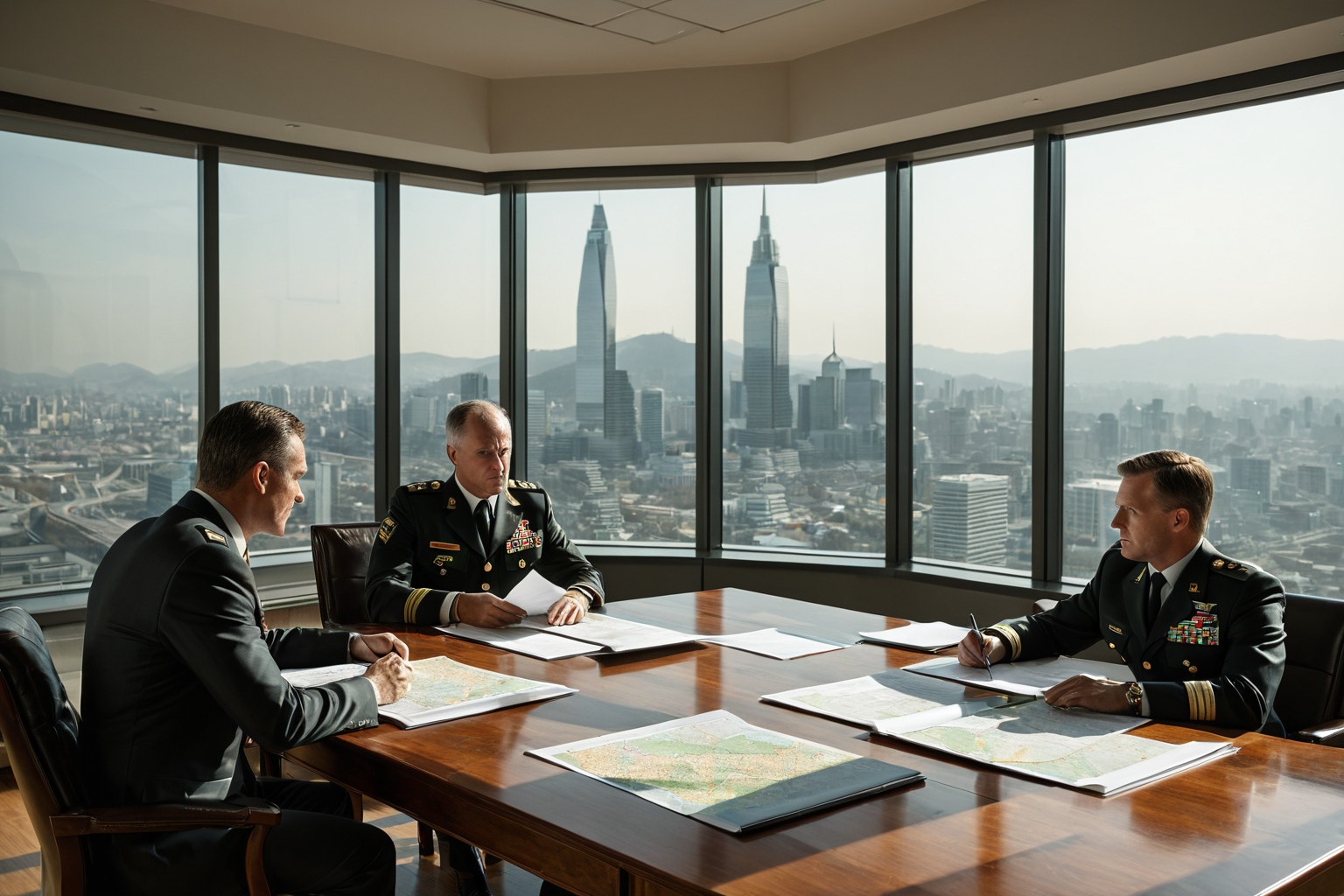
Political and Strategic Significance of 2026 FS Exercise Reduction Discussions
Discussions about reducing the 2026 US-South Korea FS exercises carry significant political and strategic meaning. A US expert criticized Trump's remarks on reducing joint exercises, emphasizing 'coexistence over denuclearization' instead.
Analysis suggests that shortening US-South Korea exercises could alleviate burden of returning operational control (OPCON) to South Korea and positively impact peace on the Korean Peninsula. This was reported by Tongil News on March 8, 2026.
The US-South Korea joint exercise UFS experienced its first-ever early termination, linked to efforts to advance Trump-Kim Jong Un talks and concerns over North Korea's nuclear status. A mid-August 2026 report noted that Victor Cha analyzed the reduction in exercises as the first concrete action aimed at enticing Kim Jong Un.
South Korea proposed reducing outdoor maneuver exercises, but the US reportedly expressed hesitation. On February 22, 2026, a scheduled announcement about US-South Korea FS training was postponed due to difficulties in coordinating reductions of outdoor maneuver exercises.
The Ministry of National Defense confirmed ongoing coordination on US-South Korea joint outdoor maneuver exercises and announced plans for joint exercises with Japan. 'Freedom Shield' joint exercises are scheduled for March 9-19, 2026.
Military Strategy and International Relations Shifts
The adjustment of US-South Korea joint exercises holds significant military strategy and international relations implications. The USFK Commander's statement about South Korea being viewed by China as a 'non-player' in Asia's strategic center was emphasized, while the Blue House reiterated that the US and South Korea have been closely coordinating joint exercises with plans to continue sharing specific details.
On August 17, 2026, the Blue House made an official statement regarding exercise coordination, reflecting a strategic approach based on expectations of US-North Korea summit talks and maintaining a strong US-South Korea alliance.
Reports published mid-August 2026 analyze tensions in US-South Korea relations and military significance of exercise adjustments. The establishment of the 'nuclear-conventional integration' unit within USFK, operating as an independent American department rather than under CFC, indicates a shift in military cooperation structure.
The Trump administration's discussion of reducing joint exercises contrasts with South Korea's Blue House insistence on continued coordination. Consequently, the US Congress and media have criticized potential reductions as damaging to the alliance.
Diverging Views and Coordination Process Between US and South Korea
Reports on US-South Korea exercise adjustments cover various aspects including Trump administration's discussion of reducing joint exercises, South Korea's Blue House insistence on continued coordination, criticism from US Congress and media, and connections to North Korean issues. Reports published mid-August 2026 analyze tensions in relations and military significance of exercise adjustments.
A March 23, 2026 article by Pen & Mic analyzed 'reduction proposals' for US-South Korea joint exercises, focusing on conflicts during the coordination process between the two countries.
On July 1, 2026, the '12 Star Meeting' was unexpectedly postponed ahead of second-half joint exercises. This appears to have been due to differences between the two sides, with US reportedly expressing hesitation regarding South Korea's proposal to reduce training.
The Ministry of National Defense announced on February 23, 2026 that coordination on US-South Korea outdoor maneuver exercises was ongoing, and joint exercises with Japan are scheduled. 'Freedom Shield' joint exercises will take place March 9-19, 2026. However, due to differences between the two countries, the '12 Star Meeting' has been postponed, with the US reportedly hesitant about South Korea's proposal to reduce training.
While the South Korean government emphasized coordination and collaboration on joint exercises, tensions have increased in US-South Korea relations due to Trump administration's discussion of reducing training. This is confirmed by reports published mid-August 2026.
US Expert Opinions and Political Significance
A US expert criticized Trump's comments on reducing joint exercises, emphasizing 'coexistence over denuclearization' instead. This presents a new perspective on strategic approaches within US-South Korea relations.
A March 8, 2026 report by Tongil News analyzed the political and strategic significance of potential reductions in the 2026 US-South Korea FS exercises, offering deep insights into US-South Korea relations and North Korean issues.
Victor Cha analyzed reduced joint exercises as the first concrete action aimed at enticing Kim Jong Un. This suggests Trump administration's diplomatic strategy is focusing on resolving North Korea's nuclear issue.
Analysis indicates that shortening US-South Korea exercises could alleviate burden of returning operational control (OPCON) to South Korea and positively impact peace on the Korean Peninsula. This was reported by Tongil News on March 8, 2026, providing a comprehensive analysis considering military strategy and political significance.
Unverified Information and Need for Further Investigation
Reports on US-South Korea exercise adjustments cover various perspectives, but some contain unverified information requiring further investigation to confirm facts accurately.
The Trump administration's discussion of reducing joint exercises contrasts with South Korea's Blue House insistence on continued coordination. Consequently, the US Congress and media have criticized potential reductions as damaging to the alliance.
Reports published mid-August 2026 analyze tensions in US-South Korea relations and military significance of exercise adjustments, but specific implementation plans or detailed content remain undisclosed.
Key Information to Verify
Important points to note regarding US-South Korea joint exercise adjustments include: First, the postponement of '12 Star Meeting' due to clear differences between the two sides. Second, the response from US side to South Korea's proposal for reducing training. Third, reports related to the scheduled 'Freedom Shield' joint exercises from March 9-19, 2026.
Frequently Asked Questions
What strategic significance does the adjustment of US-South Korea joint exercises hold?
The government emphasizes the steadfastness of the US-South Korea alliance as the foundation for exercise coordination. The establishment of a 'nuclear-conventional integration' unit within USFK, operating independently from CFC as an American-only department, signals changes in military cooperation structure.
What political significance does the 2026 US-South Korea FS exercise reduction discussion hold?
A US expert criticized Trump's comments on reducing joint exercises, emphasizing 'coexistence over denuclearization.' Shortening US-South Korea exercises could alleviate burden of returning operational control (OPCON) to South Korea and positively impact peace on the Korean Peninsula.
Why was the '12 Star Meeting' postponed due to differences between US and South Korea?
The '12 Star Meeting' was unexpectedly postponed ahead of second-half joint exercises. This appears to have been due to differences between the two sides, with the US reportedly expressing hesitation regarding South Korea's proposal to reduce training.
Frequently Asked Questions
The adjustment of US-South Korea joint exercises represents a strategic approach linked to renewed US-North Korea dialogue, with the government emphasizing the steadfastness of the US-South Korea alliance as the foundation for exercise coordination. The establishment of a 'nuclear-conventional integration' unit within USFK, operating independently from CFC as an American-only department, signals changes in military cooperation structure.
Reports published mid-August 2026 analyze tensions in US-South Korea relations and military significance of exercise adjustments. The Trump administration's discussion of reducing joint exercises contrasts with South Korea's Blue House insistence on continued coordination, leading to criticism from US Congress and media.
To accurately understand information regarding US-South Korea joint exercise adjustments, further investigation is necessary. Particularly noteworthy are the postponement of the '12 Star Meeting' and the US response to South Korea's proposal for reducing training.
The government has been closely coordinating joint exercises with the US and stated it will continue to share specific details moving forward. This comes amid expectations of US-North Korea summit talks, with emphasis placed on maintaining a strong US-South Korea alliance as the basis for exercise coordination and collaboration.
You can view similar articles all at once.
View Related ArticlesFAQ
What strategic significance does the adjustment of US-South Korea joint exercises hold?
The government emphasizes the steadfastness of the US-South Korea alliance as the foundation for exercise coordination. The establishment of a 'nuclear-conventional integration' unit within USFK, operating independently from CFC as an American-only department, signals changes in military cooperation structure.
What political significance does the 2026 US-South Korea FS exercise reduction discussion hold?
A US expert criticized Trump's comments on reducing joint exercises, emphasizing 'coexistence over denuclearization.' Shortening US-South Korea exercises could alleviate burden of returning operational control (OPCON) to South Korea and positively impact peace on the Korean Peninsula.
Why was the '12 Star Meeting' postponed due to differences between US and South Korea?
The '12 Star Meeting' was unexpectedly postponed ahead of second-half joint exercises. This appears to have been due to differences between the two sides, with the US reportedly expressing hesitation regarding South Korea's proposal to reduce training.
Korean Source
This article is an English localization of a Korean-language report from BlogScore. Original: 한미 연합훈련 조율, 군사적 의미와 국제 관계 분석