
The Real Conditions and Negotiation Process Behind the US-South Korea Joint Exercise Reduction Decision
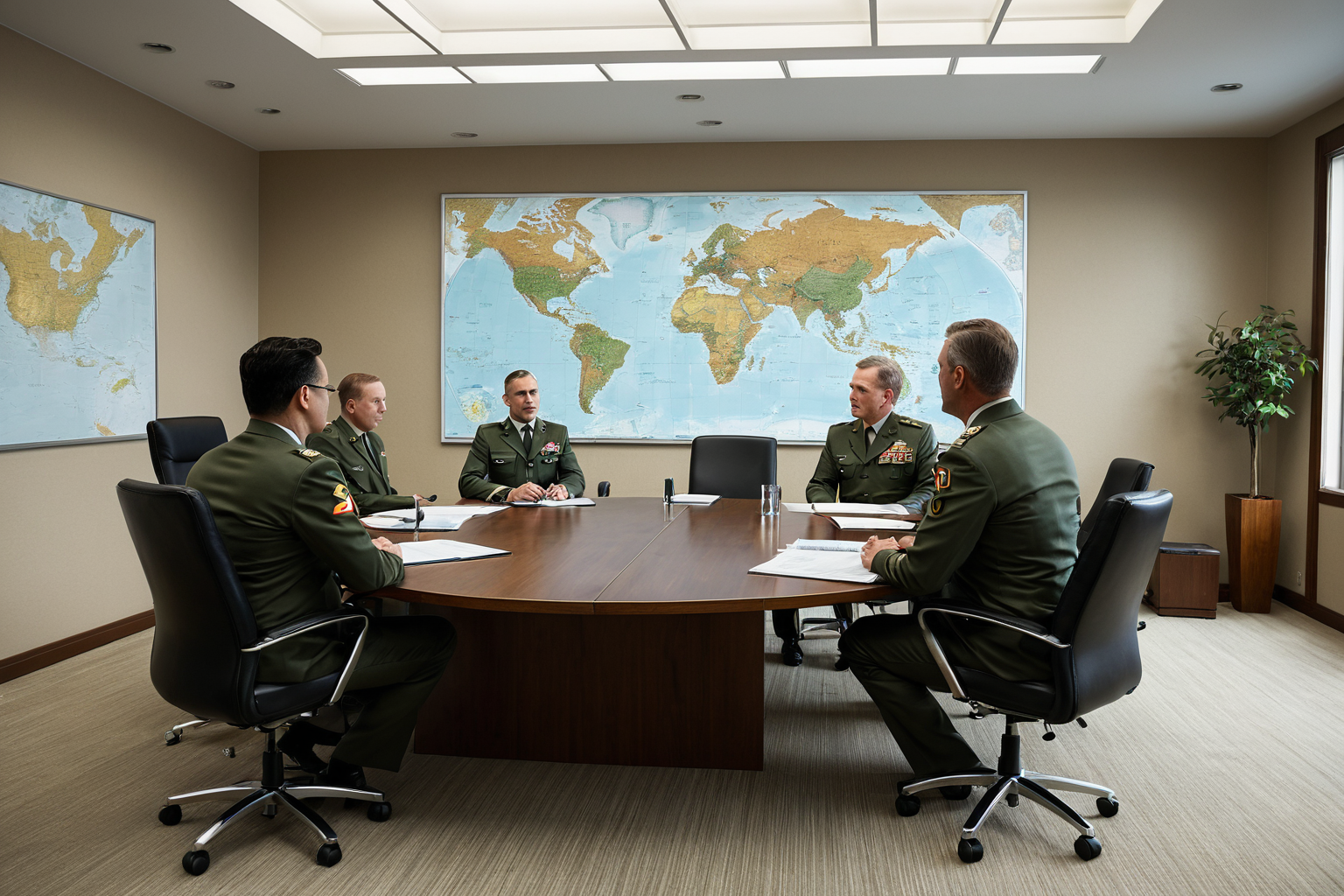
The Core Content of the US-South Korea Joint Exercise Reduction Decision
The Trump administration has decided to drastically reduce joint military exercises with South Korea, scaling them down by half. This move aims to maintain relations with North Korean leader Kim Jong-un and is expected to positively impact easing the burden of transferring operational control and advancing peace on the Korean Peninsula.
Exercises to Be Reduced and Scale
The 'Ulchi Freedom Shield' exercise will continue, but the FTX (US-South Korea joint exercises) will be reduced to half its size. This resembles a situation from eight years ago, as the Trump administration shifts its approach to North Korean nuclear issues from 'disregard' to 'management.'
Background of the Trump Administration's Directive
President Trump directed the significant reduction of US-South Korea joint exercises to maintain relations with Kim Jong-un. The goal is to expand dialogue opportunities with North Korea, and the US Department of Defense stated it would 'actively implement' the commander-in-chief's directive without disclosing specific changes.
US Political Reactions
US congressional leaders from both parties sent a letter requesting the reversal of the Trump administration's decision, expressing concerns that the reduction could pose security risks. The Department of Defense has emphasized 'active implementation' without announcing specific changes.
Connection to Transfer of Operational Control
The reduction in joint exercises is expected to ease the burden of transferring operational control. Both countries plan to maintain the 'Ulchi Freedom Shield' exercise while reducing FTX's scale, following a directive from President Trump on August 17, 2026, with an official announcement made on August 18.
Shift in US Approach to North Korean Nuclear Issues
The Trump administration has shifted its approach to North Korean nuclear issues from 'disregard' to 'management,' marking a change from the past eight years of policy focused on dialogue. Russian Foreign Minister noted that the US strategy still centers on isolating North Korea, but the Trump administration is attempting a different approach.

Negotiation Process Behind the Joint Exercise Reduction Decision
The Trump administration ordered a significant reduction in joint exercises on August 17, 2026, as part of a strategic decision to maintain relations with Kim Jong-un. The official announcement followed on August 18, and US congressional leaders from both parties sent a letter requesting the reversal on August 19.
Connection to the Passage of Legislation in the US House
The US House passed a defense bill on July 23, 2026, led by Republicans, which explicitly states the maintenance of US forces in South Korea and cooperation with South Korea. This may relate to discussions about reducing US troop levels, as the commander of the US Forces Korea emphasized maintaining forward-deployed troops to alleviate concerns about potential cuts.
Reorganization of US Forces in South Korea and Strategic Focus
The Trump administration has set the strategic focus for US forces in South Korea on the first line of defense, pressuring South Korea to contribute more toward modernization. This was emphasized starting September 30, 2025, with ongoing negotiations between the two countries.
Shift in the US Department of Defense's Position
The US Department of Defense stated it would 'actively implement' President Trump's directive after receiving it but has not disclosed specific changes. Initially claiming no changes, it later emphasized 'active implementation.'
Expected Effects of the Joint Exercise Reduction
This decision is expected to ease the burden of operational control transfer and promote peace on the Korean Peninsula. However, with opposition from US congressional leaders, further controversy is anticipated, and the lack of specific details released by the Department of Defense adds uncertainty.
US-South Korea Relations and Opportunities for Dialogue with North Korea
The decision to reduce joint exercises aims to expand dialogue opportunities with North Korea. Similar to eight years ago, Trump appears to be maintaining relations with Kim Jong-un while changing his approach to North Korea's nuclear issues.
Political Reactions Within the US
US congressional leaders from both parties sent a letter requesting the reversal of the joint exercise reduction due to concerns over potential security risks, linking it to changes in Trump's policy toward North Korea and ongoing debates about how the reduction might impact US strategy on the Korean Peninsula.
Key Information to Consider
The decision to reduce joint exercises is directly linked to the Trump administration's shift in North Korea policy, aiming to expand dialogue opportunities. It is expected to ease the burden of operational control transfer and promote peace on the Korean Peninsula. Opposition from US congressional leaders stems from concerns that the reduction could pose security risks by weakening pressure on North Korea, while the Department of Defense has not disclosed specific changes, leaving room for further debate.
Frequently Asked Questions
How will the reduction in joint exercises affect operational control transfer? The reduction is expected to ease the burden of operational control transfer. With reduced exercise scale, South Korea's military burden decreases, allowing more flexibility during the transition process.
Why did US congressional leaders request a reversal? US congressional leaders from both parties expressed concern that reducing joint exercises could pose security risks, fearing it might weaken pressure on North Korea and reduce US countermeasures against North Korea.
How has the Trump administration's approach to North Korean nuclear issues changed? The Trump administration has shifted its approach from 'disregard' to 'management,' focusing on dialogue as a means of resolution. This marks a departure from the past eight years of policy, which emphasized expanding dialogue opportunities.
Frequently Asked Questions
The decision by the Trump administration to reduce joint military exercises with South Korea is a strategic move aimed at maintaining relations with North Korean leader Kim Jong-un. It is expected to ease the burden of operational control transfer and promote peace on the Korean Peninsula, though opposition from US congressional leaders has raised concerns about potential security risks. The Department of Defense has not disclosed specific changes, leaving uncertainty.
You can view similar articles all at once on this topic.
View Related ArticlesFAQ
How will the reduction in joint exercises affect operational control transfer?
The reduction is expected to ease the burden of operational control transfer. With reduced exercise scale, South Korea's military burden decreases, allowing more flexibility during the transition process.
Why did US congressional leaders request a reversal?
US congressional leaders from both parties expressed concern that reducing joint exercises could pose security risks, fearing it might weaken pressure on North Korea and reduce US countermeasures against North Korea.
How has the Trump administration's approach to North Korean nuclear issues changed?
The Trump administration has shifted its approach from 'disregard' to 'management,' focusing on dialogue as a means of resolution. This marks a departure from the past eight years of policy, which emphasized expanding dialogue opportunities.
Korean Source
This article is an English localization of a Korean-language report from BlogScore. Original: 한미 연합훈련 축소 결정의 실제 조건과 협상 과정