
How U.S. Section 301 Tariffs Affect Inflation: Key Price Shift Points
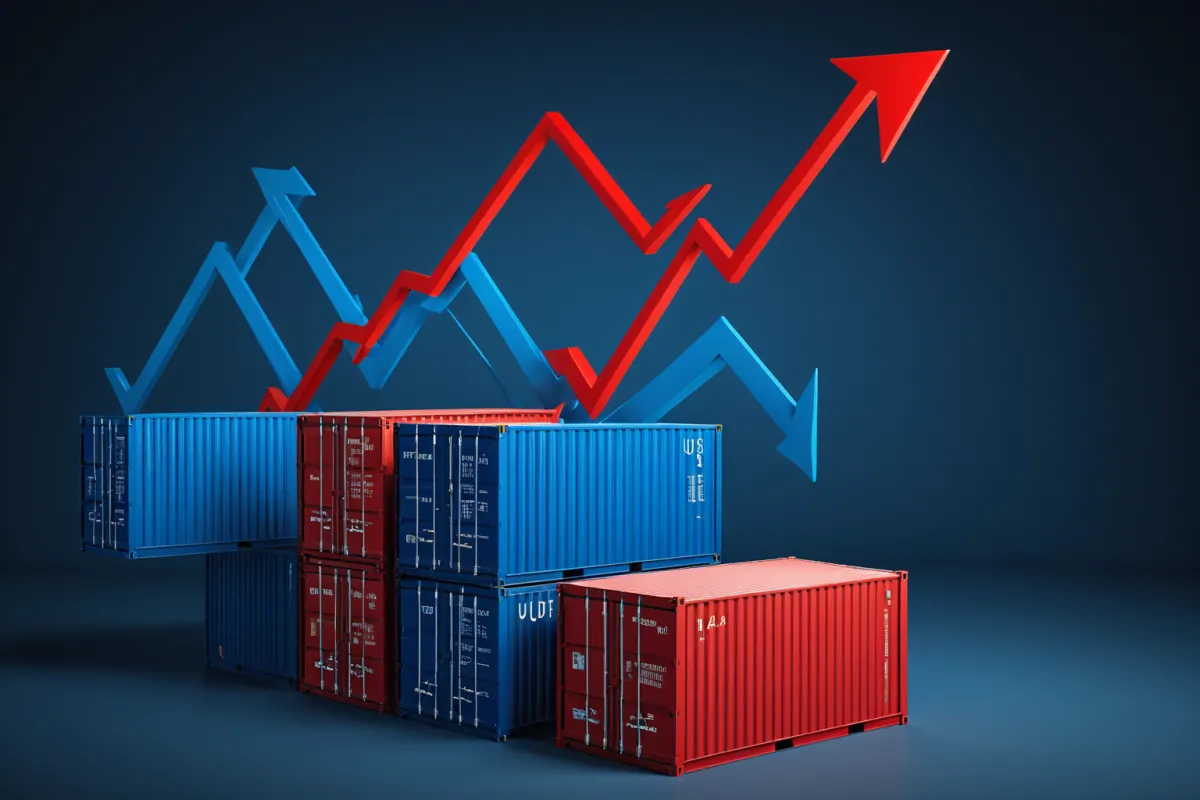
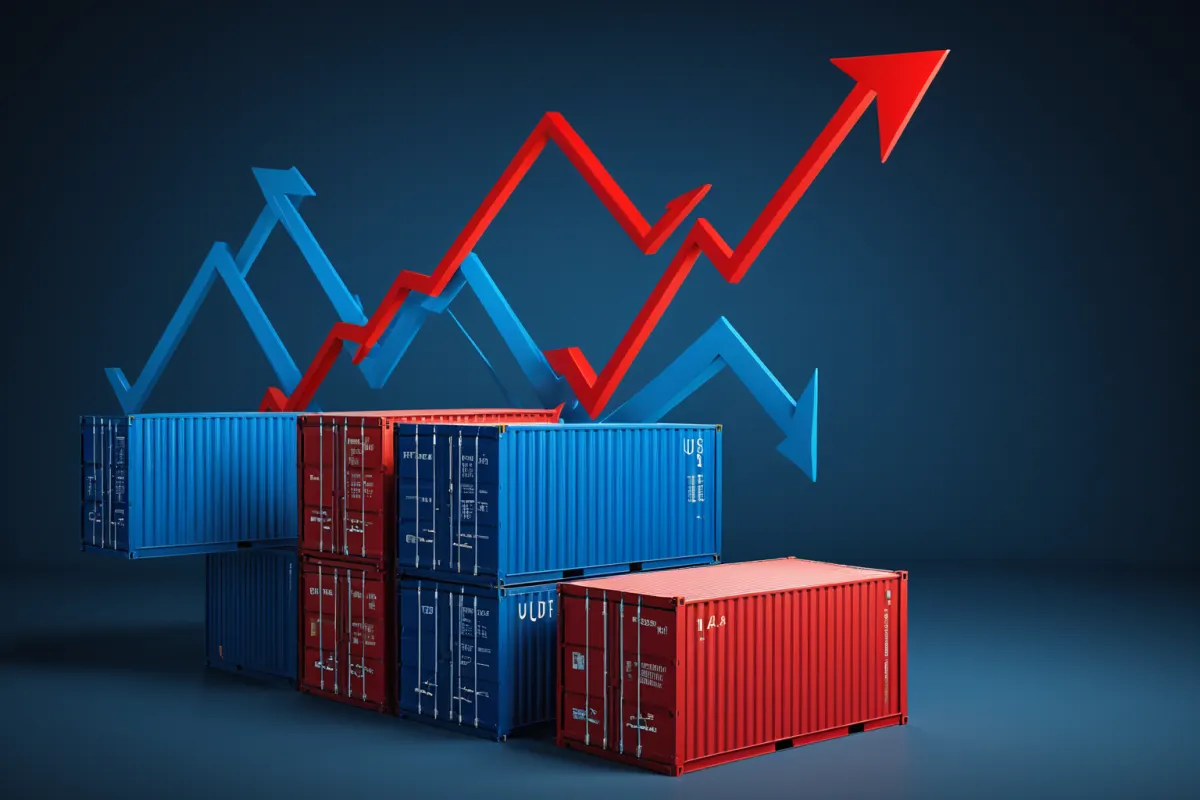
The impact of U.S. Section 301 tariffs on prices is simpler than many assume. When the U.S. imposes additional taxes on Chinese-made products, these costs don't instantly reflect at 100% in final consumer prices. Instead, they gradually spread through distribution, import processes, and supply chain adjustments. So rather than all prices rising suddenly, specific items often experience initial price shifts that then ripple to related products.
When examining Section 301 tariff impacts on inflation, it's more important to consider which items are targeted, whether substitutes exist, and what percentage of imports come from China. Items with tightly integrated supply chains—like essential goods, components, and electronics—may show quicker price changes, while domestically substitutable products may see weaker price pass-through.
Why Section 301 Tariffs Don't Immediately Affect Prices
Tariffs are first applied at the import stage. However, this doesn't mean retail prices jump immediately. Existing inventory, distributors absorbing some costs, and competitive pricing adjustments create time lags.
For example, if a Chinese-made household item originally cost $10 with a 25% tariff, the in-store price might rise by less than 25%. The importer could absorb 5%, the distributor another 5%, with only 15% reflected in consumer prices. Conversely, low-margin items are more likely to see immediate price increases due to tariffs.
You can view similar articles on this topic all at once.
View Related ArticlesItems Most Likely to See Price Changes First
The impact of Section 301 tariffs on prices varies significantly by item. Items that are hard to substitute—such as components, finished goods, and consumable imports—are most sensitive. Electronics parts, appliance accessories, tools, and certain furniture items with high Chinese supply dependency often come up in discussions.
Conversely, food products with complex sourcing structures typically don't see immediate price jumps from tariffs alone but move alongside shipping costs, weather patterns, and energy prices. So while news might report tariffs pushing inflation higher, the actual consumer experience varies by category.
For instance, a typical observable pattern is: first, imported electronics components rise in cost; then, assembled products adjust their prices; finally, related accessories or replacement parts gradually increase. This chain reaction happens over time rather than all at once.

How U.S. Companies and Consumers Share the Burden
Many assume tariffs are fully borne by foreign companies, but in reality, costs are shared among importers, manufacturers, wholesalers, retailers, and consumers. The exact split depends on negotiating power.
Strong brand companies can more easily pass price increases to consumers, while competitive markets often struggle to raise prices immediately. In such cases, businesses may reduce margins temporarily before adjusting prices later—a pattern that doesn't always show up in immediate inflation statistics but becomes noticeable over time.
For example, even for similar household items, premium brands might increase prices by $2, while common brands with many substitutes might only raise prices by 50 cents or change product bundles. Prices may appear stable on the surface, but reduced package sizes or altered configurations can mean a higher perceived burden for consumers.
Additional Costs from Shifting Supply Chains
When tariffs rise, companies often look for alternative suppliers outside China. However, this transition creates new costs: quality inspections, logistics redesigns, contract adjustments, and initial sample testing fees.
This process can temporarily raise production costs even further. Moving manufacturing to Vietnam, Mexico, or India doesn't immediately lower prices due to differences in labor costs, shipping expenses, and production stability. Therefore, tariff avoidance rarely leads directly to lower consumer prices.
Companies often restructure supply chains—keeping components from China but assembling products elsewhere—but this requires equipment investment and time. For consumers, this means more frequent price fluctuations during the transition period.
How Exchange Rates and Shipping Costs Interact
When assessing Section 301 tariff impacts on prices, it's important not to look at tariffs in isolation. Fluctuations in dollar strength, shipping rates, and energy costs can amplify or reduce tariff effects. For example, a 25% tariff might feel less impactful if favorable exchange rates apply.
Conversely, unusually high shipping costs can raise prices even for items not subject to tariffs. So actual price increases result from the combined effect of "tariffs + exchange rates + logistics + inventory." Relying on single-line news reports alone may lead to misunderstandings about broader inflation trends.
Real-World Examples of Consumer Impact
For instance, if Chinese-made small appliances become subject to Section 301 tariffs in the U.S., initial price adjustments might first affect offline store pricing rather than online sales. This is because inventory turnover rates differ across distribution channels. Consumers may notice varying prices for the same product at different stores.
Another example: rising component tariffs could lead to higher auto repair costs. While a single part might cost a few dollars more, labor and shipping add up, resulting in significantly higher final repair bills than expected. In such cases, while price increases may be less visible for everyday items, the perceived burden can feel greater.
Similarly for appliances: even if base prices don't rise immediately, accessories, extra batteries, or replacement parts often increase first, raising total ownership costs. Consumers should consider maintenance expenses alongside initial purchase prices.
Key Points to Monitor for Price Shifts
To understand how tariffs affect inflation in practice, check these key points:
- Is the item heavily imported from China?
- Is it a component or finished product?
- Are there many substitute brands available?
- Is inventory nearing depletion?
- Are exchange rates and shipping costs rising together?
For example, simple light bulbs may have easy substitutes with minimal price changes, while specialized controller parts for specific models might rise faster due to limited alternatives. Analyzing items this way helps avoid missing broader inflation trends.
Misconceptions About Section 301 Tariffs and Inflation
A common misunderstanding is that tariffs automatically cause immediate widespread price increases. In reality, some items shift first, followed by related products over time. While the perceived inflation effect may spread gradually, the speed and scope vary significantly.
Another key point: companies rarely raise prices all at once. Instead, they adjust incrementally based on consumer response, making monthly price changes seem small. However, over six months or a year, cumulative increases become clearer.
FAQ
Q1. Do Section 301 tariffs cause immediate price hikes across all goods?
No. Only targeted items and connected products are affected. Items with many substitutes or high domestic production may see little impact.
Q2. How quickly do tariff increases show up in prices?
This varies depending on inventory levels, contract changes, and shipping schedules. Some effects may appear within weeks, but most often take months to manifest gradually.
Q3. Which products should consumers watch for price changes?
Focus first on electronics components, appliance accessories, tools, and other items with high Chinese import dependency that are hard to substitute. These tend to show price shifts more quickly.
Continue exploring similar topics.
View Category ArticlesFAQ
Do Section 301 tariffs cause immediate price hikes across all goods?
No. Only targeted items and connected products are affected. Items with many substitutes or high domestic production may see little impact.
How quickly do tariff increases show up in prices?
This varies depending on inventory levels, contract changes, and shipping schedules. Some effects may appear within weeks, but most often take months to manifest gradually.
Which products should consumers watch for price changes?
Focus first on electronics components, appliance accessories, tools, and other items with high Chinese import dependency that are hard to substitute. These tend to show price shifts more quickly.
Korean Source
This article is an English localization of a Korean-language report from BlogScore. Original: 미국 301조 관세가 물가에 미치는 영향은? 가격 변동 포인트