
U.S. Power Demand Surge and Its Impact on Korea: Analysis
Key Drivers of Rising U.S. AI Power Demand
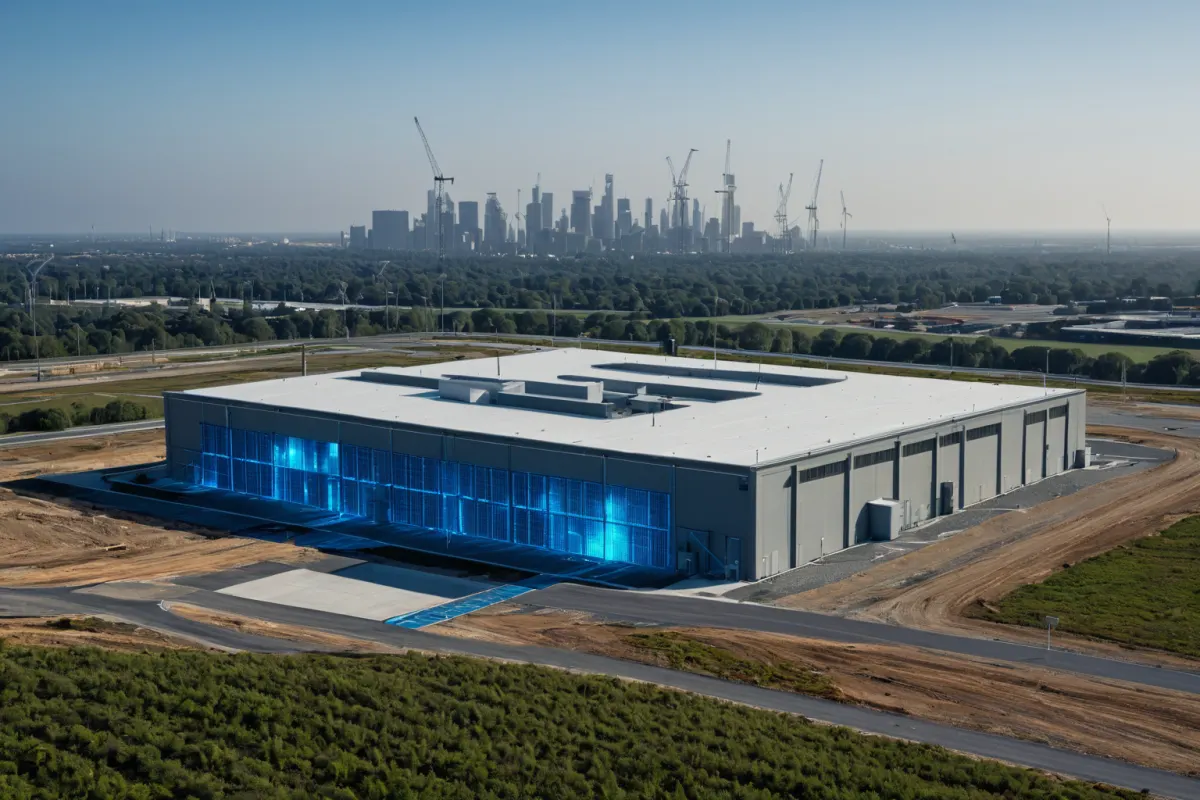
U.S. electricity demand is rapidly increasing due to the expansion of AI data centers and renewable energy generation. By 2027, U.S. power consumption is projected to reach an all-time high, a situation made more critical by the extremely low approval rate for data center power in metropolitan areas—only 2%.
Data Center Expansion and Grid Bottlenecks
The surge in power demand from data centers has led to rising electricity prices and grid congestion issues across the U.S. As of May 2026, grid bottlenecks have intensified, resulting in excess power that cannot be utilized due to insufficient infrastructure.
A report highlighting that only 2% of data center power applications are approved in metropolitan areas has underscored the urgent need for grid improvements. This low approval rate is now seen as a major obstacle hindering the pace of AI infrastructure expansion in the U.S.
Korean Companies' Response and Impact
Increased U.S. power demand has boosted demand for Korean power equipment. Hyosung Heavy Industries reported an operating rate of 104%, reaching a historic high, while Iljin Electric saw its first-quarter operating profit rise to KRW 5.07 billion directly due to higher demand for power equipment.
Hanwha Solutions and OCI Holdings are capitalizing on the U.S. 'de-China' solar policy by securing opportunities to replace Chinese-made solar panels, reflecting how Korean companies are proactively responding to global energy market shifts.
Rising Renewable Energy Share and Debate
U.S. renewable energy share has surpassed 25% of total power generation as of 2025, a milestone widely recognized as a success of U.S. government policy. However, the Trump administration argues that expanding renewables has not lowered electricity prices in some regions, with rising costs continuing to be reported.
Morgan Stanley's report identifies power infrastructure as the biggest bottleneck in the AI era, increasing interest in South Korea's nuclear power industry. A Bank of Korea report also predicts AI investment will remain a core driver of U.S. economic growth, emphasizing the need for strategic responses related to rising power demand.
Grid Improvements and Future Outlook
The U.S. is leading growth in data centers and energy storage industries while working to address grid bottlenecks caused by transformer limitations. Power demand, expected to set a new record in 2026, will likely accelerate further as AI technology advances and data center expansion continues.
With some regions reporting lower electricity prices due to increased renewable energy use and the Trump administration's counterarguments, improving grid efficiency has become a critical challenge. Transformer bottlenecks could directly impact AI systems, making resolution urgent.
Concrete Example of Grid Bottleneck
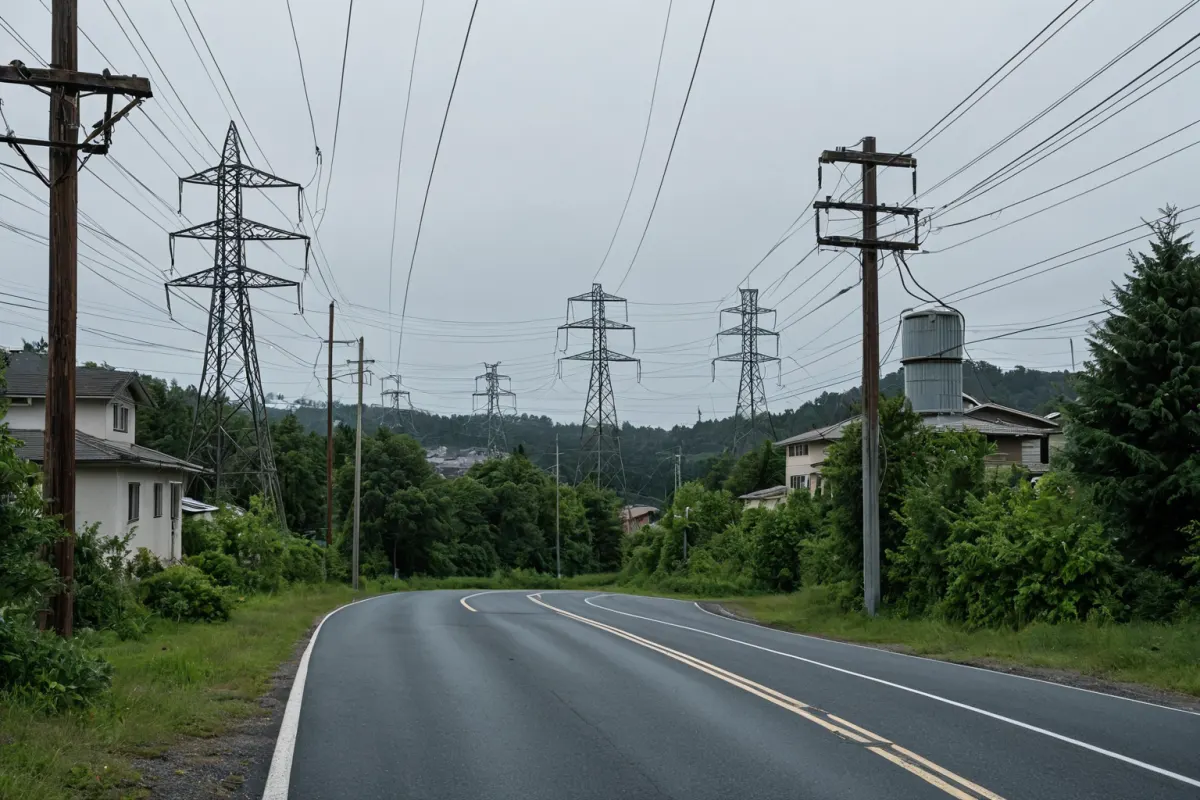
The statistic that only 2% of data center power applications are approved in metropolitan areas exemplifies the grid bottleneck issue. It indicates that new data center construction is outpacing the pace of infrastructure upgrades. The growing demand for data center power highlights limitations within the existing grid structure itself.
Rising electricity prices across the U.S. are attributed to AI-driven demand surges, as existing grid infrastructure fails to keep up with expanding data center needs. This underscores the necessity for additional investment in grid improvements.
Strategic Choices by Korean Companies
Korean power equipment firms like Hyosung Heavy Industries and Iljin Electric have improved their performance due to increased demand in the U.S. market: Hyosung achieved an operating rate of 104%, while Iljin reported a first-quarter operating profit of KRW 5.07 billion.
Hanwha Solutions and OCI Holdings are seizing opportunities created by the U.S. 'de-China' solar policy, securing demand to replace Chinese-made solar panels—a clear sign of Korean companies actively engaging with global energy transition trends.
U.S. Government Policy and Debate
The Trump administration disputes claims that renewable expansion has lowered electricity prices, arguing instead that rising costs continue in some areas. This stance deepens ongoing debates about U.S. energy policy.
Bank of Korea and Morgan Stanley reports predict AI investment will remain a core driver of U.S. economic growth, stressing the need for strategic responses to rising power demand—lessons applicable to Korean businesses as well.
Necessity of Grid Improvements
Transformer bottlenecks could directly affect AI systems, making stable power supply an urgent priority. To lead in data center expansion and energy storage industries, grid improvements are essential.
With some regions reporting lower electricity prices due to increased renewable energy use while the Trump administration disputes this, efficient energy management and infrastructure upgrades have become critical challenges that will shape global energy market trends.
Key Information Verification
The primary causes of rising U.S. power demand are AI data center expansion and renewable energy growth. It is projected to reach an all-time high by 2027, a trend linked to the extremely low approval rate (only 2%) for data center power in metropolitan areas.
Korean companies' responses include Hyosung Heavy Industries operating at 104%, Iljin Electric's KRW 5.07 billion first-quarter profit, and Hanwha Solutions/OCI Holdings benefiting from the U.S. 'de-China' solar policy—demonstrating proactive adaptation to changes in the U.S. power market.
Frequently Asked Questions
How is U.S. power demand expected to rise due to AI data centers?
U.S. power consumption is projected to reach an all-time high by 2027, linked to the very low (only 2%) approval rate for data center power in metropolitan areas.
How are Korean companies responding to changes in the U.S. power market?
Hyosung Heavy Industries has achieved a 104% operating rate, while Iljin Electric reported KRW 5.07 billion in first-quarter profit. Hanwha Solutions and OCI Holdings are capitalizing on demand to replace Chinese solar panels under the U.S. 'de-China' solar policy.
What is the Trump administration's stance on renewable energy expansion and electricity prices?
The Trump administration disputes claims that expanding renewables has lowered electricity prices, arguing instead that rising costs continue in some regions.
Frequently Asked Questions
The U.S. power demand surge driven by AI data centers is intensifying grid bottlenecks, with only 2% of metropolitan area data center power applications approved—a sign of urgent infrastructure needs. Korean companies are responding through higher sales of power equipment (Hyosung at 104% operating rate, Iljin Electric's KRW 5.07 billion profit) and opportunities in the U.S. 'de-China' solar market (Hanwha Solutions, OCI Holdings). While renewable energy has surpassed 25% of U.S. power generation as of 2025, the Trump administration disputes claims that this has lowered electricity prices, fueling ongoing policy debates. Additional investment in grid improvements is essential for AI-era infrastructure development.
You can view similar articles on this topic all at once.
View Related ArticlesFAQ
How is U.S. power demand expected to rise due to AI data centers?
U.S. power consumption is projected to reach an all-time high by 2027, linked to the very low (only 2%) approval rate for data center power in metropolitan areas.
How are Korean companies responding to changes in the U.S. power market?
Hyosung Heavy Industries has achieved a 104% operating rate, while Iljin Electric reported KRW 5.07 billion in first-quarter profit. Hanwha Solutions and OCI Holdings are capitalizing on demand to replace Chinese solar panels under the U.S. 'de-China' solar policy.
What is the Trump administration's stance on renewable energy expansion and electricity prices?
The Trump administration disputes claims that expanding renewables has lowered electricity prices, arguing instead that rising costs continue in some regions.
Korean Source
This article is an English localization of a Korean-language report from BlogScore. Original: 미국 전력 수요 증가 추세와 한국 영향 분석