
U.S. Marine Corps' Suicide Drone Adoption: Background and Strategic Implications
U.S. Marine Corps' Suicide Drone Adoption Background
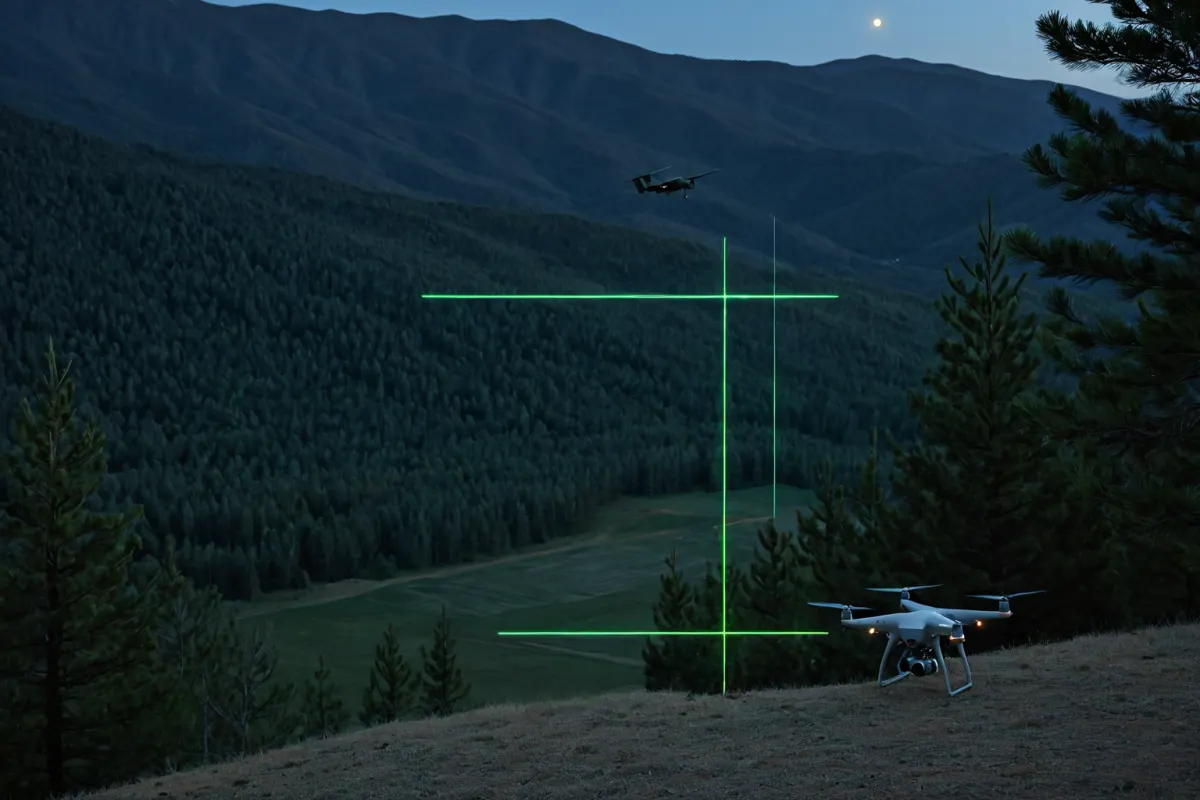
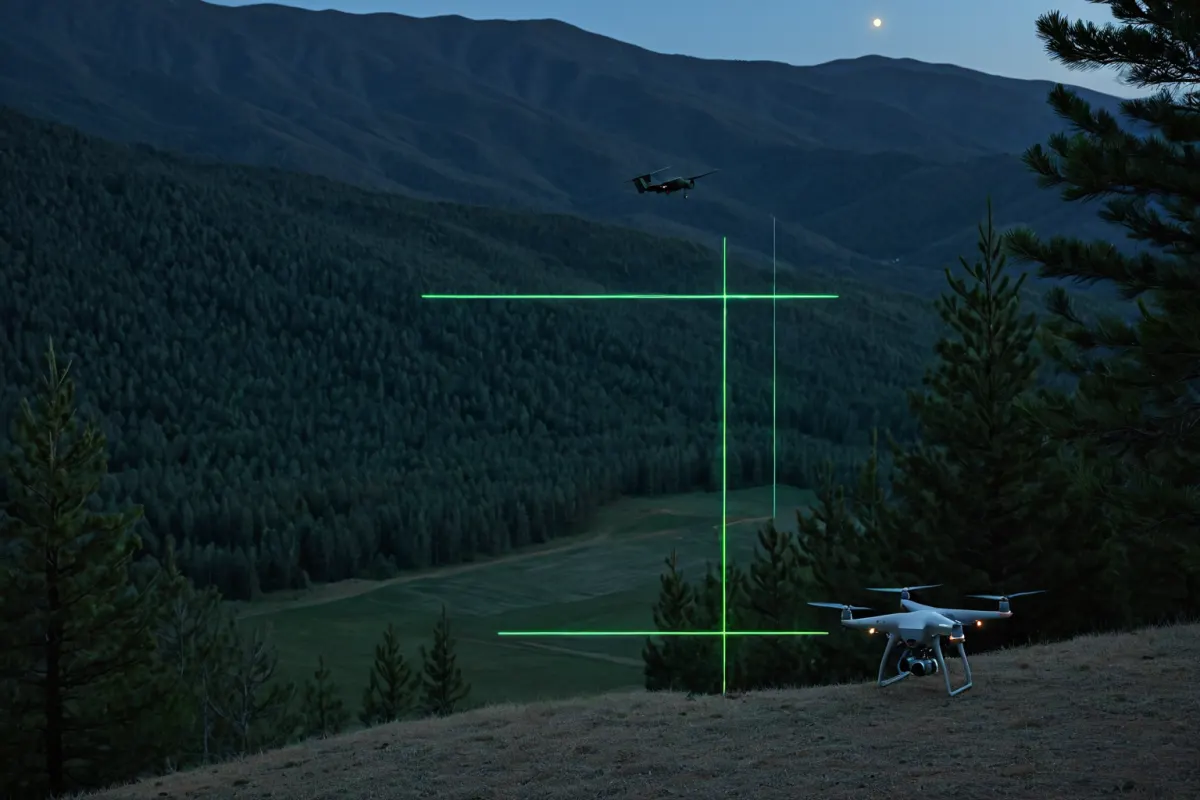
The U.S. Marine Corps recently conducted its first live-fire training with FPV suicide drones in Korea, demonstrating how drone technology has become a key asymmetric warfare asset in modern battlefields. The August 6, 2026 training achieved a hit at a 2.5km range, interpreted as part of strategic responses to heightened tensions on the Korean Peninsula, including North Korea's ballistic missile launches.
Details of Live-Fire Training
The U.S. Marine Corps conducted its first live-fire FPV suicide drone training in South Korea on August 6, 2026. The exercise was designed to showcase strategic adaptability to Korean terrain and verify the drones' battlefield applicability. The training successfully hit a target at 2.5km, proving the reliability of drone technology.
Introduction of 'Bolt-M' Backpack Drone
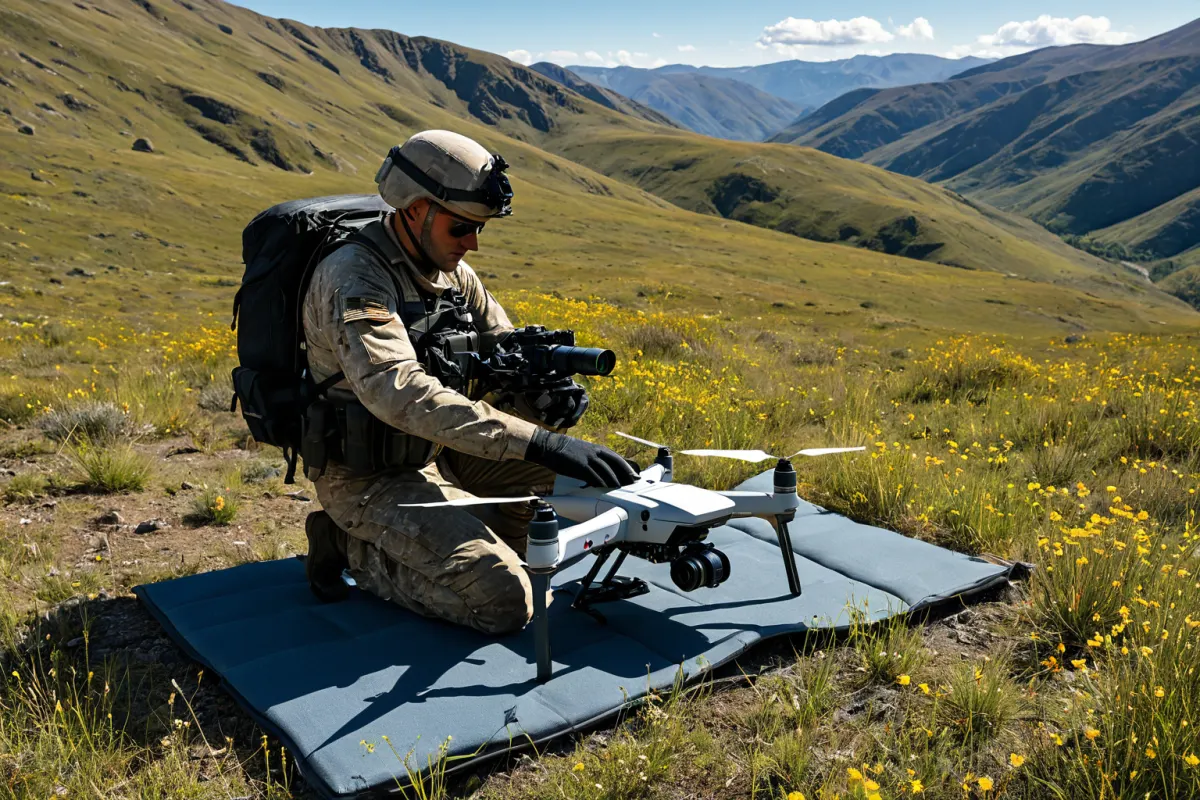
The U.S. Marine Corps introduced the 'Bolt-M,' a backpack-sized AI-powered attack drone, on January 16, 2026, enhancing tactical flexibility. The drone's compact size and precision targeting make it suitable for potential real-world deployment in Korea. The Bolt-M is linked to strategic shifts toward short-range tactical nuclear capabilities, particularly as a response to North Korea's ballistic missile launches.
Counteracting Iranian Drone Tactics
In response to Iran's drone attacks exposing limitations of existing Patriot systems, the U.S. military has been exploring new strategies inspired by Ukraine's air defense network. Since April 4, 2026, the U.S. has considered adopting suicide drones for countering Iranian tactics, with this shift confirmed during the June 16, 2026 U.S.-Iran peace talks.
Drone Technology's Battlefield Transformation
Drones have evolved from mere observation tools to central asymmetric warfare assets. Following Iran's drone attacks that reduced the effectiveness of traditional air defense systems, the U.S. military has developed new tactics using suicide drones. The 'Bolt-M' drone, with its compact size and AI targeting, enables agile operations, with real-world application in Korea anticipated.
Expansion of U.S. Marine Corps Unmanned Systems Strategy
The U.S. Marine Corps successfully tested the MRIC system using Iron Dome technology, broadening the strategic application of unmanned systems. This demonstrates drones' shift from observation tools to offensive weapons, positioning them as a key asset for responding to Korean Peninsula tensions. The August 6, 2026 live-fire training marked a concrete validation of this strategic shift.
Response to Korean Peninsula Tensions
The introduction of suicide drones by the U.S. Marine Corps is interpreted as a direct response to North Korea's ballistic missile launches and other tensions on the Korean Peninsula. The Bolt-M's compact design and precision targeting allow for accurate attacks tailored to local terrain, making it an effective countermeasure against North Korean missile threats.
Shift in Nuclear Umbrella Strategy
The U.S. Marine Corps is transitioning its nuclear umbrella strategy through the adoption of suicide drones alongside expanded short-range tactical nuclear capabilities. This shift moves from large-scale nuclear weapons toward smaller, precision-focused nuclear arms. The Bolt-M drone is connected to this strategic change and is expected to enhance rapid response capabilities on the Korean Peninsula.
U.S.-Iran Peace Talks and Drone Role
The June 16, 2026 U.S.-Iran peace talks confirmed drones' rise as a central asymmetric warfare asset in modern conflicts. This highlights that drone technology has moved beyond observation to play decisive roles on the battlefield. In response, the U.S. military sought to secure new strategic advantages through suicide drone adoption.
U.S. Marine Corps' Unmanned Technology Advancement
The U.S. Marine Corps is leading the shift of drone technology from observation tools to offensive weapons. The Bolt-M drone, with its AI targeting and compact size, enables agile operations and has demonstrated strategic adaptability to Korean terrain. This validates drones as a core element of modern warfare.
Significance of Live-Fire Training
The August 6, 2026 live-fire training by the U.S. Marine Corps with FPV suicide drones went beyond technical validation—it demonstrated concretely how to respond to tensions on the Korean Peninsula. The exercise confirmed that drones have become a central asymmetric warfare asset in modern battlefields and signaled the U.S. military's new tactical approach.
Future of Drone Technology
Drones are expected to continue rising as a central asymmetric warfare asset in future conflicts. In response to Iran's drone tactics, the U.S. military has sought strategic advantages through suicide drones. The Bolt-M drone's introduction reflects this trend and has raised expectations for its real-world application on the Korean Peninsula.
Key Points to Note
When considering the U.S. Marine Corps' drone adoption, key points include the Bolt-M drone's compact size and AI targeting, Ukraine-inspired air defense strategies for countering Iranian tactics, and the 2.5km accuracy achieved during the August 6, 2026 live-fire training. These elements confirm drones' role as a central asymmetric warfare asset in modern battlefields.
Frequently Asked Questions
When will the U.S. Marine Corps use suicide drones?
The Bolt-M drone is expected to be primarily used for responding to North Korea's ballistic missile launches and other tensions on the Korean Peninsula. Its compact size and precision targeting enable agile operations, allowing precise attacks tailored to local terrain.
What role do drones play in modern warfare?
Drones have evolved from simple observation tools to central asymmetric warfare assets. Following Iran's drone attacks that exposed limitations of existing air defense systems, suicide drones were introduced, and they played a key role during the U.S.-Iran peace talks.
Why did the U.S. Marine Corps adopt the Bolt-M drone?
The Bolt-M enhances tactical flexibility through its compact size and AI targeting. It is crucial for responding to North Korea's ballistic missile launches and connects to strategic shifts toward short-range tactical nuclear capabilities.
How does drone technology impact tensions on the Korean Peninsula?
Drones have become a key asset for responding to tensions on the Korean Peninsula. The Bolt-M drone's introduction and live-fire training are expected to serve as effective countermeasures against North Korean missile threats, strengthening rapid response capabilities in the region.
Frequently Asked Questions
The U.S. Marine Corps' August 6, 2026 FPV suicide drone live-fire training demonstrated drones' rise as a central asymmetric warfare asset on modern battlefields. This marks a strategic decision for responding to Korean Peninsula tensions like North Korea's ballistic missile launches, linked to the Bolt-M backpack drone and expansion of short-range tactical nuclear capabilities. The training reflects U.S. military efforts to overcome limitations in existing air defense systems through new tactical approaches, with expectations that drone technology will continue playing an important role in future warfare.
You can view similar articles on this topic all at once.
View Related ArticlesFAQ
When will the U.S. Marine Corps use suicide drones?
The Bolt-M drone is expected to be primarily used for responding to North Korea's ballistic missile launches and other tensions on the Korean Peninsula. Its compact size and precision targeting enable agile operations, allowing precise attacks tailored to local terrain.
What role do drones play in modern warfare?
Drones have evolved from simple observation tools to central asymmetric warfare assets. Following Iran's drone attacks that exposed limitations of existing air defense systems, suicide drones were introduced, and they played a key role during the U.S.-Iran peace talks.
Why did the U.S. Marine Corps adopt the Bolt-M drone?
The Bolt-M enhances tactical flexibility through its compact size and AI targeting. It is crucial for responding to North Korea's ballistic missile launches and connects to strategic shifts toward short-range tactical nuclear capabilities.
How does drone technology impact tensions on the Korean Peninsula?
Drones have become a key asset for responding to tensions on the Korean Peninsula. The Bolt-M drone's introduction and live-fire training are expected to serve as effective countermeasures against North Korean missile threats, strengthening rapid response capabilities in the region.
Korean Source
This article is an English localization of a Korean-language report from BlogScore. Original: 미 해병대 자폭드론 도입 배경과 전략적 의미