
US Marine Corps Successfully Tests Suicide Drones in Live Combat Exercise
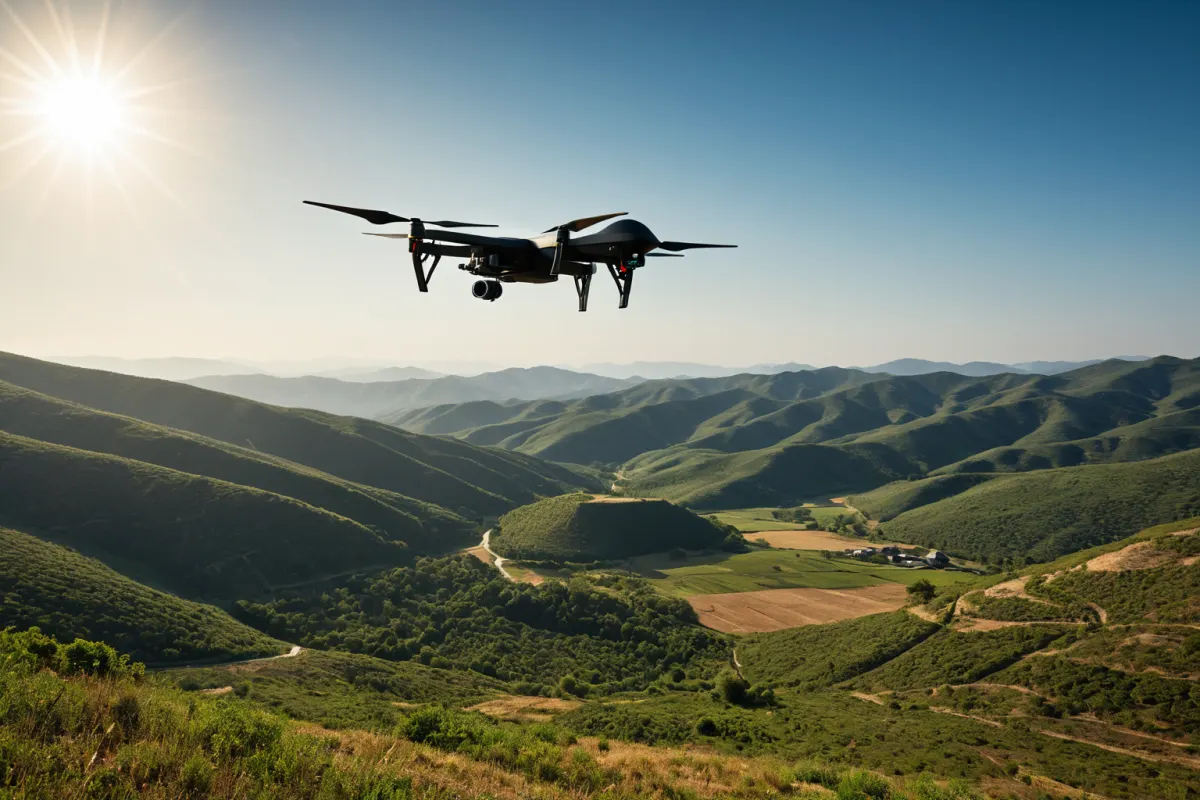
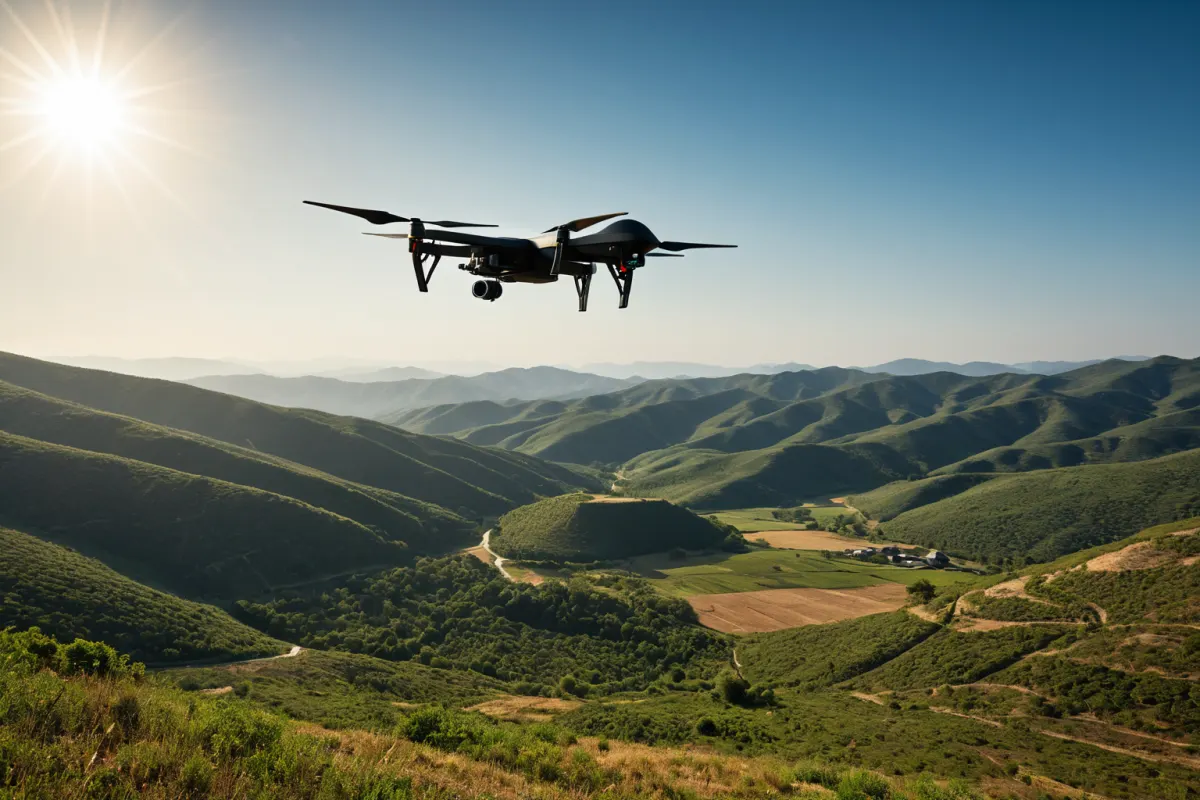
US Marine Corps Successfully Conducts Live-Fire Exercise with Suicide Drones
On August 6, 2026, the US Marine Corps successfully completed its first live-fire exercise using suicide drones on the Korean Peninsula. The training was conducted in extreme heat conditions in Pocheon and achieved precise strikes at a distance of 2.5km, with the drone's maximum range exceeding 20km, proving capability to attack armored vehicles.
The live-fire exercise reflected Korea's terrain and weather conditions, utilizing drones without Chinese-made components. Conducted as part of joint US-South Korean military exercises, it aimed to 'strengthen combined readiness.' During training, the Marines monitored drone flight paths and strike accuracy in real-time while verifying performance under various weather conditions.
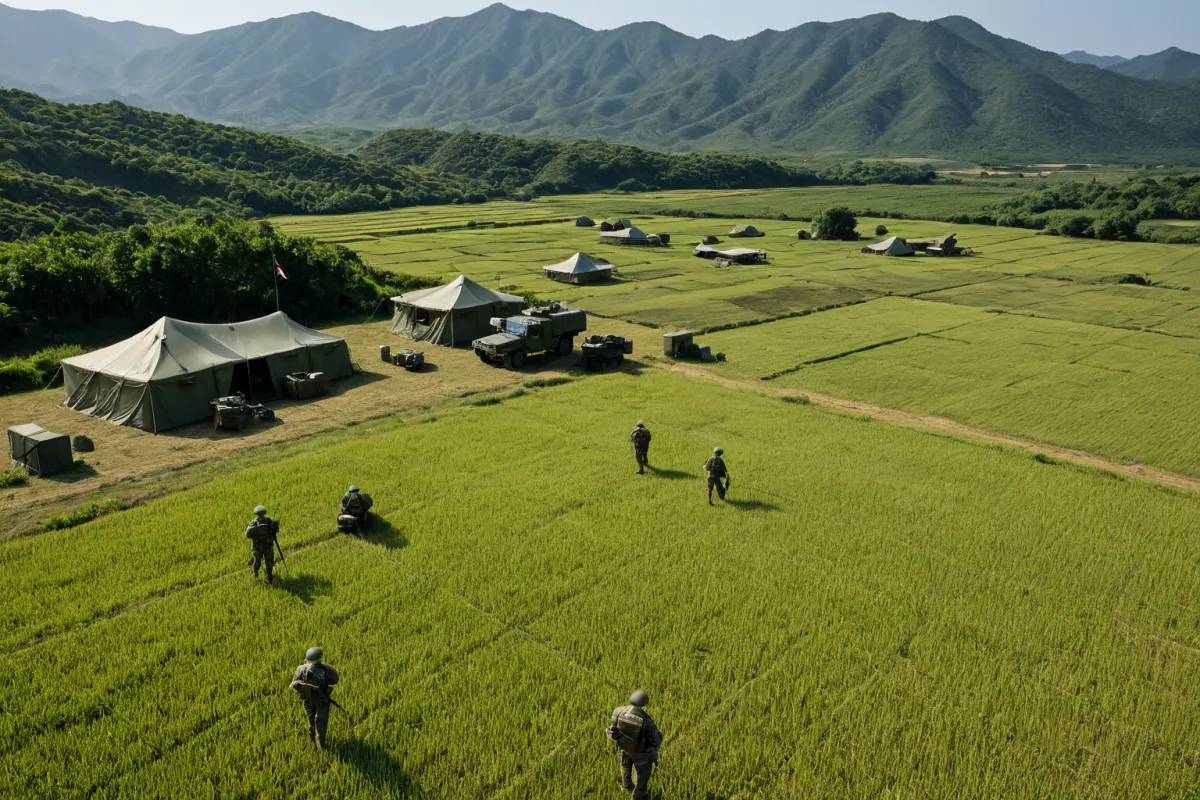
Strategic Significance of Live-Fire Success
The US Marine Corps' first live-fire exercise with suicide drones on the Korean Peninsula holds significant strategic importance. The drone achieved precise strikes even in extreme heat, hitting targets at 2.5km distance. Notably, during training, the drone demonstrated its ability to navigate around terrain obstacles surrounding the target, suggesting potential for flexible application in actual combat zones.
Indeed, the exercise was conducted in Pocheon, designed with Korea's specific terrain and weather in mind. This demonstrates that drones can be effectively utilized in real battlefield scenarios. The Marines verified the drone's strike accuracy and flight stability through training, focusing particularly on battery performance in extreme heat conditions and signal interference prevention technology.
Training Reflecting Korean Terrain and Weather
The exercise was designed to reflect Korea's unique terrain and weather conditions. Pocheon is known for its intense summer heat, making it critical to verify drone performance under such environmental conditions. During training, drones simulated hitting targets while navigating between mountainous areas and plains, demonstrating their ability to adjust flight paths in response to changing weather.
The drones did not use Chinese-made components, and the exercise was conducted as part of joint US-South Korean military exercises. This allowed the US military to showcase its tactical response capabilities tailored to Korea's terrain. In particular, the drone's software was optimized based on Korea's geographical data, enabling high accuracy during training.
Market and Technological Trends in Suicide Drones
Out of 210 types of suicide drones currently available globally, there are no South Korean-made products. AI-powered drones dominate the market worldwide, with an 80% success rate in combat, playing a significant role in modern warfare. Particularly, AI-powered drones have gained tactical advantages through real-time data analysis and target tracking capabilities.
The drone used by the US Marines demonstrated the ability to attack armored vehicles at ranges exceeding 20km. This represents higher performance than existing suicide drones, particularly excelling in the effectiveness of strikes against armored vehicles like tanks. The software for these drones continues to improve target identification accuracy through regular updates.
Limitations and Constraints of Live-Fire Exercise
While the US Marine Corps' live-fire exercise was successful, certain constraints exist. For instance, while drone flight range can exceed 90km, in actual battlefield conditions, limitations may arise due to weather conditions and terrain obstacles. Particularly, signal interference may occur during extreme heat or heavy rain, potentially reducing drone flight stability.
Additionally, there have been reports that the US military deployed suicide drones to pressure Iran even during nuclear negotiations. This suggests that suicide drones are being used not just as tactical tools but also as strategic instruments in international relations. In Iranian regions, drones have performed both reconnaissance and attack missions simultaneously, with particularly high operational efficiency near coastlines.
US Military's Pressure on Iran Using Suicide Drones
On February 27, 2026, during nuclear negotiations, the US military reportedly deployed suicide drones to pressure Iran. This indicates that suicide drones are being used not merely as military tools but also as strategic instruments in international relations.
Beyond pressuring Iran, the US military has been utilizing suicide drones across various regions to secure tactical advantages. For example, in the Middle East and Africa, drones are employed with a focus on minimizing civilian casualties while achieving precise strikes, reflecting ethical considerations in modern military operations.
Current Status of Suicide Drone Technology in South Korea
South Korea has yet to achieve concrete results in suicide drone development, with no domestically produced products among the 210 types worldwide. This indicates that South Korea lags behind in this technology sector. Particularly, the US and China already possess advanced drone technologies, while South Korea's research and development pace remains slow.
South Korea has primarily focused on importing foreign technology or collaborating on joint development to acquire suicide drone capabilities. However, so far, results have been minimal. Recently, there has been a growing movement for the Ministry of Defense and private companies to collaborate on drone technology research, but it has not yet reached commercialization.
Strategic Significance of US Marine Corps Exercise
The US Marine Corps' first live-fire exercise with suicide drones on the Korean Peninsula goes beyond a simple military drill; it appears to be a strategic move to strengthen cooperation with South Korea. Conducted as part of joint US-South Korean military exercises aimed at 'strengthening combined readiness,' this training was designed considering Korea's terrain and weather conditions, suggesting potential for effective battlefield application.
Particularly significant is that the drone demonstrated its performance in extreme heat conditions. Based on these results, the Marines plan to establish joint training plans with South Korean forces to further solidify the defense system of the Korean Peninsula.
Potential Strategic Directions for the Future
The US Marine Corps' live-fire exercise provides important insights into future warfare patterns. As suicide drones continue to evolve with AI integration, they can help secure tactical advantages. Particularly, multi-target strike technology using drone networks is expected to play a key role in future conflicts.
South Korea needs to invest in developing suicide drone technology to strengthen its strategic response capabilities. This would help balance the military power of US-South Korean forces and contribute to strengthening security on the Korean Peninsula. The government has recently expanded research and development funding for drone technology, with collaboration between private companies emerging as a key strategy.
Key Information to Verify
To date, this is the first time the US Marine Corps has conducted live-fire exercises using suicide drones on the Korean Peninsula. Designed reflecting Korea's terrain and weather conditions, it played an important role in demonstrating drone performance.
Additionally, there have been reports that the US military deployed suicide drones to pressure Iran even during nuclear negotiations. This suggests that suicide drones are being used as strategic instruments in international relations. Particularly, in Iranian regions, drones performed both reconnaissance and attack missions simultaneously with high operational efficiency near coastlines.
Frequently Asked Questions
When was the US Marine Corps' live-fire exercise with suicide drones conducted?
The exercise was successfully conducted on August 6, 2026, in Pocheon under extreme heat conditions.
What is the maximum range and performance of suicide drones?
The drone can attack armored vehicles at a range exceeding 20km, with precise strikes recorded at a distance of 2.5km.
Are South Korean-made suicide drones under development?
To date, there are no South Korean-made suicide drone products, and they are not included among the 210 types worldwide.
FAQ
When was the US Marine Corps' live-fire exercise with suicide drones conducted?
The exercise was successfully conducted on August 6, 2026, in Pocheon under extreme heat conditions.
What is the maximum range and performance of suicide drones?
The drone can attack armored vehicles at a range exceeding 20km, with precise strikes recorded at a distance of 2.5km.
Are South Korean-made suicide drones under development?
To date, there are no South Korean-made suicide drone products, and they are not included among the 210 types worldwide.
Korean Source
This article is an English localization of a Korean-language report from BlogScore. Original: 미 해병대 자폭드론 실사격, 전투에서의 효과와 한계