
Analysis of the US-Japan Joint Intervention on Yen and Its Impact on Korean Corporate Profits


US-Japan Joint Intervention on Yen
The US and Japan have decided on a joint intervention to defend the yen for the first time in 28 years. The official announcement was made on August 3, 2026, with both the US Treasury Department and the Japanese government implementing measures to buy yen in an effort to halt its decline.
The joint intervention appears to have been prompted by hawkish remarks from Bank of Japan Governor Kazuo Ueda. On August 10, during a discussion on economic policy, Ueda emphasized that interest rate hikes were necessary, accelerating US-Japan coordination.
Following the US-Japan joint intervention, the yen experienced a temporary rise but later gave back half of its gains and resumed falling. As of August 10, the yen was trading around 149 yen per dollar, with BofA forecasting an additional 6% increase by year-end.
Reduced Volatility in KRW-USD Exchange Rate
The US-Japan joint intervention has significantly reduced volatility in the Korean won. According to a Bank of Korea report, the won's volatility decreased by an average of 39.1 won per month since August. This measure aimed to prevent the yen's depreciation from affecting the KRW-USD exchange rate.
The KRW-USD exchange rate fell below the 1,400 won level in mid-August, a development attributed to the yen's strength following Japan's interest rate hikes. This has become an important reference point for Korean companies planning overseas investments and export strategies.
The reduced volatility in the KRW-USD rate is closely tied to the timing of Japan's expected interest rate hike. The Bank of Japan is anticipated to raise its policy rate to 1.5% by spring next year, which could sustain yen appreciation. Analysts suggest this trend may continue.
Background and Preparation for US-Japan Joint Intervention
The US and Japan have been preparing for joint intervention since May, as the yen's depreciation worsened amid rising expectations of a Japanese interest rate hike. The US Treasury specifically pointed to excessive volatility in the won and urged the Japanese government to take active measures.
Intense coordination occurred between the US and Japan before the official announcement on August 3, with Governor Ueda's hawkish remarks serving as a catalyst. This led to the joint intervention decision following his comments on August 10 regarding the need for interest rate hikes.
The US-Japan joint intervention marks the first such action in 28 years, contrasting with previous cases where Japan acted alone to defend the yen. The US Treasury stated this intervention is part of a long-term plan aimed at stabilizing exchange rates, not just a short-term measure.
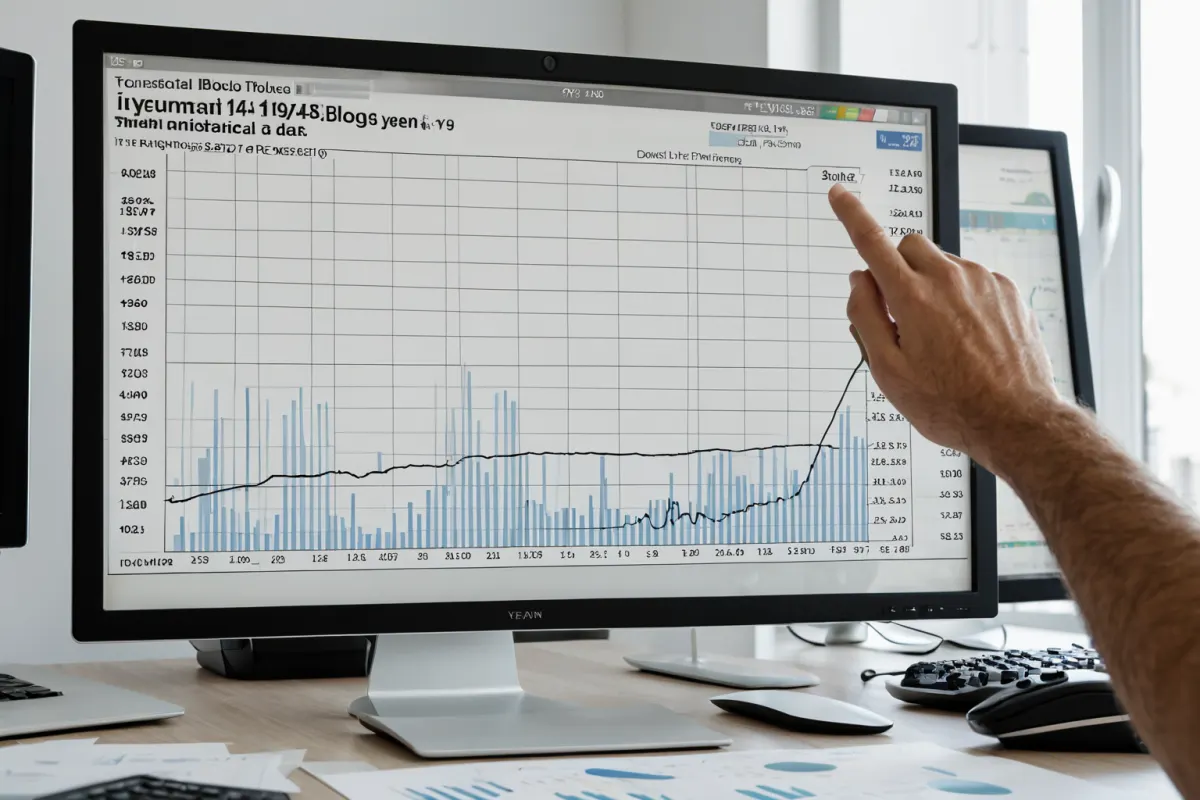
Yen Appreciation Outlook and Interest Rate Hike Timing
BofA forecasts that the yen will appreciate by 6% by year-end, reaching 149 yen per dollar. This projection assumes no further intervention from Japan. In reality, after the US-Japan joint intervention, the yen temporarily rose but then resumed its decline.
Japan's interest rate hike is expected to reach 1.5% by spring next year, indicating potential for additional policy rate increases. The stronger yen and rising Japanese rates are interconnected, with warnings that a surge in yen carry trade unwinding could occur if rates rise significantly.
The Japanese government has stated it will not hesitate to take further intervention measures. This monitoring of exchange rate volatility and readiness to act may signal an acceleration in Japan's interest rate hikes, which is important for businesses planning overseas investments and exports.
Corporate Response Strategies
As KRW-USD volatility decreases, Korean companies are seeing improved profit margins, particularly export-oriented firms that benefit from cost savings due to yen appreciation.
The combination of Japan's interest rate hikes and yen strength provides valuable reference points for overseas investment strategies. Companies are reviewing their investment and export plans in the Japanese market while preparing contingency plans for yen fluctuations.
The Bank of Korea expects improved corporate profitability without additional measures, given that the KRW-USD rate has fallen below 1,400 won due to Japan's interest rate hikes and yen appreciation.
Key Information to Verify
The US-Japan joint intervention was officially announced on August 3, 2026, following signals from the Bank of Japan regarding early rate hikes. However, the yen's depreciation has not been effectively halted, with the currency giving back some gains and resuming its decline.
Japan's government has stated it will not hesitate to take further intervention measures if needed, which may indicate an acceleration in interest rate hikes. This is crucial information for businesses planning overseas investments and export strategies.
The KRW-USD exchange rate fell below 1,400 won in mid-August, a development attributed to Japan's interest rate hikes and yen strength. Analysts suggest the US-Japan joint intervention did not achieve its intended effect.
Frequently Asked Questions
How was the US-Japan joint intervention carried out?
The US Treasury Department and Japanese government jointly implemented measures to buy yen in an effort to halt its depreciation. This is the first such action in 28 years.
What is the outlook for yen appreciation?
BofA forecasts a 6% rise in the yen by year-end, reaching 149 yen per dollar. However, after the intervention, the yen temporarily rose but then resumed its decline.
When is Japan's interest rate hike expected to occur?
The Bank of Japan is projected to raise its policy rate to 1.5% by spring next year, indicating potential for accelerated additional rate hikes.
Frequently Asked Questions
The US-Japan joint intervention aimed to curb yen depreciation but showed limited effectiveness, with the yen continuing to weaken despite the move. Japan's interest rate hikes are expected to continue, leading to sustained yen appreciation, which requires Korean businesses to adjust their export and overseas investment strategies.
Reduced volatility in the KRW-USD exchange rate has improved profitability for Korean companies, particularly those focused on exports. However, given the likelihood of continued yen strength and interest rate increases, businesses should prepare additional contingency plans.
The joint intervention marks a significant milestone as Japan's first collaborative effort with the US to stabilize exchange rates in 28 years. While it did not halt the yen's depreciation, it signals a new approach to currency management that could influence future economic policies.
You can view more articles on similar topics in one place.
View Related ArticlesFAQ
How was the US-Japan joint intervention carried out?
The US Treasury Department and Japanese government jointly implemented measures to buy yen in an effort to halt its depreciation. This is the first such action in 28 years.
What is the outlook for yen appreciation?
BofA forecasts a 6% rise in the yen by year-end, reaching 149 yen per dollar. However, after the intervention, the yen temporarily rose but then resumed its decline.
When is Japan's interest rate hike expected to occur?
The Bank of Japan is projected to raise its policy rate to 1.5% by spring next year, indicating potential for accelerated additional rate hikes.
Korean Source
This article is an English localization of a Korean-language report from BlogScore. Original: 미일 공동개입 결정 한국 기업 수익성 영향 분석 가이드