
U.S.-Japan Joint Intervention on Yen: Impact on Korean Corporate Profits
Background and Effectiveness of U.S.-Japan Yen Intervention
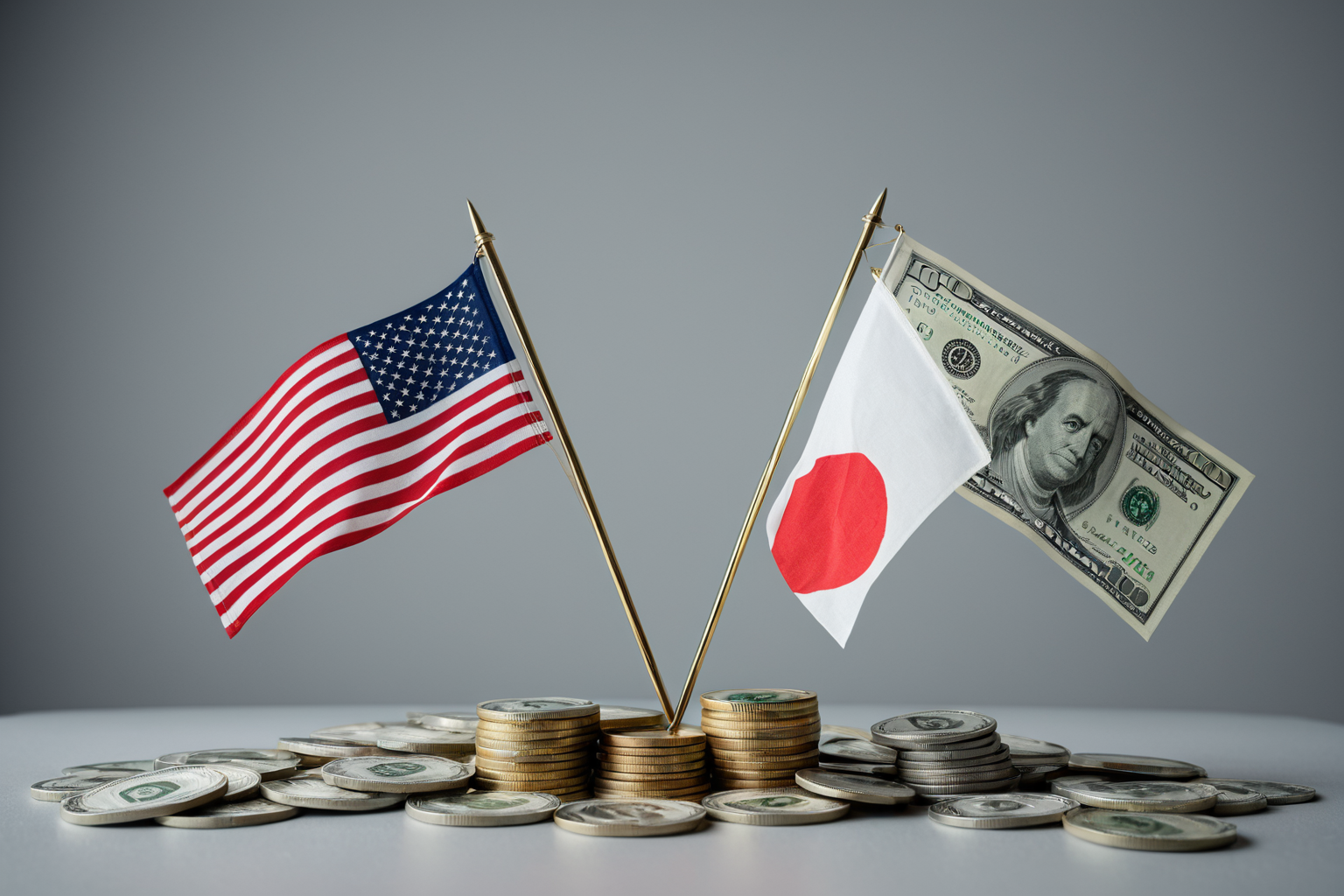
The United States and Japan have decided on a joint intervention to defend the yen against depreciation, marking the first such action in 28 years. This comes as the yen weakened to around 154 yen per dollar, prompting warnings from the U.S. Treasury regarding exchange rate volatility involving the won. Japan has also raised its 10-year government bond yield to a 30-year high, intensifying pressure for interest rate hikes.

Details of the U.S.-Japan Joint Intervention Decision
The U.S. and Japan announced their joint intervention to defend the yen on August 3, marking the first such move since 1998. This decision came amid a confluence of Japan's accelerated interest rate hikes and the U.S. high-interest-rate policy. Japan raised its 10-year government bond yield to a 30-year peak as part of a tightening monetary policy aimed at preventing yen depreciation.
The U.S. Treasury had previously warned that excessive volatility in the won could cause spillover effects on other currencies, including the yen. This aligns with Japan's decision to sell euros to defend the yen. However, despite these measures, the yen continues to weaken, with BofA forecasting a 6% rise in the yen to reach 149 yen per dollar by year-end.
Economic Impact of Yen Depreciation
While the U.S.-Japan joint intervention has somewhat slowed yen depreciation, ongoing weakness persists due to interest rate differentials. Some analysts argue that Japan may need to accelerate further rate hikes to reach 1.5% by spring next year, which could significantly impact the Japanese economy amid pressure for yen appreciation.
The Bank of Japan's early signal for a rate hike served as a catalyst for the U.S.-Japan joint intervention, while the U.S. high-interest-rate policy has been a key factor sustaining the yen's depreciation trend. This has led to calls for ending Japan's low-interest-rate policy and implementing 'Takaiichiomics'—a term referring to economic policies named after former Prime Minister Yasuo Fukuda.
Strategic Intent Behind U.S.-Japan Intervention
The U.S.-Japan joint defense of the yen has been analyzed as a 'strategic gamble by the Trump administration,' aimed at shaking up U.S. markets. Despite a rise in Japanese stock prices, investors remain cautious about profitability, reflecting uncertainty over economic stability and shifting interest rate policies.
The U.S. intervened by selling euros to defend the yen, causing confusion for the European Central Bank (ECB). While calls have emerged for Japan to accelerate its pace of interest rate hikes, this could also risk explosive volatility from unwinding yen carry trades.
Won Volatility and Korean Corporate Response
The U.S.-Japan joint intervention has raised the possibility of a shift in won strength, though specific outcomes remain unconfirmed. Analysis is needed on how changes in corporate profitability and export competitiveness due to yen depreciation affect Korean businesses. However, no concrete impact on Korean corporate profits from the joint intervention has been reported so far.
The U.S. Treasury's warning about excessive won volatility potentially affecting other currencies appears to reflect market expectations of a shift toward won strength. Yet specific results remain unconfirmed.
Verifying the Effectiveness of the U.S.-Japan Intervention
The U.S.-Japan joint intervention has shown some success in slowing yen depreciation, but ongoing weakness continues due to interest rate differentials. The Bank of Japan's early rate hike signal and the U.S.-Japan interest rate mismatch have weakened the intervention's effectiveness, with the U.S. high-interest-rate policy remaining a key factor sustaining the yen's depreciation trend.
BofA forecasts that the yen could rise 6% to reach 149 yen per dollar by year-end if the U.S. maintains its high-interest-rate policy. While some argue Japan needs to accelerate further rate hikes, this also carries risks of explosive volatility from unwinding yen carry trades.
Future Outlook for U.S.-Japan Joint Intervention
Reports differ on whether the U.S.-Japan decision represents a 15-year or 28-year interval since their last joint intervention. The exact timeframe remains unclear, but it is confirmed that the two nations have taken action to defend the yen against depreciation.
The U.S. Treasury has warned about won volatility, while Japan has raised its 10-year government bond yield to a 30-year high as part of its response to stabilize the yen. This aligns with broader efforts to address currency fluctuations and economic uncertainty.
As noted earlier, the U.S.-Japan joint intervention is seen as a strategic gamble aimed at shaking up U.S. markets, even though Japanese stock prices have risen. Investors remain cautious about profitability due to ongoing economic uncertainty and shifting interest rate policies.
Key Information to Verify
The specific impact of the U.S.-Japan joint intervention on Korean corporate profits has not yet been confirmed. Similarly, the concrete outcomes of a potential won strength shift remain unclear, likely depending on future economic indicators and policy changes.
While the intervention has slowed yen depreciation, ongoing weakness persists due to interest rate differentials. Japan may need to accelerate further rate hikes to reach 1.5% by spring next year, which could significantly affect the Japanese economy amid appreciation pressures.
Frequently Asked Questions
When was the U.S.-Japan joint intervention decision made?
The U.S. and Japan decided on a joint intervention to defend the yen against depreciation on August 3. It is reported as the first such action in 28 years since 1998.
How strong did the yen become before the intervention?
The yen weakened to around 154 yen per dollar, which served as a key background for the U.S.-Japan joint intervention decision.
What warning did the U.S. Treasury issue?
The U.S. Treasury warned that excessive volatility in the won could cause spillover effects on other currencies, including the yen. This aligns with Japan's decision to sell euros to defend the yen.
Frequently Asked Questions
The U.S.-Japan joint intervention, decided 28 years after their last such action, aims to stabilize the yen and reduce economic uncertainty. However, ongoing yen depreciation continues due to interest rate differentials, with Japan potentially needing further rate hikes to reach 1.5% by spring next year. This could significantly impact the Japanese economy amid appreciation pressures. The effect on Korean corporate profitability remains unconfirmed, while won volatility and responses from Korean businesses warrant close attention.
The specific impact of the U.S.-Japan joint intervention on Korean corporate profits has not yet been confirmed, but analysis should focus on changes in export competitiveness due to yen depreciation. The concrete outcomes of a potential shift toward won strength also remain unclear, likely depending on future economic indicators and policy shifts.
As previously mentioned, the U.S.-Japan joint intervention is viewed as a strategic gamble aimed at shaking up U.S. markets, even with rising Japanese stock prices. Investors remain cautious about profitability due to ongoing economic uncertainty and shifting interest rate policies.
You can view more articles on similar topics in one place.
View Related ArticlesFAQ
When was the U.S.-Japan joint intervention decision made?
The U.S. and Japan decided on a joint intervention to defend the yen against depreciation on August 3, marking the first such action in 28 years since 1998.
How strong did the yen become before the intervention?
The yen weakened to around 154 yen per dollar before the U.S.-Japan joint intervention decision was made.
What warning did the U.S. Treasury issue?
The U.S. Treasury warned that excessive volatility in the won could cause spillover effects on other currencies, including the yen, which aligns with Japan's strategy of selling euros to defend the yen.
Korean Source
This article is an English localization of a Korean-language report from BlogScore. Original: 미일 공동개입 결정 한국 기업 수익성 영향 요인