
3 Key Points for South Korean Businesses to Watch After US-Japan Joint Intervention
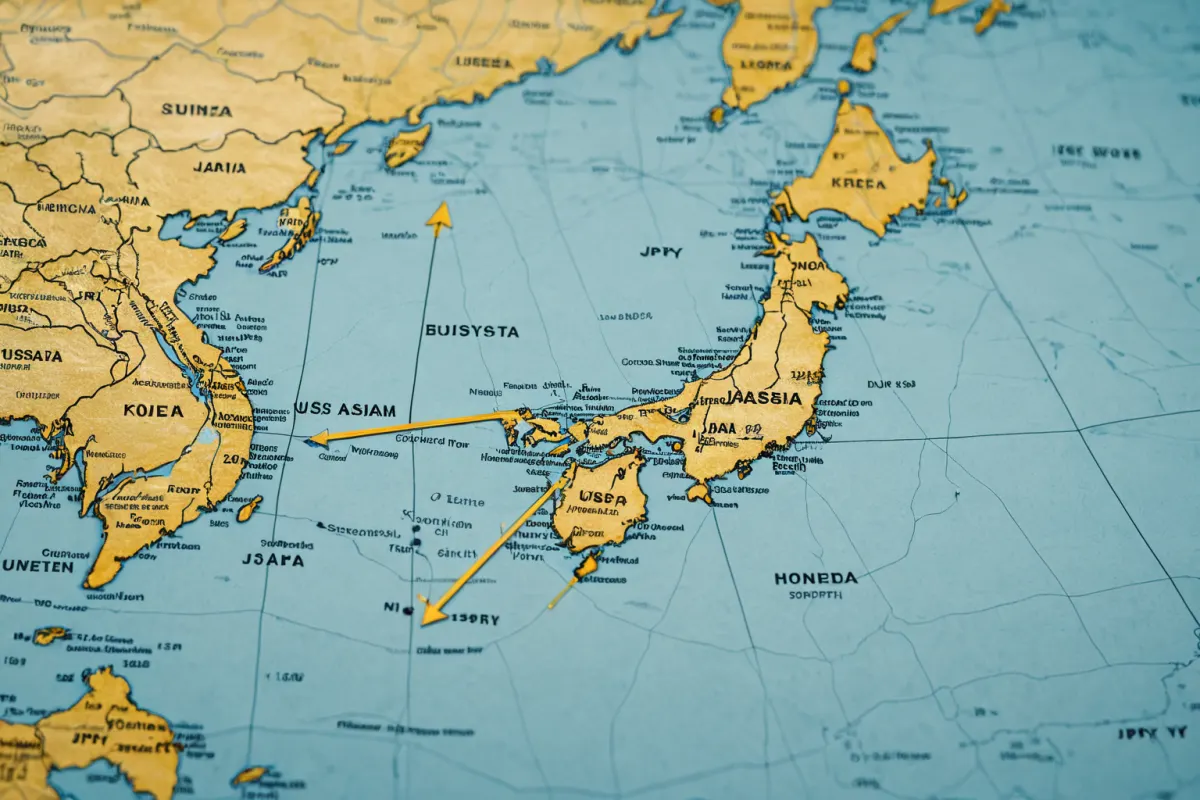
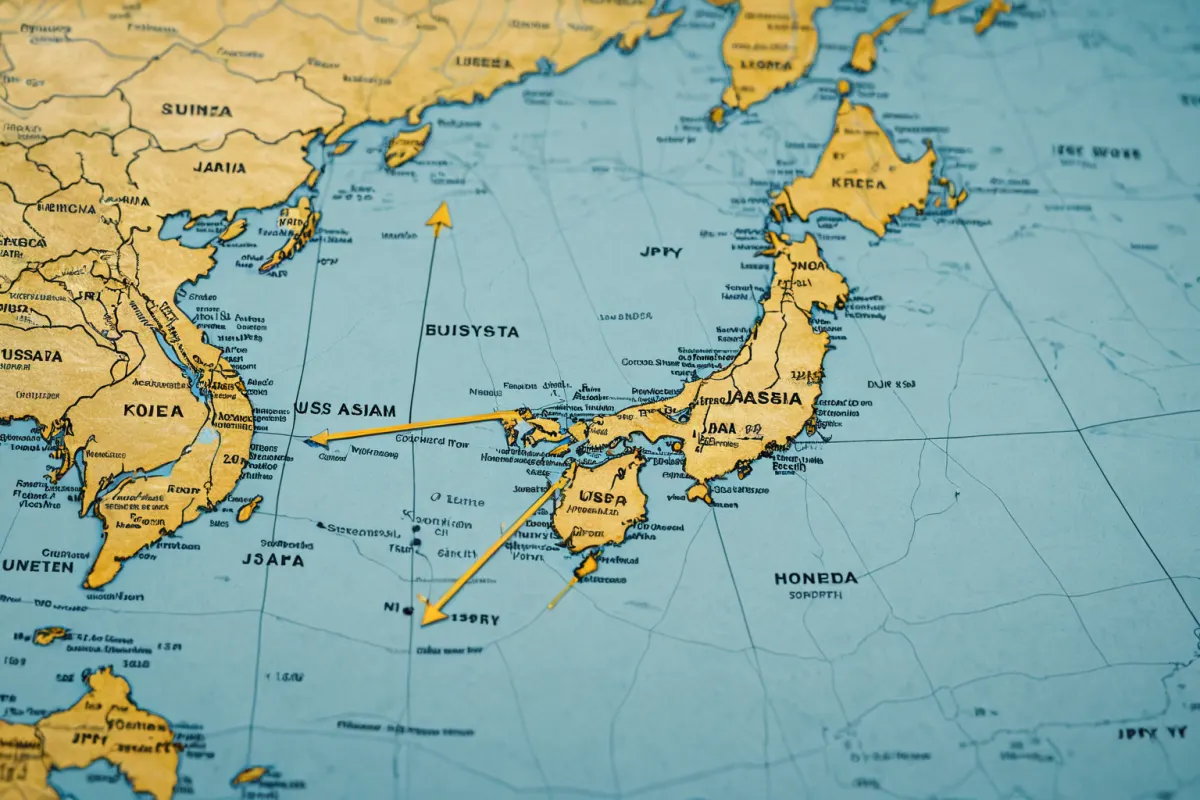
The U.S. and Japan’s 28-year-old joint intervention decision, aimed at defending against yen depreciation, is directly linked to sustained yen weakness driven by U.S. high-interest rate policies. While this coordinated action represents a temporary adjustment, heightened market volatility could arise if Japan further raises interest rates, leading to the unwinding of yen carry trades. South Korean businesses must prepare for currency fluctuations and financial market instability.
Key Facts About the US-Japan Joint Intervention
The U.S. and Japan implemented a joint intervention after 28 years to defend against yen depreciation, driven by prolonged yen weakness due to U.S. high-interest rate policies. Although this is a temporary adjustment through U.S.-Japan coordination, market volatility could intensify if Japan raises interest rates further, triggering the unwinding of yen carry trades.
The U.S. Treasury warned about the impact of won volatility and yen depreciation on other currencies, with Secretary Janet Yellen referencing trauma from past foreign exchange crises to emphasize the goal of preventing a chain reaction of currency sales across Asia.
Timeline and Market Reaction
On August 3, 2026, the U.S. and Japan announced their joint intervention to defend against yen depreciation—a day after the U.S. Treasury warned about won volatility and yen depreciation’s impact on other currencies.
On August 5, 2026, U.S. Treasury Secretary Janet Yellen emphasized that defending the yen was aimed at preventing a chain reaction of currency sales across Asia, referencing past foreign exchange crises. This aligns with potential further interest rate hikes by Japan, which has sparked controversy over the Bank of Japan’s independence due to calls for increased government bond purchases.
Link Between U.S. High-Interest Rates and Yen Volatility
Prolonged U.S. high-interest rates are expected to sustain yen depreciation trends, suggesting that the U.S.-Japan intervention will likely be a temporary adjustment. Bank of America (BofA) forecasts the USD/JPY exchange rate could rise to 149 by year-end, which appears to reflect the impact of this joint intervention.
The U.S. has mobilized emergency lending through the Federal Reserve using Treasury bonds as collateral to prop up the yen. Japan’s Finance Minister stated that further interventions would not be hesitated if needed, sparking debates over the Bank of Japan’s independence.
Key Concerns for South Korean Businesses
The joint intervention caused a sharp rise in the yen and a stable dollar. The risk of explosive unwinding of yen carry trades following further Japanese interest rate hikes has been raised. Consequently, South Korean businesses must prepare for currency volatility and financial market instability.
The U.S. Treasury’s warnings about won volatility and yen depreciation affecting other currencies could also impact South Korean export and investment strategies. Market reactions include increased Japanese investments in the U.S., which may influence broader economic dynamics.
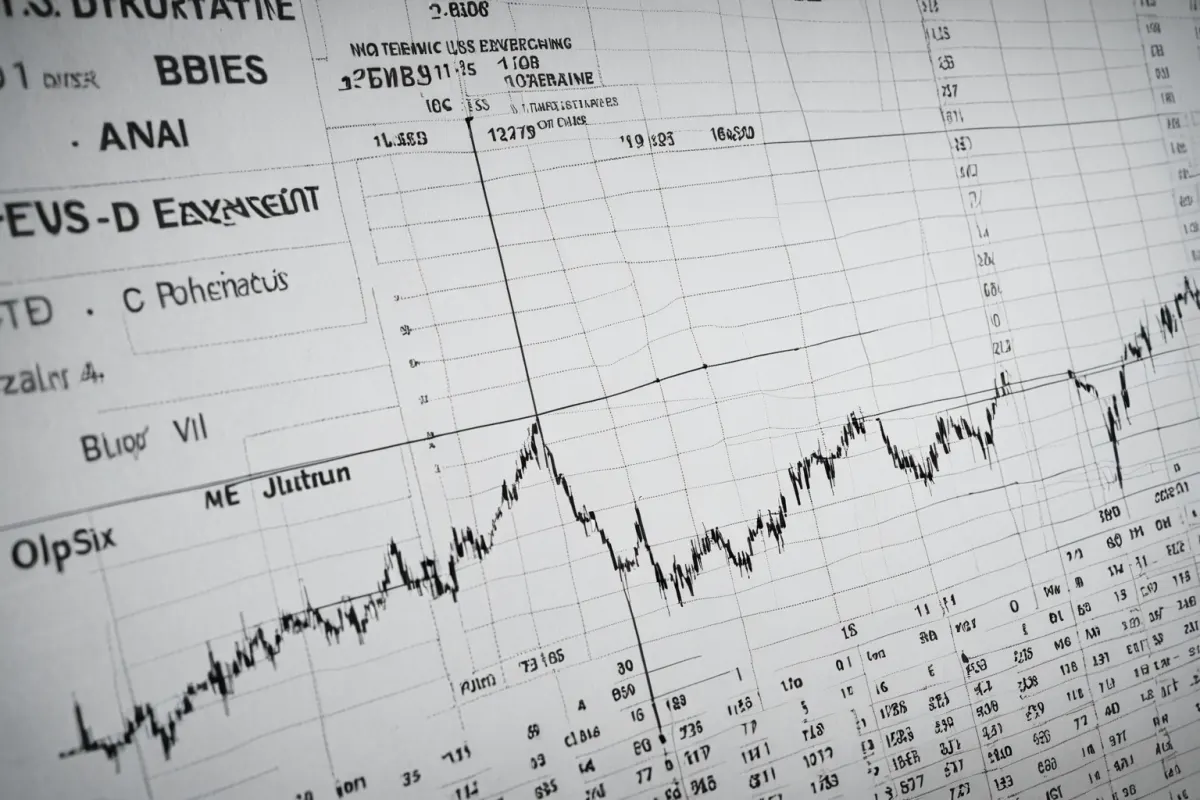
Cause Analysis and Market Impact Assessment
The U.S.-Japan joint intervention resulted from nine months of behind-the-scenes negotiations starting in May, enabling a swift response to defend the yen. Japan has warned that further interest rate hikes could lead to heightened market volatility due to unwinding yen carry trades.
The U.S. Treasury’s warning about won volatility and yen depreciation affecting other currencies suggests potential ripple effects across Asian markets. South Korean businesses should develop strategies to manage won volatility.
Response Strategies and Safety Measures
South Korean businesses should consider various measures to mitigate currency fluctuations, such as reducing foreign exchange speculation and establishing long-term hedging strategies for exchange rates.
Managing won volatility is essential in light of the U.S. Treasury’s warnings. Additionally, businesses must anticipate and prepare response plans for market volatility stemming from potential further interest rate hikes by Japan that could trigger yen carry trade unwinding.
Important Information to Verify
The U.S.-Japan joint intervention decision is a 28-year first aimed at defending against yen depreciation, linked to sustained yen weakness due to U.S. high-interest policies. Japan’s Finance Minister stated further interventions would not be hesitated.
The U.S. Treasury warned about the impact of won volatility and yen depreciation on other currencies, with Secretary Yellen referencing past foreign exchange crisis trauma to emphasize preventing a chain reaction of currency sales across Asia.
The joint intervention followed nine months of behind-the-scenes negotiations starting in May, enabling a swift response for yen defense. BofA forecasts the USD/JPY rate could reach 149 by year-end.
Frequently Asked Questions
What is the purpose of the US-Japan joint intervention?
The U.S.-Japan joint intervention aims to defend against yen depreciation and prevent a chain reaction of currency sales across Asia, as emphasized by Secretary Yellen’s reference to past foreign exchange crisis trauma.
How does U.S. high-interest policy affect the yen?
Prolonged U.S. high-interest rates are driving sustained yen depreciation, suggesting that the joint intervention will likely be a temporary adjustment. BofA forecasts the USD/JPY rate could rise to 149 by year-end.
How should South Korean businesses respond?
South Korean businesses should reduce foreign exchange speculation and establish long-term hedging strategies for currency fluctuations. They must also anticipate market volatility from potential further interest rate hikes by Japan that could trigger yen carry trade unwinding.
Frequently Asked Questions
The U.S.-Japan joint intervention is a temporary adjustment to defend against yen depreciation, but heightened market volatility could arise if Japan raises rates further, leading to the unwinding of yen carry trades. South Korean businesses must prepare for currency fluctuations and financial market instability while closely monitoring U.S. Treasury warnings about won volatility.
The joint intervention was preceded by nine months of behind-the-scenes negotiations starting in May, enabling a swift response for yen defense. BofA’s forecast and Secretary Yellen’s remarks provide important insights for South Korean businesses navigating this evolving economic landscape.
You can view similar articles on this topic in one place.
View Related ArticlesFAQ
What is the purpose of the US-Japan joint intervention?
The U.S.-Japan joint intervention aims to defend against yen depreciation and prevent a chain reaction of currency sales across Asia, as emphasized by Secretary Yellen’s reference to past foreign exchange crisis trauma.
How does U.S. high-interest policy affect the yen?
Prolonged U.S. high-interest rates are driving sustained yen depreciation, suggesting that the joint intervention will likely be a temporary adjustment. BofA forecasts the USD/JPY rate could rise to 149 by year-end.
How should South Korean businesses respond?
South Korean businesses should reduce foreign exchange speculation and establish long-term hedging strategies for currency fluctuations. They must also anticipate market volatility from potential further interest rate hikes by Japan that could trigger yen carry trade unwinding.
Korean Source
This article is an English localization of a Korean-language report from BlogScore. Original: 미일 공동개입 결정 한국 기업이 주의해야 할 3가지 점