
US-Iran Ceasefire Extension Talks and Diplomatic Prospects Amidst Conflicting Claims
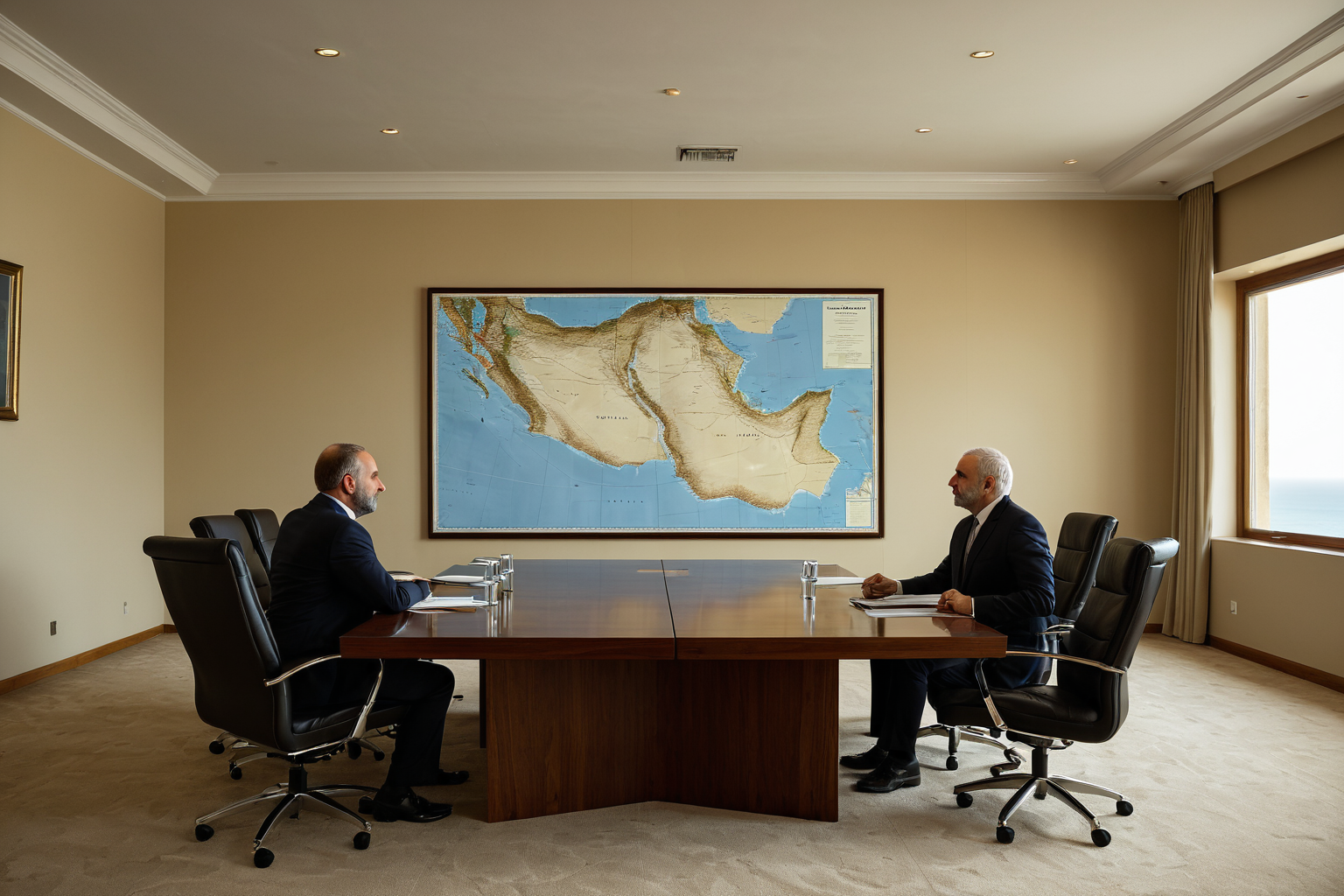
Trump’s Claim of Strait Control and Iran’s Rejection of Ceasefire Extension
US President Trump recently claimed he would 'completely control the Strait of Hormuz,' but Iran dismissed reports of extended ceasefire negotiations, stating no discussions had taken place. This contradicts a report by Turkey's state news agency about a 60-day ceasefire extension agreement between the US and Iran.

Stalemate in US-Iran Negotiations
Trump suggested on June 2 that a ceasefire memorandum of understanding (MOU) could be finalized within a week, but Iran denied this. Following Turkey's state media report on August 12 about a potential agreement, an Iranian senior official stated there had been no discussion of extending the ceasefire. The US has reportedly been awaiting a unified proposal from Iran amid internal divisions in Tehran.
Progress and Stagnation in Ceasefire Extension Talks
The US and Iran appeared close to finalizing a 60-day ceasefire extension and reopening the Strait of Hormuz through an MOU, but Iran's denial has stalled negotiations. Reports emerged on May 24 about proximity to an agreement, followed by detailed terms of a 14-point peace proposal on June 18. However, Iran reiterated on August 12 that no extension talks had occurred.
Trump mentioned the possibility of a deal within a week following his June 2 statement, but the US government later announced a pause in ceasefire extension efforts, citing the need for a unified Iranian proposal amid internal divisions. This followed Trump's April 22 warning about potential delays due to Iran's internal conflicts.
Mediators' Efforts and Diplomatic Outlook
Trump and mediators have intensified efforts to advance ceasefire extension talks, but Iran's denial has heightened diplomatic tensions. Mediators have decided to seek additional negotiation opportunities, though both sides remain entrenched in their positions, leaving the outcome uncertain.
Conflicting Reports on Ceasefire Extension
Trump's claim of 'complete control over the Strait of Hormuz' clashes with Iran's denial of any ceasefire extension discussions. Turkey's state media reported a 60-day extension agreement, but Iran rejected it. Some outlets have suggested negotiations are ongoing, though the actual status remains unclear.
Following Trump’s June 2 comment about potential MOU agreement within a week, Iran denied any discussion, and the US paused ceasefire efforts pending a unified Iranian proposal amid internal divisions.
Historical Context of Ceasefire Negotiations
Negotiations for extending the ceasefire are ongoing as the current 60-day period nears its end. Reports surfaced on May 4 that Iran had responded to a US-proposed 14-point peace plan, followed by proximity to an MOU agreement on May 24. However, Iran's senior official dismissed any extension talks on August 12, halting progress.
Trump indicated possible agreement by the following week after his June 2 statement, but Iran’s denial has prolonged delays. The US government appears to be waiting for a unified Iranian proposal due to internal divisions within Tehran.
Diplomatic Success Potential
The prospects of diplomatic success remain uncertain as Trump's statements and mediator efforts face Iran's firm rejection. While mediators are pushing for additional negotiation opportunities, Iran’s denial has significantly reduced the likelihood of a deal.
Key Information to Verify
Iran's specific justification for claiming no ceasefire extension discussions took place, along with the source of Turkey's state media report, needs verification. Additionally, confirming the exact US government document stating that the ceasefire extension was paused due to internal divisions in Iran is necessary.
Further clarification is needed on the context of Trump's 'complete control over the Strait of Hormuz' statement and how Iran’s denial has led to a stalemate. The potential for further mediator efforts also requires confirmation.
Frequently Asked Questions
Are the US and Iran still negotiating a ceasefire extension? While the US claimed proximity to an MOU on 60-day ceasefire extension and Strait of Hormuz reopening, Iran denies any discussion. Turkey’s state media reported an agreement, but Iran rejected it, leaving negotiations in limbo.
Did Trump mention possible ceasefire extension agreement? Trump stated on June 2 that a memorandum could be finalized within a week, but Iran denied this, leading to stalled talks. The US later paused the extension due to internal divisions in Iran.
How are mediators supporting negotiations? Mediators aim to secure additional negotiation opportunities for a ceasefire extension agreement, though both sides maintain opposing positions. Turkey’s state media report triggered Iran's denial, worsening diplomatic tensions.
Frequently Asked Questions
The US-Iran ceasefire extension talks remain stalled amid conflicting claims. Turkey’s state media reported a 60-day extension deal, but Iran denies any discussion. Trump suggested a possible agreement within a week on June 2, though the US later paused efforts pending a unified Iranian proposal due to internal divisions.
Explore more articles on similar topics.
View Related ArticlesFAQ
Are the US and Iran still negotiating a ceasefire extension?
The US claimed proximity to an MOU on a 60-day ceasefire extension, but Iran denies any discussion. Turkey's state media reported an agreement, which Iran rejected, leaving negotiations in limbo.
Did Trump mention possible ceasefire extension agreement?
Trump stated on June 2 that a memorandum could be finalized within a week, but Iran denied this. The US later paused efforts due to internal divisions in Iran.
How are mediators supporting negotiations?
Mediators aim to secure additional negotiation opportunities for a ceasefire extension agreement, though both sides maintain opposing positions. Turkey's media report triggered Iran's denial, worsening tensions.
Korean Source
This article is an English localization of a Korean-language report from BlogScore. Original: 미국 이란 휴전 연장, 외교적 성과와 지역 갈등 해소 가능성