
US Drone Misidentification Incident: International Coverage and Domestic Reaction
Key Facts of the US Drone Misidentification Incident
On July 31, 2026, during a US-South Korea joint military exercise, the US military informed South Korean forces via text message the day before about an unmanned aerial vehicle (UAV) flight plan. However, a South Korean military official failed to report this information, leading to a misidentification of the UAV as being near Mount Baekdusan and triggering an unprecedented security crisis with heightened air defense readiness. The Joint Chiefs of Staff identified the US military's deviation from standard communication channels and South Korea's reporting oversight as causes, resulting in the suspension of 1st Army Corps Commander Han Gi-seong.
How the Incident Occurred
The US military confirmed it had informed South Korean forces via text message the day before the UAV flight. However, a South Korean official failed to report this information. This led to the misidentification of the US UAV as approaching Mount Baekdusan, causing air defense systems to be elevated to alert status just minutes before potential interception. The Joint Chiefs of Staff analyzed this incident as a communication error between personnel. In reality, the US military's UAV was scheduled to fly over the Mount Baekdusan area on the morning of July 31, 2026, but the information failed to be processed by South Korea's communication system, automatically raising air defense alert levels.
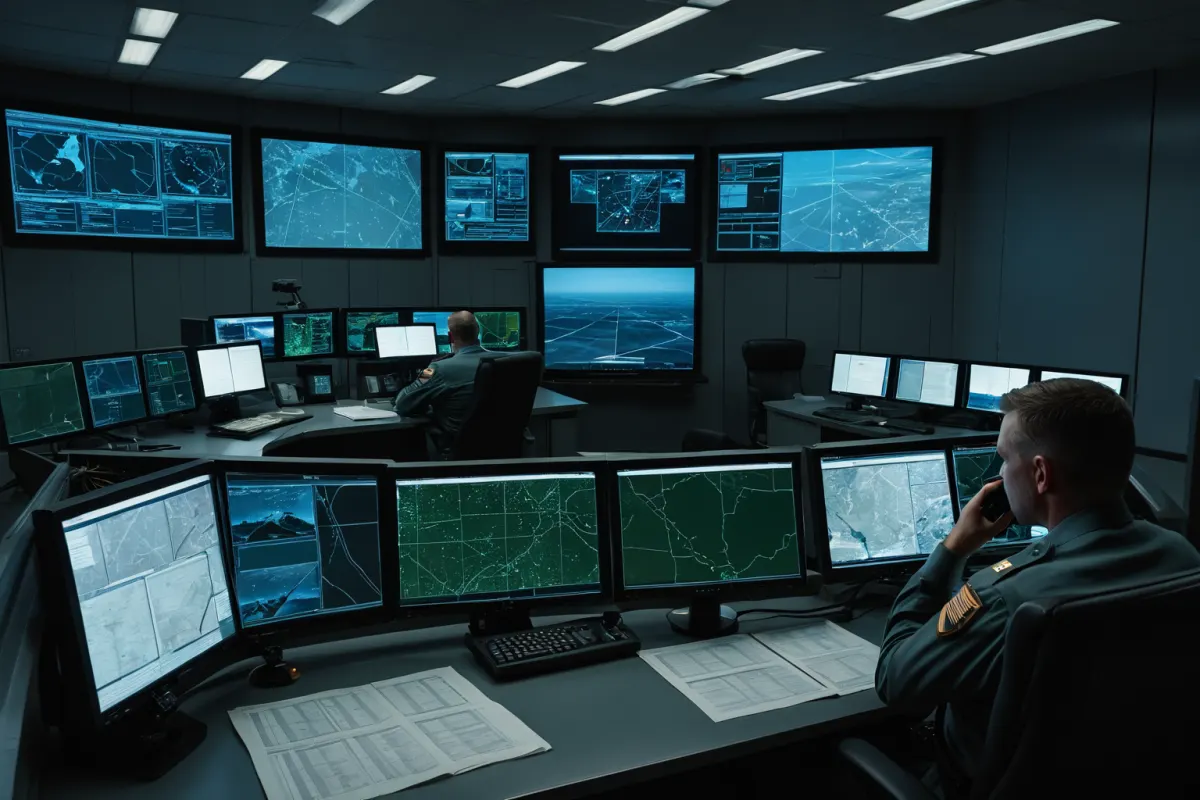
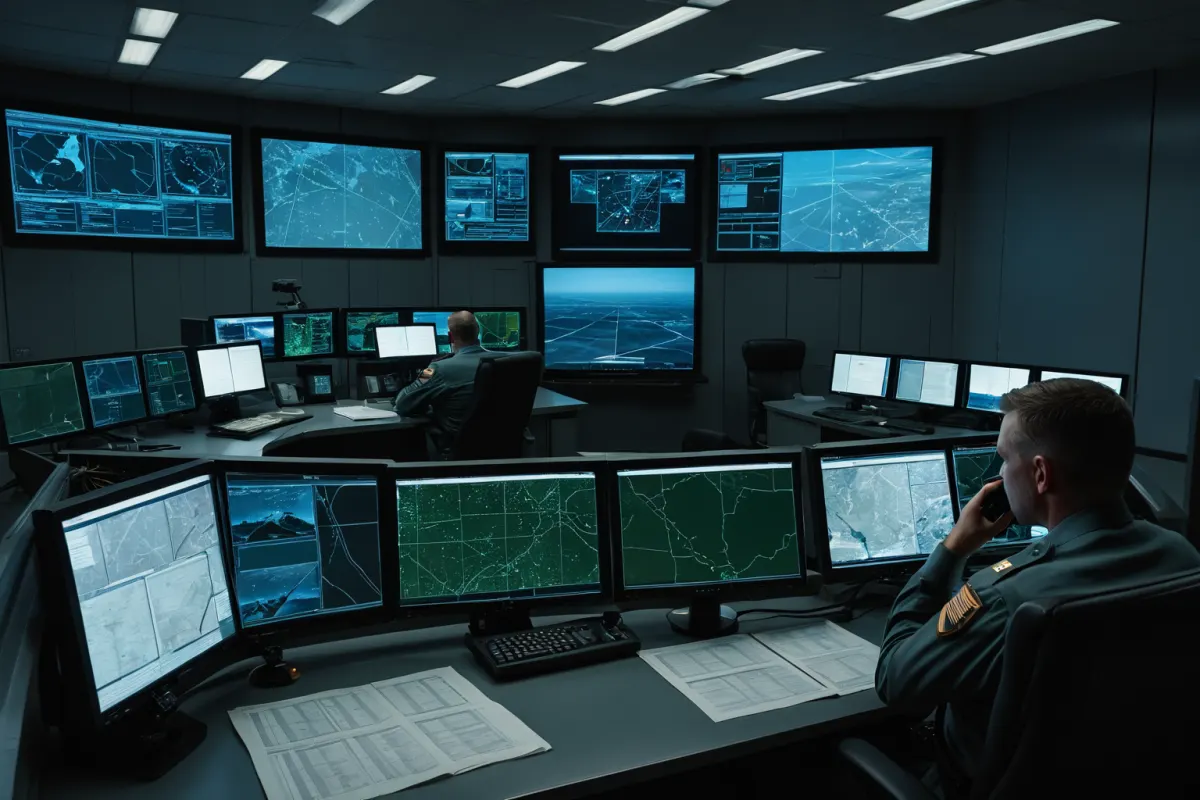
At the time, both US and South Korean air defense systems were equipped with automatic alert escalation mechanisms, though these operated within a structure that did not allow for real-time information sharing. South Korea's air defense posture was set to 'defensive,' meaning it would automatically increase alerts if flight plans were not properly communicated. This occurred around 8:45 AM on July 31, when the air defense systems in the Mount Baekdusan area switched to 'enemy aircraft detection' mode, resulting from the misidentification of the US UAV.
South Korea's communication system still relied partially on outdated equipment as of 2026, particularly struggling with messages that did not include specific keywords like 'US military UAV flight.' This highlighted a lack of standardized information transmission protocols in the US-South Korea military communication system. The Kyunghyang Shinmun reported on August 2, 2026, that the US military had sent the flight plan via text message to an 'incorrect unit,' bypassing standard channels—a finding consistent with the Joint Chiefs' investigation.
Investigation Findings
The US military was confirmed to have used non-standard communication methods. According to Kyunghyang Shinmun, the US military sent the UAV flight plan via text message to an 'incorrect unit,' bypassing standard channels. South Korea's military failed to report the information, leading to Commander Han Gi-seong's suspension. Further investigation revealed that the US military had transmitted the UAV flight plan around 5 PM on July 30, 2026, but South Korea's communication system did not process it properly because the message lacked keywords like 'US military UAV flight,' causing automated sorting software to treat it as a regular message. This demonstrated a lack of standardized protocols in US-South Korea military communications.
The Joint Chiefs identified both the US military's deviation from standard communication channels and South Korea's reporting oversight as causes, exposing weaknesses in the US-South Korea military coordination system. On August 3, 2026, the Joint Chiefs confirmed the incident and suspended 1st Army Corps Commander Han Gi-seong. Additionally, both nations agreed to hold further meetings to improve military communication systems, particularly focusing on establishing real-time information sharing and standardizing reporting procedures.
The identified flaws in US-South Korea military communications included: First, the US military used regular text messages instead of official channels for emergency response. Second, South Korea's communication system failed to properly categorize information without specific keywords, causing legitimate flight plans to be overlooked. Third, inadequate reporting procedures between personnel prevented early identification of potential misidentification risks.
Response and Safety Measures
Following the incident, discussions on improving US-South Korea military communication systems have been ongoing. The Joint Chiefs emphasized that the US military must improve its non-standard communication methods to prevent recurrence. South Korea also committed to implementing more thorough reporting procedures. Specifically, both nations agreed to establish a new communication protocol by August 15, 2026, ensuring the US can transmit UAV flight plans through official channels while South Korean forces can verify them in real time. Additionally, both countries plan regular system checks and enhanced personnel training to prevent similar incidents.
Specific measures for improving US-South Korea military communication systems include: First, the US will transmit UAV flight plans exclusively through official channels, with South Korea implementing an automated notification system for such messages. Second, both nations will standardize keyword processing for 'UAV flight' information to reduce misidentification risks. Third, monthly training sessions on communication procedures will be conducted to strengthen personnel awareness.
The US drone misidentification incident was reported internationally and domestically as a rare security crisis in US-South Korea military cooperation. International media and local outlets like Kyunghyang Shinmun and Chosun Ilbo covered the story extensively, emphasizing the need for improved communication protocols. The case highlighted the importance of information sharing in international military collaboration.
This incident served as a catalyst for emphasizing the necessity of improving US-South Korea military communication systems, with future cooperation expected to place greater emphasis on standardized information sharing and reporting procedures. It also suggests that similar communication system improvements are necessary for other international military partnerships.
Notably, the incident occurred during a joint military exercise, revealing gaps in information sharing between training plans and flight plans. Both nations agreed to share all plans in advance before future exercises to minimize misidentification risks.
Key Information to Verify
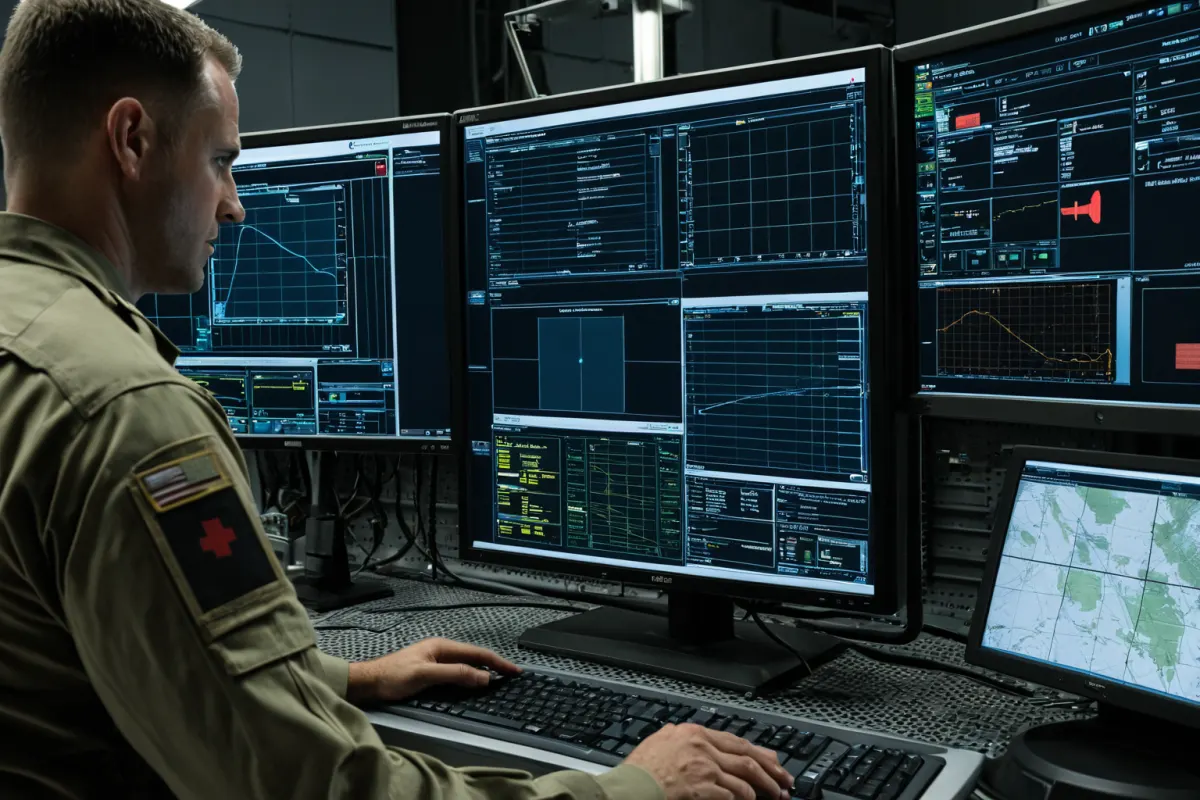
The US military informed South Korean forces about the UAV flight plan via text message the day before, but a South Korean official failed to report it. This led to heightened air defense measures and a near-interception scenario. The Joint Chiefs identified the US military's non-standard communication method and South Korea's reporting oversight as causes, resulting in Commander Han Gi-seong's suspension. Additional verified details include: the US military used regular text messages instead of official channels for UAV flight plans, and South Korea's system failed to automatically categorize this information due to missing keywords. This incident highlighted a lack of standardization in US-South Korea military communication protocols, necessitating joint efforts by both nations to improve communication systems and prevent similar incidents.
Frequently Asked Questions
How did the US drone misidentification incident occur?
The incident occurred on July 31, 2026, when the US military sent a text message about an unmanned aerial vehicle (UAV) flight plan. A South Korean official failed to report this information, leading to the UAV being misidentified as approaching Mount Baekdusan and triggering heightened air defense measures.
What communication method did the US military use?
The US military used a non-standard method by sending the flight plan via text message to an 'incorrect unit,' bypassing official channels, which was confirmed by Kyunghyang Shinmun.
Why was 1st Army Corps Commander Han Gi-seong suspended?
Commander Han Gi-seong was suspended for failing to report the UAV flight plan information, deemed responsible for inadequate reporting procedures and communication errors.
FAQ
How did the US drone misidentification incident occur?
The incident occurred on July 31, 2026, when the US military sent a text message about an unmanned aerial vehicle (UAV) flight plan. A South Korean official failed to report this information, leading to the UAV being misidentified as approaching Mount Baekdusan and triggering heightened air defense measures.
What communication method did the US military use?
The US military used a non-standard method by sending the flight plan via text message to an 'incorrect unit,' bypassing official channels, which was confirmed by Kyunghyang Shinmun.
Why was 1st Army Corps Commander Han Gi-seong suspended?
Commander Han Gi-seong was suspended for failing to report the UAV flight plan information, deemed responsible for inadequate reporting procedures and communication errors.
Korean Source
This article is an English localization of a Korean-language report from BlogScore. Original: 미국 무인기 오인 소동: 외신 보도와 국내 반응