
US Drone Misidentification Incident: Army General Removed Amid Communication Failures
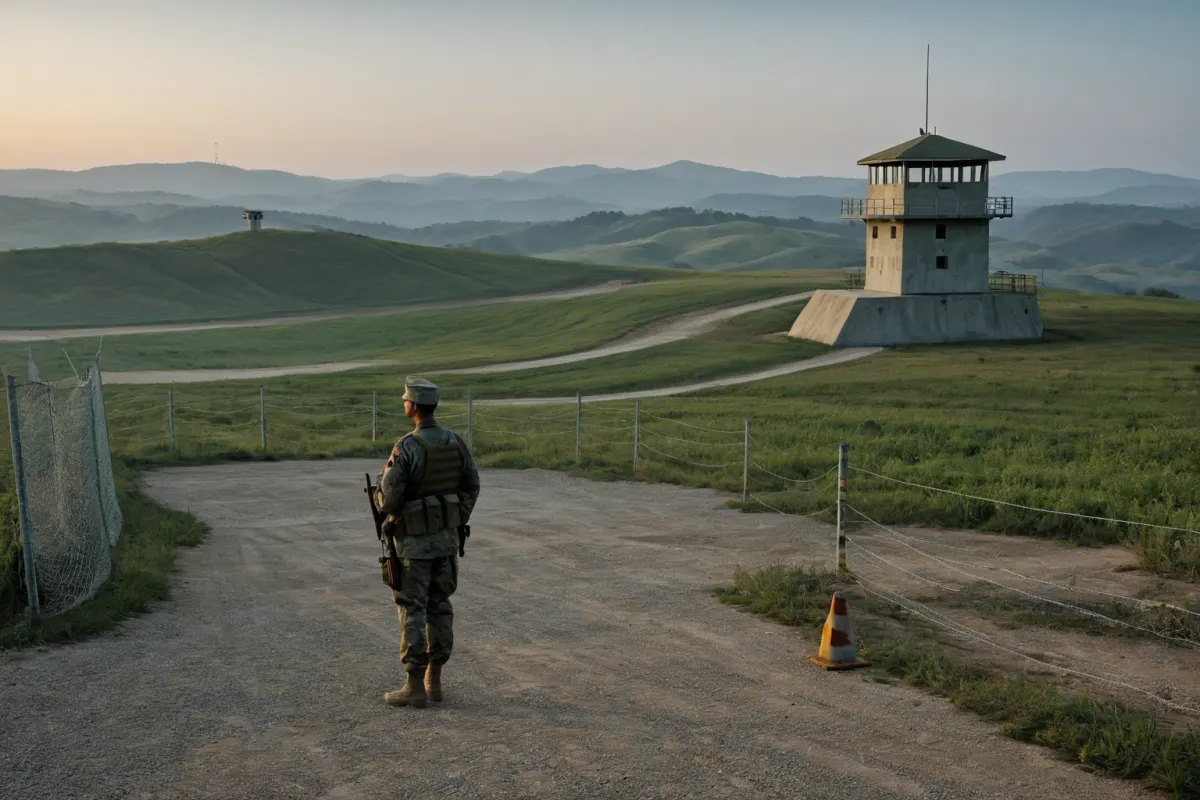
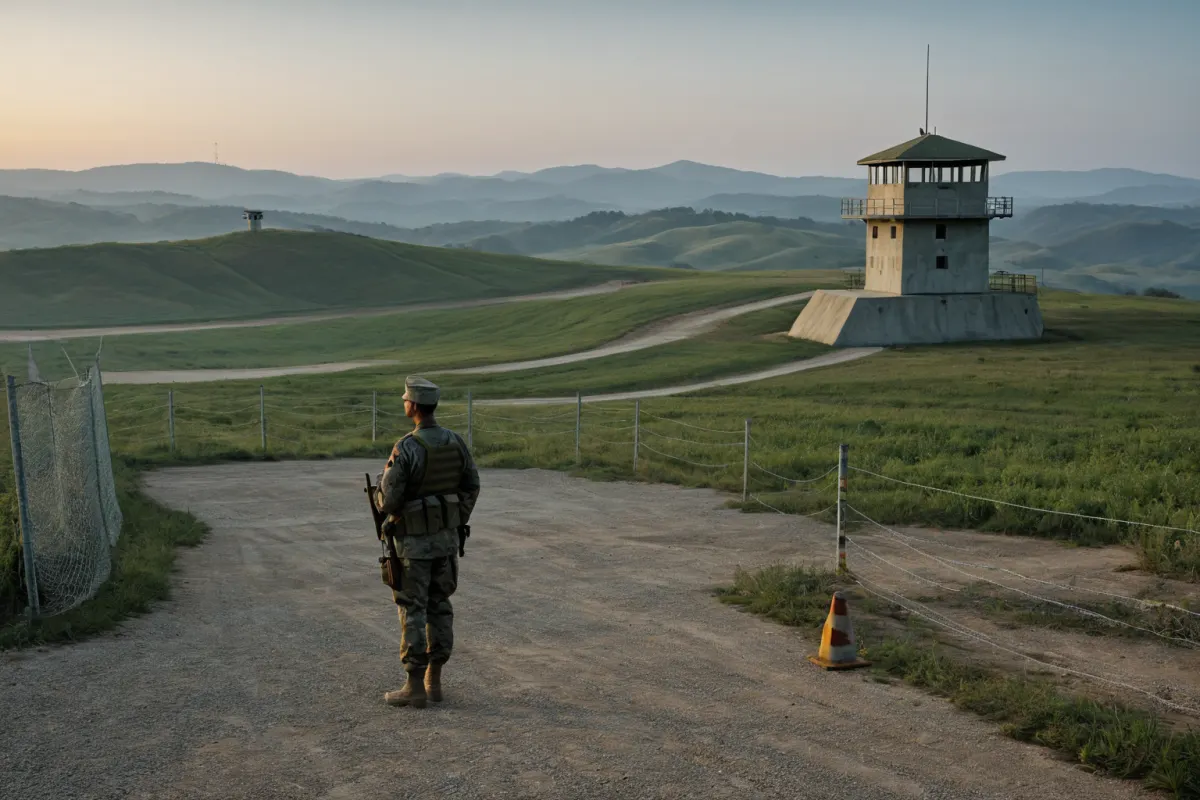
Key Facts of the US Drone Misidentification Incident
On July 30, 2026, during a joint U.S.-South Korea military exercise, a U.S. drone nearly was shot down after being misidentified as a North Korean aircraft. This incident occurred because South Korean military personnel failed to report a prior text message from the U.S. military about the drone's flight path. The event exposed vulnerabilities in information-sharing procedures within the U.S.-South Korea military cooperation framework, serving as a serious warning for international military collaboration. Further confirmed details indicate that the drone was flying as part of the 'Defender 2026' exercise led by the U.S., which had been clearly outlined in a joint training plan approved by both countries. However, South Korean forces failed to properly verify this plan, preventing them from avoiding the crisis.
How the Incident Unfolded
On the morning of July 30, as joint military exercises were underway, the U.S. had sent a text message at 6 p.m. the previous day notifying South Korea about the drone's flight schedule. However, South Korean military personnel either did not receive or failed to report this notification, leading to a near-miss when the drone was nearly mistaken for a North Korean aircraft. At that time, detection systems activated but, due to lack of information sharing, security protocols were relaxed, allowing the crisis to develop. This communication breakdown led to a loss of trust in U.S.-South Korea military cooperation and became the reason for the dismissal of the First Army Corps Commander. Notably, South Korean forces had relaxed their alert status without considering that the drone's flight path overlapped with North Korean airspace. The U.S. had provided specific details about the flight path and timing, but South Korean personnel failed to accurately understand this information, resulting in inadequate response.
Causes of Reporting Omission and Communication Breakdown
According to the Ministry of National Defense, while the U.S. military notified via text message about the drone's flight, a First Army Corps official failed to report it, leading to the near-miss incident. This was due to procedural flaws in reporting, prompting the Ministry of National Defense to remove the corps commander from duty and order an emergency review of discipline. Additional confirmed details reveal that this official had previously missed similar reporting instances, indicating a combination of organizational procedure gaps and insufficient training. Specifically, the First Army Corps' information processing system still relied on manual reporting procedures, with delays in implementing automated notification systems. This reflects a failure to prioritize information sharing within U.S.-South Korea cooperation, necessitating systemic improvements moving forward.
Dismissal Decision and Response
On July 31, reports highlighted inadequate response by military leadership following the drone flight notification. Subsequently, on August 3, the Ministry of National Defense dismissed the First Army Corps Commander and ordered an emergency discipline review. This decision emphasized the importance of military cooperation and sought to prevent further damage to trust in the U.S.-South Korea alliance. The dismissal was viewed not merely as holding an individual accountable but as a first step toward organizational procedural improvements. Alongside this, the Ministry plans to finalize 'information sharing and reporting procedure improvement measures' by late September 2026, aiming to prevent recurrence. Additionally, both South Korea and the U.S. have agreed to discuss standardizing information-sharing systems following this incident.
Trust Issues in the U.S.-South Korea Alliance
This incident revealed serious communication issues between U.S. and South Korean military forces. While the U.S. stated they had provided prior notice, South Korean officials admitted to failing to report it. This could have damaged trust within the alliance, with the Joint Chiefs of Staff stating that while the U.S. had shared information, South Korea's inadequate response was the issue. The incident highlighted the need for improved information-sharing systems in U.S.-South Korea military cooperation. Both countries have agreed to review and revise their information-sharing agreements, particularly focusing on clear protocols for emergency responses. This serves as a reminder of the importance of building trust within international military collaboration.
Impact of the Incident
The dismissal of the First Army Corps Commander has become a significant moment highlighting trust issues in U.S.-South Korea military cooperation. It acts as a warning light for border security systems, signaling that more thorough communication procedures are needed during future joint exercises. Additionally, this incident underscores the importance of information sharing in international military collaboration, prompting calls for more systematic monitoring mechanisms to prevent recurrence. Notably, both South Korea and the U.S. have accelerated efforts to standardize military information-sharing protocols, with plans to implement a new cooperation framework by late 2026. This is expected to enhance the safety of international military collaboration.
Verified Information About the Incident
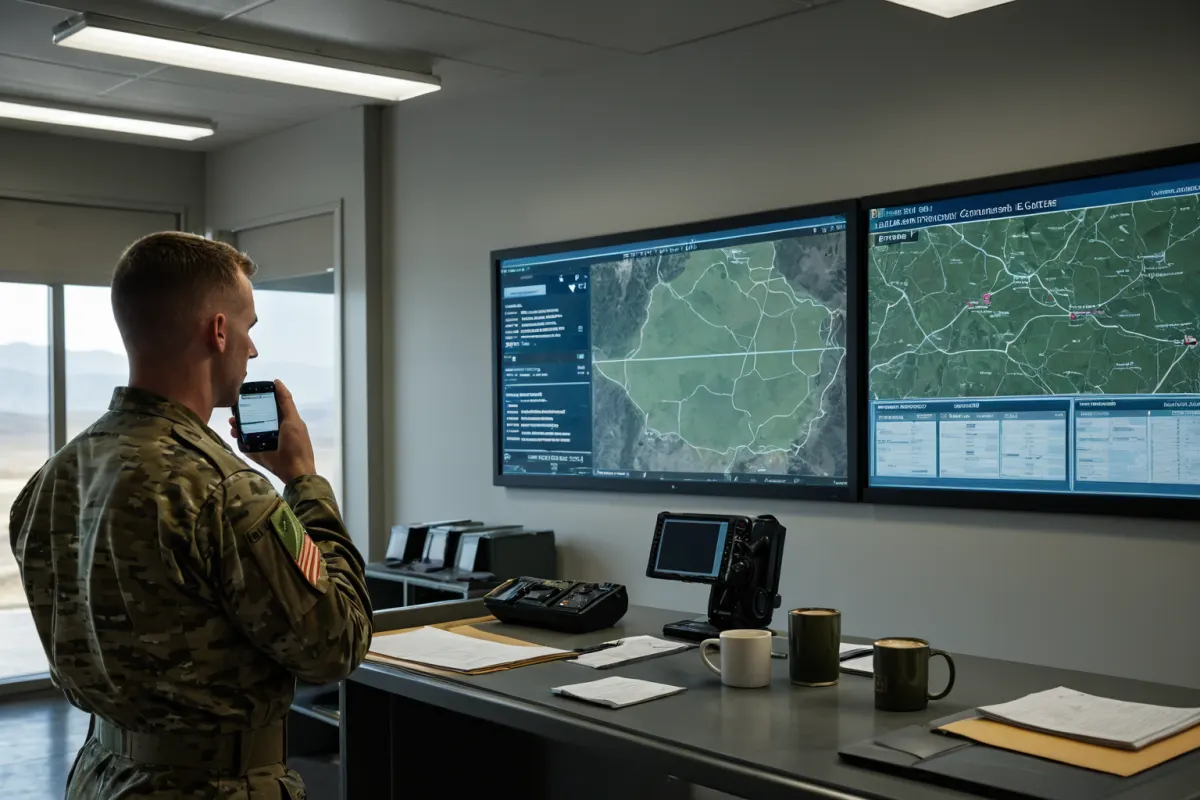
The incident occurred on July 30, 2026, during joint U.S.-South Korea military exercises. The U.S. had notified via text message the day before about the drone's flight, but South Korean forces failed to report it, leading to a near-miss. The Ministry of National Defense removed the First Army Corps Commander and ordered an emergency discipline review as a precaution against trust issues within the alliance. Additional verified information includes the U.S. notification method (text message), South Korean reporting procedures, and specific grounds for dismissal. Notably, the U.S. sent the text at 6 p.m. the previous day, but South Korean forces confirmed they did not receive it. Additionally, the Ministry plans to advance automation of its information-sharing system by September 2026, completing relevant technical reviews within that timeframe.
FAQ
Did the U.S. notify about the drone flight?
The U.S. notified via text message about the drone's flight schedule, but South Korean military personnel failed to report it, leading to the near-miss incident.
Why was the First Army Corps Commander dismissed?
The dismissal resulted from reporting omissions and communication failures that led to the incident. The Ministry of National Defense removed him due to 'empty perimeter alert and U.S. drone misidentification' issues.
What is the impact on the U.S.-South Korea alliance?
The incident exposed trust issues in military cooperation, signaling that more thorough communication procedures are needed during joint exercises.
Frequently Asked Questions
The US drone misidentification incident occurred due to reporting omissions and communication failures, leading to a near-crisis. The dismissal of the First Army Corps Commander was an action taken to address trust issues within the U.S.-South Korea alliance, emphasizing the importance of information sharing and reporting procedures in future military cooperation.
You can find similar articles on this topic all in one place.
View Related ArticlesFAQ
Did the U.S. notify about the drone flight?
The U.S. notified via text message about the drone's flight schedule, but South Korean military personnel failed to report it, leading to the near-miss incident.
Why was the First Army Corps Commander dismissed?
The dismissal resulted from reporting omissions and communication failures that led to the incident. The Ministry of National Defense removed him due to 'empty perimeter alert and U.S. drone misidentification' issues.
What is the impact on the U.S.-South Korea alliance?
The incident exposed trust issues in military cooperation, signaling that more thorough communication procedures are needed during joint exercises.
Korean Source
This article is an English localization of a Korean-language report from BlogScore. Original: 미군 무인기 오인 사격 사건, 육군 1군단장 해임 배경과 영향