
Why the US-China Summit Has the World Watching as Military Tensions Ease
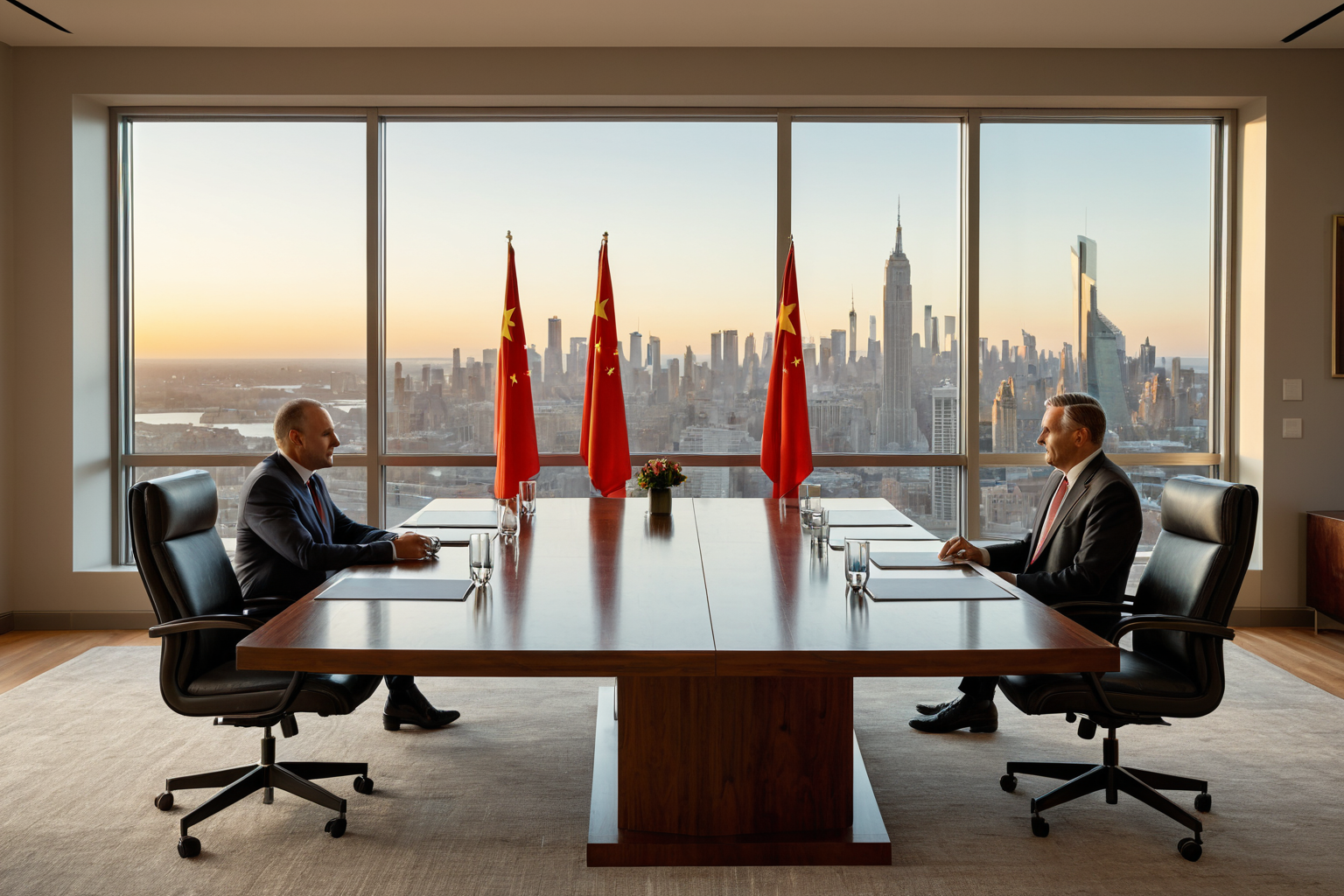
Key Agreements from the U.S.-China Summit
The May 14, 2026, U.S.-China summit marked the first high-level dialogue in 11 years, discussing joint goals for North Korean denuclearization and an agricultural exports agreement. Trump and Xi Jinping emphasized easing military tensions with their 'Let's Open the Future Together' statement. This meeting is expected to serve as a test for stabilizing Northeast Asia and Middle East dynamics through resolving Iran-related issues and tariff truce agreements.

Main Summit Highlights
The White House announced that the U.S. and China confirmed joint goals for North Korean denuclearization, with the U.S. Trade Representative noting expectations of China purchasing billions of dollars worth of agricultural products annually. Discussions also covered Iran-related issues, with both nations emphasizing cooperation on Middle East truce efforts.
Following the White House announcement on May 18 regarding confirmed joint goals for denuclearization, the meeting was widely seen as a signal of improving U.S.-China relations. The U.S. Trade Representative highlighted expectations of an agricultural exports agreement with China, viewed as the first step toward strengthening economic cooperation between the two nations. Notably, this agreement represents the first high-level dialogue between the U.S. and China since 2015, showcasing a new approach to resolving trade tensions and North Korean denuclearization.
The U.S. emphasized that the agricultural exports agreement would directly benefit American agriculture, while China expressed hopes for expanding economic cooperation and building international trust toward solving the North Korean nuclear issue. This is seen as the first step in revising tariff policies between the two nations, with heightened expectations for future trade negotiations.
Background and Timeline
The U.S.-China summit took place on May 14, 2026, marking the first high-level meeting in 11 years. It was the first such dialogue since 2015, drawing attention as a step toward resolving North Korean nuclear issues and easing trade tensions.
Notably, Trump invited major business CEOs to China before the summit—a strategic move to strengthen economic cooperation, particularly signaling intentions to expand American investment in China. During his visit to China, President Trump met with leading technology companies like Alibaba and Baidu to explore potential collaboration opportunities.
On May 15, the U.S. Trade Representative mentioned expectations of an agricultural products purchase agreement with China, indicating the start of efforts to improve economic relations between the two nations. This strategic move precedes a planned summit at the UN General Assembly in September 2026 and is seen as preparation for further discussions on resolving Iran-related issues, which are expected to contribute to Middle East stability.
During the May 14 summit, Trump and Xi Jinping focused on easing military tensions through their 'Let's Open the Future Together' statement. This phrase reflected both nations' intentions to move beyond past conflicts toward cooperative relations, signaling hope for rebuilding U.S.-China ties after years of deterioration since 2015.
Impact on Global Affairs
Discussions at the summit regarding resolving Iran-related issues are expected to play a crucial role in stabilizing the Middle East. If cooperation progresses, it could transform economic and security conditions in the region. Notably, talks about reviving the Iran nuclear deal were held, which could significantly reduce tensions across the Middle East.
The tariff truce agreement is anticipated to serve as a test for stabilizing Northeast Asia and Middle East dynamics. Improved U.S.-China trade relations may lead to reshaping global supply chains, altering trade flows between China and the U.S., with potential ripple effects on economic policies worldwide.
China has expressed opposition to the U.S. designating Chinese companies as military entities—a move that requires further dialogue for resolution. China views this action as a standalone issue unrelated to trade negotiations, stressing the need for additional talks. Meanwhile, during the U.S.-South Korea summit, revisions to nuclear agreements and tariff deal resolutions were made to strengthen the alliance.
South Korea's Response and Key Considerations
South Korea is monitoring changes in Taiwan-related issues and supply chain dynamics resulting from reduced U.S.-China tensions. The Taiwan issue could directly impact Northeast Asia security, prompting the South Korean government to seek a cautious response strategy. South Korea is considering strengthening international cooperation on managing Taiwan's maritime boundaries.
The upcoming U.S.-China summit scheduled for after the September 2026 UN General Assembly is expected to influence global economic flows in areas like AI, power, and resources. South Korea plans to monitor these changes and work through international cooperation to maintain a stable environment. Particularly in AI, increased collaboration between the U.S. and China could positively impact South Korea's technology sector.
The reestablishment of North-China relations and the decline of the 'September 19 Framework' are transforming Northeast Asia security dynamics. This shift is expected to influence South Korea's foreign policy direction, with greater emphasis on strengthening international cooperation for resolving North Korean nuclear issues through close communication with neighboring countries.
Key Points for Searchers
The U.S.-China summit was the first high-level dialogue in 11 years, focusing on joint goals for North Korean denuclearization and an agricultural exports agreement. Trump and Xi Jinping emphasized easing military tensions through their 'Let's Open the Future Together' statement.
Resolving Iran-related issues and reaching a tariff truce are expected to serve as tests for stabilizing Northeast Asia and Middle East dynamics. China has opposed U.S. designation of Chinese companies as military entities, requiring further dialogue. The U.S.-South Korea summit resulted in revisions to nuclear agreements and tariff deal resolutions to strengthen the alliance.
A follow-up U.S.-China meeting is scheduled after the September 2026 UN General Assembly, with South Korea monitoring Taiwan-related issues and supply chain changes as key considerations for shaping its response strategy to evolving international political and economic conditions.
Frequently Asked Questions
What were the main topics discussed at the U.S.-China summit?
Joint goals for North Korean denuclearization, agricultural exports agreement, resolving Iran-related issues, and a tariff truce agreement.
Why was the U.S.-China summit held after 11 years?
This was the first high-level dialogue since 2015, serving as an initial step toward addressing North Korean nuclear issues and easing trade tensions.
What changes is South Korea monitoring due to the U.S.-China summit?
South Korea is watching for shifts in Taiwan-related matters and supply chain dynamics, preparing for a transformation in Northeast Asia security patterns.
You can explore more articles on similar topics all at once.
View Related ArticlesFAQ
What were the main topics discussed at the U.S.-China summit?
Joint goals for North Korean denuclearization, agricultural exports agreement, resolving Iran-related issues, and a tariff truce agreement.
Why was the U.S.-China summit held after 11 years?
This was the first high-level dialogue since 2015, serving as an initial step toward addressing North Korean nuclear issues and easing trade tensions.
What changes is South Korea monitoring due to the U.S.-China summit?
South Korea is watching for shifts in Taiwan-related matters and supply chain dynamics, preparing for a transformation in Northeast Asia security patterns.
Korean Source
This article is an English localization of a Korean-language report from BlogScore. Original: 미중 정상회담, 군사적 긴장 완화 합의로 전 세계가 주목하는 이유