
Why Did the US-China Movement Oppose International Waterway Toll Fees?
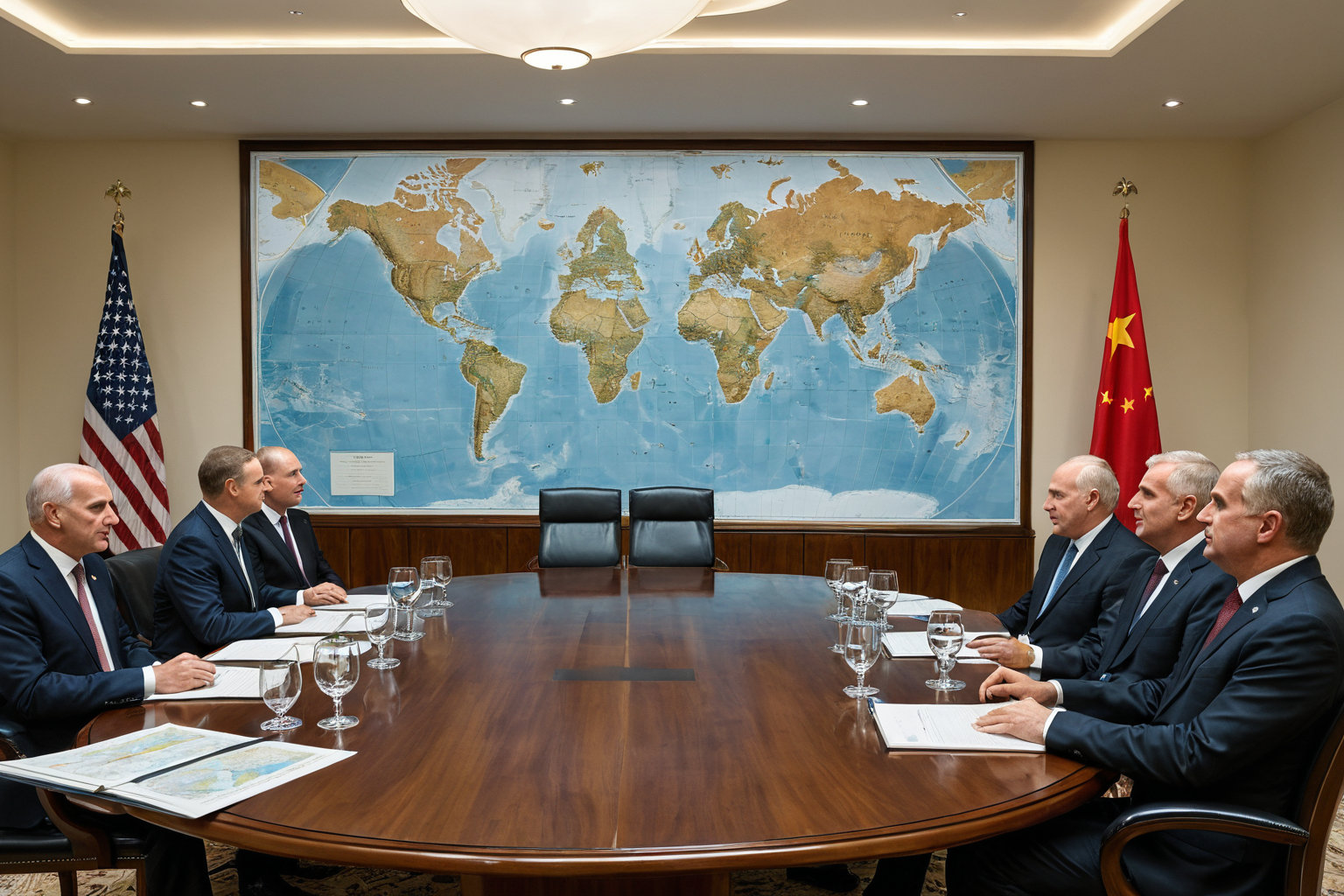
US-China Summit Agreement on Opposing International Waterway Toll Fees
During the US-China summit on September 26, 2026, both nations agreed to oppose the imposition of toll fees on international waterways. The agreement includes a refusal to impose tolls for navigation through the Strait of Hormuz and adherence to the principle that Iran should not possess nuclear weapons. The two countries also committed to establishing an AI incident communication channel to maintain consistent positions on waterway-related issues.
Link Between Strait of Hormuz Control and Iran's Nuclear Issue
The US-China summit discussion on opposing toll fees for international waterways is expected to directly impact the Middle East situation, centered around the Strait of Hormuz. As a critical route carrying 20% of global trade from the Middle East, any control by Iran over this strait would significantly disrupt international shipping logistics. Both nations explicitly declared their opposition to toll fees as part of efforts to prevent Iran from controlling the strait.
Strengthening International Cooperation Through AI Communication Channel
The summit also saw an agreement to establish an AI incident communication channel to ensure smooth dialogue in case of artificial intelligence-related incidents. This reflects both countries' commitment to enhancing international cooperation amid advancements in AI technology. The term 'superintelligence' was used, indicating a shared framework for managing stable AI development.
Background and Historical Context of the US-China Agreement
The agreement on opposing toll fees for international waterways was announced on September 26, 2026, following prior economic and security cooperation discussions between the two nations. After discussing issues related to economics and security, President Xi Jinping and President Trump returned to China. This move is seen as a strategic effort by both countries to present a unified stance on Middle East tensions.
Impact of Strait of Hormuz Control on Global Trade
The Strait of Hormuz carries 20% of global trade from the Middle East, and if Iran were to control it, significant disruptions to international shipping logistics would be expected. The US and China explicitly declared their opposition to toll fees as a strategic measure to prevent Iran from controlling the strait and minimize potential impacts on global trade.
Maintaining Consistent Positions on Waterway Issues
By including an explicit refusal to impose tolls for navigation through the Strait of Hormuz, the US-China agreement demonstrates their unified stance on Middle East affairs and trade issues. This reflects a strategic effort by both nations to strengthen international cooperation frameworks. The refusal to charge tolls for navigating the Strait of Hormuz is expected to become a significant strategic issue in relations with Middle Eastern countries.
Significance of Establishing an AI Incident Communication Channel
The agreement to establish an AI incident communication channel during the summit aims to enhance international cooperation as AI technology advances. The two nations have created a system for rapid communication in case of AI-related incidents, which could serve as a model for future international collaboration based on AI. The use of the term 'superintelligence' highlights their shared commitment to establishing a joint response framework for stable AI development.
US-China Agreement and Middle East Tensions
The US-China agreement to oppose toll fees for international waterways is expected to directly affect Middle East tensions. Iran has recently intensified military activities in the region, which analysts view as a strategic move toward controlling the Strait of Hormuz. The agreement aims to minimize potential disruptions to global trade if Iran gains control over the strait.
Discussion on Economic and Security Issues at the Summit
After discussing economic and security issues, President Xi Jinping and President Trump returned to China. This move is seen as a strategic effort by both nations to present a unified stance on Middle East tensions and global trade concerns. Specifically, they emphasized cooperation to stabilize trade logistics in the Middle East region from an economic perspective.

Potential Impact of US-China Agreement on Global Affairs
The US-China agreement to oppose toll fees for international waterways is expected to bring significant changes to Middle East tensions and global trade. This will become an important strategic issue in relations with Middle Eastern countries, particularly as a measure to minimize disruptions to international shipping logistics if Iran controls the Strait of Hormuz.
Future Direction of US-China Cooperation
The discussions at the summit indicate that both nations plan to continue cooperating to maintain stability in the Middle East and ensure smooth flow of global trade logistics. This reflects how their economic and security cooperation discussions have provided a common direction for addressing Middle East tensions and global trade issues.
Key Information to Verify
The US-China summit discussed the link between control of the Strait of Hormuz and Iran's nuclear issue, explicitly including opposition to toll fees for international waterways. The establishment of an AI incident communication channel is particularly noteworthy as it highlights both nations' commitment to enhancing cooperation amid advancements in artificial intelligence technology.
Frequently Asked Questions
What does the US-China agreement on opposing international waterway toll fees mean?
The US and China have explicitly opposed tolls for navigation through the Strait of Hormuz, viewing it as a strategic measure to minimize potential impacts on global trade if Iran controls the strait.
What is the primary purpose of establishing an AI incident communication channel?
The two nations agreed to establish an AI incident communication channel to enable rapid communication in case of artificial intelligence-related incidents.
How will the US-China agreement affect Middle East tensions?
The agreement aims to minimize disruptions to global trade logistics if Iran gains control over the Strait of Hormuz, reflecting a strategic effort by both nations to address potential impacts on international trade.
FAQ
What does the US-China agreement on opposing international waterway toll fees mean?
The US and China have explicitly opposed tolls for navigation through the Strait of Hormuz, viewing it as a strategic measure to minimize potential impacts on global trade if Iran controls the strait.
What is the primary purpose of establishing an AI incident communication channel?
The two nations agreed to establish an AI incident communication channel to enable rapid communication in case of artificial intelligence-related incidents.
How will the US-China agreement affect Middle East tensions?
The agreement aims to minimize disruptions to global trade logistics if Iran gains control over the Strait of Hormuz, reflecting a strategic effort by both nations to address potential impacts on international trade.
Korean Source
This article is an English localization of a Korean-language report from BlogScore. Original: 미중 국제수로 통행료 반대 운동, 왜 시작됐나?