
U.S. 301 Clause Forced Labor Tariffs: Corporate Response Strategies
Overview of U.S. Forced Labor Tariff Policy
The United States has imposed forced labor tariffs under Section 301 on 60 countries, with South Korea facing a 12.5% tariff rate. This follows the Trump administration's trade policies and maintains existing agreements. The U.S. Trade Representative (USTR) announced this policy, which has been reported consistently across multiple media outlets.
Current Status of U.S. Section 301 Forced Labor Tariffs
The U.S. has implemented a policy imposing forced labor tariffs under Section 301 on 60 countries. This appears to be part of the Trump administration's continued trade measures, despite claims that tariffs were abandoned. South Korea faces a 12.5% tariff rate, which is notably high compared to other nations.
According to USTR announcements, the policy uses Section 301 provisions to impose tariffs as a measure to address forced labor concerns. This continues the Trump administration's trade approach while maintaining existing agreements.
Korean Government and U.S. Negotiation Outcomes
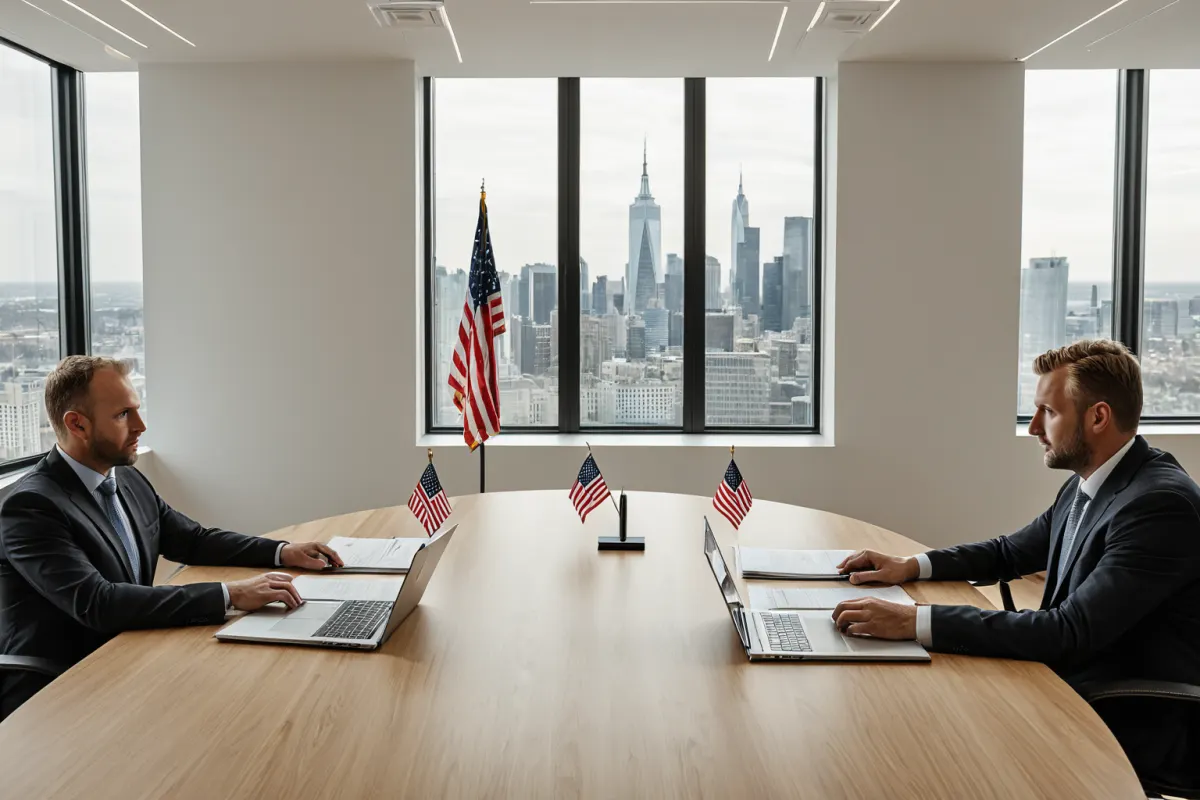
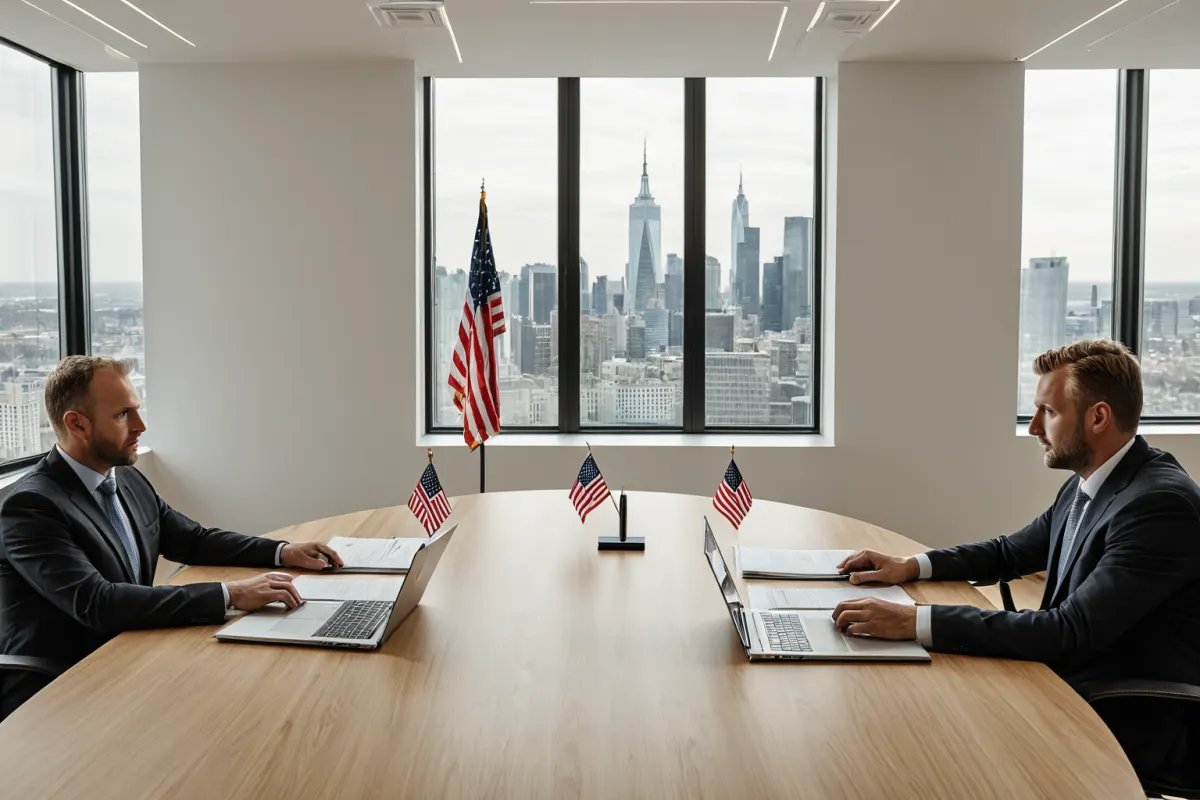
The U.S. responded to South Korea's request to halt additional tariffs with 'let's see,' suggesting a delay in decision-making. The Korean government had sought to prevent further tariff imposition, but the U.S. avoided immediate confirmation.
Both sides have reaffirmed the forced labor tariff ceiling at 15%. This gives Korean businesses a clear boundary for tariff exposure, though the actual rate applied is 12.5%, below the 15% ceiling.
The government is moving beyond the 15% defense strategy to establish an ongoing response system. This reflects expectations of long-term policy implementation and aims to help businesses prepare for complex risks.
Korean Manufacturing's Response Strategy
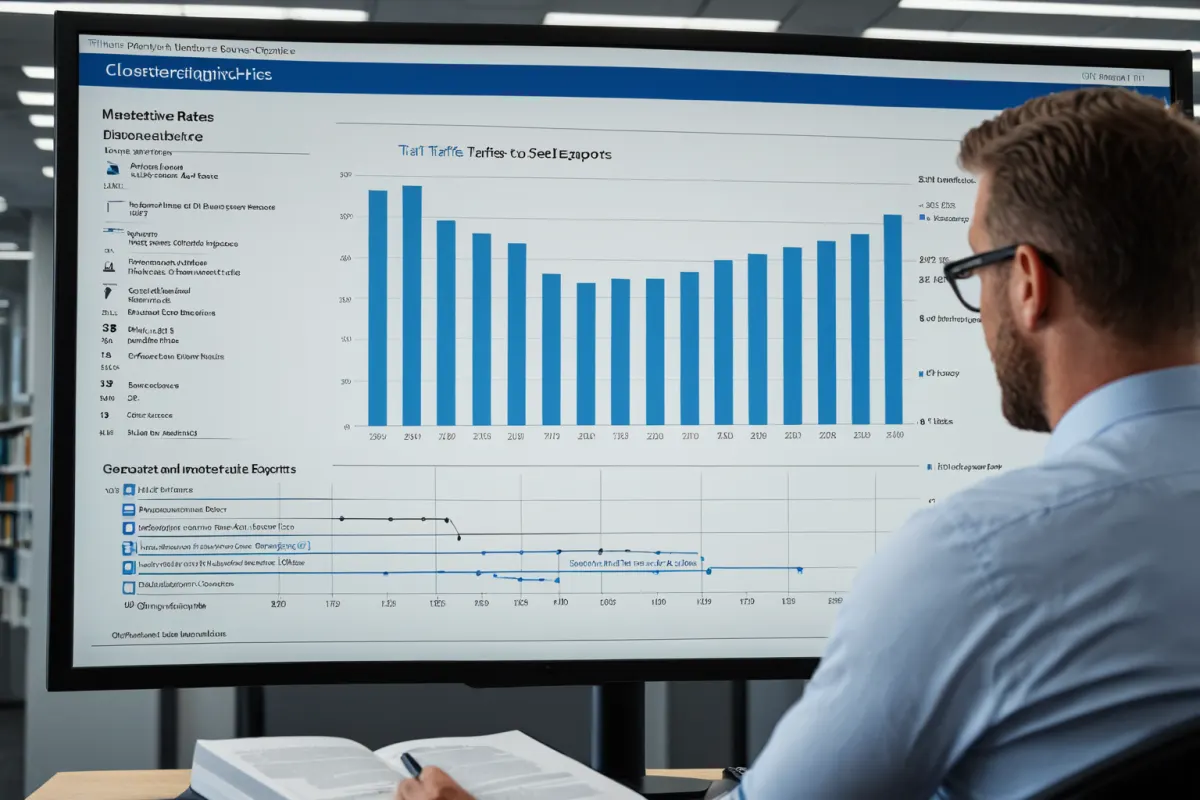
Korean manufacturers must develop strategies to address forced labor tariffs, particularly in automotive, battery, and steel sectors where exports face direct impact.
The Korea Trade-Investment Promotion Agency (KOTRA) has proposed a comprehensive strategy addressing U.S. tariffs, Chinese export controls, and EU environmental regulations. This emphasizes the need for businesses to restructure strategies in response to multiple risks.
Collaboration between the government and KOTRA is necessary for companies to develop tariff evolution responses. These efforts should be long-term rather than short-term solutions.
Tariff Basis and Ceiling Reaffirmation
Information about USTR's specific criteria remains limited, indicating insufficient detail on forced labor tariff assessment standards.
Both sides have reaffirmed the 15% ceiling for forced labor tariffs. However, the actual applied rate is 12.5%, below the 15% ceiling.
The government has not provided information about future negotiation plans. This lack of clarity on potential additional negotiations may create uncertainty for businesses.
U.S. Section 301 Forced Labor Tariffs and Global Trade Environment
The U.S. policy represents a significant shift in global trade order, signaling the use of tariffs to address forced labor concerns. Other countries might consider similar measures as a result.
Korean businesses must manage tariff-related risks within this evolving global trade environment. This goes beyond mere tariff rates and requires strategic reevaluation for long-term competitiveness.
Information to Verify
Additional information about USTR's specific criteria is needed. Understanding the exact conditions companies must meet would help businesses navigate this policy more effectively.
Despite no official details on future negotiations, there remains hope that further talks with the U.S. could resolve tariff issues through continued dialogue between government and businesses.
Frequently Asked Questions
How does the U.S. Section 301 forced labor tariff affect South Korea?
South Korean automotive, battery, and steel exports face potential 12.5% tariffs. However, with the government and U.S. reaffirming a 15% ceiling, businesses can operate within this limit.
How is the government responding to forced labor tariffs?
The government has worked with U.S. officials to reaffirm the 15% tariff ceiling and collaborated with KOTRA to propose comprehensive strategies. It's also developing an ongoing response system beyond the 15% defense strategy.
Will there be further negotiations with the U.S.?
The U.S. responded to South Korea's request for tariff suspension with 'let's see,' but both sides remain open to potential future talks. However, no specific plans or schedules have been announced yet.
Frequently Asked Questions
South Korean businesses face new challenges under the U.S. Section 301 forced labor tariff policy. This goes beyond simple tariff concerns and requires strategic adaptation to changing global trade conditions.
Government-business collaboration is essential for developing effective responses to evolving tariffs. These efforts should be long-term, not short-term fixes. Clearer information from USTR about specific criteria and future negotiation plans would help businesses better navigate this situation.
Korean manufacturers must proactively adapt to these changes to maintain competitiveness in the international trade environment—a critical challenge for business survival and growth.
You can view similar articles on this topic at once.
View Related ArticlesFAQ
How does the U.S. Section 301 forced labor tariff affect South Korea?
South Korean automotive, battery, and steel exports face potential 12.5% tariffs. However, with the government and U.S. reaffirming a 15% ceiling, businesses can operate within this limit.
How is the government responding to forced labor tariffs?
The government has worked with U.S. officials to reaffirm the 15% tariff ceiling and collaborated with KOTRA to propose comprehensive strategies. It's also developing an ongoing response system beyond the 15% defense strategy.
Will there be further negotiations with the U.S.?
The U.S. responded to South Korea's request for tariff suspension with 'let's see,' but both sides remain open to potential future talks. However, no specific plans or schedules have been announced yet.
Korean Source
This article is an English localization of a Korean-language report from BlogScore. Original: 미국 301조 강제노동 관세 적용 방식: 기업 대응 전략