
Understanding the Difference Between Varicose Veins and Leg Veins: What Doctors Explain
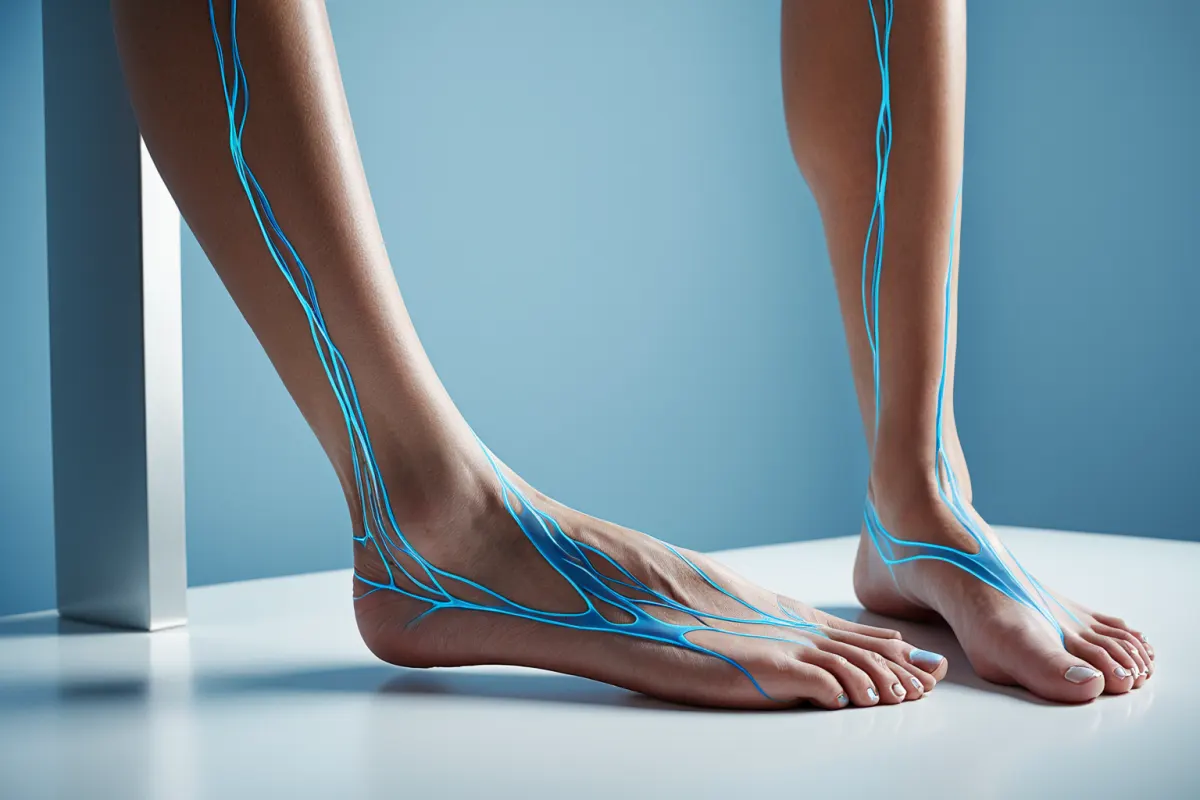
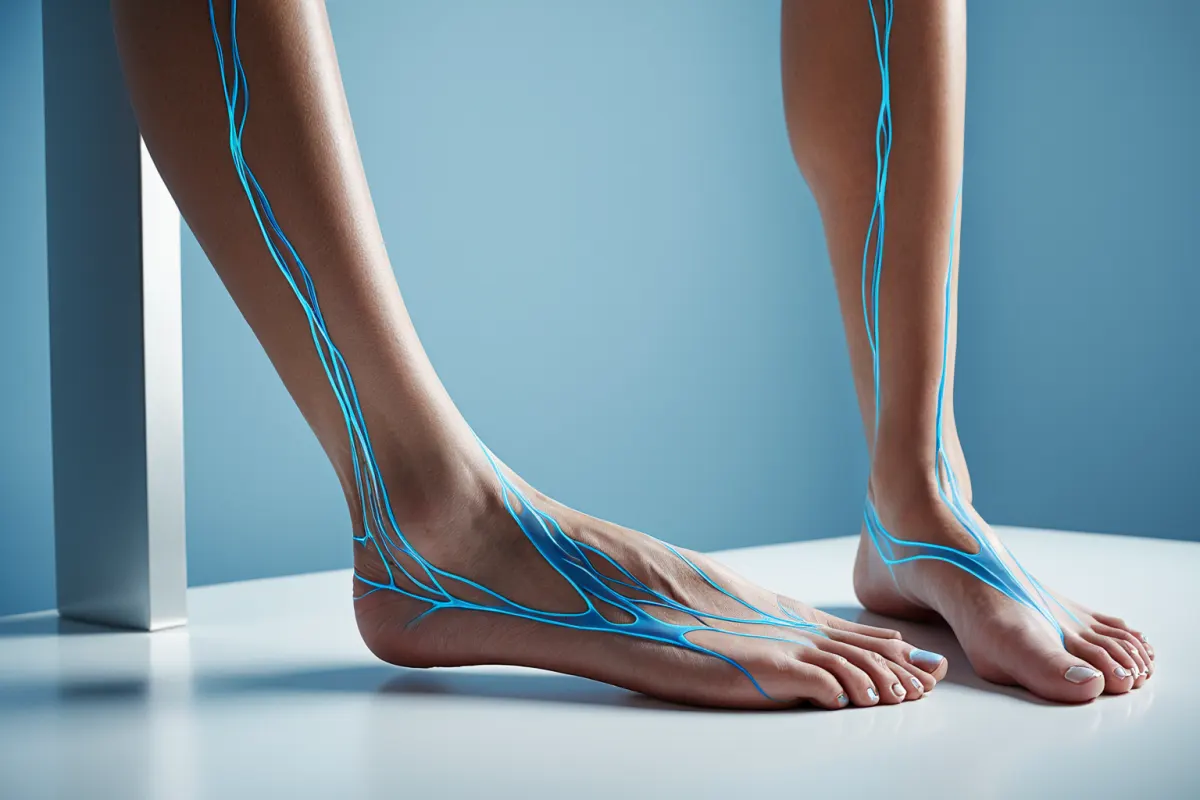
In medical terms, varicose veins refer to a condition where leg veins become enlarged and blood struggles to flow upward properly. Leg veins, on the other hand, is a broader term describing all the veins in the legs. While these terms may sound similar, they have distinct meanings. At medical appointments, doctors differentiate between varicose veins and general vein issues by examining symptoms and ultrasound results.
If you search online, you’ll often find questions like, "What's the difference between varicose veins and leg veins?" The key takeaway is that varicose veins are a type of leg vein condition, while leg veins refer to the anatomical structure. Just because your legs feel heavy or numb doesn’t automatically mean you have varicose veins, and visible veins on the surface don’t always require treatment.
The Basic Difference Between Leg Veins and Varicose Veins
Leg veins encompass all the veins running from the thigh to the calf and foot, serving as pathways for blood returning to the heart. These veins contain valves that prevent blood from flowing backward.
Varicose veins occur when these valves weaken or vein walls stretch, causing blood to flow backward and veins to bulge abnormally. In short, "leg veins" describes the overall system, while "varicose veins" refers to a specific issue within that system.
For example, slightly visible veins might simply be normal anatomy. However, if you frequently experience calf swelling, heaviness in the legs by evening, or prominent bulging veins, varicose veins may be suspected.
You can find similar articles on this topic all in one place.
View Related ArticlesCommon Symptoms Doctors Check For
Doctors don’t just look at how the legs appear—they assess symptoms too. Common questions include whether you experience calf pain, leg fatigue, numbness, nighttime cramps, swelling, itching, or visible veins. If multiple symptoms occur together, varicose veins become more likely.
Conversely, if your legs feel slightly stiff after standing for a while but no other issues arise, doctors won’t immediately assume it’s a medical problem. Factors like daily activity levels, weight, pregnancy history, occupation, and family background are also considered.
You might hear phrases like, "The veins are there, but the function isn’t severely impaired," or "We see valve reflux, so this is varicose veins." Even though the terms sound similar, diagnosis depends on ultrasound results.
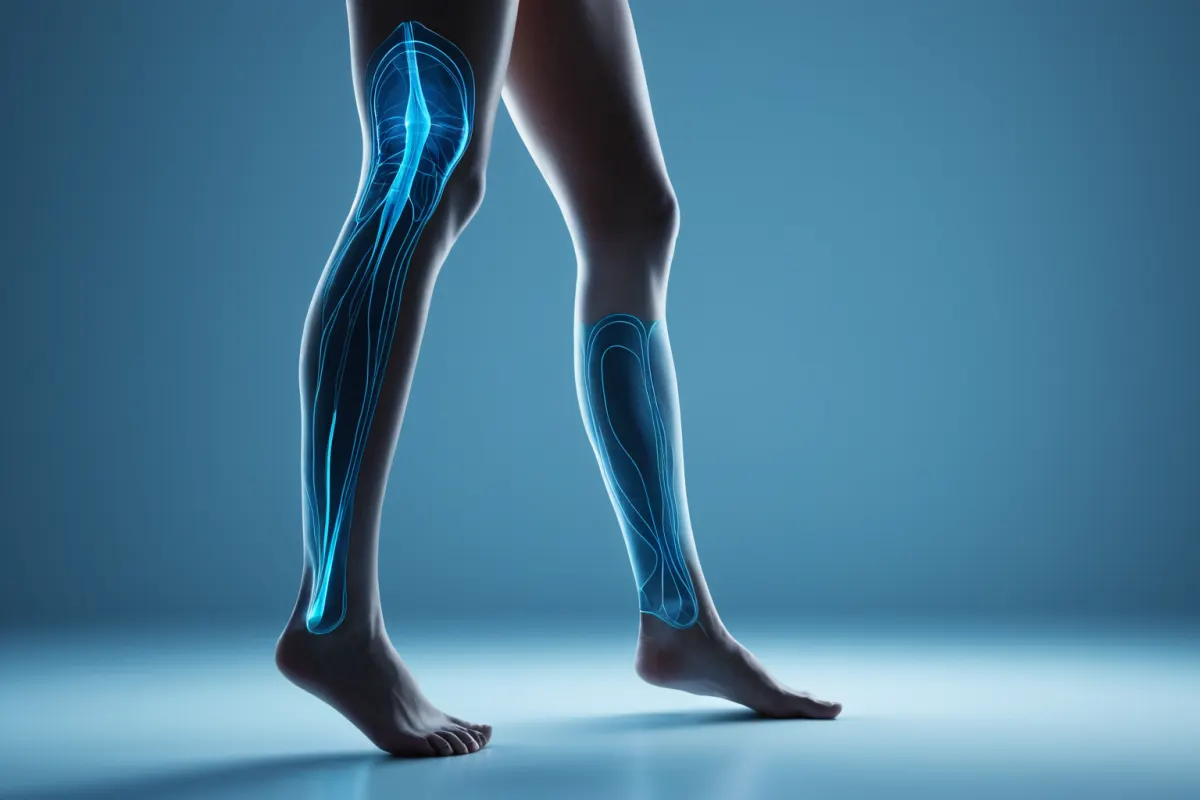
Early Warning Signs of Varicose Veins Often Overlooked
In early stages, you might not notice bulging veins but could feel discomfort. For instance, shoes may feel tight in the evening, calves feel heavy, or relief comes when elevating the legs. These patterns are commonly associated with early varicose vein symptoms.
Instead of focusing on whether it hurts, track when symptoms worsen. Do they get worse after standing for long periods? Improve with walking or rest? Does only one leg feel affected? Documenting these details makes explaining your condition to a doctor much easier.
For example, those who stand at work all day often notice calf tightness and ankle swelling by evening. If this pattern repeats, it’s better to get checked rather than dismiss it as ordinary fatigue.
How Varicose Vein Clinics Diagnose the Condition
At varicose vein clinics, doctors typically conduct a medical history review and physical exam before performing an ultrasound. This helps determine if there’s blood reflux in the veins and which valves are weak—providing clearer diagnosis than just looking at visible veins.
Doctors examine the entire leg because problems might not be isolated to one visible vein. For instance, issues starting in larger thigh veins can affect calf veins too.
When choosing a clinic, focus on whether they accurately interpret ultrasound results and provide clear explanations about treatment options. This is especially important when seeking a "leg vein clinic."
When Treatment Is Needed vs. When Observation Suffices
Not all leg vein issues require treatment. If symptoms are mild and ultrasounds show minimal reflux, lifestyle adjustments and monitoring may be enough. However, if swelling, pain, nighttime cramps, or skin color changes recur, treatment discussion is warranted.
Treatment options vary based on severity: compression therapy, medication, minimally invasive procedures, or surgery. Modern approaches often favor less burdensome procedures tailored to the vein’s condition and location—but there’s no one-size-fits-all solution.
For example, office workers with mild symptoms might be advised to wear compression stockings and adjust habits for monitoring. Meanwhile, those with prominent veins and frequent pain may receive recommendations for more active treatments like minimally invasive procedures.
Distinguishing Varicose Veins from Artery Problems
Not all leg discomfort stems from varicose veins. Arterial issues, such as those requiring treatment for atherosclerosis, often cause severe calf pain while walking that eases with rest. Varicose veins typically worsen with prolonged standing, causing heaviness and swelling.
Since both can cause leg symptoms but have different causes, it’s crucial to consider factors like when pain occurs, skin temperature changes, and color variations in the feet. If one leg suddenly swells or severe pain develops, don’t assume it’s varicose veins—seek medical attention immediately to rule out other issues like blood clots.
Simple Daily Habits for Management
If you suspect varicose veins or notice early symptoms, lifestyle changes play a significant role. If you sit or stand for long periods, take short breaks every hour to move your calves. Simple exercises like ankle rotations and toe raises can help.
Elevating the legs slightly above heart level during rest is also beneficial. Even 10 minutes after showering or before bed can reduce evening swelling for many people. Managing weight and avoiding tight clothing are basic but important habits too.
For example, office workers who sit all day might take a 10-minute walk at lunchtime and elevate their legs when they get home. Small changes like these make a noticeable difference over time.
What to Prepare Before Visiting a Varicose Vein Clinic
Before your appointment, note the timing of symptoms—when they occur, where pain is felt, and whether swelling happens. Information about family history of varicose veins, pregnancy experiences, or jobs requiring prolonged standing also helps doctors understand your case better.
Avoid wearing thick compression garments or very short skirts on the day of your visit for easier examination. If you’re taking medications, mention them during the consultation—they can influence treatment decisions.
Most importantly, avoid assuming that visible veins automatically mean a serious condition. Symptoms and ultrasound results are far more critical than how veins look externally.
FAQ
Q1. Do visible leg veins always mean varicose veins?
No. Thin skin can make veins appear more noticeable. Varicose veins are typically diagnosed when visible veins accompany reflux and symptoms.
Q2. Must varicose veins be painful?
Not necessarily. Early stages often present with swelling, heaviness, or numbness rather than pain.
Q3. Does having varicose veins always require surgery?
No. Treatment options vary based on severity—observation, compression therapy, procedures, or surgery may all be considered depending on symptoms and ultrasound findings.
In summary, the difference between varicose veins and leg veins boils down to understanding "the overall structure" versus "a problem within that structure." If symptoms persist, it’s better to consult a doctor for an accurate diagnosis rather than waiting.
Explore more articles on similar topics.
View Category ArticlesFAQ
Do visible leg veins always mean varicose veins?
No. Thin skin can make veins appear more noticeable. Varicose veins are typically diagnosed when visible veins accompany reflux and symptoms.
Must varicose veins be painful?
Not necessarily. Early stages often present with swelling, heaviness, or numbness rather than pain.
Does having varicose veins always require surgery?
No. Treatment options vary based on severity—observation, compression therapy, procedures, or surgery may all be considered depending on symptoms and ultrasound findings.
Korean Source
This article is an English localization of a Korean-language report from BlogScore. Original: 하지정맥류와 하지정맥 차이, 병원에서는 이렇게 설명한다