
Understanding the U.S.-South Korea-Japan Trilateral Talks: Key Differences Between Summit and Diplomatic Discussions
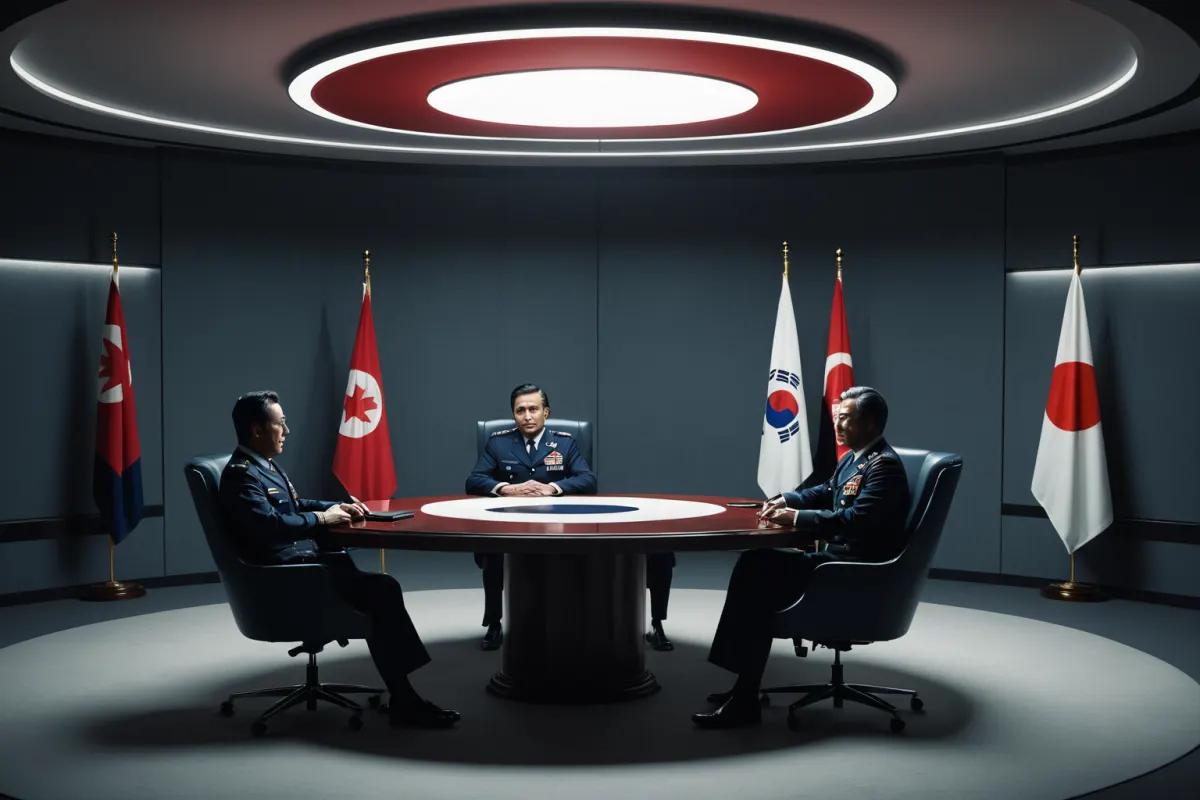
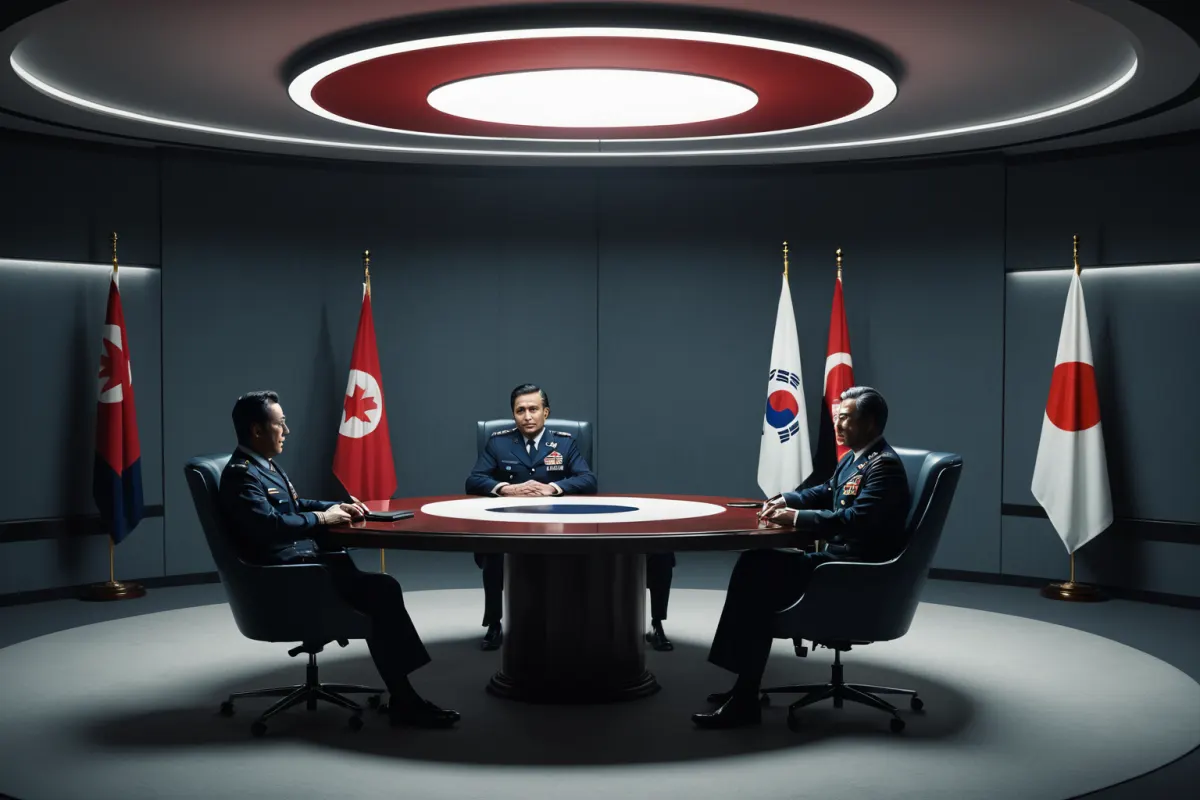
The U.S.-South Korea-Japan trilateral talks refer to diplomatic meetings where the three countries discuss shared concerns on security, foreign policy, and economic issues. However, the term "U.S.-South Korea-Japan summit" specifically refers to high-level meetings between the heads of state, while discussions involving foreign and defense ministers focus more on practical coordination of ongoing issues.
In other words, although the names may sound similar, these talks differ in their level of engagement and the topics covered. Summits set broad strategic directions, whereas ministerial-level talks translate those directions into concrete policies.
The Basic Meaning of U.S.-South Korea-Japan Trilateral Talks
These trilateral meetings serve as a platform for the three nations to align their positions on common issues that are difficult to address individually. Topics often include North Korea-related matters, regional security, supply chains, and technological collaboration.
A key point is that these talks are not singular events. There are separate high-level summits, foreign ministerial meetings, defense ministerial meetings, and working-level discussions, each with different agendas and outcomes. Thus, the term "U.S.-South Korea-Japan trilateral talks" can carry slightly different meanings depending on the context of the article.
Explore more articles on similar topics in one place.
View Related ArticlesThe Role of the U.S.-South Korea-Japan Summit
Summits between leaders serve as a platform to showcase political decisions. Major topics include joint declarations, cooperation principles, and crisis response strategies—content with strong symbolic value.
For instance, during heightened North Korean provocations, the summit may emphasize "collective resolve." When economic security issues like semiconductors, batteries, or critical minerals are prominent, supply chain collaboration often becomes a key agenda item.
Summits do not typically finalize detailed action plans. Instead, they set the framework for follow-up meetings to turn strategic agreements into tangible policies.
Diplomatic Coordination at the Ministerial Level
Meetings between foreign ministers occur more frequently and address more specific issues than summits. Topics include diplomatic challenges, North Korea coordination, international conference collaboration, and regional situation responses.
At this level, even small wording choices matter. The goal is to align diplomatic positions across nations and translate summit agreements into actionable steps.
For example, how to phrase a condemnation of North Korean missile launches or whether to encourage dialogue with specific language often gets refined in foreign ministerial meetings before being included in official statements.
Defense Ministerial Talks on Security Cooperation
Meetings between defense ministers focus on military coordination and strengthening deterrence. Topics frequently include sharing missile alert information, joint training, maritime security, and cyber threat response.
In essence, these talks determine "how to act together"—a more operational approach compared to the diplomatic framework established at foreign ministerial meetings.

To illustrate, when North Korea launches a ballistic missile, discussions may center on how quickly intelligence is shared between nations, how alert systems are synchronized, and how maritime surveillance will be enhanced.
Frequently Discussed Topics in U.S.-South Korea-Japan Talks
Common topics across these talks include North Korean denuclearization and responses to provocations, regional peace and stability, supply chain collaboration, protection of advanced technologies, and energy and climate cooperation.
- Security: North Korean missiles, nuclear deterrence, information sharing
- Economic Security: Semiconductors, batteries, critical minerals
- Diplomacy: Regional situation, multilateral cooperation, international conference coordination
- Operational Details: Alert systems, training exercises, sanctions implementation collaboration
The focus shifts based on current global circumstances. Heightened military tensions increase security discussions, while supply chain disruptions elevate economic cooperation.
Difference Between the U.S.-South Korea-Japan Trilateral Talks and Bilateral Japan-South Korea Summit
A common point of confusion is distinguishing between these two types of meetings. The bilateral Japan-South Korea summit involves only Seoul and Tokyo, while the trilateral talks include Washington as well.
While the bilateral summit focuses on resolving issues between the two countries, the trilateral talks address broader regional security and international responses. Although improving Japan-South Korea relations often underpins trilateral cooperation, they are distinct meetings.
In practice, a bilateral summit may precede a trilateral one to set the stage, or the U.S. may facilitate faster trilateral coordination by acting as a mediator.
Why Headlines Vary for the Same Event
The same meeting might be referred to in media as "U.S.-South Korea-Japan summit," "foreign ministerial talks," or "defense ministerial discussions." Without checking who attended, readers may miss the actual level of discussion.
Always verify attendees: a summit involves heads of state, foreign ministers lead diplomatic meetings, and defense ministers handle military coordination. The participants define the meeting’s nature.
For example, an article stating "discussions on joint responses" could refer to either a high-level or ministerial-level meeting—making it essential to check who participated and what was discussed.
Additional Insights for Better Understanding
To fully grasp these talks, consider them more than just diplomatic events. They represent a complex collaboration across security, economy, technology, and global public opinion.
When reading articles or official statements, check "what type of meeting," "who attended," and "what phrases were used in the joint declaration." Small wording differences can reveal significant variations in national positions.
For instance, "strong response" versus "firm stance" may sound similar but carry nuanced diplomatic meanings. Recognizing these distinctions leads to a more comprehensive understanding of outcomes.
Key Points to Remember About U.S.-South Korea-Japan Trilateral Talks
These talks do not mean the three nations always move in unison. Each country has its own interests, but cooperation intensifies when common threats or shared benefits exist.
Thus, understanding outcomes requires looking beyond "what was agreed" to consider "at what level," "on which topic," and "with which phrasing." Keeping these three elements in mind significantly improves comprehension of news coverage.
FAQ
Q1. Are U.S.-South Korea-Japan talks and the U.S.-South Korea-Japan summit the same thing?
No. "U.S.-South Korea-Japan trilateral talks" is a general term, while "summit" specifically refers to high-level meetings between leaders.
Q2. How do foreign ministerial talks differ from defense ministerial discussions?
Foreign ministers address diplomatic messages and international coordination, whereas defense ministers focus on military cooperation and deterrence strengthening.
Q3. What topics are most frequently discussed in these trilateral meetings?
Responses to North Korea, regional security, supply chain collaboration, protection of advanced technologies, and information sharing are common themes.
Continue exploring similar topics.
Browse CategoryFAQ
Are U.S.-South Korea-Japan talks and the U.S.-South Korea-Japan summit the same thing?
No. "U.S.-South Korea-Japan trilateral talks" is a general term, while "summit" specifically refers to high-level meetings between leaders.
How do foreign ministerial talks differ from defense ministerial discussions?
Foreign ministers address diplomatic messages and international coordination, whereas defense ministers focus on military cooperation and deterrence strengthening.
What topics are most frequently discussed in these trilateral meetings?
Responses to North Korea, regional security, supply chain collaboration, protection of advanced technologies, and information sharing are common themes.
Korean Source
This article is an English localization of a Korean-language report from BlogScore. Original: 한미일 회담이란? 한미일 정상 회담과 외교·국방 논의 차이